Kalua Pig, Smoked Without an Imu
shredded pork with the smoke and salt of a backyard luau, no pit required
Contents
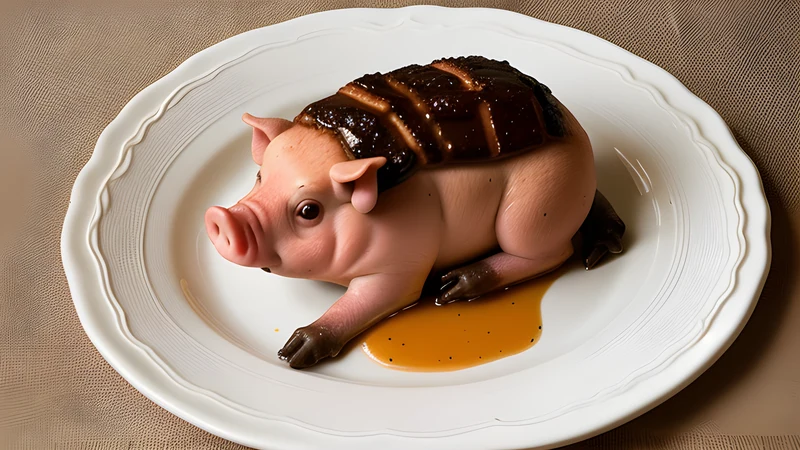
↓ Jump to recipeKalua pig is the pork you eat at a luau, but you don’t need a hole in your garden to make a convincing version of it. The traditional method buries a whole pig, wrapped in banana and ti leaves, over red-hot kiawe wood and lava rocks in an underground oven called an imu, then covers the pit with wet burlap and earth so it steams and smokes for most of a day. What comes out is meat so tender it falls apart at a glance, threaded through with a low, mineral smokiness that no dry rub replicates. A domestic oven can’t dig a pit, but it can get remarkably close with two things most kitchens already have: liquid smoke and patience.
Kalua Pig, Smoked Without an Imu
Ingredients
- 2 kg boneless pork shoulder (butt), skin removed
- 1 tbsp Hawaiian sea salt or coarse sea salt (plus more to taste)
- 2 tsp liquid smoke (hickory or mesquite)
- 3 large banana leaves, or 1 packet frozen leaves, thawed and rinsed
- 1 tbsp neutral oil
- 240 ml water
Method
- Heat the oven to 150C (300F). Pat the pork shoulder dry with kitchen paper.
- Rub the pork all over with the salt, pressing it into every surface, then rub with the liquid smoke.
- Pass the banana leaves briefly over a gas flame or a hot dry pan until they turn glossy and pliable, about 10 seconds per side.
- Line a roasting tin with two overlapping banana leaves, leaving enough overhang to fold over the top. Set the pork on top and wrap it fully, tucking the ends underneath.
- Pour the water into the tin around the wrapped pork, cover the tin tightly with foil, and roast for 4.5 to 5 hours, until a fork twists a chunk of meat free with almost no resistance.
- Unwrap carefully, saving the juices pooled in the leaves. Shred the pork with two forks, discarding excess fat.
- Pour the reserved juices back over the shredded meat and toss to coat. Taste and add more salt if the pork wants it.
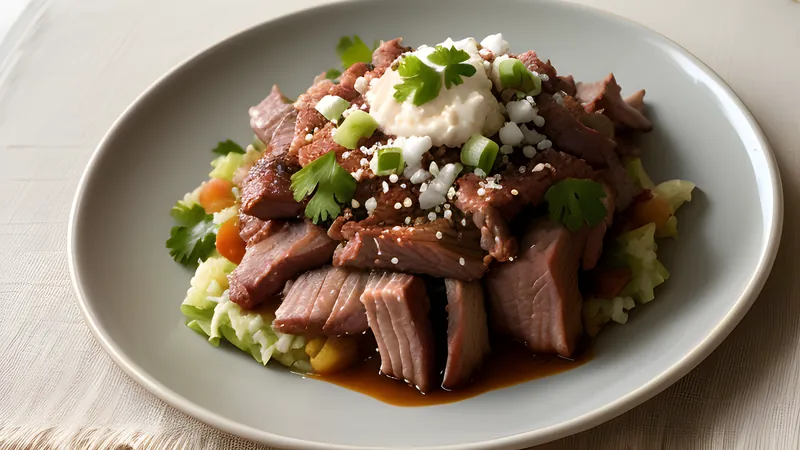
- Serve warm, piled onto a fresh banana leaf if you have a spare one, with rice and cabbage or lomi salmon alongside.
Why the imu matters, and why you can skip it
The imu isn’t just a cooking method, it’s the centre of the luau itself. Hawaiian families dig the pit the night before a celebration, layer in volcanic rock heated for hours over open fire, then bury the wrapped pig under banana stalks, ti leaves and wet cloth. Digging it up the next day, the imu kalua (“to cook in the underground oven”), is as much a social event as the meal that follows. Whole extended families gather for the digging, and the aroma that escapes when the burlap comes off is the signal that the party has properly started.
None of that scales down to a Tuesday dinner, and Hawaiian home cooks have known this for generations. Liquid smoke stepped in decades ago as the practical substitute, and it’s not a compromise so much as a parallel tradition: slow cooker kalua pig, seasoned with liquid smoke and Hawaiian salt, is standard in island households that have never dug a pit in their lives. The banana leaf wrap and low, moist oven heat handle the rest, replicating the steaming, insulating effect of the imu’s earth cover. What you lose is the specific mineral char of lava rock and kiawe wood smoke; what you keep is everything that actually matters to the finished dish, which is meltingly soft, well-salted, faintly smoky shredded pork.
Ti leaves, distinct from banana leaves, traditionally line the pit itself and wrap the pig directly against the meat, prized for being non-toxic and faintly bitter in a way that seasons the pork subtly as it steams for hours. Banana leaves usually go on top of the ti leaves in the imu as an additional layer, which is part of why this oven version, using banana leaves alone, still gets close to the real thing — it’s borrowing the outer layer of the traditional wrap rather than inventing something unrelated. Ti leaves are much harder to find outside Hawaii and a handful of specialist importers, so this recipe leans on the more available banana leaf, which carries plenty of its own grassy character.
Liquid smoke earns a bad reputation it doesn’t fully deserve. It’s condensed smoke vapour, not a synthetic flavouring, and a couple of teaspoons rubbed into a pork shoulder before a long slow roast reads as genuine wood smoke rather than an artificial afterthought. The key is restraint: too much turns acrid and one-note, while too little disappears under the pork fat. Two teaspoons for a 2kg shoulder is the right ratio; taste your bottle first, since brands vary in strength, and start lighter if yours smells sharp straight from the cap.
The salt is not optional
Hawaiian sea salt (alaea salt, the reddish variety mixed with baked red clay, if you can find it) does more here than season the surface. Traditionally the pig is salted heavily before it goes into the imu, and the salt penetrates the meat slowly over hours of low heat, seasoning it through rather than just on the crust. A coarse sea salt does the same job at home. Rub it in firmly, really pressing it into the muscle fibres rather than just scattering it across the surface, and don’t be shy with the quantity. Under-salted kalua pig is a common home-cook mistake, and it’s the difference between meat that tastes like an event and meat that tastes like plain roast pork with a whisper of smoke.
Banana leaves aren’t decorative
Frozen banana leaves, sold in most Asian grocers, work as well as fresh ones and need only a quick rinse and a pass over heat to soften. That heating step matters: a stiff, cold leaf will crack when you try to fold it around the pork. Ten seconds per side over a gas flame, or in a dry pan on the hob, turns the leaf glossy and flexible, and it releases a faint grassy, tea-like aroma into the meat as it steams. If you genuinely can’t find banana leaves, foil alone will still produce tender shredded pork, but you lose that background vegetal note that separates kalua pig from a generic slow-roasted shoulder. It’s worth a trip to a specialist grocer if you have one nearby.
Judging the cook without a thermometer
Pork shoulder for kalua pig is done by feel rather than by internal temperature, though if you want a number, you’re looking for the meat to reach at least 95C internally — well past the 63C safety minimum for pork, because at that lower temperature the connective tissue hasn’t had nearly enough time to melt and the meat will still be tough and resistant to shred. The genuine test is mechanical: push a fork into the thickest part and twist. If the fork meets resistance and the muscle fibres stay bound together, it needs more time, full stop — there’s no fixing underdone pork shoulder by turning up the heat at the end, since the goal is slow rendering, not a fast finish. If it’s ready, a gentle twist should pull a chunk free almost on its own, with the fibres separating cleanly rather than tearing.
Oven thermometers vary enough between models that the 4.5 to 5 hour window is a guide rather than gospel — a shoulder that’s still fighting back at the five-hour mark just needs another thirty minutes, checked again rather than assumed done. Bone-in shoulder, if that’s what your butcher has, generally takes slightly longer than the boneless cut this recipe calls for, so budget an extra 20 to 30 minutes and check the meat away from the bone, which cooks a little faster than the meat right against it.
What can go wrong
The most common failure is impatience: pulling the pork before it’s ready. Kalua pig should shred with almost no resistance from two forks; if you’re fighting the meat, it needs another 30 to 45 minutes, covered, back in the oven. Pork shoulder is a forgiving cut precisely because it’s full of connective tissue that needs time, not just heat, to break down into gelatin. Rush it and you get chewy, stringy meat instead of the collapsing texture the dish is known for.
The second failure is drying it out after cooking. Kalua pig should be shredded in its own juices, not left to sit exposed on a board while you finish the rest of dinner. Keep the pan juices you collected from inside the banana leaf wrap and pour them straight back over the shredded meat; they carry the salt, the rendered fat and the faint smoke that make the dish, and skipping this step is why some home versions taste flat.
Serving it properly
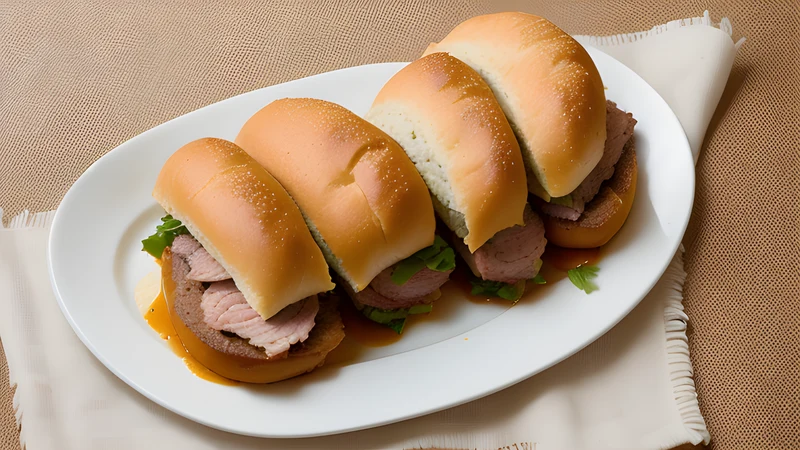
A traditional luau plate sets kalua pig alongside poi (fermented taro paste), lomi salmon (a diced tomato, onion and salted salmon relish) and rice. At home, the pork is flexible enough to go far beyond that: pile it into a bowl with steamed rice and quick-pickled cabbage, tuck it into a soft bun with a spoonful of pineapple salsa, or fold it through fried rice the way leftover egg fried rice welcomes almost any shredded protein. It also holds up well cold, straight from the fridge, tossed through a rice salad with spring onion and toasted sesame.
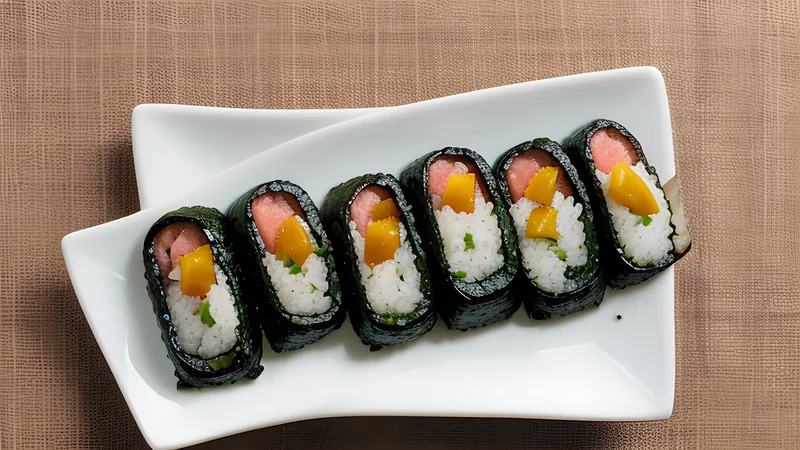
If you want the fuller Hawaiian plate-lunch experience, serve it beside spam musubi — the two dishes share a table at almost every backyard party on the islands, one built from a whole shoulder and hours of patience, the other assembled in minutes from a tin. For another slow, patient pork dish that rewards the same kind of low-and-slow treatment, lechon kawali takes the opposite route to tenderness, boiling the pork first and frying it crisp at the end, but it shares kalua pig’s respect for the cut and its refusal to rush the process.
Make-ahead and storage
Kalua pig actually improves after a day in the fridge, as the salt and smoke settle further into the meat and the fat re-firms enough to shred even more cleanly when reheated. Store it in its juices in an airtight container for up to four days, or freeze portions (juices included) for up to three months. Reheat gently, covered, with a splash of water or stock if it’s looking dry, either in a low oven or a covered pan on the hob. Avoid the microwave if you can, since high, uneven heat toughens the surface of the shreds before the centre catches up.
Variations worth trying
Some home cooks swap the oven and banana leaf for a slow cooker, which works well and needs no wrapping at all: salt and smoke the pork, set it in the slow cooker with the water, and cook on low for eight hours. You lose the faint banana-leaf note but gain the convenience of a set-and- forget method. Others add a whole peeled onion, cut in half, to the roasting tin for a bit of sweetness in the pan juices, or a few smashed garlic cloves tucked against the meat, both sympathetic additions that don’t fight the smoke and salt.
A handful of Hawaiian home cooks finish the shredded pork under a hot grill for five minutes to crisp a portion of the edges before serving, a texture contrast against the soft interior that’s worth trying once you’ve made the base recipe a few times and know how your oven runs. Whatever direction you take it, the two fixed points stay the same: enough salt to season the meat through, and enough time for the shoulder to give up its resistance completely.
If Hawaiian sea salt genuinely isn’t available, any coarse, additive-free sea salt does the job — the alaea variety’s reddish colour comes from baked volcanic clay mixed in for tradition and a faint mineral note, not from anything that meaningfully changes the seasoning power. What matters more than the specific salt is the quantity and how firmly you work it into the meat; a fine table salt measured by the same spoon will taste considerably saltier gram for gram, so if that’s all you have, scale the amount back by roughly a third and adjust to taste once the pork rests in its juices at the end.
Related Content