Jollof Rice and the Argument That Never Ends
Smoky one-pot party rice, and why Nigeria and Ghana will never agree
Contents
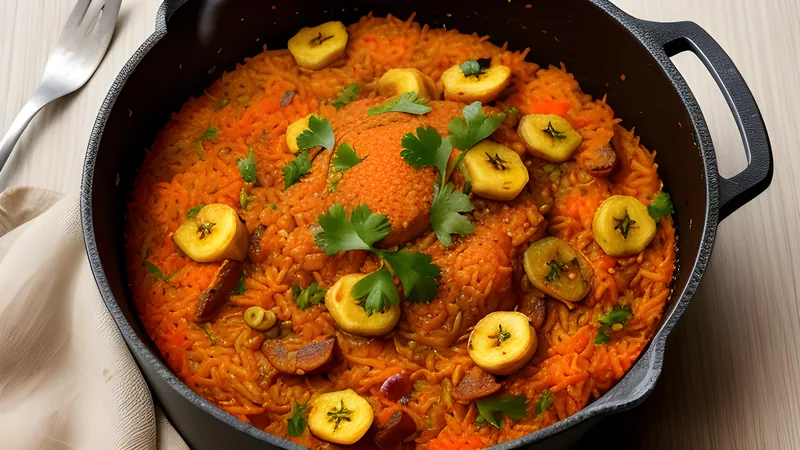
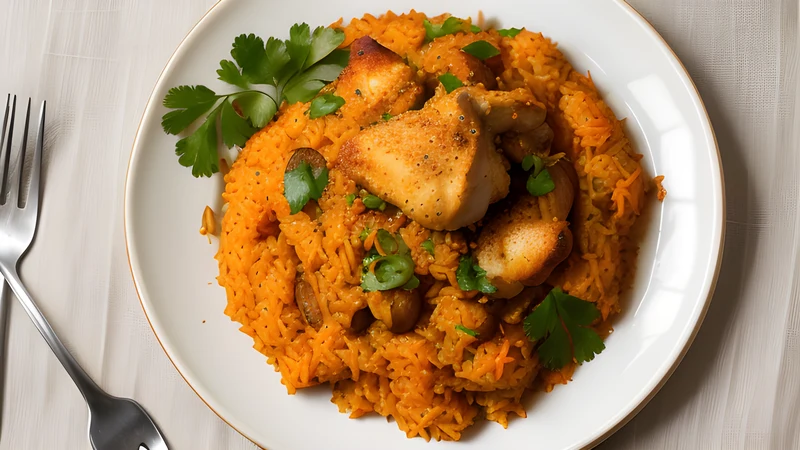
↓ Jump to recipeThere are few faster ways to start an argument across West Africa than to say, out loud, that one country makes better jollof than another. Nigeria and Ghana have been trading insults over this pot of red rice for decades, and the fight has spread to Senegal, Cameroon, Liberia and Sierra Leone, each with a claim and a grievance. I am not going to settle it here. What I can do is show you how to build the version I cook most weeks — a Nigerian-leaning party jollof with a proper base, dry separate grains, and the scorched bottom layer that everyone secretly fights over.
Jollof Rice and the Argument That Never Ends
Ingredients
- 500 g long-grain parboiled rice
- 4 large ripe tomatoes (about 500 g), roughly chopped
- 2 red bell peppers, deseeded and chopped
- 2 Scotch bonnet chillies (1 for milder heat), stalks removed
- 2 medium onions: 1 for the blend, 1 sliced
- 120 ml neutral oil (groundnut or sunflower)
- 3 tbsp tomato purée
- 3 garlic cloves
- 20 g fresh ginger
- 2 tsp curry powder
- 1 tsp dried thyme
- 2 bay leaves
- 1 tsp smoked paprika
- 500 ml chicken stock, hot
- 1.5 tsp fine salt, plus more to taste
- 2 ripe plantains, to serve (optional)
Method
- Blend the tomatoes, red peppers, Scotch bonnet, one onion, garlic and ginger until smooth. Simmer the puree in a dry saucepan for 10 to 15 minutes until reduced by a third and darkened, then set aside.
- In a heavy pot with a tight lid, heat the oil over medium and fry the sliced onion for 5 minutes until golden. Add the tomato puree and fry 3 to 4 minutes until brick-red.
- Stir in the curry powder, thyme, smoked paprika and bay leaves and cook for 30 seconds until fragrant.
- Add the reduced pepper blend and 1.5 tsp salt. Simmer 10 minutes, stirring often, until oil pools at the edges.
- Rinse the parboiled rice in several changes of cold water until it runs clear, then drain.
- Stir the rice into the base until every grain is coated red. Pour in the hot stock so it sits just level with the rice; the liquid should taste slightly over-seasoned.
- Cover with foil then the lid and cook on the lowest heat for 30 minutes without stirring.
- Uncover, raise the heat to medium for the final 3 to 4 minutes to catch the base, then turn off the heat and leave covered for 10 minutes.
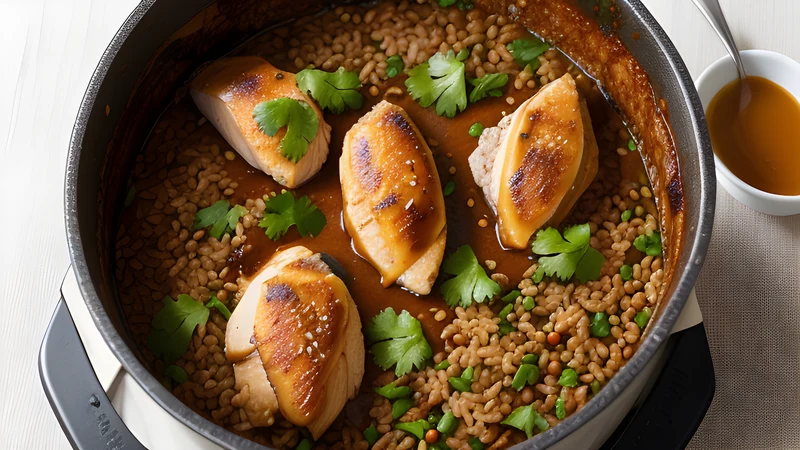
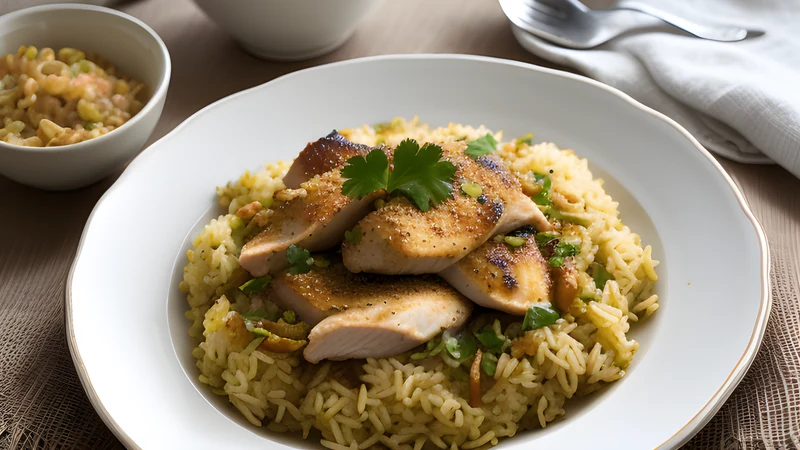
- Fluff with a fork and serve with fried plantain and chicken.
Where jollof actually comes from
The dish traces back to the Senegambian region and the Wolof people — the name is almost certainly a corruption of “Wolof”. The ancestor is thieboudienne, the Senegalese rice-and-fish dish cooked in a tomato base, and if you want to understand where jollof branched from you should cook thieboudienne at least once. As the technique travelled east along trade routes, the fish gave way to whatever a household had — chicken, beef, nothing at all — and the tomato-pepper base stayed constant. By the time it reached Nigeria and Ghana it had become the centrepiece of every wedding, naming ceremony and Christmas, cooked in pots big enough to bathe a toddler.
The Nigerian and Ghanaian versions genuinely differ. Ghanaians typically use aromatic basmati and add more warm spice; Nigerians swear by long-grain parboiled rice and lean on the smoky “party jollof” flavour that comes from cooking over firewood until the bottom catches. That scorched layer has a name — it is the prize, scraped from the pot and handed to whoever is fastest.
The base is everything
Jollof lives or dies by its base, the blended tomato-pepper sauce Nigerians call the stew or fried base. Get it thick, deeply cooked and slightly sweet, and the rice will taste of something. Rush it and you get pink, sour, watery rice that no amount of seasoning rescues.
Blend the tomatoes, red peppers, Scotch bonnet, one onion, the garlic and ginger to a smooth purée. Now the critical step most people skip: reduce that raw blend in a dry or lightly oiled pan for 10 to 15 minutes before it goes anywhere near the rice. Raw blended tomato is watery and sharp; cooking it down concentrates the sugars and drives off the tinny sourness. You want it to lose about a third of its volume and darken slightly.
Meanwhile, in your main pot, heat the oil and fry the sliced onion until soft and golden, then stir in the tomato purée and let it fry for a full 3 to 4 minutes until it turns brick-red and smells caramelised rather than raw. Add the curry powder, thyme, smoked paprika and bay leaves and let them bloom in the oil for 30 seconds. Pour in the reduced pepper blend, add the salt, and cook this together for another 10 minutes, stirring often, until you can see oil pooling at the edges. That pooling oil is the sign the base is properly cooked.
Method
- Blend and reduce the base. Purée the tomatoes, red peppers, Scotch bonnet, one onion, garlic and ginger until smooth. Pour into a dry saucepan and simmer 10–15 minutes until reduced by a third and darkened. Set aside.
- Fry the aromatics. In a heavy pot with a tight lid, heat the oil over medium. Fry the sliced onion 5 minutes until golden. Add the tomato purée and fry 3–4 minutes until brick-red.
- Bloom the spice. Stir in curry powder, thyme, smoked paprika and bay leaves; cook 30 seconds until fragrant.
- Cook the base down. Add the reduced pepper blend and 1.5 tsp salt. Simmer 10 minutes, stirring often, until oil pools at the edges.
- Rinse the rice. Wash the parboiled rice in several changes of cold water until it runs clear, to strip surface starch that would make the grains clump.
- Combine. Stir the drained rice into the base until every grain is coated red. Pour in the hot stock — it should sit just level with the rice, no more. Taste the liquid; it should be slightly over-seasoned.
- Steam low and slow. Cover with foil then the lid to trap steam, and cook on the lowest heat for 30 minutes. Do not stir.
- Let it catch. For party smokiness, uncover, raise the heat to medium for the final 3–4 minutes and listen for a gentle crackle from the base of the pot. Then kill the heat and leave it covered 10 minutes.
- Fluff and serve with fried plantain and chicken.
Why parboiled rice, specifically
Parboiled rice confuses people because it is neither raw nor cooked. The grains are steamed in their husk before milling, a process that gelatinises the starch and drives nutrients from the bran into the heart of the grain. The upshot for jollof is textural: the outer starch is set hard, so the grains resist the mush that ordinary white rice slides into when it simmers in a wet, acidic sauce for half an hour. A pot of jollof spends its whole cook time submerged in tomato — an environment that dissolves softer rice. Parboiled grain shrugs it off and stays distinct, which is precisely why every Nigerian aunt reaches for the same familiar bags and treats basmati with polite suspicion. It also forgives you. A minute or two of overcooking will not collapse it, and the reheated leftovers hold their shape, which is more than most rice can promise.
Getting dry, separate grains
Two things ruin the texture: too much liquid and stirring. Parboiled long-grain rice is engineered to stay separate, but only if you respect the ratio. The blended base already carries a lot of moisture, so I add far less stock than you would for plain boiled rice — the liquid should barely reach the top of the rice, not swim over it. If in doubt, add less; you can always sprinkle in a splash of hot stock later, but you cannot boil water back out without turning the whole pot to porridge.
And leave it alone. Every stir smears starch around and drags the catching base up into the grains. Cover it, trust it, and open the pot only twice — once to check the liquid is gone, once to fluff at the end with a fork, lifting rather than mashing.
The smoky bottom layer
Traditional party jollof gets its haunting smokiness from firewood and the deliberate scorching of the pot base. On a home hob you can approximate it. The honest method is the controlled catch in step 8: a few minutes of higher heat with the lid off, listening for the crackle, produces a thin toasted layer without burning the whole pot. If you want more, some cooks lay a small piece of foil-wrapped charcoal, lit until glowing, on top of the finished rice for a couple of minutes with the lid on — the smoke perfumes the steam. Skip that if you are nervous; the pot-bottom catch alone is plenty.
Tips, swaps and storage
- Heat control. One Scotch bonnet gives a warm background hum; two brings real fire. Blend it in whole for even heat, or leave it out and float a whole pierced chilli on top so people can decide.
- No parboiled rice? Basmati works and leans Ghanaian — use a touch less liquid still, as basmati absorbs faster. Avoid short-grain or risotto rice, which turn gluey.
- Stock. Homemade chicken stock lifts the whole dish. A good cube dissolved in hot water is a fair shortcut; if you use one, cut the added salt to 1 tsp and taste.
- Storage. Jollof keeps 4 days covered in the fridge and reheats brilliantly — it is arguably better on day two. Sprinkle over a tablespoon of water, cover, and steam gently. It freezes well for 2 months.
What to put around it
Jollof is a stage, and the supporting cast matters. Fried plantain — sweet, caramelised, soft — is close to compulsory. Roast or grilled chicken, spiced beef, or fish all belong. For a full spread I serve it alongside skewers of suya and a bowl of egusi soup, and put out chin chin for people to graze on while the pot rests. Coleslaw, a sharp green salad, or simple steamed greens cut the richness.
Troubleshooting a pot gone wrong
The two failures I see most are crunchy rice and burnt rice, and they have opposite cures. If the liquid has vanished but the grains still bite, the problem is too much heat — the base scorched before the steam could do its work. Sprinkle over 60 ml of hot stock, lay a damp sheet of greaseproof directly on the surface, clamp the lid back on and drop the heat to its lowest setting for another 8 to 10 minutes. If instead the whole pot tastes acrid rather than pleasantly smoky, the catch went too far; tip the good rice off the top into a fresh pan without scraping, and abandon the blackened base entirely. Sour, pink, undercooked-tasting jollof almost always means the base was not fried long enough before the rice went in — there is no rescue mid-cook, so next time give the tomato purée and blend the full frying time and wait for that pooling oil.
As for who makes it best — Nigeria or Ghana, Senegal or Sierra Leone — I have learned to eat my rice and keep my opinions to the pot. Cook it well, let the bottom catch, hand someone the scorched scrapings, and you will understand exactly why the argument never ends.
Related Content