Jerk Chicken Over Pimento Wood
The marinade, the smoke and the myth of the one true recipe
Contents
↓ Jump to recipeEvery Jamaican I have ever cooked for has watched me make jerk chicken with the polite, pained expression of someone whose grandmother did it better. They are correct, and I have made my peace with it. Jerk is one of those dishes where the recipe is the least contested part; the arguments are all about the wood, the fire, the exact tilt of the heat, and whether anything cooked outside of Boston Bay in Portland can honestly be called the real thing. What I can give you is a marinade that tastes right and a method that gets a home kitchen closer to the smoke than you would think possible.
Jerk Chicken Over Pimento Wood
Ingredients
- 1 whole chicken (about 1.6 kg), jointed into 8 to 10 pieces
- 6 spring onions, roughly chopped
- 3 to 4 Scotch bonnets, stems removed (deseed for less heat)
- 6 garlic cloves
- 1 thumb ginger, peeled
- 2 tbsp ground allspice (pimento)
- 1 tbsp fresh thyme leaves
- 1 tsp freshly grated nutmeg
- 1 tsp ground cinnamon
- 2 tbsp dark brown sugar
- 3 tbsp soy sauce
- 3 tbsp white vinegar
- Juice of 1 lime
- 2 tbsp neutral oil
- 2 tsp fine salt
- 1 tsp coarsely ground black pepper
Method
- Blend the spring onions, Scotch bonnets, garlic, ginger, allspice, thyme, nutmeg, cinnamon, sugar, soy, vinegar, lime, oil, salt and pepper into a thick, spoonable paste.
- Slash each chicken piece to the bone two or three times. Rub the marinade in thoroughly, wearing gloves. Cover and refrigerate at least 6 hours, ideally 24.
- For the grill: light coals and, once ashed over, bank them to one side for indirect heat. Add soaked pimento wood chips or a few allspice berries and bay leaves to the coals. Cook the chicken skin side up over the cool side, lid on, for 45 to 60 minutes, turning once, until it reaches 75C at the bone.
- Move the pieces over direct heat for the last 5 to 8 minutes to char and crisp the skin, turning often so the sugar does not burn.
- For the oven: roast at 200C for 40 minutes, then finish under a hot grill for 5 to 8 minutes to blacken the edges. A pinch of smoked paprika in the marinade helps stand in for the wood smoke.
- Rest 10 minutes, then chop through the pieces the Jamaican way and serve.
Where jerk comes from
Jerk is a genuinely old technique with a serious history. It grew out of the cooking of the Maroons, communities of Africans who escaped enslavement and established free settlements in the mountainous interior of Jamaica from the seventeenth century onward. Cut off and self-reliant, they developed a way of seasoning and slow-smoking wild pig over pits, using the two ingredients the island gave them in abundance: the fiery Scotch bonnet and the aromatic berries and wood of the pimento (allspice) tree. That marriage of chilli heat and warm, clove-like allspice is the DNA of jerk, and nothing else quite substitutes for it.
The word jerk probably comes from charqui, the same South American root that gives us jerky, referring to the strips of seasoned, dried and smoked meat. Over centuries the pit method evolved into the roadside jerk pans you see across Jamaica today: halved oil drums laid over pimento wood, the meat cooked low and slow in the smoke, then chopped and sold in foil with festival (a sweet fried dumpling) and a slick of extra-hot sauce.
Boston Bay, on the north-east coast in the parish of Portland, is the place most Jamaicans will name as the spiritual home of jerk, a stretch of road lined with jerk pans where the technique moved from Maroon pits to commercial cooking in the mid-twentieth century. It was here that jerk shifted from pork to chicken as its most common canvas, and here that the dish began its journey onto menus around the world. Pilgrims and food writers still make the drive to eat jerk in the smoke of the place that arguably perfected it, and every jerk cook off the island is, knowingly or not, measuring themselves against Boston Bay.
The two things that make it jerk
Strip away the regional feuds and jerk rests on two pillars. The first is the seasoning paste, and the load-bearing ingredients are Scotch bonnet, allspice, thyme, spring onion and warm spices (nutmeg, cinnamon, sometimes a whisper of ginger). Allspice in particular is doing far more than it seems; it carries notes of clove, pepper and cinnamon all at once, which is why one spice can taste like a whole cupboard. Use it generously and use it fresh.
Allspice deserves its own note, because the pimento tree is central to the whole story. Pimenta dioica is native to the Caribbean and Central America, and Jamaica grows what is widely held to be the finest in the world; the Spanish who first met it thought the dried berries smelled of pepper and named them pimienta, while the English coined allspice for the way a single berry seems to hold clove, nutmeg and cinnamon together. Every part of the tree earns its keep in jerk: the ground berries go in the paste, whole berries and the leaves smoulder on the coals, and the wood itself, dense and aromatic, is the traditional fuel. No other single ingredient carries as much of the flavour, which is why substitutions never quite convince.
The second pillar is smoke from pimento wood. This is the part home cooks cannot fully replicate, and it is worth being honest about that rather than pretending a bottle of liquid smoke closes the gap. What you can do is get surprisingly close by adding whole allspice berries, a few bay leaves and, if you can source them, pimento wood chips to your coals. The berries smoulder and throw off the same aromatic compounds as the wood.
Building the marinade
Everything goes in the blender: spring onions, Scotch bonnets, garlic, ginger, the spices, sugar, soy, vinegar, lime and oil. Blend to a thick paste that clings to a spoon. Wear gloves; Scotch bonnet oil does not care about your good intentions and will find your eyes hours later. Three bonnets make a properly Jamaican heat; deseed them or drop to two if your crowd is tender.
Slash the chicken to the bone before you rub the paste in. Those cuts do real work: they let the marinade reach the centre of each piece and help the heat penetrate evenly during the long cook. Marinate at least six hours, and a full day is better. The salt and acid firm and season the flesh while the sugar sets up the dark, lacquered char you want later.
Fire, or the honest oven version
If you have a charcoal grill or kettle barbecue, this is where jerk earns its name. Bank the ashed-over coals to one side and cook the chicken over the cool side with the lid on, so it roasts gently in the smoke rather than scorching. Toss soaked pimento chips or a handful of allspice berries and bay onto the coals for aroma. Give it three-quarters of an hour to an hour, turning once, until the thickest part reads 75C at the bone. Only then move it over the direct heat for a few minutes to blacken and crisp the skin, watching closely because the sugar in the marinade goes from caramelised to carbonised in seconds.
No grill? The oven route is genuinely good. Roast at 200C for forty minutes, then finish under the fiercest grill setting to char the edges. A pinch of smoked paprika worked into the marinade nudges it toward that campfire note. A Portland jerk master would clock the difference in a second, though it will make you very happy on a wet Tuesday.
Wet or dry, and other feuds
The biggest genuine variation is wet versus dry jerk. What I have given you is a wet marinade, which is how most home cooks and many jerk pans work today, because the paste clings, penetrates the slashes and bastes the meat as it cooks. Purists of the older school argue for a drier rub, a coarse mixture of allspice, thyme, salt and crushed Scotch bonnet pressed into the meat, letting the smoke do more of the talking. Both are defensible. If you want to lean drier, halve the vinegar and lime and skip the oil, and let the chicken sit uncovered in the fridge overnight so the skin dries and crisps harder on the fire.
It is worth remembering that the original jerk was pork, and jerk pork remains, for many, the truer expression of the technique. A well-marbled shoulder, slashed and marinated the same way, then cooked long and slow over the smoke until the fat renders and the edges blacken, gives you something even richer than the chicken, and it is what the Maroons were making in the first place. The same paste turns fish, goat and even jackfruit into convincing jerk, so once the marinade is in your repertoire the protein is almost a detail.
The other perennial argument is heat. Tourist-facing jerk is often tamed to a gentle warmth, while a Portland jerk pan will hand you something that makes your ears ring. There is no correct answer, only your table’s tolerance. What you should not do is cut the Scotch bonnet entirely and swap in a milder chilli, because the bonnet’s fruity, almost apricot-like flavour is part of the taste of jerk, and it brings far more than heat. If you need it milder, keep the bonnet and remove the seeds and white pith, where most of the capsaicin lives, rather than reaching for a different pepper.
Tips, swaps and storage
Heat management. The marinade’s sugar and soy are the reason jerk chars so beautifully and also the reason it burns if you rush it. Slow and indirect first, direct and fast last. That order is the whole game.
Cuts. Bone-in, skin-on thighs and drumsticks are the most forgiving and the most flavourful; breast dries out over a long cook, so if you must use it, keep it over the cool side and pull it early. The same marinade is superb on pork shoulder steaks, on a whole fish, or on halloumi and field mushrooms for a vegetarian pan.
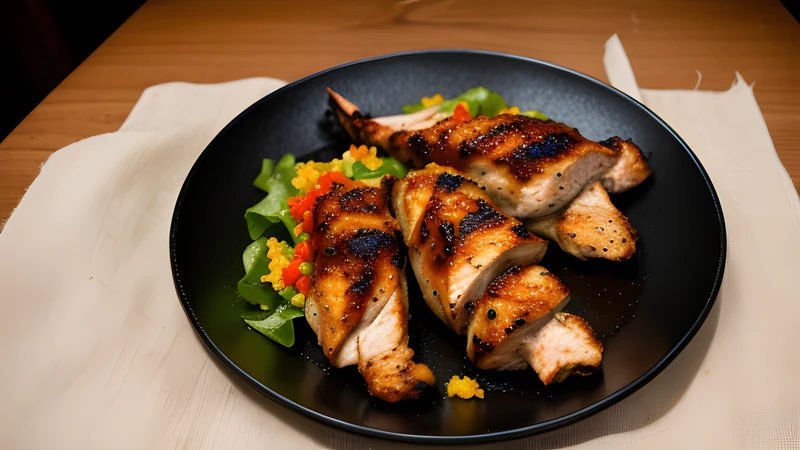
Serving. Chop the cooked chicken straight through the bone with a cleaver, Jamaican-style, so every piece carries skin and smoke. Rice and peas is the classic partner, along with festival, a plain slaw and a scorching Scotch bonnet sauce for the brave; a few grilled corn cobs and a wedge of lime finish the plate.
Storage. The uncooked marinated chicken holds for two days in the fridge and freezes well for a month. Cooked jerk keeps three days and reheats best in a hot oven to re-crisp the skin. The blended marinade itself keeps a week refrigerated and is excellent brushed onto anything headed for the grill.
Once you have jerk in your repertoire it opens up a whole island supper. Round it out with a pot of pelau, balance the richness with sharp escovitch fish on the side, or follow it with coconut rundown the next day. The recipe will never end the arguments, and it was never trying to. It is meant to fill your kitchen with allspice smoke and give you something dark, fiery and deeply savoury to chop up and hand round while everyone tells you how their grandmother did it better.
Related Content