Gremolata: The Three-Ingredient Garnish That Lifts Everything
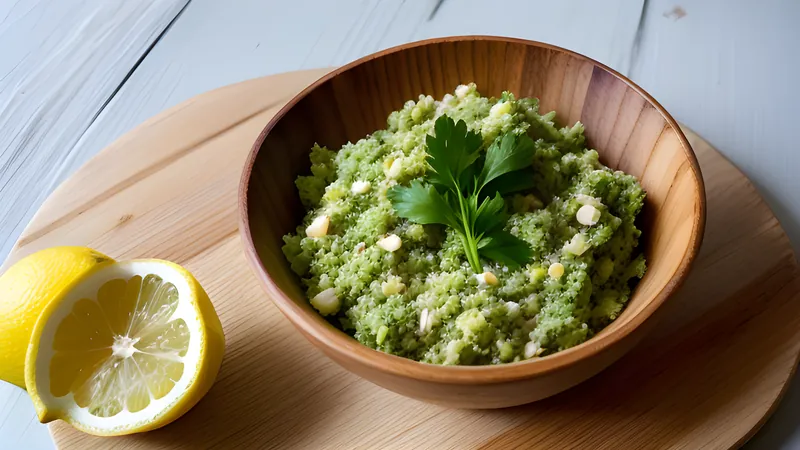
Lemon, garlic and parsley, finely chopped
Contents
↓ Jump to recipeThree ingredients, a board, a sharp knife and ten minutes: that is the whole of gremolata, and it is one of the highest returns on effort in the kitchen. Parsley, lemon zest and garlic, chopped together until fragrant and bright, then scattered over something rich just before it reaches the table. It cuts through fat, sharpens flavour and drops a jolt of freshness onto a dish that a squeeze of lemon alone cannot match. My one small twist is a little orange zest alongside the lemon, for a rounder, deeper citrus lift that softens the edge without dulling the sharpness.
Gremolata: The Three-Ingredient Garnish That Lifts Everything
Ingredients
- 1 large bunch flat-leaf parsley, leaves only (about 30g picked)
- Finely grated zest of 1 unwaxed lemon
- 1 small garlic clove
- 0.25 tsp flaky sea salt
- 0.5 tsp finely grated orange zest (the twist)
Method
- Finely grate the zest of 1 unwaxed lemon, taking only the bright yellow layer and none of the bitter white pith.
- Grate 0.5 tsp orange zest and add it to the lemon zest for an extra layer of fragrance.
- Crush 1 small garlic clove to a paste with a 0.25 tsp pinch of flaky salt, or grate it very finely on a microplane.
- Chop about 30g picked parsley leaves finely, then add the garlic, lemon zest and orange zest and chop again for 30 seconds until well combined.
- Taste and add a little more salt if needed, keeping it sharp and fresh.
- Scatter generously over the finished dish in the last minute before serving.
Method
- Finely grate the zest from the lemon, taking only the bright yellow outer layer. The white pith beneath is bitter, so go lightly and stop before you reach it. You want about 1 teaspoon of zest.
- Grate about 0.5 tsp orange zest the same way and add it to the lemon; it softens and deepens the citrus note.
- Crush the garlic to a smooth paste with a 0.25 tsp pinch of flaky salt using the flat of a knife, or grate it very finely on a microplane. You want it evenly dispersed, with no raw chunks.
- Pile about 30g of picked parsley leaves on a board and chop them finely. Add the garlic, lemon and orange zest, then run your knife through everything together for about 30 seconds until well mixed and fragrant.
- Taste, and add a little more salt if it needs it. It should read sharp, green and alive.
- Scatter it generously over your finished dish in the last minute before serving, while it is at its freshest.
Why the technique matters
The single most important rule is timing: make gremolata at the last minute. It is at its best within an hour or two of chopping. Left longer, the cut garlic oxidises and turns harsh and slightly bitter, and the parsley wilts and loses its lift, so a bowl made in the morning for an evening meal is a shadow of a fresh one. Chop it while your main dish rests.
Use flat-leaf parsley rather than curly. It has more flavour, and the flatter leaves chop cleanly instead of bruising into a damp green paste the way curly parsley tends to. Dry the leaves well before chopping, too — wet parsley smears rather than cuts, and you want distinct little flecks, not a purée.
An unwaxed lemon is worth seeking out, since you are eating the zest raw and the wax on treated fruit carries a faint chemical note. If you can only find waxed lemons, scrub them hard under warm water first. And take the garlic seriously: because it is raw, a big clove or a coarsely chopped one will dominate and turn acrid. One small clove, crushed to a paste with salt so it disperses evenly, is plenty for a whole bunch of parsley.
There is a real difference between hand-chopping and grating on a microplane, and it is worth knowing which you want. A microplane turns garlic and zest into a fine, almost wet pulp that distributes evenly and reads gently through the mix — good when you want the gremolata to melt into the surface of a braise. Chopping everything together by hand on a board leaves slightly larger flecks with more texture and a sharper, more distinct hit of each element, which is what I prefer scattered over roast fish or grilled vegetables. Neither is wrong; they simply give you a different result, so choose according to the dish. Whichever you use, salt the garlic before you crush or grate it — the abrasive salt crystals help break the clove down to a smooth paste and draw out its moisture, so it disperses instead of sitting in raw nuggets.
One more small thing: gremolata wants to be dry, not wet. Do not add oil, and do not add lemon juice. It is a dry, fragrant rubble of zest and herb and garlic, and the moment you slacken it with liquid it becomes a salsa or a dressing, which is a different and perfectly good thing but not gremolata. The whole point is that concentrated, undiluted hit landing on top of something already saucy or rich.
Substitutions and variations
Treat this as a template rather than a fixed formula. Swap the parsley for mint against lamb, or basil against tomatoes and fish. Add a little finely chopped rosemary and the zest works beautifully over roast lamb. Fold in a spoonful of toasted breadcrumbs or chopped toasted almonds and you gain crunch, turning a garnish into something closer to a topping. A version with finely grated fresh horseradish stirred through is superb over roast beef.
If you keep quick pickled red onions in the fridge, a spoonful of gremolata scattered alongside them turns a plain bowl of beans or lentils into something with real brightness and bite.
Where to use it
Ossobuco is the classic, but gremolata long ago earned wider use. It is brilliant over grilled or roasted fish, roast chicken, braised greens, a bowl of white beans or lentils, a rich risotto, or almost anything slow-cooked and savoury that could use a spark. Scatter it over roasted carrots or a tray of charred cauliflower and a plain side becomes a talking point.
The trick to using it well is to match the garnish to the richness underneath. A fatty, marrow-heavy braise like ossobuco can take the full-strength version, garlic and all. A more delicate piece of grilled white fish wants a lighter hand — go easy on the garlic and lean on the zest, or the raw allium bulldozes the fish. Braised greens and beans sit somewhere in between, and this is where I use it most often: a bowl of borlotti beans stewed with a little tomato and olive oil is a plain, honest thing until you scatter gremolata over the top, at which point it tastes like it came from somewhere much fancier than my kitchen. The same goes for lentils, for a plain risotto bianco, and for roasted root vegetables that need a green lift.
It also freezes surprisingly well if you must make it ahead, though I would rather you did not. Pack it into a small tub and freeze it flat; it loses a little of the parsley’s brightness but keeps the citrus and garlic largely intact, and it is far better than a batch left sitting at room temperature all afternoon going harsh. Thaw it in the fridge and use it the same day, and accept that a freshly chopped batch will always be better.
Keep the idea in your back pocket rather than filing it under one recipe. Once you get used to reaching for a bright, raw, citrus-and-garlic hit at the end of cooking, a great deal of your everyday food gets quietly better for the sake of ten minutes with a knife.
Related Content