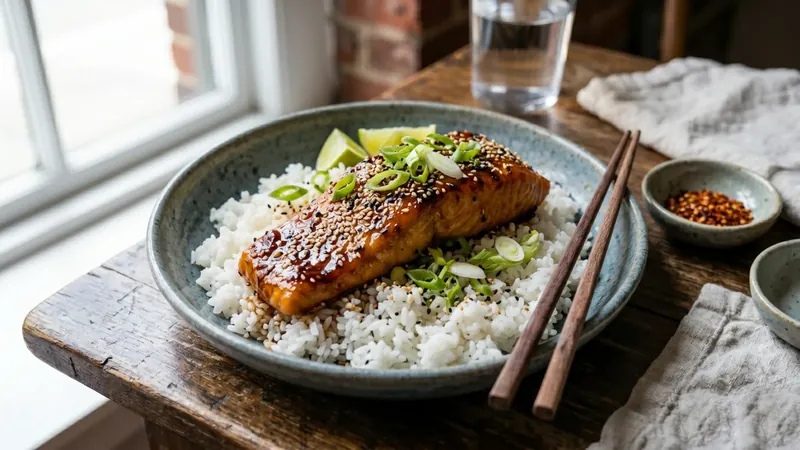
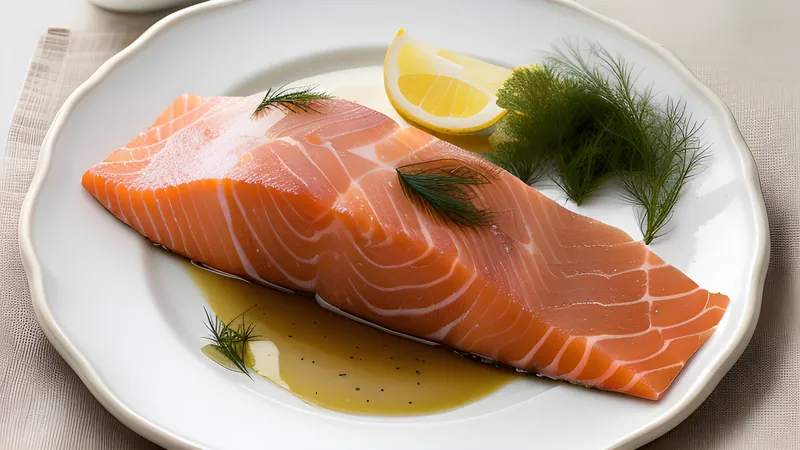
Gravlax: Salmon Cured With Dill and Aquavit
Three days, a heavy weight, and the best fish you will ever make without heat
Contents
↓ Jump to recipeGravlax is the recipe that made me stop being frightened of raw fish. There is no oven, no pan, no thermometer and no moment where it can catch and burn. There is a fillet, a bowl of salt and sugar, a fistful of dill, and three days of doing almost nothing. The salt does the work while you get on with your week.
The twist here is toasted caraway. Most gravlax cures use white pepper and dill and stop there, which gives you a clean, slightly floral fish. Sixty seconds of caraway in a dry pan adds a warm, faintly aniseed note that sits underneath the dill and makes the whole thing taste like it came from further north than it did. It also echoes the aquavit, which is caraway-forward by definition, and the two together give the cure a spine.
Gravlax: Salmon Cured With Dill and Aquavit
Ingredients
- 1 kg salmon fillet, centre cut, skin on, pin-boned
- 90 g caster sugar
- 75 g coarse sea salt
- 2 tsp caraway seeds, toasted and roughly crushed
- 1.5 tsp white peppercorns, coarsely crushed
- 100 g fresh dill, stalks and fronds, roughly chopped
- 3 tbsp aquavit (or vodka)
- 1 tsp finely grated lemon zest
Method
- Toast the caraway seeds in a dry pan over medium heat for 60–90 seconds until fragrant, then crush coarsely in a mortar with the white peppercorns.
- Mix the sugar, salt, crushed caraway, crushed pepper and lemon zest in a bowl.
- Run your fingertips along the fillet against the grain and pull any remaining pin bones with tweezers. Pat the fish completely dry.
- Lay a double sheet of cling film in a shallow dish. Scatter a third of the dill over it. Place the salmon skin-side down on the dill.
- Rub the aquavit over the flesh, then pack the salt-sugar cure evenly across the surface, heaviest over the thick centre and thinnest at the tail.
- Pile the remaining dill on top. Wrap the fillet tightly in the cling film, folding the edges under.
- Set a board or tray on top and weigh it down with roughly 1.5 kg — two tins and a bag of flour is fine. Refrigerate.
- After 12 hours, unwrap, baste the fish with the brine that has collected, re-wrap and turn it over. Repeat every 12 hours.
- Cure for 48 hours for a soft, sashimi-like centre or 72 hours for a firmer, more traditional texture.
- Unwrap, scrape off the dill and cure, and pat the fillet dry. Do not rinse under the tap unless the surface tastes aggressively salty.
- Press a fresh handful of chopped dill onto the flesh side. Slice on a shallow angle, away from the skin, into slices 2–3 mm thick.
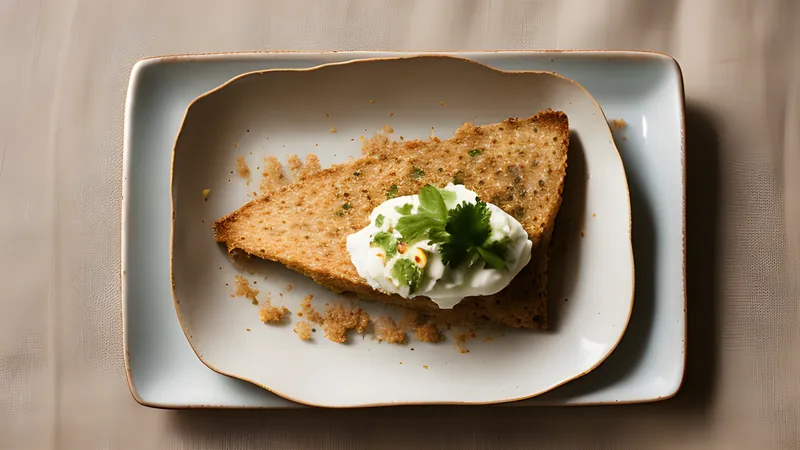
- Serve with mustard-dill sauce and rye bread. Keeps wrapped in the fridge for 5 days.
Buried fish and the name that gives it away
The word tells you exactly what the technique used to be. Grav is grave, lax is salmon: buried salmon. Scandinavian fishermen in the medieval period packed salmon in salt and sand above the tide line and left it to ferment, which produced something closer to the modern Swedish surströmming than to the silky pink stuff on your Christmas table. Fermented fish keeps. Fermented fish also announces itself from across a room.
The version we make now is a much later invention, dating from roughly the eighteenth century onwards, when salt became cheap enough to use generously and sugar arrived in Nordic kitchens in quantity. Sugar changed everything. Salt alone draws water out and leaves the flesh dense and dry — that is what salt cod is. Sugar competes for the same water while softening the protein structure, so a cure that is roughly half sugar by weight pulls out moisture without turning the fillet into a plank. The result is firm but yielding, the texture that makes gravlax worth three days.
By the nineteenth century gravlax had moved from a preservation method to a delicacy served at Swedish celebration tables, and the burial had become a metaphor. Nobody buries anything now. You wrap it and put a bag of flour on top.
The dish spread across the whole region and picked up local accents. Danes lean sweeter and sometimes add a slug of gin. Finns often serve theirs with new potatoes and call it graavilohi. In Norway, gravlaks frequently gets more pepper and less sugar. All of them are the same idea: cold fish, salt, sweetness, herb.
The ratio, and why I use this one
My cure is 90 g sugar to 75 g salt per kilo of fish — sugar slightly ahead. That ratio gives a fillet you can eat in generous slices rather than shavings. If you want something saltier and firmer, closer to what an older Swedish cook would recognise, invert it: 90 g salt to 75 g sugar, and stop at 48 hours.
Use coarse sea salt. Fine table salt has a much higher density, so a gram-for-gram swap is fine but a spoon-for-spoon swap will oversalt the fish badly. Iodised salt gives a faint metallic edge to anything cured for days. Avoid it.
Weight matters more than people expect. The 1.5 kg pressing does two jobs: it keeps the fillet in constant contact with its own brine, and it compacts the flesh so the slices hold together on the knife. Cure a fillet unweighted and you get a fish that is perfectly edible and slightly woolly, and you will not know what went wrong.
Buying the fish
Ask for a centre cut. The tail end tapers, which means it cures faster than the rest and turns dry and salty by the time the thick end is ready. If a centre cut is not available, buy the tail piece separately and pull it out of the cure twelve hours early.
Freezing is the honest bit. If you are serving anyone pregnant, elderly, very young or immunocompromised, freeze the fillet at −20°C for at least 24 hours first, or buy fish that has already been frozen at sea. Curing is not cooking; salt inhibits parasites unreliably at these concentrations and over these timescales. Most farmed Atlantic salmon in northern Europe is raised on feed that makes parasites vanishingly unlikely, and a great deal of it has been blast-frozen anyway. Ask the fishmonger. They will tell you, and they will not think less of you for asking.
Skin on, always. The skin gives you something to slice against and keeps the underside from disintegrating during the turns.
Making it, start to finish
Toast the caraway first, while the fish is still in its paper. A dry pan over medium heat, 60 to 90 seconds, shaking constantly — you are waiting for the smell to change from dusty to warm and slightly citrus. The moment it does, tip the seeds into a mortar. Left in the hot pan they will keep cooking and turn bitter within thirty seconds. Crush them coarsely with the white peppercorns, so you can still see the shape of each seed. Powder disappears into the fish; fragments give you an occasional deliberate burst.
Stir the sugar, salt, caraway, pepper and lemon zest together. It should look like wet sand. Now go over the fillet with your fingertips, running them from the head end towards the tail against the grain — pin bones stand up as you push against them, and tweezers pull them cleanly if you grip close to the flesh and draw them out along the angle they lie at rather than straight up.
Pat the salmon bone dry with kitchen paper. Any surface water dilutes the cure in the first hour, exactly when you want it at its most aggressive.
Lay out a double sheet of cling film big enough to wrap the fillet twice over. Scatter a third of the dill across the middle and lay the fish on it, skin down. Rub the aquavit into the flesh with your palm. It penetrates barely a millimetre and contributes nothing preservative; its whole job is to carry the caraway and coriander notes distilled into it. Then pack the cure on. Heavy across the thick centre, thin at the tail, and press it down rather than sprinkling it, so it sticks.
Pile on the rest of the dill. Wrap tightly, fold the ends under, and lower it into a dish with sides — brine will find any gap in the film and you would rather it pooled in a dish than under your salad drawer. Board on top, weight on the board, fridge.
Every twelve hours, unwrap, spoon the brine back over, re-wrap, and flip. Four turns gets you to 48 hours and a soft centre. Six gets you to 72 and the firmer, more traditionally Swedish texture, which is the one I make.
What the salt is actually doing
Two things, in sequence. In the first hours, osmosis pulls free water out of the flesh and the fillet loses roughly 10 to 15 per cent of its weight as brine. That alone would give you dry fish. What follows is the useful part: salt at these concentrations denatures the muscle proteins, unfolding them so they bind to each other in a loose network. That network is what turns translucent raw salmon opaque-pink and gives cured fish its particular springy slice. It is the same chemistry that firms up a brined chicken breast, run much slower and much further.
Sugar interrupts the drying without interrupting the denaturing. It is hygroscopic, so it holds some of the drawn-out water at the surface as syrupy brine rather than letting it evaporate, and the fillet reabsorbs a portion of it on every turn. That is why basting matters and why an unbasted fillet ends up noticeably drier at the edges.
Aquavit contributes almost nothing preservative — three tablespoons across a kilo of fish is far below any concentration that would inhibit anything. It is a flavour carrier. Alcohol dissolves aromatic compounds that water cannot, so the caraway and dill oils it picks up travel a millimetre or two further into the flesh than they otherwise would.
Where it goes wrong
The fish is soupy after a day. That is correct. A kilo of salmon will throw off 100–150 ml of brine. Baste with it. That liquid is the flavour going back in, and pouring it away costs you the dish.
It tastes flat. Under-cured. Give it another 12 hours and taste a thin slice from the thin end each time. Gravlax is completely forgiving of extra time up to about 96 hours.
It tastes like a mouthful of seawater. Over-cured, or fine salt used by volume. Slice it very thin and serve it on buttered rugbrød, which is exactly what the salt wants. Rinsing helps in an emergency, though it costs you some of the dill.
The slices tear. Your knife is blunt or your angle is too steep. You want a long, thin blade and a slice almost parallel to the board, drawn towards you in one movement. A serrated bread knife is a genuinely acceptable substitute for a slicing knife here; a chef’s knife is not.
Variations worth making
Beetroot gravlax. Grate 150 g of raw beetroot into the cure. The outer centimetre of the fillet stains a violent magenta and the slices look like stained glass. It adds a mineral sweetness that suits the caraway.
Juniper and gin. Swap the aquavit for gin and crush 10 juniper berries into the cure. Better with sea trout than salmon.
Whisky and brown sugar. Replace half the caster sugar with soft light brown and use a peaty Islay whisky. This is a Scottish idea rather than a Nordic one, and it is very good on a dark loaf.
Citrus. Double the lemon zest and add the zest of an orange. Lighter, more of a summer plate.
Serving it
The mustard-dill sauce is compulsory, and it deserves its own attention — the Swedish version, hovmästarsås, is a mustard, vinegar and oil emulsion with enough sugar to meet the fish halfway.
Beyond that: rye bread, butter, boiled new potatoes with dill, a wedge of lemon, and something cold and juniper-scented in a small glass. Gravlax is also the best possible neighbour on a plate of inlagd sill, where the pickled herring’s vinegar sharpness plays against the salmon’s sweetness. If you are building a full smörgåsbord, the two of them plus Janssons frestelse covers cold, sharp and hot in three dishes.
Leftovers, if you have any, go into scrambled eggs off the heat at the last second, or onto a slice of knäckebröd with soured cream.
Storage
Wrapped tightly in fresh cling film, the cured fillet holds 5 days in the fridge. Slice to order; a whole fillet keeps far better than a plate of slices, which dry at the edges within hours.
It freezes well too. Cure it fully, wrap it in cling film and then foil, and freeze for up to two months. Thaw overnight in the fridge. The texture loses perhaps five per cent, which nobody at your table will detect.
Start it on a Thursday morning. Sunday lunch will look like you tried far harder than you did.
Related Content