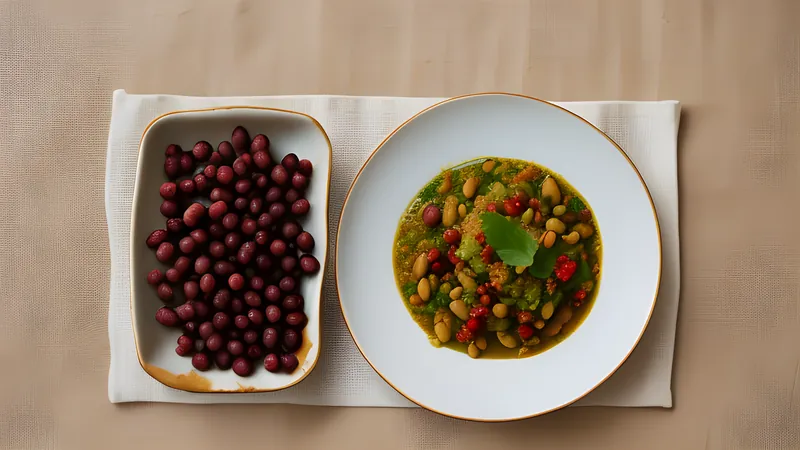
Gatte ki Sabzi: Gram Flour Dumplings in Yoghurt
Steamed, sliced and fried besan dumplings simmered in a tangy yellow gravy

Contents
↓ Jump to recipeGatte ki sabzi solves a problem that comes up again and again in Rajasthan’s dry, water-scarce kitchens: how to make a satisfying curry with vegetables, and dairy that spoils fast, when both are unreliable. The answer is gram flour, rolled into logs, poached, sliced and simmered in a tangy yoghurt gravy that owes nothing to a vegetable patch. It tastes far richer than its ingredient list suggests, and it keeps for days without a fridge full of fresh produce behind it.
Gatte ki Sabzi: Gram Flour Dumplings in Yoghurt
Ingredients
- 200g gram flour (besan), sieved
- 2 tbsp yoghurt, for the dough
- 1 tsp ajwain (carom seeds)
- 0.5 tsp ground turmeric
- 0.5 tsp red chilli powder
- 0.5 tsp salt
- 3 tbsp oil, melted or softened, for the dough
- About 3 tbsp water, to bind
- 300g plain yoghurt, whisked smooth
- 2 tbsp gram flour, for the gravy
- 500ml water, plus more to loosen
- 3 tbsp ghee or oil
- 1 tsp mustard seeds
- 1 tsp cumin seeds
- Pinch of asafoetida
- 2 dried red chillies
- 10 curry leaves
- 1 tsp ginger paste
- 0.5 tsp ground turmeric, for the gravy
- 0.5 tsp red chilli powder, for the gravy
- 1 tsp coriander powder
- Salt, to taste
- 2 tbsp chopped coriander, to finish
Method
- Mix the gram flour, 2 tbsp yoghurt, ajwain, turmeric, chilli powder, salt and oil into coarse crumbs, then add water a spoonful at a time until it forms a firm, smooth dough. Knead for 2 minutes.
- Divide the dough into 4 pieces and roll each into a thin log about 2cm thick and 15cm long.
- Bring a wide pan of water to a gentle simmer (not a rolling boil). Lower in the logs and poach for 15-18 minutes, turning once, until firm and no longer doughy inside.
- Lift the logs out with a slotted spoon, reserving 250ml of the cooking water, and cool for 5 minutes before slicing into 2cm rounds.
- Whisk the 300g yoghurt with the 2 tbsp gram flour and the 500ml water until completely smooth and lump-free.
- Heat the ghee in a pan over a medium heat. Add the mustard seeds and let them pop, then add the cumin seeds, asafoetida, dried red chillies and curry leaves.
- Stir in the ginger paste, turmeric, chilli powder and coriander powder, and fry for 30 seconds.
- Take the pan off the heat, then slowly whisk in the yoghurt mixture so it does not split; return to a low heat once fully combined.
- Bring to a gentle simmer, stirring constantly, and cook for 8-10 minutes until the gravy thickens slightly and no longer tastes raw.
- Add the sliced gatte and the reserved cooking water, season with salt, and simmer for a further 8-10 minutes so the dumplings soak up the gravy.
- Scatter with chopped coriander and serve hot.
The Story
Gatte ki sabzi belongs to the same Marwari repertoire as dal baati and ker sangri, a cuisine shaped almost entirely by the constraints of the Thar desert. Fresh vegetables were, historically, a genuine luxury in much of rural Rajasthan, especially in the hotter months when little grew and travel to market was slow. Gram flour, milled from dried chickpeas, stored indefinitely in a hot climate and turned into a dozen different dishes, was the pragmatic answer, and gatte, essentially a savoury dumpling, became one of its most inventive uses. Poaching the dough in water rather than deep-frying it kept the dish light enough to eat often rather than as an occasional treat, and the poaching liquid, folded back into the gravy at the end, meant nothing was wasted.
The gravy itself, a whisked yoghurt base thickened with a little more gram flour, is called kadhi in various forms across northern and western India, and it shares the same logic as the dumplings: a shelf-stable, fermented dairy product turned into a substantial, tangy sauce without needing fresh tomatoes or a long list of vegetables. Together, dumpling and gravy make a dish that is entirely vegetarian, keeps well, and tastes like considerably more effort went into it than actually did. Gatte ki sabzi is standard fare during Rajasthani fasting periods and festivals where meat is off the table, since it delivers a similar sense of substance and protein through gram flour and yoghurt alone, and it appears just as often on an ordinary Tuesday, since none of its ingredients need refrigeration or a special trip to market.
The two-stage cook that saves it from stodge
The single technique that separates a good gatte from a heavy, gummy one is cooking it twice: poached first, then simmered again in the gravy. Poaching the raw dough logs in barely simmering water sets the gram flour gently, without the vigorous bubbling of a rolling boil that would tear the logs apart or cook them unevenly from the outside in. Slicing only after the poached logs have cooled slightly keeps the rounds neat rather than crumbling, and returning those slices to a second, gentler simmer in the yoghurt gravy lets them absorb flavour without turning soft and waterlogged. Skip the poaching stage and try to cook the dumplings directly in the gravy, and you get a sabzi where the dumplings are gluey at the centre and the gravy is starchy and dull; the two stages are what makes the dish work.
Keeping the yoghurt gravy from splitting
Yoghurt-based gravies split easily over direct heat, curdling into an unappetising, grainy mess the moment the proteins seize up. Two things prevent it here. First, whisking the gram flour into the yoghurt before it meets any heat coats the proteins and gives the mixture some starch-based stability, the same principle behind adding cornflour to a sauce that needs to hold cream. Second, taking the tempered spices off the heat before whisking in the yoghurt, then returning the pan to a gentle simmer only once everything is combined, avoids the shock of cold dairy hitting a very hot pan directly. Stir constantly during that first return to the heat and resist the urge to walk away; a kadhi-style gravy can turn from smooth to split in under a minute if left unattended.
Ajwain, and why gram flour needs it
Ajwain, or carom seeds, turns up in almost every besan dough for a practical reason rather than a decorative one: gram flour is notoriously heavy on the stomach, and ajwain’s sharp, thyme-like pungency is a traditional digestive aid that also happens to cut through the flour’s raw, slightly beany edge. Crush the seeds lightly between your fingers before adding them to release more of their oil. Skipping the ajwain leaves the dough tasting noticeably flatter and harder to place, and it is one of those small ingredients that earns its keep far beyond its quantity. Some households work a tablespoon of finely chopped fresh methi (fenugreek) leaves or a pinch of dried kasuri methi into the gatte dough itself, which adds a faint bitterness that plays well against the tangy gravy; it is a common regional variation rather than a departure from the dish. A version fried rather than poached, gatte pakoda, exists too, though it trades the lighter, more digestible texture of the poached original for something closer to a fritter, and is better thought of as a different snack than a substitute here.
What can go wrong
An over-kneaded or over-wet gatte dough turns tough and rubbery once poached, since gram flour, unlike wheat flour, does not want extensive gluten development; mix just until the dough comes together and stop. If the dough feels sticky rather than firm, work in a spoonful more gram flour rather than pressing on, since a soft dough falls apart in the poaching water instead of holding its log shape.
A rolling boil is the other common mistake. Vigorous bubbles agitate the logs enough to crack their surface, letting the gravy in from later leak straight through and turn the gatte mushy at the edges while the centre stays underdone; keep the poaching water at a bare, gentle simmer throughout, with only the occasional bubble breaking the surface. Finally, a gravy that has been left to boil hard rather than simmer gently after the yoghurt goes in will split no matter how carefully you tempered it beforehand; once the yoghurt is incorporated, keep the heat low and the pan attended for the rest of the cook.
Kadhi-style gravies beyond this dish
The whisked yoghurt and gram flour base used here for the gatte gravy is the same technique behind plain Rajasthani and Gujarati kadhi, served on its own over rice with nothing added but the tempering spices, and behind pakora kadhi, where fritters take the place of the dumplings. Once you have the base technique down, that same tangy, golden gravy becomes a template for using up almost anything that needs a home: leftover vegetable pakoras, boiled potatoes, or even hard-boiled eggs all work dropped into a fresh batch of the same yoghurt gravy in place of gatte.
Substitutions, storage and serving
No curry leaves to hand? The dish will lose a little fragrance but still work; a bay leaf added with the mustard seeds is a reasonable, if quieter, stand-in. Full-fat yoghurt gives the gravy more body and is worth using over low-fat versions, which tend to split more readily under heat. Slightly sour, well-fermented yoghurt actually works in the gravy’s favour here, giving it more tang than a very fresh batch would, so this is a good dish to make with yoghurt that has sat a day or two longer than you would want for eating plain. A pinch of sugar stirred in at the end is a common household fix if the yoghurt runs unexpectedly sharp, balancing the sourness without needing to start the gravy again. Gatte ki sabzi keeps for up to three days in the fridge, and the flavour if anything improves overnight as the dumplings continue to soak up the gravy; it does not freeze well, since the yoghurt-based sauce tends to separate on thawing.
Serve it with steamed rice or, for a fully Marwari spread, alongside the baked wheat rounds from dal baati churma. If you enjoy what gram flour can do, the crisp, layered ribbons of khandvi and the steamed, fluffy squares of khaman dhokla show two entirely different directions the same humble flour can take.
Related Content