Naan with Garlic Butter and Coriander
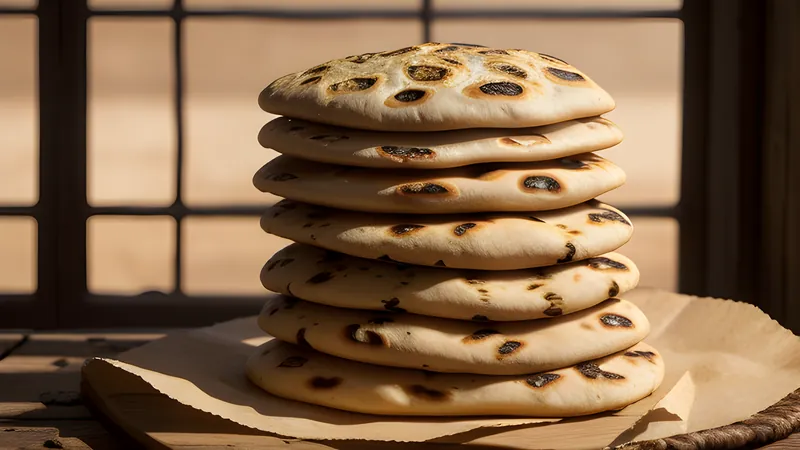
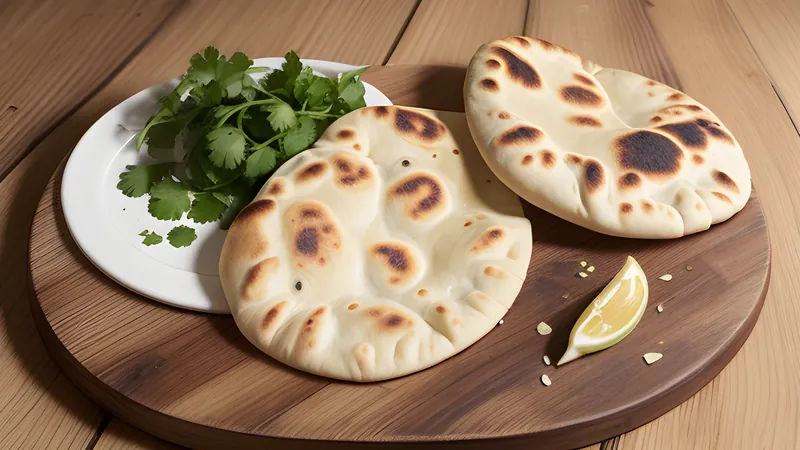
blistered, pillowy flatbread drenched in garlicky butter
Contents
↓ Jump to recipeThere are nights when a curry is only ever an excuse for the naan. I will happily admit it. The dish in the bowl is lovely, but the thing I actually want is a piece of blistered, garlicky flatbread, hot enough to almost burn my fingers, dragged through whatever sauce is going. For years I assumed proper naan needed a tandoor and a special hand, and I bought packets that went leathery before they reached the table. Then I learned that a screaming-hot frying pan and a bit of yoghurt get you ninety percent of the way there, and I have not bought a packet since.
Naan with Garlic Butter and Coriander
Ingredients
- 350 g (2¾ cups) plain flour, plus extra for dusting
- 7 g (1 sachet) fast-action dried yeast
- 1 tsp caster sugar
- 1 tsp fine salt
- ½ tsp baking powder
- 120 g (½ cup) plain yoghurt
- 120 ml (½ cup) warm milk
- 2 tbsp neutral oil
- 60 g (¼ cup) unsalted butter
- 4 fat garlic cloves, finely grated
- Small handful fresh coriander, finely chopped
- Flaky sea salt, to finish
Method
- Mix flour, yeast, sugar, salt and baking powder. Add yoghurt, warm milk and oil, then bring together into a soft dough.
- Knead 8 minutes until smooth and supple. Cover and prove 1–1½ hours until doubled.
- Divide into 6 pieces, ball them up, cover and rest 15 minutes.
- Melt the butter gently with the grated garlic over low heat for 2 minutes, then stir in half the coriander.
- Roll each ball into a teardrop about 5 mm thick on a lightly floured surface.
- Heat a heavy frying pan or cast-iron skillet until very hot. Lay a naan in dry and cook 1–2 minutes until big bubbles form.
- Flip and cook the other side until charred in spots and puffed.
- Brush each hot naan generously with garlic butter, scatter with remaining coriander and a pinch of flaky salt. Keep warm under a cloth.
What makes a naan a naan
Naan is a leavened flatbread whose name comes from the Persian word for bread, and it travelled the old trade and Mughal routes into the Indian subcontinent and Central Asia. The earliest recorded mention in India is often credited to the poet Amir Khusrau in the fourteenth century, at the court of Delhi, where naan was very much a luxury food of the nobility rather than everyday fare; ordinary households ate the unleavened chapati or roti cooked on a griddle. It was the tandoor, the tall clay oven, that made naan what it is: dough slapped onto the searing wall where it puffs and chars in under a minute, the underside blistering against the clay while the top cooks in the fierce radiant heat.
The leavening and the enrichment are what set it apart from a plain chapati. Yoghurt is the heart of it: it brings a gentle tang, its acidity tenderises the dough by weakening the gluten, and it helps create that soft, pillowy chew. A little yeast and a pinch of baking powder give the puff and the characteristic bubbles that scorch and blister. Some cooks use egg or milk to enrich it further, as I do here with warm milk, which softens the crumb.
You cannot easily build a tandoor in a normal kitchen, but you can fake the conditions. A heavy cast-iron pan, or any thick frying pan, heated until it is genuinely fierce, mimics that fast, intense heat. The trick is to get the pan properly hot before the first naan goes in, then work quickly. The naan goes in dry, bubbles up dramatically as the trapped steam expands, and takes on those lovely black-brown spots in a minute or two a side. Some cooks flip the pan-cooked naan directly over a gas flame for a few seconds to chase extra char, which works beautifully if you have a gas hob and a steady hand. It is honestly one of the most satisfying things to cook on a normal weeknight.
Method
- Mix the flour, yeast, sugar, salt and baking powder in a bowl. Add the yoghurt, warm milk and oil, then bring together into a soft dough.
- Knead for 8 minutes until smooth and supple. Cover and prove for 1 to 1½ hours until doubled in size.
- Divide into 6 pieces, ball them up, cover and rest for 15 minutes.
- Melt the butter gently with the grated garlic over a low heat for 2 minutes, then stir in half the coriander.
- Roll each ball into a teardrop about 5 mm thick on a lightly floured surface.
- Heat a heavy frying pan or cast-iron skillet until very hot. Lay a naan in dry and cook for 1 to 2 minutes until big bubbles form.
- Flip and cook the other side until charred in spots and puffed.
- Brush each hot naan generously with garlic butter, scatter with the remaining coriander and a pinch of flaky salt. Keep warm under a cloth while you cook the rest.
The twist: garlic butter, finished hot
Garlic naan is hardly a new idea, but the way most recipes handle the garlic is a missed opportunity. They knead it raw into the dough, where it cooks out to almost nothing. I do the opposite. I make a quick garlic butter, melting butter gently with a great deal of finely grated garlic, just long enough to take the raw edge off but keep all the fragrant punch, then brush it over the naan the moment they come off the heat.
This is the move. Hot bread drinks up that butter, the garlic perfumes the whole kitchen, and because it never sat over high heat it stays sweet and aromatic rather than bitter. I hold strong opinions about garlic generally, and this is one of them: garlic added at the end keeps its soul. Four fat cloves for six breads is not a typo. Trust me, or rather, trust the garlic. Fresh coriander stirred into the butter and scattered over the top adds a clean, herby lift that cuts through all that richness.
Getting the dough right
The dough should be soft and a touch tacky, not stiff. A wetter dough makes a more tender naan, so resist the urge to keep adding flour while kneading. Let it prove until properly doubled, then divide and let the balls rest before rolling, which relaxes the gluten so they roll out and stay rolled out instead of shrinking back.
Roll them unevenly on purpose, a little thicker in patches, so you get a mix of crisp thin bits and soft puffy bits. The classic teardrop shape comes from gently stretching one end as you transfer the dough, though a rough oval is perfectly authentic too. Make sure your pan is hot before the first one goes in. The first naan is often the sacrificial test piece while the pan finds its temperature, and that is fine; consider it the cook’s perk.
What goes wrong, and why
If your naan come out flat and tough rather than puffed, the usual culprit is a pan that was not hot enough. Naan need that fierce, sudden heat to turn the surface moisture to steam fast enough to inflate the dough before the outside sets. A dry pan, no oil, heated for a good few minutes until a flick of water dances and evaporates instantly, is what you want. Second most common is over-flouring during kneading, which gives a stiff dough that cannot stretch and puff; the dough should stay soft and slightly tacky.
If the garlic in your butter tastes harsh or bitter, you cooked it too long or too hot. The point of melting it gently for just two minutes is to soften the raw bite while stopping well short of browning, because browned garlic turns acrid and that flavour will dominate the whole batch. Keep the heat low and pull it off the moment it smells fragrant. And if the naan tear as you lift them, they have been rested too little; that fifteen-minute rest relaxes the gluten so the dough stays where you roll it.
Serving and keeping warm
The enemy of homemade naan is the gap between the pan and the plate, where it cools and stiffens. Brush each one with garlic butter the instant it is done and stack them under a clean tea towel, which steams them gently and keeps them soft and pliable while you finish the batch. If you are cooking for a crowd, you can hold the whole stack, wrapped in the towel, in a very low oven at around 100°C for up to twenty minutes without them drying out. Warm your serving plates too; a cold plate saps the heat and the softness out of a naan faster than anything.
They are made for scooping up dal, curry, or a simple bowl of yoghurt and pickle, but I will not pretend I have not eaten one folded around nothing but more garlic butter, standing at the hob. They are the natural partner to a rich, saucy curry: my butter chicken practically demands a stack of these for mopping the pan clean.
Substitutions and make-ahead
If you have no yeast, you can make a quicker version leavened only with baking powder and a little extra yoghurt; it will be denser and less airy but still good. Dairy-free? Use a plant yoghurt and plant milk, and a vegan block butter for the finish, though I would add an extra pinch of salt to compensate for the missing dairy savour. The dough can be made the night before and left to prove slowly in the fridge, which actually improves the flavour; bring it back to room temperature for half an hour before rolling.
Any naan that survive reheat well, wrapped in foil in a hot oven for five minutes or flashed back over the pan. You can also freeze cooked, cooled naan in a bag for up to a month and reheat from frozen. Because it leans on the same brown-butter-finished-at-the-end principle that runs through so much of my baking, if you enjoy this you will likely enjoy my browned butter carrot cake, where the butter is coaxed to nutty gold before it ever meets the batter.
Make extra. There is no such thing as too much garlic naan, only naan you have not eaten yet.
Related Content