Ful Medames: Spiced Fava Beans for a Proper Egyptian Breakfast
Slow-simmered, garlicky and lemon-bright
Contents
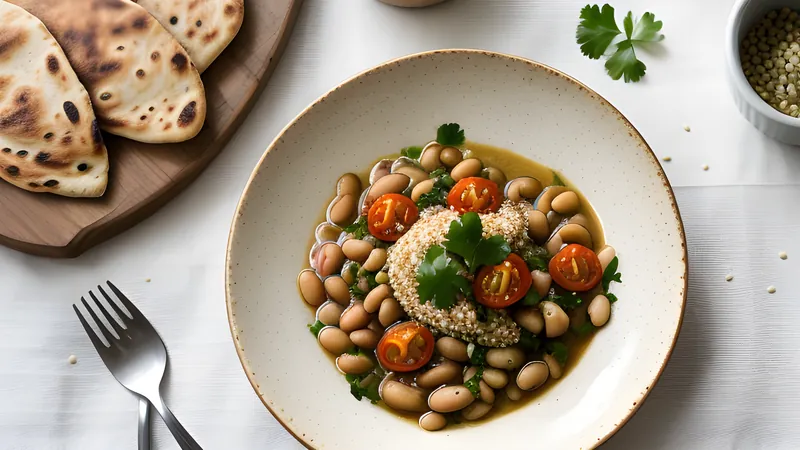
↓ Jump to recipeFul medames is the breakfast that wakes up a good part of the world. Slow-cooked fava beans, smashed just enough to turn creamy, lifted with garlic, cumin and a generous squeeze of lemon, then drowned in good olive oil. It is humble, filling and deeply satisfying, the kind of dish that costs almost nothing yet tastes like a proper meal. Scooped up with torn flatbread, it sets you up for the whole day, and my one small twist of toasted sesame seeds adds a nutty crackle that earns its place.
Ful Medames: Spiced Fava Beans for a Proper Egyptian Breakfast
Ingredients
- 2 x 400g tins fava beans (ful medames), drained
- 3 garlic cloves, crushed
- 1 tsp ground cumin, plus extra to serve
- 0.5 tsp chilli flakes, or to taste
- 0.5 tsp fine salt
- Juice of 1 lemon, plus wedges to serve
- 3 tbsp extra-virgin olive oil, plus more to finish
- 150ml water
- 2 ripe tomatoes, finely diced
- Small handful flat-leaf parsley, chopped
- 1 tsp toasted sesame seeds, to finish (the twist)
- Warm flatbread, to serve
Method
- Tip the drained fava beans into a saucepan with the water and bring to a gentle simmer over a medium heat.
- Stir in the crushed garlic, cumin, chilli flakes and salt, and simmer for 15 minutes until soft and thickened.
- Mash about a third of the beans against the side of the pan to thicken the sauce while leaving texture.
- Stir in the lemon juice and 2 tablespoons of the olive oil, then taste and adjust the salt and lemon.
- Spoon into bowls and top with diced tomato, parsley, a dusting of cumin and the remaining olive oil.
- Scatter over the toasted sesame seeds and serve hot with warm flatbread and lemon wedges.
Why the technique works
Two things turn a tin of beans into proper ful. The first is the partial mashing. Crushing about a third of the beans releases their starch into the cooking liquid, which thickens it into a silky sauce that coats the whole beans left intact, giving you both creaminess and texture in one spoonful. Mash the lot and you have a purée; mash none and you have beans in thin water. A third is the sweet spot.
The second is seasoning at the table, not just in the pot. Fava beans are mild and faintly earthy, almost bland on their own, and they need acid and salt to come alive. The lemon goes in warm so its brightness sings, and the olive oil, poured on generously at the end rather than cooked in, keeps its fruity, peppery character. This is why a bowl of ful can taste flat one minute and dazzling the next: the difference is nearly always more lemon and more salt.
Method
- Drain the fava beans and tip them into a saucepan with the water. Bring to a gentle simmer over a medium heat.
- Stir in the crushed garlic, cumin, chilli flakes and salt. Let it bubble gently for about 15 minutes, until the beans are very soft and the liquid has thickened.
- With the back of a spoon or a fork, mash roughly a third of the beans against the side of the pan. This thickens the sauce while keeping plenty of whole beans for texture.
- Stir in the lemon juice and two tablespoons of the olive oil. Now taste properly: it should be punchy with garlic and bright with lemon. Add more salt or lemon if it tastes flat.
- Spoon into warm bowls. Top each with diced tomato, chopped parsley, a pinch more cumin and a final drizzle of olive oil.
- Scatter over the toasted sesame seeds and serve straight away with warm flatbread and lemon wedges.
Tips and Variations
The seasoning is everything, so do not skip the final tasting. Ful can taste muddy and flat if it is under-salted or short on lemon, and dazzling once both are right. Be brave with the garlic too; this is not a dish that rewards timidity. If you can, crush the garlic and let it sit in the lemon juice for a few minutes before it goes in, which takes the raw edge off while keeping the punch. A pinch of sugar can balance an over-sharp lemon, and a little of the bean cooking liquid, held back rather than fully drained, loosens the finished dish to the right silky consistency if it tightens too much.
For a richer version, crumble feta over the top, or add a soft-boiled egg per bowl and let the yolk run into the beans. A spoonful of tahini loosened with a little water makes a lovely drizzle if you want something creamier; the Levantine style leans hard on this. Some cooks finish with a dollop of harissa or a tahini-garlic sauce, both excellent. Fried or hard-boiled eggs, sliced tomato and cucumber, pickles and more flatbread turn it into a full Egyptian breakfast spread.
If you cannot find tinned fava beans, they are usually stocked in Middle Eastern and larger supermarkets under the label ful medames; brown butter beans or borlotti are a passable stand-in in a pinch, though the flavour shifts. The chilli is easy to scale to taste, and cumin is non-negotiable, so buy it fresh and toast it if you have a moment, as ground cumin fades fast in the cupboard.
It keeps well, so make a big batch. It thickens in the fridge, so loosen with a splash of water when you reheat over a low heat, and refresh it with new lemon and oil before serving, as those bright flavours fade overnight. It will keep for up to four days chilled, and the base freezes well for a month, though I would add the fresh toppings only after reheating. Properly made, a bowl of ful is breakfast, lunch or a late-night supper, and it never feels like a compromise.
The twist, and why sesame
The classic finish for ful is olive oil, cumin and lemon, and it needs nothing more to be complete. My small addition is a scattering of toasted sesame seeds over the top, added right at the end so they keep their crunch. It is a nod to the tahini traditions of the Levantine versions, but kept whole rather than blended, so you get a nutty crackle against the soft beans rather than another creamy layer. Toast the seeds in a dry pan over a medium heat for two to three minutes, shaking often, until they colour and smell nutty; watch them, because they turn from golden to burnt in seconds. Sprinkle them on at the table, not in the pot, or they soften and lose the point.
Serving it as a proper breakfast
Ful is rarely eaten alone in Egypt. The full breakfast spread, the kind you would get at a street cart or a family table on a Friday morning, sets the bowl of ful in the middle and surrounds it with plates: fried or boiled eggs, wedges of tomato and cucumber, torn flatbread or the local baladi bread, salty white cheese, pickled turnips and chillies, and perhaps a plate of taameya, the Egyptian broad-bean falafel. Everyone reaches in, scoops with bread, and builds each mouthful to taste. Served this way it is genuinely a feast, and a cheap one at that, which is the whole spirit of the dish.
If you like this kind of generously spiced, bean-based cooking, my chicken shawarma leans on the same warm cumin-and-lemon flavours, and the vegetable samosa is another humble, spice-driven dish that eats far above its cost.
Related Content