Fig, Walnut and Blue Cheese Galette
Sweet, salty and rustic in one free-form tart
Contents
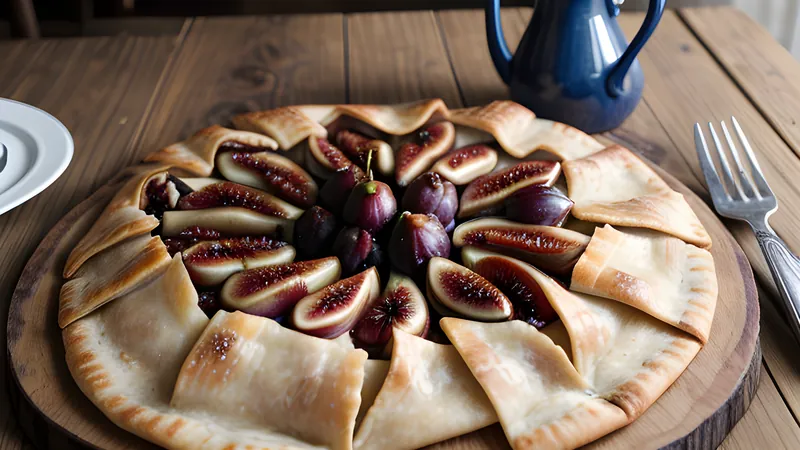
↓ Jump to recipeA galette is the answer to anyone who finds pastry intimidating. It is a tart that has given up on perfection, a single round of dough loaded with filling and folded roughly over itself, then baked free-form on a tray. No tin, no blind baking, no fretting over neat edges. The rougher it looks, the better. This particular galette pairs ripe figs with salty blue cheese, toasted walnuts and a thread of honey, and the result is the kind of sweet-savoury thing that works equally well as a light supper, a starter, or the centrepiece of a lazy weekend lunch.
Fig, Walnut and Blue Cheese Galette
Ingredients
- 200g plain flour
- 0.5 tsp fine salt
- 130g cold unsalted butter, cubed
- 60ml ice-cold water
- 1 tsp cider vinegar
- 8 to 10 ripe figs, quartered
- 120g blue cheese, such as Stilton or Gorgonzola, crumbled
- 60g walnut halves, roughly chopped
- 2 tbsp honey, plus extra to finish
- 1 tbsp fresh thyme leaves
- 1 egg, beaten, for glazing
- freshly ground black pepper
Method
- Rub or pulse the cold butter into the flour and salt until you have a coarse, flaky mixture with visible butter pieces.
- Mix the vinegar into the cold water, add to the flour, and bring together into a rough dough without overworking, then wrap and chill for at least 1 hour.
- Roll the chilled pastry into a rough 32cm circle on a lined baking tray.
- Scatter half the walnuts over the centre, leaving a 5cm border, then arrange the figs on top and tuck the crumbled blue cheese between them.
- Drizzle with honey, scatter over the thyme and a grind of black pepper, then top with the remaining walnuts.
- Fold the pastry border up and over the filling, pleating as you go, and brush the pastry with beaten egg.
- Bake at 200C fan for 35 to 40 minutes until the pastry is deep golden and the figs are jammy.
- Drizzle with a little more honey, rest for 10 minutes, and serve warm with a green salad.
What a Galette Actually Is
The galette is rustic French baking at its most relaxed, with cousins all over the country. The word covers a multitude of flat, round bakes, from the buckwheat galettes of Brittany to the almond-frangipane galette des rois eaten at Epiphany. The free-form fruit tart that most of us mean by galette today, sometimes called a crostata in Italy, grew out of farmhouse cooking, where a tart tin was a luxury and a sheet of pastry folded over fruit was simply the practical way to bake whatever the orchard had given up.
That humble origin is exactly why it suits a modern kitchen. There is no special equipment, the fillings are endlessly flexible, and the slightly haphazard, hand-folded look is the entire point. A galette that looks too tidy somehow looks wrong. This is forgiving baking, and it rewards a generous, confident hand over a fussy one.
It is worth being clear about what “galette” is not, because the word has been stretched over the years. In France it can mean the flat buckwheat pancakes of Brittany, filled with ham, cheese and egg, which are a different dish entirely; it can mean the puff-pastry galette des rois with its hidden fève, baked for Epiphany on 6 January and cut so that whoever finds the charm is crowned king or queen for the day; and it can mean a plain round of shortcrust or brioche. The free-form fruit tart we are making here is really the rustic cousin of the crostata in Italy and the “slab pie” of American home baking, and all of them descend from the same practical logic: a single sheet of pastry, some fruit, and no tin to wash up.
The Flavour Balance
Figs and blue cheese is a classic pairing for good reason. Ripe figs are honeyed, jammy and floral, with a gentle seedy crunch, and they need something sharp and salty to keep them from tipping into pure sweetness. Blue cheese provides exactly that: a salty, funky, tangy counterweight that makes the figs taste even more like themselves. The blue veins in the cheese are the mould Penicillium roqueforti, which as it grows breaks down fats and proteins into the sharp, peppery, faintly metallic compounds we read as “blue”; that same pungency is what stands up to sweet fruit without being swamped by it. Stilton, a firm English blue, gives a mineral, crumbly note and holds its shape in little salty pockets. Gorgonzola, softer and creamier, melts into the figs. Roquefort is sharper and saltier still, so use a little less. Any of them works; choose by how bold you want the tart to be, and crumble it rather than slice it so it distributes evenly.
If sweet-and-salty is a register you enjoy, it runs through a lot of good cooking, from honey drizzled over pecorino to the salted caramel that makes a salted caramel apple crumble so moreish. The galette is simply the savoury end of the same idea.
The clever twist, and the thing that pulls the whole tart together, is the walnuts. I toast them, in effect, by burying half under the filling and scattering the rest on top so they roast in the oven’s dry heat. Toasting transforms a walnut from something faintly bitter and tannic into something deep, buttery and almost sweet, because the gentle heat drives off some of the astringent tannins in the skin and triggers the Maillard browning reactions that build nutty, roasted flavour. That roasted, savoury crunch bridges the gap between jammy fruit and pungent cheese, and a final thread of honey and a generous grind of black pepper tie sweet and savoury into a single coherent mouthful. Do not skip the pepper. It lifts everything.
A note on the figs, because they are the one ingredient you cannot fake. A ripe fig gives slightly under a gentle squeeze, hangs heavy, and may show a bead of syrup at its base or a small split in the skin; that is sugar, not spoilage, and it is what you want. Figs do not ripen much once picked, so a firm, green-shouldered supermarket fig will stay bland and slightly rubbery no matter how long you bake it. If your figs are underripe, a longer spell in the oven with the honey will help coax some sweetness out, but the tart is only ever as good as the fruit. Choose the ripest you can find, and if figs are hard to come by at all, see the variations below.
Pastry Tips for a Crisp Base
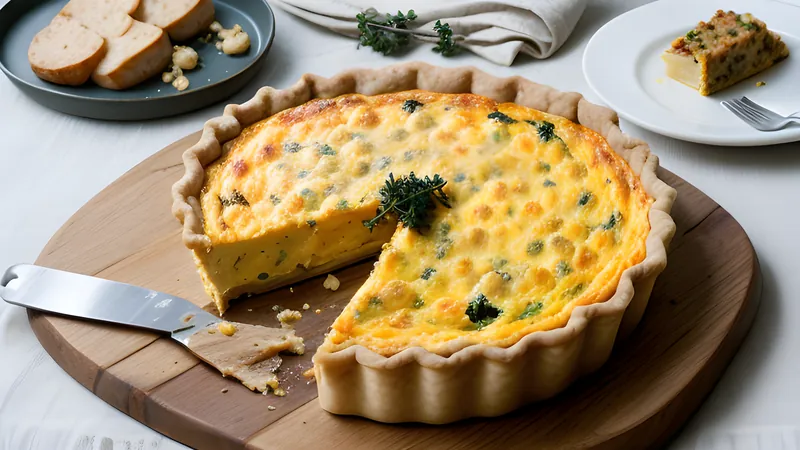
The enemy of any galette is a soggy bottom, and the wet juices of baking figs are a real threat. Three things guard against it. First, keep the pastry cold and flaky, with visible butter pieces and a splash of vinegar to keep it tender. The visible flecks of butter matter: as the galette hits the hot oven they melt and steam, pushing the layers of dough apart into flakes, which is what gives short pastry its crispness. Warm, over-worked dough where the butter has smeared into the flour cannot do that and bakes dense and greasy instead. The cider vinegar helps too, as its acid slightly inhibits gluten development and keeps the pastry tender rather than tough. This is essentially the same rough, cold-butter pastry I lean on for savoury tarts like a mushroom and Gruyère quiche; learn it once and it serves you everywhere.
Second, scatter a layer of chopped walnuts directly onto the pastry beneath the fruit. They act as a barrier, soaking up the worst of the juices and keeping the base crisp; ground almonds or a scatter of semolina do the same job if you prefer. Third, bake it hot and on the lower shelf, where the fierce bottom heat sets the pastry before the figs can flood it.
Chill the assembled galette for ten minutes before it goes in the oven if your kitchen is warm. A relaxed, cold dough holds its pleats far better and shrinks less, because the gluten has had time to relax and the butter is firm again rather than half-melted. The egg wash brushed over the folded border is not just for looks; the proteins and sugars in the egg brown deeply in the heat, giving that lacquered, deep-golden crust that makes a rustic bake look properly finished. A pinch of flaky salt scattered over the wash before baking is a good extra touch, echoing the salt in the cheese.
Serving and Variations
Let the galette rest for ten minutes out of the oven before you cut it, both to let the filling settle and because molten blue cheese is fiercely hot. Drizzle over a little more honey while it is still warm so it pools and glistens. A sharp green salad dressed with lemon and good olive oil is all it needs alongside, the bitterness of the leaves cutting through the richness; peppery rocket or bitter chicory are ideal, and a few thin slices of raw fennel add a clean, aniseedy crunch. A glass of something slightly sweet, a chilled off-dry white or even a small glass of port, picks up the honey and the blue cheese beautifully.
When figs are out of season, this galette adapts happily. Sliced pears or quartered ripe plums both stand in beautifully, keeping the same sweet-and-blue logic; a firm autumn pear with Stilton is arguably even better than the fig version. Swap the walnuts for pecans or hazelnuts as you like, and try a scattering of rosemary instead of thyme. If you love the walnut-and-honey register but want something sweeter for pudding, the same nuts turn up beautifully spiced and rolled into walnut and espresso rugelach, which makes a fine end to the same meal.
The framework, cold flaky pastry folded around sweet fruit, salty cheese and toasted nuts, is the part worth remembering. Once you have it, you can chase the seasons with it all year: figs and plums in late summer, pears and blue cheese into autumn, and in spring a sweeter version with rhubarb or apricots and a soft ricotta instead of the blue. Leftovers, if there are any, reheat well in a low oven the next day; the microwave turns the pastry to leather, so avoid it. A cold wedge with a cup of coffee at eleven the following morning is, quietly, one of the best reasons to make one at all.
Related Content