Fattet Hummus: Chickpeas Under Yoghurt and Bread
Warm chickpeas layered with crisp pita, garlicky yoghurt and toasted nuts
Contents
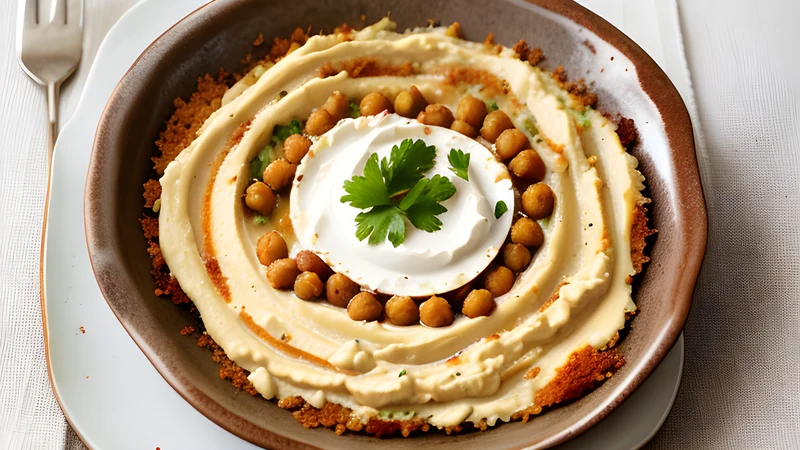
↓ Jump to recipeFatteh is one of the cleverest ideas in Levantine cooking: take yesterday’s stale bread, crisp it up, and bury it under something warm and something creamy so it turns soft in places and stays crunchy in others. Fattet hummus, the chickpea version, is the one I make most, a bowl of hot chickpeas over toasted pita, blanketed in garlicky tahini-yoghurt and finished with a slick of paprika-stained butter and toasted pine nuts. It is breakfast in Damascus and Beirut, it takes twenty minutes, and it hits every texture at once: crunchy, soft, creamy, nutty, warm and cool in the same spoonful.
Fattet Hummus: Chickpeas Under Yoghurt and Bread
Ingredients
- 2 x 400g tins chickpeas, drained (or 250g dried, soaked and cooked until very soft)
- 1/2 tsp bicarbonate of soda (if warming tinned chickpeas)
- 2 pita or flatbreads, torn into pieces
- 2 tbsp olive oil (for the bread)
- 500g thick natural yoghurt or labneh, at room temperature
- 3 tbsp tahini
- 2 garlic cloves, crushed to a paste with a pinch of salt
- Juice of 1/2 lemon
- Salt
- 50g butter
- 3 tbsp pine nuts (or flaked almonds)
- 1 tsp Aleppo pepper or sweet paprika
- 1/2 tsp ground cumin
- Handful parsley, chopped, to garnish
- Pinch of sumac, to finish (optional)
Method
- Toast the bread: toss the torn pita with 2 tbsp olive oil and a pinch of salt, spread on a tray and bake at 200C (180C fan) for 8-10 minutes until deep golden and crisp. Or fry the pieces in oil until crisp and drain.
- Warm the chickpeas: put the drained chickpeas in a pan with fresh water to cover and, if using tinned, the bicarbonate of soda to soften them further. Simmer 10 minutes until very tender and hot. Drain, reserving a little of the liquid.
- Make the yoghurt sauce: whisk the yoghurt with the tahini, garlic paste, lemon juice and a good pinch of salt until smooth. It should be thick but spoonable, loosen with a splash of the chickpea liquid if needed. Keep it at room temperature so it does not chill the dish.
- Make the topping: melt the butter in a small pan over medium heat, add the pine nuts and toast, stirring, until golden. Take off the heat and stir in the Aleppo pepper and cumin, the residual heat blooms them without burning.
- Assemble in a wide shallow bowl: scatter most of the crisp bread over the base. Spoon over the hot chickpeas (keep a few back for the top). Blanket everything with the yoghurt sauce so the bread is covered.
- Pour the warm paprika butter and nuts over the top. Scatter with the reserved chickpeas, the remaining crisp bread, parsley and a pinch of sumac.
- Serve immediately, while the chickpeas are warm and the bread still has some crunch, this is a dish eaten at once.
What fatteh means
The word fatteh comes from the Arabic fatta, to crumble or break up, and it refers to the layer of broken toasted or fried flatbread that forms the base of every dish in the family. Fatteh is a method more than a single recipe, a whole category of layered dishes built on that foundation of crisp bread. There is fattet hummus with chickpeas, fatteh with aubergine, fatteh with chicken, and grander versions topped with lamb and rice for a feast. What they share is the architecture: bread on the bottom, a warm savoury middle, a cool creamy blanket, and a crunchy, buttery, spiced crown.
Like mujadara, fatteh began as a way to use up humble ingredients, in this case stale bread that would otherwise be wasted, which is why it belongs to the same tradition of thrifty, nourishing, everyday cooking that runs right through the region. It is eaten most often at breakfast, sometimes as ftoor to break the Ramadan fast, when its combination of protein-rich chickpeas, calcium-rich yoghurt and filling bread makes it a genuinely sustaining start to the day. It carries the same tahini-and-garlic pleasures as sabich and msabbaha, which is no accident, they are all cousins on the mezze table.
Fatteh also stretches well beyond the Levant, and the versions can be startlingly different. In Egypt, fattah is a celebration dish of rice and crisp bread under chunks of boiled beef or lamb, drenched in a garlicky tomato-and-vinegar sauce, eaten at Eid al-Adha and to mark a new baby or a homecoming. In the Gulf it takes on local spicing. Across Syria, Lebanon, Jordan and Palestine the yoghurt-and-chickpea style given here is the everyday one, and even within that band you find arguments: how much garlic, whether to fry or bake the bread, ghee or butter, pine nuts or almonds. The common thread from Cairo to Damascus is the same act of resurrection, turning dry bread and a cheap protein into a generous shared bowl.
Soft chickpeas are non-negotiable
The chickpeas want to be genuinely soft, almost falling apart, a world away from the firm little bullets that come straight from a tin. If you are cooking dried chickpeas from scratch, cook them until they are completely tender, which for a good result means adding a little bicarbonate of soda to the soaking or cooking water to break down the skins. If you are using tinned, and there is no shame in it for a weekday, simmer them for ten minutes with a pinch of bicarbonate to soften them further and warm them right through. Warm chickpeas matter: this is a dish of temperature contrast, hot chickpeas against cool yoghurt, and cold chickpeas make it flat.
Reserve a little of the cooking or warming liquid. A splash of it stirred into the yoghurt loosens the sauce to the right consistency and adds a subtle chickpea savour.
If you have the time, dried chickpeas repay it. Soak them overnight with a teaspoon of bicarbonate of soda, then cook them fresh with another pinch until the skins slip and a chickpea crushes to cream between your fingers. The bicarbonate raises the pH, which speeds the breakdown of the pectin holding the skins firm, and it is the single trick behind both silky hummus and properly tender fatteh chickpeas. Skim off the loose skins that float up as they cook; fewer skins means a smoother, more luxurious bowl.
The yoghurt sauce, and keeping it warm-friendly
The blanket is thick yoghurt or labneh, whisked smooth with tahini for richness and depth, crushed garlic for bite, lemon for lift, and salt. The tahini is what turns it from plain seasoned yoghurt into something with real character, so do not leave it out. Whisk until completely smooth and taste it, it should be assertively garlicky and lemony because it has a lot of mild chickpea and bread to season.
One practical thing that trips people up: take the yoghurt out of the fridge in advance so it is at room temperature. Fatteh is served warm, and a bowl of fridge-cold yoghurt poured over hot chickpeas gives you a lukewarm, slightly split mess. Room-temperature yoghurt sits happily over the warm chickpeas without curdling or chilling the dish. If you want to be extra careful, whisk a spoon of the warm chickpea liquid into the yoghurt first to temper it.
The crown: bread and browned butter
Two textural elements finish the dish. The bread is torn, tossed in oil and baked or fried until deep golden and shatteringly crisp. Day-old or slightly stale pita is ideal, this is the dish stale bread was invented for, but fresh works if you toast it well. Toast it darker than feels comfortable; it needs to hold some crunch even after the yoghurt goes over it.
Then the browned butter. Melt butter, toast pine nuts in it until golden, and off the heat stir in Aleppo pepper (or paprika) and a little cumin so they bloom in the warm fat without scorching. Aleppo pepper, with its raisiny, mild heat, is the authentic choice and worth seeking out, but sweet paprika does the job. Poured hot over the assembled dish, this butter is what pulls everything together, glossing the yoghurt, seasoning the chickpeas, and giving that irresistible red-gold sheen. Watch the pine nuts closely as they toast, they go from gold to burnt in seconds and cost too much to waste; pull the pan the moment they colour, because the residual heat keeps cooking them. Some cooks use ghee or a mix of butter and olive oil here, which is more traditional in parts of Syria and gives a nuttier, less dairy-forward result.
Assembly and timing
Fatteh is assembled at the last minute and eaten straight away, because the whole appeal is the moment when the bread is still crisp under the warm chickpeas and cool yoghurt. Layer it in a wide shallow bowl: crisp bread first, then hot chickpeas, then the yoghurt spooned over to cover, then the sizzling butter and nuts, then a final scatter of reserved chickpeas, more bread, parsley and a pinch of sumac for tartness. Do not assemble it ahead and let it sit, or the bread turns to sog and the point is lost.
Serve it as the centre of a breakfast or brunch spread, or as a light supper with a sharp salad. Everyone digs into the shared bowl, and you get a different ratio of crunch to cream in every spoonful.
In Damascus and Beirut fattet hummus is proper breakfast, sold from specialist fawwal shops that also do ful and hummus, ladled into bowls for workers and students before the day starts. It is often eaten with a glass of sweet tea and a plate of raw onion, mint and green chillies on the side to bite between spoonfuls. During Ramadan it moves to the pre-dawn suhoor or the iftar table, valued for staying power, since the chickpeas and yoghurt keep hunger off for hours. Cooking it at home, I like it best on a slow weekend morning with strong coffee, which is when its warm-and-cool richness makes the most sense.
Troubleshooting
The yoghurt split or went grainy. It went on too cold over corn-hot chickpeas, or it was low-fat. Use full-fat yoghurt or labneh at room temperature, and temper it first with a spoonful of the warm chickpea liquid.
The bread went soggy. Either it was not toasted dark and crisp enough to begin with, or the bowl sat too long before eating. Toast it well past pale gold, and assemble at the very last moment.
It tastes bland. The sauce was under-seasoned. It has to carry a lot of mild chickpea and bread, so push the garlic, lemon and salt further than seems sensible when you taste the yoghurt on its own.
The pine nuts burnt. They colour in seconds and keep cooking off the heat. Pull the pan while they are one shade lighter than you want, and tip in the spices to stop the butter cooking further.
Variations and getting ahead
The base is endlessly adaptable. Fry cubes of aubergine and use them in place of or alongside the chickpeas for fattet batinjan. Top with shredded poached chicken and toasted almonds for a heartier meal. Add a spoon of the chickpea cooking liquid and extra tahini to the yoghurt for a looser, more sauce-like version. A drizzle of pomegranate molasses over the top adds a sweet-sour note that is lovely against the garlic.
You can prep every component ahead, toast the bread, warm the chickpeas, mix the yoghurt, and simply assemble to order in a couple of minutes, which makes fatteh a brilliant thing to serve a crowd for brunch. The only rule is that assembly is the last thing you do. If you are scaling up for a big table, keep the chickpeas warm in a low oven and the butter ready to reheat in its pan; the yoghurt sauce holds happily at room temperature for an hour or two, so the only last-second jobs are warming the butter and building the bowls, which takes minutes even for eight. For more of this tahini-rich Levantine breakfast world, the fried aubergine of sabich makes a natural companion on the same table.
Related Content