Esquites: The Corn Cup With Everything
Warm charred corn, mayo, lime and chilli in a paper cup
Contents
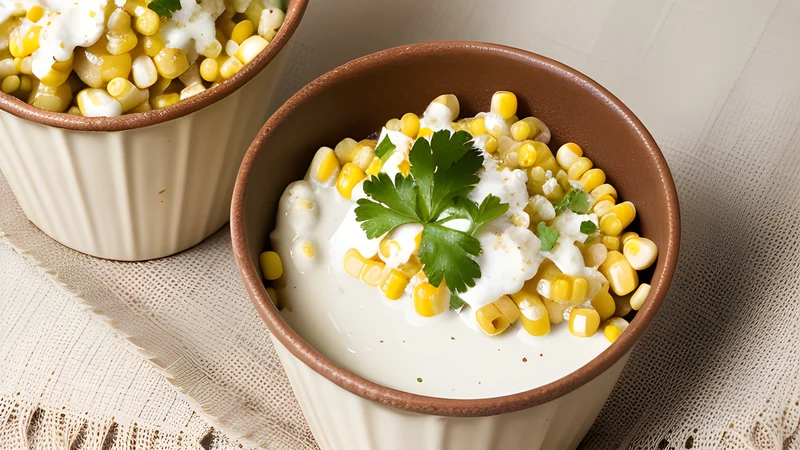
↓ Jump to recipeEsquites are what happens when a corn-on-the-cob vendor realises not everyone wants to gnaw at a stick in the street. The name comes from the Nahuatl izquitl, meaning toasted corn, and the dish is simply elote — Mexican street corn — taken off the cob and served in a cup so you can eat it with a spoon while walking. It carries every one of elote’s flavours: the sweetness of the corn, the fat of mayo and crema, the salt of aged cheese, the sourness of lime and the smack of chilli. Assembled in a paper cup, it is one of the great street snacks anywhere in the world.
I make esquites more often than almost anything else on this desk, because it takes ten minutes, uses a bag of frozen corn from the freezer, and turns a dull evening into something worth eating. It is a snack, a side, a light lunch with a fried egg on top. Once you understand the balance — hot corn, cold creamy dressing, sharp lime, hot chilli — you will find yourself making it on instinct.
Esquites: The Corn Cup With Everything
Ingredients
- 500g corn kernels (from about 4 cobs, or frozen)
- 1 tbsp neutral oil
- 1 tbsp butter
- 2 spring onions, thinly sliced, or 1/4 white onion, finely diced
- 1 garlic clove, finely grated
- 1 epazote sprig, chopped (optional)
- 4 tbsp mayonnaise
- 2 tbsp Mexican crema or soured cream
- 50g cotija or feta, finely crumbled, plus more to top
- 1 to 2 limes, juiced (about 3 tbsp)
- 1 tsp chilli powder such as chile piquin or ancho, plus more to top
- Salt to taste, and Tajin and hot sauce to serve
Method
- If using fresh corn, cut the kernels off the cobs. Pat frozen corn dry on a tea towel so it chars rather than steams.
- Heat the oil and butter in a wide, heavy pan over high until foaming. Add the corn in a single layer and leave it undisturbed for 3 to 4 minutes so it blisters and blackens in spots.
- Stir, then char again for another 3 to 4 minutes until much of the corn is deeply browned. Add the onion, garlic and epazote and cook 2 minutes more until fragrant.
- Take off the heat. Stir through the mayonnaise, crema, cotija, lime juice and chilli powder while still warm. Taste and add salt and more lime until it is sharp and savoury.
- Spoon into cups or bowls. Top with extra cotija, a dusting of chilli, Tajin and a few drops of hot sauce. Serve warm with a spoon.
The elotero on the corner
In Mexico the corn seller is an institution. The elotero pushes a cart, often a converted bicycle or a steaming steel drum on wheels, through neighbourhoods in the late afternoon and evening, and the arrival is announced by a particular whistle or a called-out “esquites, elotes” that children learn to recognise before they can read. The cart carries a pot of hot corn, squeeze bottles of mayo and crema, tubs of crumbled cheese, chilli powders and a bristling forest of lime wedges. Everything is assembled to order in seconds into a foam or paper cup. It is cheap, ubiquitous evening food, the Mexican equivalent of stopping for chips on the way home, and it is where most Mexicans first meet the dish.
Elote, esquites and the Nahuatl root
Corn is the foundation of Mexican cooking, and the way street vendors dress it is a small masterpiece of contrast. Elote is the whole cob, boiled or grilled, slathered in mayo and crema, rolled in cotija and dusted with chilli, with a lime wedge to squeeze over. Esquites are the same thing in a cup, and the difference is more than convenience: cut off the cob and charred in a hot pan, the kernels take on far more caramelised, blistered flavour than a whole boiled cob ever does. That toasting is the whole point, and it is where the Nahuatl name points too.
You will find esquites sold from steaming pots on street corners across Mexico, often with the corn simmered in its own liquid with epazote — a pungent, faintly petrol-and-mint herb that is one of the signatures of central Mexican cooking. That boiled, brothy style is delicious and traditional. The pan-charred version I give here is the one I make at home, because a domestic hob chars corn beautifully and I like the smoky depth it brings. Both are correct; they are simply two schools.
There is also a regional split worth knowing. In Mexico City you tend to get the brothy, epazote-scented pot version ladled hot into cups. Travel north and the pan-toasted, drier style dominates, closer to what you would recognise as elote scraped into a bowl. Neither is more authentic; they reflect what each region does with the same handful of ingredients. What every version shares is the sequence of contrasts — sweet corn, savoury fat, salty cheese, sour lime, hot chilli — layered so no single element wins.
Epazote is worth seeking out if you have a Latin grocer nearby, because nothing else tastes quite like it. If you cannot find it, do not substitute wildly — a little chopped coriander stirred in at the end is a fresher, different note that works fine on its own terms.
Getting the char right
The single thing that separates good esquites from a sad, wet bowl of corn is the char, and getting it means respecting two rules.
First, dry corn chars; wet corn steams. If you are using frozen corn, do not tip it straight from the bag into the pan, because it is full of ice crystals and surface water, and it will boil in its own moisture and never colour. Spread it on a clean tea towel and pat it properly dry, or better, let it thaw and dry for half an hour. Fresh corn cut from the cob is naturally drier and chars readily. It is worth a word on the corn itself. The Mexican original is often made with a starchier field corn, the large, chewy, less sugary kernels of maíz in place of the sweetcorn sold in Britain, which is why authentic esquites taste more toasty and savoury than sweet. That corn is hard to buy here, so sweetcorn, fresh or frozen, is the sensible stand-in; just push the char a little harder to build the roasted flavour the starchier corn would give you naturally, and go easy on any added sugar, because British sweetcorn arrives sweet already.
Second, leave it alone. The instinct to keep stirring is exactly wrong. Get the pan genuinely hot, add the corn in as close to a single layer as you can, and then walk away for three or four minutes. It needs uninterrupted contact with the hot metal to blister and blacken. Stir once, then leave it again. If your pan is small, work in two batches rather than crowding — a crowded pan drops in temperature and steams. A cast-iron or heavy stainless pan holds heat best; a thin nonstick will struggle to get the corn dark.
You are looking for a good proportion of kernels to be deeply browned, some almost black at the tips. That toasted, popcorn-adjacent flavour is what makes the dish, and it stands up to the fat, acid and heat you pile on afterwards.
Dressing it while it is warm
The dressing goes in off the heat but while the corn is still hot, so it clings and half-melts into a loose, creamy coating. Mayonnaise gives body and richness; crema or soured cream loosens it and adds tang; cotija brings the salty, milky funk. Cotija is a hard, aged Mexican cheese, salty and crumbly; a firm feta is the closest easy substitute, though it is a touch wetter and saltier, so hold back on added salt.
Lime does real structural work here, well beyond garnish. Esquites should taste sharp — the acid is what stops the whole thing being a heavy spoonful of mayo and corn. Start with one lime, taste, and keep adding until it makes you sit up. The same goes for chilli: chile piquin is the classic, bright and hot; ancho powder is milder and fruitier; a good chipotle powder brings smoke. Tajin, the shop-bought chilli-lime-salt blend, is what most vendors dust over the top, and a jar of it earns its place in the cupboard.
Taste and adjust is the whole game here. The corn’s sweetness varies, the cheese’s saltiness varies, and your limes will be more or less juicy. Balance it in the bowl until sweet, salt, fat, sour and heat all register.
Serving, swaps and storage
Serve esquites warm, in cups or small bowls, with spoons. They are a brilliant thing to put out while other food cooks, and they belong on any Mexican spread — I serve them alongside tinga de pollo tostadas and a bowl of salsa macha for people to spoon over everything. A cup of esquites and a couple of tacos is a full, happy lunch. They also make superb party food precisely because they scale: char a big batch of corn ahead, keep it warm or at room temperature, and set out the mayo, cheese, lime and chilli so guests dress their own cups to taste, the way an elotero would.
Make it a meal. Top a bowl with a fried egg and some sliced avocado, or fold the charred, dressed corn through cooked rice or into a quesadilla. Cold leftover esquites, drained a little, make an excellent base for a corn salad with tomatoes and coriander.
Swaps. No cotija? Feta, or grated pecorino at a push. No crema? Loosen mayo with a little more lime and a splash of milk. No epazote? Leave it out or finish with coriander. Vegan version: use vegan mayo and skip the cheese, adding a tablespoon of nutritional yeast and extra salt for the savoury hit.
Heat and smoke. For a smokier cup, char the corn in bacon fat, or stir a little chipotle in adobo through the dressing. For a fresher, milder one, lean on ancho powder and plenty of lime.
Storage. Esquites are best fresh and warm, but leftovers keep in the fridge for two days. Eat them cold as a salad, or reheat gently — the char and the flavour survive, though the dressing loses its glossy warmth. Do not freeze the dressed corn; the mayo splits. Cooked, undressed charred corn, on the other hand, freezes perfectly for three months and thaws in a hot pan in minutes, so it is worth charring a double batch and stashing half.
A note on the cheese-first order. Some cooks stir the cotija in with the mayo before it hits the corn, so the cheese half-melts into the dressing; others crumble it over the top for texture. I do both — a little in the mix for body, a generous handful on top for the salty bite. The same goes for the chilli: some through the dressing, a final dusting over the cup for colour and immediacy.
Esquites prove that street food does not need a long recipe to be extraordinary. Char the corn hard, dress it warm, chase the balance of lime and chilli until it sings, and you have a cup of something that tastes like a Mexican market on a Tuesday night at home.
Related Content