Elderflower Cordial
bottled hedgerow, the taste of an English June

Contents
↓ Jump to recipeFor a couple of weeks every June, the hedgerows along the lane near us froth over with creamy, flat-topped elderflowers, and the whole verge smells of warm honey and muscat. It is a brief, almost embarrassingly fragrant window, and if you miss it you miss it for a year. So every June I take a bag and a pair of scissors on an evening walk, come home with an armful of blossom, and turn it into a year’s worth of summer in a bottle.
Elderflower cordial is one of those things that sounds fancy and is in fact ludicrously easy — you are essentially making sugar syrup and letting flowers sit in it. The reward is wildly out of proportion to the effort: a delicate, floral, honeyed cordial that tastes of an English June and makes shop-bought versions seem flat and faintly synthetic.
Elderflower Cordial
Ingredients
- 25–30 fresh elderflower heads, in full bloom
- 1.5 kg (about 6 1/2 cups) caster sugar
- 1.5 litres (6 cups) water
- 2 unwaxed lemons, zested and sliced
- 1 unwaxed orange, sliced (the twist)
- 75 g (about 3 tbsp) citric acid
Method
- Shake the elderflower heads gently to evict any insects; do not wash them, as you rinse away the fragrant pollen.
- Bring the water and sugar to a simmer, stirring until fully dissolved, then take off the heat.
- Add the lemon zest, the sliced lemons and orange, and the citric acid to the warm syrup.
- Submerge the elderflower heads in the syrup, pushing them under the surface.
- Cover and leave to steep at room temperature for 24–48 hours, stirring once or twice.
- Strain through a muslin-lined sieve, pressing gently to extract the liquid.
- Pour into sterilised bottles and store in the fridge.
A taste of the hedgerow
The elder, Sambucus nigra, is a small, unshowy tree of British hedgerows, woodland edges and waste ground, and its parts have been put to work in country kitchens for generations: the wood carved and hollowed, the dark autumn berries cooked into wines and syrups, and the June blossom steeped into cordials and fritters. It carries a heavy load of folklore too. In parts of England and Scandinavia the elder was thought to be home to a guardian spirit, the “Elder Mother”, and country lore held that you should ask her permission before cutting the wood. Whether or not you take the superstition seriously, it tells you how deeply the tree sits in the seasonal calendar. The flowers were used in kitchens long before anyone bottled cordial commercially, and the drink keeps that proper old-fashioned, seasonal feel: you can only make it when the tree decides to bloom, usually late May into June in southern Britain, which is part of the charm.
A word on foraging, because it matters and because it is the part beginners get wrong. First, correct identification. Elderflowers grow in flat-topped or slightly domed clusters of tiny creamy-white flowers, each with five petals, on a shrub with pinnate leaves in opposing pairs. The most important lookalike to avoid is common hogweed and, far more dangerously, giant hogweed, whose sap causes severe burns; hogweed flowerheads are more umbrella-shaped and the plant is quite different once you learn it, but if you are not certain, do not pick. Elder has a distinctive muscat-honey scent that hogweed lacks.
Pick on a dry, sunny day, ideally late morning once the dew has burned off and the blossom is open and at its most fragrant. Choose heads that are creamy and freshly open, with most of the buds bloomed but few browning. Avoid any that have browned at the edges or smell faintly of cat urine, which is over-the-hill blossom past its best and will taint the whole batch. Snip them from trees away from busy roads and spray-drift from fields, take only what you need, and leave plenty for the bees and for the autumn berries that birds depend on. And do not wash the flowers: that fragrant yellow dust is pollen, and it carries a great deal of the flavour. A gentle shake and a quick look over to evict any lurking insects is all they need.
The method, and the one clever twist
The base is simple syrup. Dissolve the sugar in just-boiled water, take it off the heat, and let it cool to warm rather than scalding — too hot and you cook the delicate aromatics out of the flowers and lose that fresh, perfumed top note. Then in go the lemon zest, sliced citrus, citric acid and finally the elderflower heads, pushed under the surface to steep.
My twist is a sliced orange alongside the usual lemons. Most recipes are lemon-only, and they are lovely, but the orange does something quietly brilliant: it rounds off the sharpness and adds a warm, almost marmalade-like depth underneath the floral notes. It stops the cordial tasting thin and one-dimensional and gives it a fuller, sunnier body. Nobody ever guesses it is there; they just say your cordial tastes “rounder” than the kind from a bottle.
The citric acid is doing real work and is worth seeking out (any chemist or home-brew shop has it, and it is cheap). It sharpens the flavour, balances all that sugar, and, importantly, acts as a preservative by lowering the pH so that spoilage organisms struggle to take hold. That acidity, combined with the high sugar concentration, is what lets a cordial made in an ordinary kitchen keep for weeks rather than days. You can substitute the juice of three or four extra lemons in a pinch, but the result will be softer in flavour and will not last nearly as long, so make a smaller batch and drink it quickly if you go that way.
A note on why the syrup temperature matters, since it is the single most common mistake. Elderflower’s aroma lives in volatile, delicate compounds that boil off and degrade with heat. Pour scalding syrup straight onto the flowers and you scorch out exactly the fresh, perfumed top note you were foraging for, leaving something that tastes more of cooked sugar than of June. Let the syrup cool to warm, comfortably hand-hot rather than steaming, before the flowers go in, and steep at room temperature rather than over heat. Cold-steeping works too and gives an even fresher result, though it takes a little longer to draw the flavour out.
Steeping, straining and storing
Leave the whole lot to steep, covered, for a day or two at room temperature, stirring once or twice. Longer steeping gives a more intense flavour, but don’t push much past forty-eight hours or it can start to turn. Then strain it through a sieve lined with muslin or a clean tea towel, pressing gently — but not so hard that you push cloudy sediment through.
Bottle it in sterilised bottles (run them through a hot dishwasher cycle, or rinse with boiling water). Sterilising is not fussiness; it removes the stray yeasts and bacteria that would otherwise turn your cordial fizzy and then sour, and it is the difference between a bottle that keeps for months and one that ferments in the fridge within a fortnight. Fill the bottles while they are still warm and the cordial is warm too, and seal them straight away. Kept in the fridge, the cordial will happily last several weeks, often a couple of months thanks to the sugar and citric acid; if you ever open a bottle and it smells or tastes of alcohol or vinegar, it has begun to ferment and is best discarded. For longer keeping, it freezes beautifully. I freeze some in ice-cube trays, then bag up the cubes, so I have single servings on hand right through the winter, when a glass of it is a genuine lift on a grey afternoon and a small, direct line back to June.
How to drink it
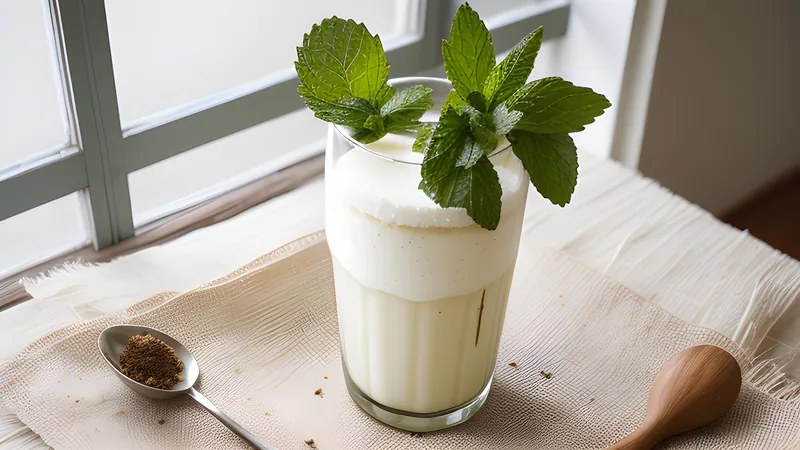
The classic serve is simply diluted to taste — roughly one part cordial to four or five parts water — over plenty of ice, with sparkling water if you want it fizzy. Start on the weaker side and add more cordial; it is a concentrate, and too strong a mix tips from refreshing into cloying. On a hot day, with a sprig of mint and a slice of lemon, it is hard to beat, and it is the kind of thing children and adults drink from the same jug quite happily.
But it goes far beyond squash. Top it with prosecco for an instant, summery aperitif. Add a splash to a gin and tonic, where the floral note works astonishingly well with juniper. Drizzle it over a fruit salad of strawberries and peaches, stir it into a gooseberry fool, or use it to soak the sponge of a cake. A tablespoon in the macerating fruit lifts a summer trifle or a strawberry Eton mess with balsamic beautifully, adding a honeyed high note against the cream. It is lovely brushed over the warm layers of a Victoria sponge with roasted strawberry jam, where it keeps the crumb moist and perfumes every bite. A spoonful in a glass of cold white wine makes a quick, light spritzer, and a little brushed over hot pancakes or stirred into natural yoghurt turns breakfast into something faintly special. It even earns its place in cooking rather than just drinking: reduce it a touch and it becomes a glaze for roast gooseberries or a syrup for a summer sorbet.
Whatever you do with it, every sip carries that fleeting, honeyed smell of the June hedgerow, caught, bottled, and kept long after the flowers have gone over and the lane has gone green again. That is really the point of making it yourself: shop cordial is fine, but it can only ever taste of one generic summer, whereas a bottle you picked and steeped tastes of one particular June, one particular hedge, one specific evening walk. Nine months later, on a flat grey afternoon, that is worth a great deal more than the twenty minutes of effort it took.
Related Content