Dal Baati Churma: Rajasthan's Three-Part Plate
Baked wheat rounds, five-lentil dal and a jaggery crumble, all on one plate
Contents
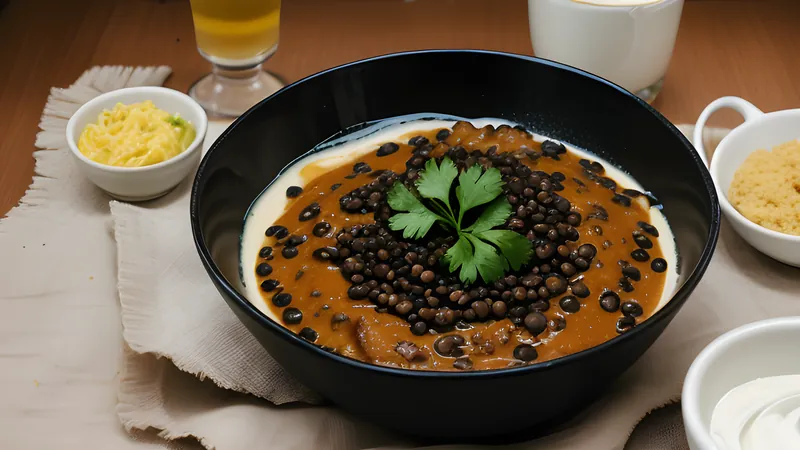
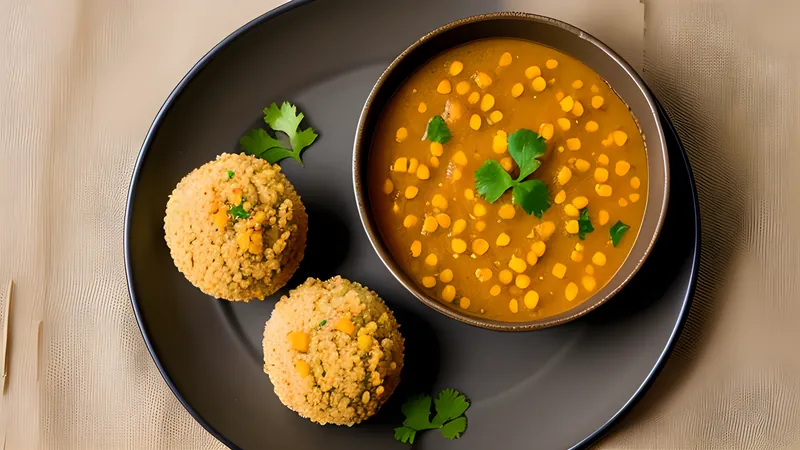
↓ Jump to recipeA full plate of dal baati churma is really three separate dishes served as one meal, and each earns its place through contrast. There is a hard-baked wheat roll cracked open at the table, a soupy five-lentil dal ladled hot over the top, and a sweet, ghee-rich crumble spooned alongside. Nothing about it is subtle, and nothing about it is meant to be; this is food built for a desert climate and a hard day’s work, and it still tastes like exactly that.
Dal Baati Churma: Rajasthan's Three-Part Plate
Ingredients
- 400g wholewheat atta (chapati flour), plus extra for dusting
- 100g semolina (fine rava)
- 1 tsp ajwain (carom seeds), lightly crushed
- 1 tsp baking powder
- 1 tsp salt
- 120g ghee, melted, plus extra for finishing
- 150ml warm water, approximately, to bind
- 50g chana dal, rinsed
- 50g toor dal, rinsed
- 50g moong dal, rinsed
- 30g urad dal, rinsed
- 30g masoor dal, rinsed
- 1 litre water, for the dal
- 1 tsp ground turmeric
- 3 tbsp ghee, for the dal
- 1 tsp cumin seeds
- Pinch of asafoetida
- 2 dried red chillies
- 1 onion, finely chopped
- 1 tbsp ginger-garlic paste
- 2 tomatoes, chopped
- 1 tsp red chilli powder
- 1 tsp garam masala
- Salt, to taste
- 2 tbsp chopped coriander, to finish
- 150g leftover or extra baked baati, crumbled, for the churma
- 80g ghee, melted, for the churma
- 80g jaggery, grated
- 0.5 tsp ground cardamom
- 2 tbsp chopped almonds and pistachios
Method
- Mix the atta, semolina, ajwain, baking powder and salt in a large bowl, then rub in the melted ghee until it resembles coarse breadcrumbs.
- Add the warm water gradually, bringing the mixture into a stiff, dry dough that just holds when pressed; it should feel nothing like soft chapati dough. Cover and rest 20 minutes.
- Heat the oven to 180C (160C fan). Divide the dough into 8 balls and press a deep thumbprint into the centre of each, which helps them cook through and crack open.
- Bake on a tray for 40-45 minutes, turning halfway, until firm, pale gold and cracked on the surface; a skewer through the centre should come out clean and dry.
- While the baati bake, put the five rinsed lentils, water and turmeric in a large pan, bring to the boil, skim off the froth, then simmer 30 minutes until soft.
- Heat the 3 tbsp ghee in a small pan, sizzle the cumin seeds for 10 seconds, then add the asafoetida and dried red chillies.
- Add the onion and fry 5-6 minutes until golden, then stir in the ginger-garlic paste for a further minute until fragrant.
- Add the tomatoes, chilli powder and a pinch of salt, and cook 6-8 minutes, mashing lightly, until the tomatoes collapse into a thick paste.
- Stir the tomato masala into the cooked lentils with the garam masala, and simmer 10 minutes; loosen with hot water to a soft porridge consistency, then check the seasoning.
- As the baati come out of the oven, crush 2 of them into rough crumbs for the churma; brush the rest all over with melted ghee while hot, so it soaks straight in.
- For the churma, work the extra ghee into the crumbled baati with your fingers until it clumps, then stir through the jaggery, cardamom and chopped nuts until evenly coated.
- Split each remaining baati in half, ladle the hot dal generously over and around, spoon the churma alongside, and scatter the dal with coriander to serve.
The Story
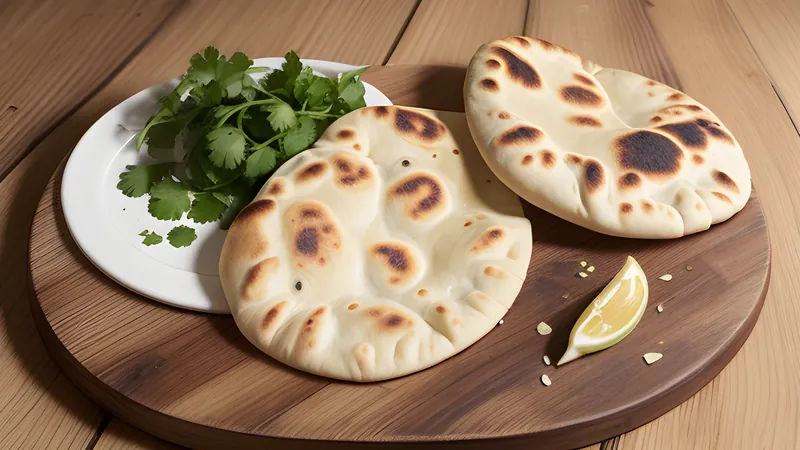
Dal baati churma comes out of Marwar, the arid stretch of western Rajasthan around Jodhpur and Bikaner, where water has always been the scarcest ingredient in the kitchen. Baati is dough that needs almost none of it: a stiff, low-hydration wheat and semolina mix that was traditionally shaped into balls and buried in the embers of a dung fire or a pit of hot sand, left to bake slowly while a farmer worked the fields. That method produced a roll hard enough to survive a saddlebag and a hot afternoon, which mattered enormously to a semi-nomadic, pastoral population moving livestock across a landscape with few wells. The oven does the same job today with a fraction of the drama, but the dough is unchanged: dry, ghee-rubbed, and deliberately under-hydrated so it bakes into a dense, faintly crumbly interior rather than a soft bread crumb.
The dal that goes with it, panchmel, means simply “five mixed”, and the combination of chana, toor, moong, urad and masoor dal is a genuinely old piece of food logic rather than a modern flourish. Each lentil breaks down at a different rate and holds a different texture even after 30 minutes of simmering, so the finished dal has a layered, slightly grainy body that a single lentil could never produce alone. It is also a shrewd way to stretch a limited pantry across five different pulses rather than depleting one, useful in a region where any single crop could fail in a dry year. Marwari households, and the ascetic Jain communities concentrated in the same region, lean on dal baati as an entirely vegetarian, protein-dense meal that needs no meat to feel substantial.
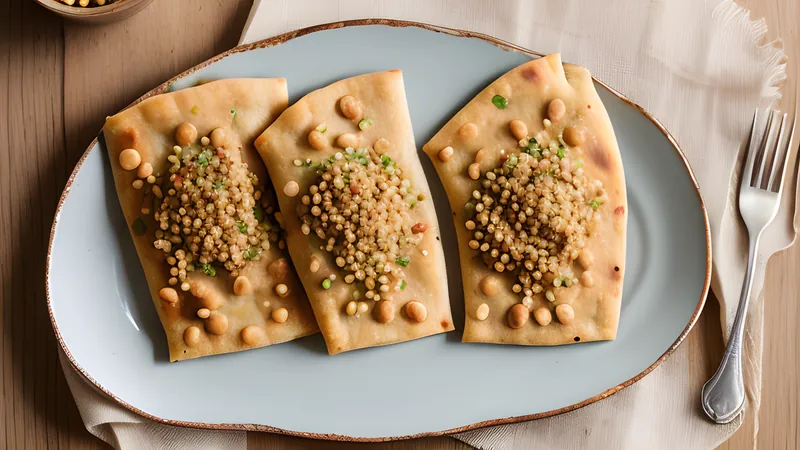
Churma is the part that turns the meal from sustenance into celebration. Crumbled baati, worked with ghee and sweetened with jaggery, is what elevates the plate for weddings, festivals and Sunday lunches; it is standard at Rajasthani wedding feasts precisely because it announces, in one sweet, rich mouthful, that this is not an ordinary day. Serve dal baati churma without the churma and it is still a good meal. Serve it with, and it becomes an occasion.
Modern kitchens have adapted the baking method further still: some cooks part-boil the baati briefly before baking to speed things up, and a few finish them for a few minutes under a hot grill or in a tandoor for a smokier crust, though the plain oven method here is the most reliable for a home kitchen without specialist equipment. The full three-part meal remains a fixture at Rajasthani weddings and on Sundays in Marwari households across India, regardless of how the baati itself gets cooked.
Getting the baati dry enough
The single most common mistake with baati is treating the dough like chapati dough and adding too much water. Chapati dough is soft and elastic because it needs to roll thin and stay pliable; baati dough needs to hold its shape through 40 minutes in a hot oven without collapsing or drying to dust, so it wants to be stiff, almost crumbly before kneading, coming together only reluctantly when pressed hard. Add water in small increments and stop the moment the dough holds together under pressure. Rubbing the melted ghee into the dry ingredients before adding any liquid, the same way you would rub butter into pastry, coats the flour and semolina and is what gives the baked baati its characteristic short, slightly flaky crumb rather than a dense, bread-like one.
The thumbprint dimple in the centre of each ball is not decorative. It thins the dough at the core so the heat penetrates evenly, which matters because baati are baked whole and unturned inside, unlike a flatbread cooked on a hot surface. Skip the dimple and you risk a baati that looks done on the outside while the centre stays raw and pasty.
Why five lentils, not one
Panchmel dal rewards patience more than most lentil dishes because the five pulses simply take different amounts of time to break down. Chana dal and urad dal hold their shape longest and give the dal body; moong and masoor collapse fastest and thicken the base; toor dal sits in between and lends its familiar, mildly nutty flavour. Simmering them together for the full 30 minutes, rather than stopping the moment the quickest-cooking lentil goes soft, is what produces the dish’s distinctive texture, part smooth and part textured, closer to a rustic potage than a silky restaurant dal. If you only have two or three of the five lentils to hand, the dish will still work, just with less of that layered bite; do not substitute a single lentil for the whole panchmel, as the point is genuinely the mixture.
What can go wrong
The dal is the easiest of the three elements to get wrong, usually by undercooking it. Chana dal and urad dal need the full 30 minutes to break down properly; stop early and the dal tastes gritty rather than layered, with whole lentils sitting stubbornly apart from the liquid instead of thickening it. Taste a spoonful of chana dal specifically before deciding it is done, since it is the slowest of the five to soften.
The baati fail in two opposite directions. An oven that runs cool, or a dough rolled or pressed too thick despite the thumbprint, leaves a raw, doughy centre under a browned exterior; test with a skewer through the middle, not just by colour, before pulling them out. Overworking the dough with too much water, meanwhile, produces baati that puff and brown nicely but collapse into something closer to a scone than the dense, crumbly interior this dish is after; keep the dough properly dry and resist adding water past the point where it just holds together.
Churma made from baati that have gone cold loses the ability to properly absorb the ghee, leaving a dry, crumbly mix that will not clump; work with the freshly baked, still-warm baati specifically set aside for this purpose, and add the ghee while everything is still hot enough to melt into the crumbs.
Substitutions, storage and serving
No jaggery in the cupboard? Dark muscovado sugar melted with a spoonful of water gives a close approximation of its deep, molasses-like sweetness for the churma. For a spicier dal, double the dried red chillies and stir a finely chopped green chilli in with the onion; Marwari home cooking varies enormously in heat level from household to household, and this recipe sits toward the gentler end. A version of churma made with chopped dates worked through the ghee and jaggery, rather than nuts alone, is common in some Rajasthani homes and worth trying if you want a stickier, more toffee-like result. The baati keep well for up to four days in an airtight tin once fully cooled, and travel far better than any bread with a soft crumb; they were designed to, after all. The panchmel dal freezes for up to three months and reheats with a splash of water to loosen it back to its original consistency. Churma is best made fresh, since the crumb turns soggy after a day in the fridge.
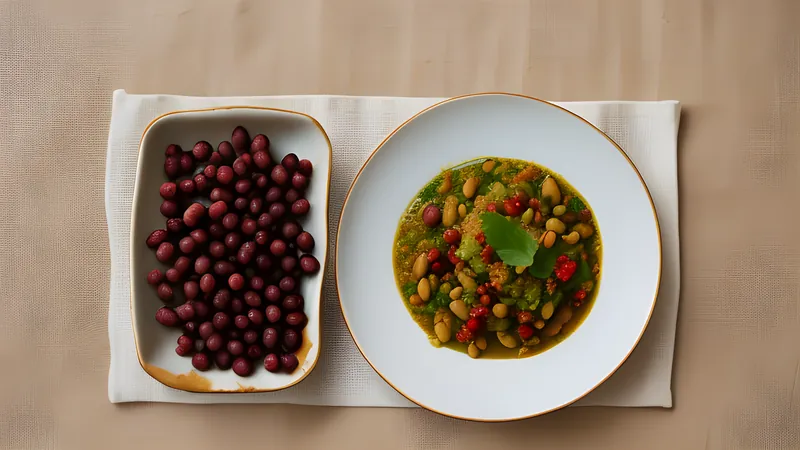
For another Marwari plate from the same dry country, the tart, chewy ker sangri uses desert berries and beans in a way that shows off the same frugal, water-scarce cooking logic. And if it is heat rather than thrift you are after, Rajasthan’s other great export is the ferociously spiced laal maas, a mutton curry built on Mathania chillies that sits at the opposite end of the region’s flavour spectrum from this gentle, buttery plate.
Related Content