Dakgalbi: Stir-Fried Chicken With Gochujang
The Chuncheon griddle dish built to feed a crowd on a student's budget
Contents
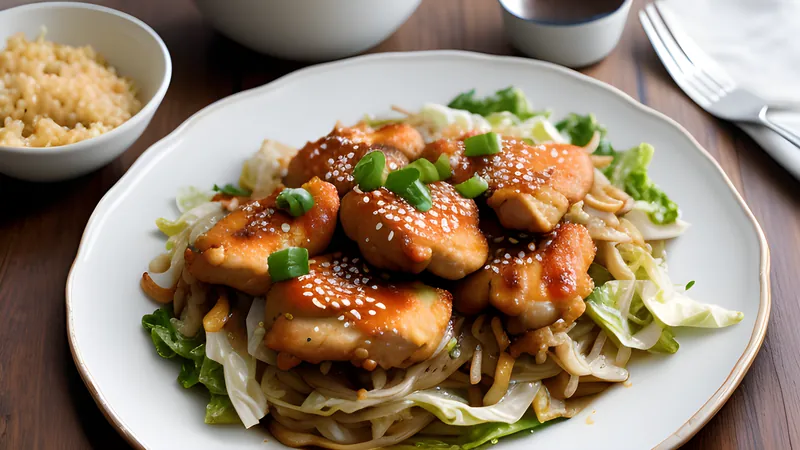
↓ Jump to recipeDakgalbi comes from Chuncheon, a city in Gangwon province a couple of hours from Seoul, where it was first served in the 1960s as a cheap way to feed university students and soldiers stationed at nearby bases. Chicken was chosen deliberately because it was the least expensive meat available at the time — this was originally a dish built to stretch a small amount of protein across a large pan of vegetables, not a showcase for the chicken itself. Whole streets of dedicated dakgalbi restaurants grew up in Chuncheon through the 1970s and 80s, and the city still markets itself partly on the strength of the dish; a specific district near the train station is known simply as Dakgalbi Street, lined with restaurants that have been cooking it the same way for generations. Chuncheon’s civic pride in the dish runs deep enough that a dakgalbi festival is held there most years, drawing visitors specifically to eat the dish at its source rather than at any of the countless branches that have since opened across Seoul and beyond.
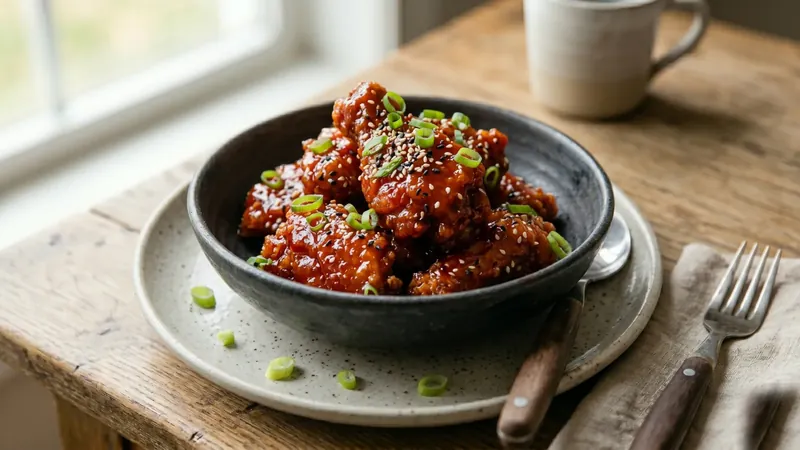
Dakgalbi: Stir-Fried Chicken With Gochujang
Ingredients
- 700g boneless chicken thigh, cut into 3cm chunks
- 3 tbsp gochujang
- 1 tbsp gochugaru
- 2 tbsp soy sauce
- 1 tbsp rice wine (mirin or cheongju)
- 1 tbsp sugar
- 1 tbsp minced garlic
- 1 tsp grated ginger
- 1 tbsp sesame oil
- 1/4 white cabbage, cut into 3cm squares
- 1 sweet potato, peeled and sliced 1cm thick
- 1 onion, thickly sliced
- 150g tteok (rice cake sticks)
- 3 spring onions, cut into 4cm lengths
- 1 perilla leaf bunch (or substitute extra spring onion), roughly torn
- 2 tbsp neutral oil, for cooking
- cooked rice, to finish (optional)
Method
- Mix the gochujang, gochugaru, soy sauce, rice wine, sugar, garlic, ginger and sesame oil into a smooth marinade.
- Toss the chicken thoroughly in the marinade and refrigerate for at least 2 hours, ideally overnight.
- Heat the neutral oil in a wide, flat pan or griddle over high heat and add the cabbage, sweet potato and onion, spreading them across the surface.
- Lay the marinated chicken over the vegetables and cook undisturbed for 3-4 minutes to let the underside sear before stirring.
- Stir-fry everything together over high heat for 8-10 minutes, until the chicken is cooked through and the sweet potato is tender at the edges.
- Add the tteok and cook for a further 4-5 minutes, stirring often, until softened and coated in sauce.
- Scatter the spring onions and perilla leaf over the top and toss through for a final minute before serving straight from the pan.
- If serving fried rice afterwards, push the remaining ingredients aside, add cooked rice to the sauce left in the pan, and fry until coated and lightly crisp.
Built to be cooked in front of you
Dakgalbi is stir-fried on a large, flat, shallow pan set directly on a tabletop burner, and this is not incidental to the dish’s identity — it’s central to it. The pan is wide enough that everything can be spread in a thin layer rather than piled up, which matters because the cooking method depends on direct contact with a hot surface across a big area, closer to a stir-fry than a stew. Restaurants bring the raw ingredients to the table already arranged — chicken in one section, cabbage and sweet potato in another — and cook everything together in front of the diners, who then help themselves directly from the pan as it finishes.
That communal, cook-at-the-table format ties dakgalbi to a specific kind of eating occasion: groups, usually large, usually young, sharing one pan and paying by the portion of chicken rather than by individual plates. It grew up as affordable group food and largely stayed that way — a dish ordered by friends or classmates splitting a bill rather than a formal restaurant order for one.
The marinade is doing the real work
Because chicken thigh has less inherent fat and flavour than pork belly or beef short rib, the dishes it usually gets compared to, dakgalbi depends heavily on its marinade to deliver depth. Gochujang provides the fermented backbone; gochugaru adds visible heat and colour without diluting the paste’s savouriness; a little sugar balances the chilli’s sharpness; and the rice wine and ginger both work to tenderise the chicken as much as flavour it, breaking down surface proteins slightly during the marinating time.
Marinate for at least two hours, though overnight is meaningfully better — chicken thigh is forgiving and won’t turn mushy from an extended soak the way a delicate fish might, and the extra time lets the marinade penetrate past the surface rather than just coating it. If you’re short on time, cutting the chicken into smaller pieces than usual increases surface area and lets a shorter marinade still do useful work, though it’s a compromise rather than an equivalent result.
Vegetables that earn their place
Cabbage and sweet potato aren’t filler here, even though the dish was originally built to stretch the chicken with cheaper bulk. Cabbage releases moisture as it cooks that helps deglaze the pan and loosen the marinade into more of a sauce, and its slight sweetness once charred at the edges plays well against the chilli. Sweet potato, sliced thick enough to hold its shape through 15-20 minutes of stir-frying, brings a starchy sweetness and a different texture entirely from the cabbage — soft rather than crisp, and it’s often the ingredient people fight over near the end of the meal, once it’s fully absorbed the sauce.
Rice cake is a later addition to the dish, much like the noodles that turned up in budae jjigae once that stew moved into restaurant territory — neither ingredient belongs to the earliest version of either dish, but both are now considered essential to the modern restaurant experience. Tteok needs the least cooking time of anything in the pan; add it too early and it turns gummy and starts breaking down into the sauce rather than holding its shape.
The fried rice finish
No dakgalbi meal properly ends without the fried rice stage. Once the chicken and vegetables are mostly eaten, restaurants add a portion of cooked rice directly to whatever sauce and scraps remain in the pan, frying it until the rice picks up all the residual gochujang and chicken fat left behind. This isn’t an optional side dish tacked on — it’s built into the structure of the meal, arguably the part regulars look forward to most, since the rice absorbs a concentrated version of everything that’s been cooking for the previous twenty minutes. If you’re cooking dakgalbi at home, don’t skip this stage even if it feels like an afterthought; hold back a portion of rice specifically for it.
The name itself is worth unpacking briefly: “dak” means chicken and “galbi” ordinarily refers to ribs, most commonly beef short rib in Korean cooking. Dakgalbi doesn’t actually involve rib meat at all — the name borrows the word from the more expensive beef dish specifically because Chuncheon’s original cooks were building a cheaper stand-in for a format people already knew, stir-fried meat and vegetables on a hot surface, using chicken because it was what a student’s budget could stretch to. The borrowed name stuck even though the anatomy it references was never part of the dish.
Some restaurants add a slice of processed cheese over the fried rice at this stage too, in a nod to the same modern Korean fondness for melted cheese on spicy dishes that shows up in budae jjigae — entirely optional, a recent habit rather than part of the dish’s original identity, though common enough now that it’s worth knowing about if you order dakgalbi in Korea and find cheese arriving unbidden.
Getting the pan hot enough
Dakgalbi needs real heat and a wide surface to work properly. A narrow, deep pan crowds the ingredients and steams them rather than searing them, which loses the slightly charred edges that a proper dakgalbi should have on the cabbage and chicken. If you don’t have a genuinely wide pan, cook in two batches rather than one crowded one — it takes a little longer but preserves the texture that makes the dish worth making in the first place.
Let the chicken sit undisturbed against the hot pan for the first few minutes rather than stirring constantly. Constant movement prevents any real contact browning and leaves you with chicken that’s technically cooked but never develops the seared, slightly charred surface that carries so much of the dish’s character.
Common mistakes worth naming
Using chicken breast instead of thigh is the most common substitution people make, usually for perceived health reasons, and it’s the wrong call for this dish. Breast meat dries out under the high, sustained heat dakgalbi needs and turns stringy well before the vegetables are done, whereas thigh meat’s higher fat content keeps it moist through the full cooking time and matches the richness of the gochujang marinade far better. If you genuinely want a leaner version, cut the thigh pieces smaller so they cook faster rather than switching the cut entirely.
Adding the rice cake too early is the second frequent error. Tteok only needs four or five minutes in a hot, saucy pan to soften properly; add it at the start alongside the chicken and vegetables and by the time everything else is cooked, the rice cake has turned gluey and started dissolving into the sauce rather than holding its own chewy texture.
Not marinating long enough shows up as a flatter, less integrated flavour — the chicken tastes coated in sauce rather than seasoned through it. If you’re pressed for time, a minimum of thirty minutes at room temperature will do more good than a rushed ten-minute fridge marinade, since the enzymes in the marinade work faster at room temperature, though refrigerated overnight is still the better result for anyone planning ahead.
Regional and home variations
Some cooks in Chuncheon itself add a splash of curry powder to the marinade, a habit that seems to have entered the dish sometime in the 1980s and gives a faintly different, slightly sweeter spice profile underneath the gochujang heat — a minority preference, but common enough to be considered a legitimate regional variant rather than an eccentricity. Seoul restaurants further from Chuncheon sometimes lean the dish more towards a wetter, saucier style closer to a stew than a dry stir-fry, adding more stock or water to the pan; the Chuncheon original is drier, with the sauce clinging to the ingredients rather than pooling as a separate broth.
Home cooks without a wide griddle sometimes finish the dish under a grill for a couple of minutes at the end, mimicking the charred edges a proper hot pan gives — a departure from tradition, but a reasonable workaround if your largest pan still isn’t wide enough to get good direct contact across the whole batch of chicken and vegetables.
Serving and pairing
Dakgalbi is traditionally wrapped in lettuce or perilla leaves at the table, much like bossam, so keep a stack of leaves on hand alongside the pan if you want the full restaurant experience rather than eating it straight with rice. A side of quick-fermented quick kimchi or a simple pickled radish cuts through the richness of the sauce and the eventual fried rice, giving the meal the acidic counterpoint it needs across a long shared table.
Storage
Leftover dakgalbi keeps for up to three days in the fridge and reheats well in a hot pan, though the vegetables will soften further on reheating and won’t recover their original texture. If you know you’ll have leftovers, it’s worth holding back a portion of rice uncooked so you can do the fried rice stage fresh rather than reheating it a second time, since fried rice loses its crisp edges quickly once refrigerated.
Related Content