Crispy Chickpea and Sweet Potato Bowl with Tahini Dressing
A weeknight bowl that eats like a treat
Contents
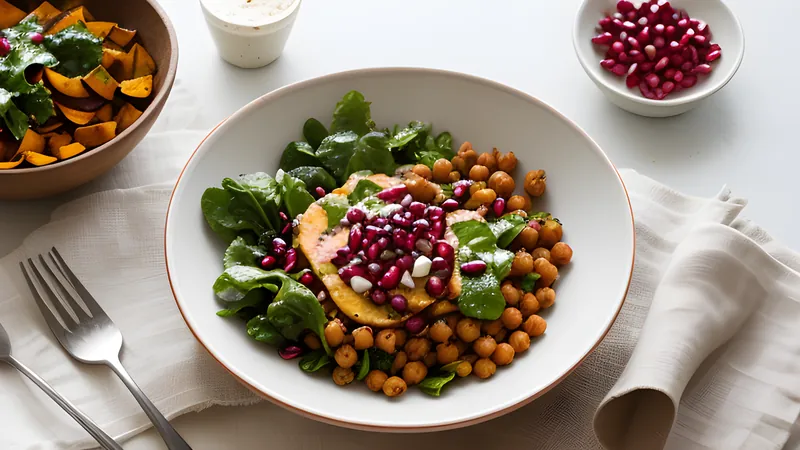
↓ Jump to recipeThis is the bowl I make when the fridge is tired and I cannot face cooking, which is precisely when something nourishing matters most. It is mostly a tin of chickpeas and a couple of sweet potatoes, both roasted hard until they caramelise, then heaped over grains and drowned in a tahini dressing that does the real work of pulling it all together. It looks far more impressive than the effort it asks for, and it happens to be entirely vegan without trying to be. The clever twist is roasting the chickpeas dry and spiced until they crackle, so the bowl has proper crunch rather than the soft sameness that sinks so many healthy lunches.
Crispy Chickpea and Sweet Potato Bowl with Tahini Dressing
Ingredients
- 2 medium sweet potatoes (about 600g), cut into 2cm chunks
- 2 x 400g tins chickpeas, drained and patted dry
- 3 tbsp olive oil
- 1 tsp ground cumin
- 1 tsp smoked paprika
- 0.5 tsp ground coriander
- 0.25 tsp chilli flakes
- Salt and black pepper
- 200g kale or baby spinach
- 4 tbsp tahini
- Juice of 1 lemon
- 1 small garlic clove, grated
- 1 tsp maple syrup or honey
- 4 to 5 tbsp cold water
- Cooked quinoa or brown rice, to serve
- Pomegranate seeds and chopped parsley, to finish
Method
- Heat the oven to 200C fan and line two large baking trays.
- Toss the sweet potato chunks with 1 tablespoon of olive oil and a little salt, spread on one tray and roast for 25 to 30 minutes until tender and caramelised at the edges.
- Toss the dried chickpeas with the remaining 2 tablespoons oil, cumin, paprika, coriander, chilli flakes and salt, spread on the second tray.
- Roast the chickpeas for 25 to 30 minutes, shaking the tray halfway, until crisp and golden.
- If using kale, massage it with a little oil and salt and add it to the chickpea tray for the final 8 minutes to crisp; wilt spinach in a hot pan instead if using.
- Make the dressing: whisk the tahini, lemon juice, grated garlic, maple syrup and a pinch of salt, then whisk in cold water a tablespoon at a time until pourable and smooth.
- Divide cooked quinoa or rice between bowls and top with the roasted sweet potato, crispy chickpeas and greens.
- Spoon the tahini dressing generously over everything.
- Finish with pomegranate seeds and chopped parsley, and serve at once while the chickpeas are crisp.
Tahini, the thread that ties it together
Tahini, the smooth paste of ground sesame seeds, is one of the great unifying ingredients of Levantine and wider Middle Eastern cooking. It is the backbone of hummus, the richness in halva, and the sauce poured over falafel and grilled meats from Beirut to Tel Aviv. Sesame is among the oldest oilseed crops we have records of, with archaeological finds of charred seeds at Harappan sites in the Indus Valley dated to around 3500 BC, and the Assyrians were pressing it for oil well before that. The word itself travels: the Akkadian šamaššammū becomes Arabic simsim and eventually the “sesame” of English. Grinding the toasted seeds into a paste is an old technique, and tahini comes from the Arabic root tahana, simply “to grind”.
What makes tahini so useful in a bowl like this is its bitterness and body. On its own the paste is thick, slightly astringent and almost too rich, but loosened with lemon and water it becomes a creamy, savoury dressing that coats everything and turns a plate of separate roasted things into a single dish. That transformation is worth understanding, because it is also the step people most often get wrong. Tahini is an emulsion of sesame oil held in a matrix of finely ground solids. When you add acid and a little water, the mixture first seizes and thickens dramatically, which alarms everyone the first time. Keep going: as more water works in, the whole thing loosens and turns pale and glossy. That seizing is the paste absorbing liquid before it can flow, not a sign that anything has gone wrong.
The sweet potato and chickpea pairing has become a modern shorthand for plant-forward eating, but it rests on genuinely complementary flavours: the earthy sweetness of the potato, the nutty heft of the chickpea, and tahini’s slightly bitter richness binding the two. If you like this kind of assembly, my herby falafel leans on the same tahini-and-lemon logic, and the sweet potato and peanut stew, West African style shows how well sweet potato takes to a nutty, savoury sauce.
Putting the bowl together
Everything here hinges on roasting properly, which mostly means giving things room and patience. Dry the chickpeas thoroughly before they go in the oven, because surface moisture steams rather than crisps; a quick roll in a clean tea towel does the job. Heat the oven to 200C fan and line two large baking trays. Toss the drained, dried chickpeas with 2 tablespoons of oil and a warm mix of 1 teaspoon cumin, 1 teaspoon smoked paprika, half a teaspoon of ground coriander, a quarter teaspoon of chilli flakes and a good pinch of salt, then spread them on their own tray so they have space to crackle. The sweet potato goes on a second tray, cut into even 2cm chunks and tossed with the remaining tablespoon of oil and a little salt so they cook at the same rate and caramelise at the edges. Roast both for 25 to 30 minutes, shaking the chickpea tray halfway through. If you are using kale, massage it with a few drops of oil and a pinch of salt and add it to the chickpea tray for the final 8 minutes to crisp; wilt spinach in a hot pan instead if that is what you have.
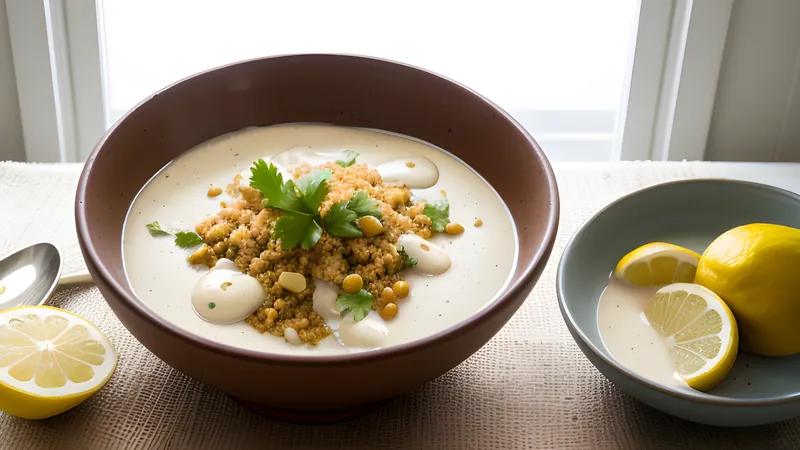
While they roast, make the dressing. Whisk 4 tablespoons of tahini with the juice of a lemon, one small grated garlic clove, a teaspoon of maple syrup or honey and a pinch of salt. It will seize and look alarmingly thick; this is exactly the point described above, so hold your nerve. Keep adding cold water a tablespoon at a time, up to 4 or 5 tablespoons, and it loosens suddenly into a smooth, pourable cream. Build the bowls over cooked quinoa or brown rice, pile on the roasted sweet potato, the crispy chickpeas and the greens, then be generous with the dressing and finish with pomegranate seeds and chopped parsley. Serve at once, while the chickpeas are still crisp.
Why the chickpeas crisp (and why they later go soft)
The crunch is a small piece of food science worth knowing. As the chickpeas roast, the heat drives water out of the outer layer and the surface starch and protein dehydrate and firm up into a brittle shell, browning through the Maillard reaction as they go. That shell is only crisp while it stays dry. The moment it meets the moisture of the dressing or sits in a warm, steamy bowl, water migrates back into the surface and the crunch collapses within minutes. This is why timing beats everything: roast the chickpeas so they are ready just as you assemble, and dress and eat rather than letting the bowl stand. It is also why a fan oven and plenty of tray space matter, because crowded chickpeas steam each other rather than crisping.
Choosing and treating the chickpeas
Not all tins of chickpeas behave the same, and it is worth being fussy here because they are the star. Look for a brand where the chickpeas are plump and pale gold rather than small, grey and broken; cheaper tins often hold beans that have been overcooked in the can and will turn to mush before they crisp. Drain them well, then spread them on a tea towel and roll gently to loosen and remove as many of the papery skins as come away easily. You do not need to peel every one, but the loose skins scorch and go bitter, so shedding the worst of them helps. Dry them thoroughly afterwards, because even a film of surface water lengthens the roasting time and softens the finished crunch. If you have the patience, leaving the drained chickpeas to air-dry on the tray for ten minutes before oiling them pays off in extra crispness.
Dried chickpeas cooked from scratch will crisp even better than tinned, as you control how firm they are, but they need soaking overnight and around an hour of simmering, so tinned is the honest weeknight choice. Whichever you use, resist the urge to add the salt and spices in a thick coating before roasting; a light, even toss is enough, and any excess spice tends to burn and turn acrid at oven heat. Season a little more once they come out, when the flavours settle onto the crisp shell rather than scorching against the tray.
Tips and variations
If you want to prep ahead, roast and cool the components separately, store them apart, then reheat the chickpeas briefly in a hot oven to crisp them again before assembling. The dressing keeps happily in the fridge for up to five days and thickens as it sits, so just whisk in a splash more water to bring it back.
This is a template more than a fixed recipe. Swap the sweet potato for roasted squash, cauliflower or beetroot; use whatever grain you have, or skip it and pile everything over leaves for a lighter plate. A spoonful of harissa stirred through the dressing adds heat, while toasted seeds or dukkah deepen the crunch. For a warming winter version, the same spiced chickpeas work beautifully alongside a bowl of red lentil coconut dal instead of the tahini. It scales easily for a crowd and travels well in a lunchbox if you keep the dressing on the side.
A couple of small things make the difference between a good bowl and a forgettable one. Use a tahini that pours rather than one that has set rock-solid in the jar; give the jar a vigorous stir to bring the oil back through before you measure, and buy a brand where the ingredient list is simply sesame, as added oils and sweeteners dull the flavour. Taste the dressing and adjust it boldly, since the grains and roasted vegetables are mild and the dressing carries most of the flavour. And above all, do not be shy with the salt and lemon, because a bowl this wholesome can taste worthy and flat without them, and a good squeeze of acid right at the end is what makes the whole thing sing. If it still tastes muted after that, the fix is almost always more salt rather than more spice, added a pinch at a time until the sweetness of the potato and the nuttiness of the tahini both come into focus.
Related Content