Coxinha: The Teardrop Chicken Croquette
Brazil's shredded-chicken dough parcel, fried to a shatter
Contents
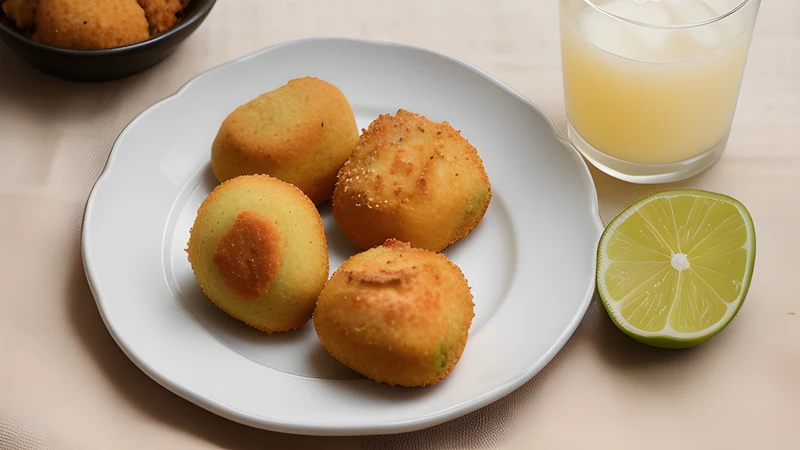
↓ Jump to recipeThere is a bar snack in Brazil so ubiquitous that it has stopped being food and become part of the furniture: the coxinha, a fried teardrop of dough stuffed with shredded chicken, sold from glass counters in every botequim and bakery from Belém to Porto Alegre. Order a cold beer anywhere in the country and a coxinha is the natural thing to put next to it. The name means “little thigh”, because the classic shape is a miniature chicken drumstick, pointed at one end so you have somewhere to hold it.
Making them at home is a proper afternoon’s work, and I will not pretend otherwise. There are three separate jobs — the filling, the dough, the shaping and frying — and none of them is hard, but they need to be done in order and the dough demands some arm. What you get for the effort is a croquette with a thin, blistered, shatteringly crisp crust and a soft, savoury, almost creamy interior that the frozen supermarket version cannot touch. Once you have made a batch and stashed half in the freezer, you will understand why Brazilians eat them by the million.
Coxinha: The Teardrop Chicken Croquette
Ingredients
- 500g boneless, skinless chicken thighs
- 1 litre chicken stock, plus more if needed
- 1 small onion, finely diced
- 3 garlic cloves, crushed
- 2 tbsp tomato purée
- 2 tbsp olive oil
- Small bunch parsley, chopped
- 250g plain flour
- 300ml whole milk
- 40g butter
- 150g catupiry, cream cheese or a soft curd cheese
- 2 eggs, beaten, for coating
- 150g fine dried breadcrumbs
- Neutral oil, for deep-frying
- Salt and black pepper
Method
- Poach the chicken thighs in the stock with a pinch of salt for 20 minutes until cooked through. Lift out, reserving the stock, and shred finely with two forks once cool enough to handle.
- Soften the onion and garlic in the olive oil, stir in the tomato purée and cook for a minute, then add the shredded chicken, parsley, salt and pepper. Loosen with a ladle of the poaching stock so it is moist but not wet. Cool completely.
- For the dough, measure 500ml of the reserved stock into a pan with the milk and butter and bring to a simmer. Tip in all the flour at once and beat hard over the heat with a wooden spoon until it forms a smooth ball that pulls away from the sides, about 4 minutes.
- Turn the hot dough onto a surface and knead until smooth and cool enough to handle. Cover so it does not dry out.
- Take a golf-ball of dough, flatten into a disc in your palm, add a spoon of chicken and a small nub of catupiry, then pinch the dough up and over into a teardrop with a pointed top. Repeat.
- Roll each coxinha in beaten egg, then in breadcrumbs, pressing to coat fully.
- Heat oil to 170C. Fry in batches for 4 to 5 minutes until deep golden. Drain on a rack and eat hot.
Where the little thigh comes from
The origin story that gets told most often is set in nineteenth-century São Paulo state, in the town of Limeira, and involves the son of the Princess Isabel. The boy, so the tale goes, would eat only chicken thighs, and one day when there were none the family cook improvised: she made a dough, filled it with shredded chicken, and shaped it to look like the thigh he loved. Whether or not a princess’s fussy son really invented it, the story tells you something true about the dish. The coxinha is a way of making a little meat go a long way and look like more, which is the logic behind a great deal of the world’s best cheap food.
What is not in doubt is that by the twentieth century the coxinha had become the defining snack of the paulista working day, the thing you grab standing up at a lanchonete counter. Somewhere along the way the filling gained catupiry, a mild, spreadable Brazilian requeijão cheese invented in Minas Gerais in 1911, and the frango com catupiry — chicken with catupiry — coxinha became the standard everyone measures the others against. If you cannot find catupiry, a soft cream cheese does the same job.
Catupiry deserves a word of its own, because it is one of those brand names that has become a generic. It was created in 1911 by an Italian immigrant, Mário Silvestrini, in Minas Gerais, and the name is said to come from a Tupi-Guaraní word meaning “excellent”. It is a requeijão, a soft, mild, spreadable cooked cheese somewhere between cream cheese and a thick béchamel, and its job in a coxinha is to melt into a molten, savoury pocket at the centre. The trademarked original still comes in its distinctive round tub, but any soft cream cheese, or a thick homemade requeijão, gives you the same effect. Some cooks skip the cheese entirely for a plainer, older-style coxinha of just seasoned chicken, and that is honest and good too; the cheese is the twentieth-century upgrade that most Brazilians now expect.
The dough is the whole game
Everything that separates a good coxinha from a heavy, doughy disappointment is in the dough. It is a scalded dough, made by beating flour into hot liquid until it gelatinises into a smooth, elastic mass, exactly the same principle as the choux you would make for profiteroles. The difference is that here the liquid is chicken stock and milk, so the dough itself tastes of chicken, and it is not enriched with eggs.
Use the stock you poached the chicken in. This is the free flavour that makes homemade coxinha taste of something. Bring the stock, milk and butter to a simmer, then add all the flour in one go and beat over the heat without stopping. For the first minute it looks like a disaster, a lumpy paste clinging to the spoon. Keep going. It smooths out, tightens, and after three or four minutes forms a single glossy ball that leaves a film on the base of the pan. That film is your signal to stop.
The dough must be worked while hot to become pliable, so tip it out and knead it — carefully, it is hot — until it is smooth and cool enough to handle. If it cracks when you try to shape it, it is too dry and needs a splash more warm stock kneaded in. If it slumps and will not hold a shape, it needs another minute of cooking to drive off moisture. Keep it covered with a damp cloth while you work, because a dry skin makes shaping impossible.
Shaping without tears
Take a ball of dough about the size of a golf ball and press it into a thin disc in your cupped palm, thicker in the centre than at the edges. Put a heaped teaspoon of the cooled chicken and a small nub of cheese in the middle. Now bring the edges of the dough up and around the filling, pinching them together and drawing the top into a point. The classic teardrop shape is not just for looks — the point gives you a handle and helps them stand up in the fryer.
Two things ruin the shaping. First, warm filling: it must be completely cold, or it makes the dough slippery and the parcels burst. Second, too much filling: be modest, seal fully, and check there are no cracks where oil can get in. A coxinha that splits in the fryer floods with oil and greases the lot.
Roll each finished teardrop in beaten egg and then in fine dried breadcrumbs. Traditionally coxinhas are dipped in a thin flour-and-water batter and then crumbs, but egg-and-crumb is easier and just as crisp.
A word on why the scalded dough behaves as it does. Beating flour into hot liquid cooks the starch and lets it absorb far more moisture than a cold dough could, which is what makes the massa smooth, stretchy and strong enough to wrap thinly around a filling without tearing. It is the same gelatinised-starch trick behind choux pastry and behind a Chinese tangzhong, and it is why the shell fries up thin and crisp rather than thick and bready. The traditional coating is a loose polvilho or flour-and-water slurry followed by breadcrumbs, which gives the classic slightly craggy crust; the egg-and-crumb method here is a modern convenience that crisps just as well and keeps the hands cleaner. Whichever you use, an even, complete coating with no bare patches is what stops the coxinha bursting and drinking oil in the fryer.
Frying them right
Heat the oil to 170C and hold it there. Too hot and the crust browns before the inside heats through; too cool and they drink oil and turn heavy. A thermometer earns its place here. Fry in small batches so the temperature does not crash, turning them so they colour evenly, for four to five minutes until deep golden. Lift onto a rack, not kitchen paper, so the underside stays crisp. Everything inside is already cooked, so you are only crisping the shell and warming the middle.
Eat them hot, when the crust still crackles and the cheese is soft. They are traditionally served with nothing more than a shake of hot sauce or a squeeze of lime, and honestly they need nothing more.
The coxinha’s natural home is the botequim, the corner bar, where it sits under glass alongside pastéis, kibes and bolinhos de bacalhau as part of the great Brazilian repertoire of salgadinhos, the savoury fried snacks eaten standing up with a cold beer. At a children’s party it turns up in a miniature, one-bite size; at a bar it is a fist-sized meal. It is street food, party food and comfort food at once, which is exactly why it is worth learning to make well at home, where you control the freshness of the filling and the heat of the oil in a way the frozen trade never can.
Make-ahead and freezing
This is a big recipe, and the good news is it stages beautifully. The filling can be made a day ahead. Better still, freeze the shaped, breaded coxinhas raw on a tray, then bag them once solid, and fry straight from frozen at a slightly lower 165C for six or seven minutes so the centre thaws before the crust over-browns. A freezer drawer of raw coxinhas is one of the best things you can do for a future party.
Fried leftovers reheat acceptably in a hot oven for ten minutes, though they are never quite as good as the first sitting. Skip the microwave, which steams the crust soft.
Filling variations
Chicken with catupiry is the standard, but the dough will hold almost anything cold and well-seasoned. Shredded slow-cooked beef, a spiced minced-meat picadillo, or a mixture of sautéed mushrooms and cheese all work. In the northeast you find versions with dried shrimp. Whatever you use, keep it moist enough to be pleasant but dry enough to shape, and season it a shade more boldly than seems right, because the bland dough tones everything down.
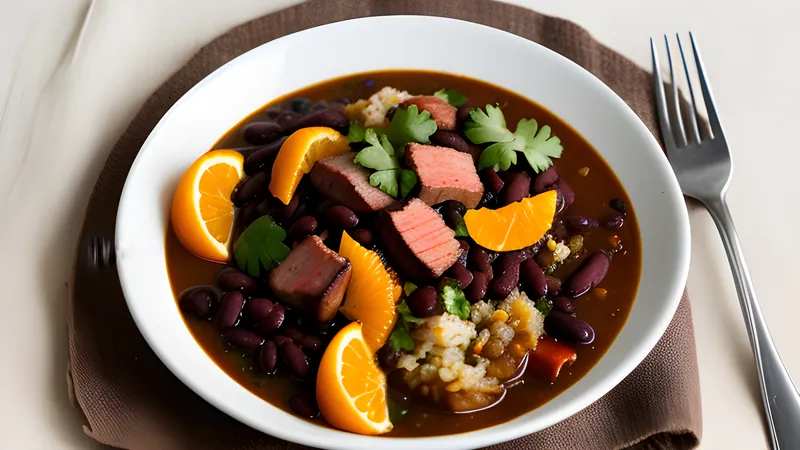
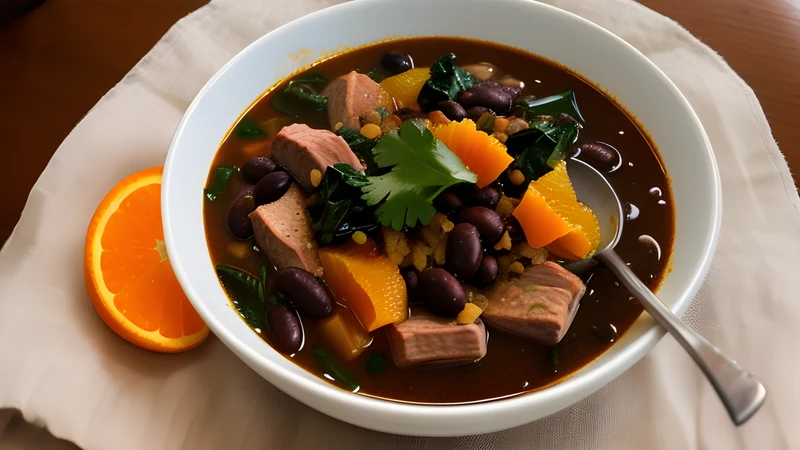
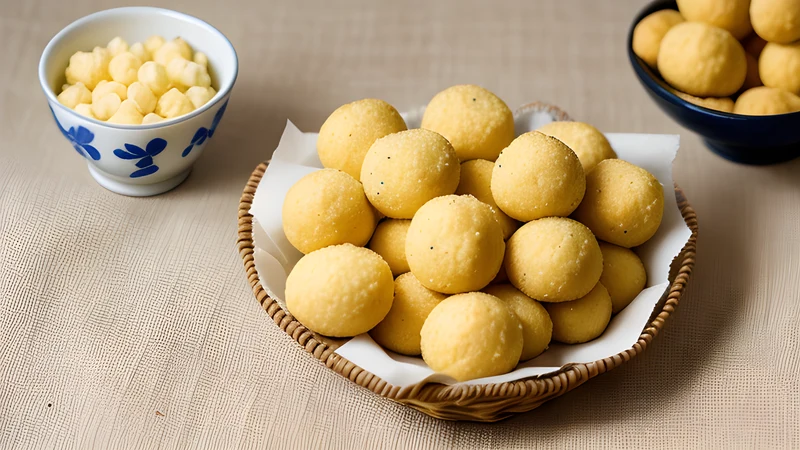
If you have caught the Brazilian bug, the natural next stop is the gluten-free cheese roll pão de queijo, which uses the same love of cheese and chew with a fraction of the effort. For a proper weekend build there is the black-bean-and-pork epic feijoada completa, and for something from the coast, the coconut-and-palm-oil moqueca baiana rounds out the picture of a country that takes its snacking as seriously as its feasting.
Give yourself an unhurried afternoon, keep the dough covered and the filling cold, hold the oil at 170C, and you will turn out a batch of coxinhas good enough that people assume you bought them.
Related Content