Coconut and Lime Cake with Toasted Meringue
Tropical, tangy, and crowned with torched marshmallow clouds
Contents
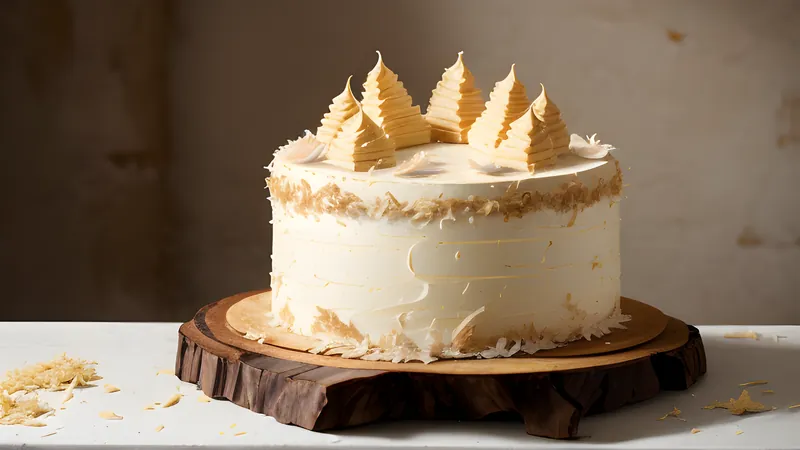
↓ Jump to recipeThis is the cake I make when I want to feel like I am on holiday in a kitchen that is, in reality, grey and drizzly and three minutes from a bus stop. Coconut and lime is one of those pairings that simply works, the way salt works with caramel: the mellow sweetness of coconut wants the sharp green edge of lime, and the lime wants something soft and creamy to lean against. The twist here, and the reason people go quiet when you carry it to the table, is the toasted meringue on top. Instead of a buttercream or a glaze, you swirl a billowing meringue over the cake and blast it with a blowtorch until it scorches into something halfway between a toasted marshmallow and a campfire memory.
Coconut and Lime Cake with Toasted Meringue
Ingredients
- 250g unsalted butter, softened
- 250g caster sugar
- Finely grated zest of 4 limes
- 4 large eggs
- 200g self-raising flour
- 1 tsp baking powder
- 100g desiccated coconut
- 150ml coconut milk
- Juice of 2 limes
- 4 large egg whites (for the meringue)
- 200g caster sugar (for the meringue)
- 0.25 tsp cream of tartar
- 50g coconut flakes, lightly toasted, to finish
Method
- Heat the oven to 170C fan and line two 20cm sandwich tins with baking paper.
- Beat the butter, sugar and lime zest together until pale and fluffy.
- Add the eggs one at a time, beating well, then fold in the flour, baking powder and desiccated coconut.
- Loosen the batter with the coconut milk and juice of one lime, then divide between the tins.
- Bake for 30 to 35 minutes until golden and springy, then cool in the tins for ten minutes before turning out.
- Whisk the egg whites with cream of tartar to soft peaks, then add the sugar gradually, whisking to stiff, glossy peaks.
- Whisk in the juice of the second lime, then sandwich the cooled cakes with a thin layer of meringue and pile the rest on top.
- Swirl the meringue into peaks and torch until deeply golden and blistered.
- Scatter with toasted coconut flakes and serve within a few hours while the meringue is still soft.
A cake with a sense of place
Coconut cake is really several unrelated cakes wearing the same name. In the American South it means the towering, snow-white layer cake of Christmas tables, seven-minute frosting piled with fresh shredded coconut. Around the eastern Mediterranean and the Levant it means something denser and syrup-soaked, closer to the semolina-and-coconut namoura drenched in orange-blossom syrup. What links them is coconut’s particular sweetness, which is mellow and rounded rather than sharp, and its high fat content, which keeps a crumb moist for days.
The British contribution is more teatime than tradition. Desiccated coconut arrived in commercial quantities in the late nineteenth century, and Victorian and Edwardian bakers folded it into sponges, macaroons and the coconut-and-jam traybakes that turned up in school dinners for decades afterwards. Lime is the modern interloper here, and a very welcome one, borrowed from the coconut-lime pairing you meet everywhere in South-East Asian cooking, from a bowl of tom kha to a plate of Thai green curry.
The reason the combination sings is chemistry as much as fashion. Coconut is rich in fat and carries flavour beautifully, but on its own it can taste flat and one-note. Lime brings acidity and a crowd of bright, almost floral aromatic compounds concentrated in the oils of its zest, and those volatiles cut cleanly through the fat. It is exactly why a squeeze of lime is compulsory over a coconut curry: the sourness resets your palate so the last forkful tastes as vivid as the first. Zest carries far more of that aroma than juice, which is why this recipe uses the zest of four limes but the juice of only two.
The sponge, and getting it moist
The base is a straightforward creamed sponge, but two things keep it from drying out, which coconut sponges are prone to do. The desiccated coconut is thirsty and will pull moisture from the crumb if you let it, so the batter is loosened with coconut milk and lime juice until it drops easily from the spoon rather than sitting stiff. Beating the butter, sugar and zest together for a full four or five minutes matters too: you are whipping air into the fat, and that trapped air is what gives the cake its rise and its tender, even crumb. Rush this stage and you get a denser, tighter cake. Rubbing the lime zest into the sugar with your fingertips before you start creaming is worth the extra minute, because the sugar crystals bruise the zest and coax far more of its fragrant oil into the mix than simply tipping it in loose.
Add the eggs one at a time and beat well between each. If the batter looks curdled and grainy after the eggs go in, it has split, usually because the eggs were fridge-cold; a spoonful of the flour brings it back together, and next time leave the eggs out of the fridge for an hour first. Fold the flour, baking powder and coconut in gently with a large metal spoon rather than beating, because once the flour is in, over-mixing develops the gluten and toughens the crumb. Divide the batter evenly between the two tins; if you want them truly level, weigh the tins on a scale as you fill them. Bake at 170C fan until the sponges are golden and springy and a skewer comes out clean, 30 to 35 minutes, and resist opening the oven in the first 25 minutes or the sudden draught of cool air can make the rise sink. Cool the cakes in their tins for ten minutes before turning them out, or the warm, tender sponge can tear as it leaves the tin.
The meringue, and why you should torch it
The crown is a French-style meringue, whipped raw and set by the torch rather than cooked over a bain-marie. It looks like restaurant showing-off and is genuinely easy at home, but the trick is to whisk the whites to truly stiff peaks before you stop. Underbeaten meringue weeps and slides off the cake; a properly stiff one holds sharp peaks and takes a flame without collapsing. Test it by turning the bowl upside down over your head. If you trust it there, it is ready.
A quarter-teaspoon of cream of tartar earns its place. The acid strengthens the network of egg-white proteins so the foam stays glossy and stable rather than turning grainy or weeping a puddle of syrup. Add the sugar gradually, a spoonful at a time, so each addition dissolves; rub a little between finger and thumb, and when you can no longer feel grains, the meringue is smooth and ready.
When the blowtorch comes close, the surface sugars caramelise in seconds. Keep the flame moving so you scorch the tips of the peaks rather than melting whole sections flat, holding it about 10cm from the surface. You are after a tortoiseshell pattern of deep amber against pale cream and that faint marshmallow-around-a-campfire smell. No blowtorch? A few minutes under a fierce grill does it, but watch it without pause: meringue goes from golden to charcoal in the time it takes to answer the door.
Substitutions, storage and variations
For a gluten-free cake, swap the self-raising flour for a plain gluten-free blend plus 2 tsp baking powder; the coconut disguises any slight grittiness well. No cream of tartar to hand? Half a teaspoon of lemon juice or a few drops of white vinegar does the same stabilising job in the meringue, tightening the egg-white proteins so the foam holds. If you would rather avoid the torch entirely, this cake is also lovely finished with a simple lime glaze: whisk the juice of a lime into 150g of icing sugar and pour it over the cooled cake so it runs down the sides, then scatter the toasted coconut over the top before it sets.
The sponge layers freeze beautifully for up to three months, so I often bake them ahead, wrap them well and add the meringue on the day. Do not assemble too far in advance: the meringue is at its best within a few hours of torching, and after a night in the fridge it loses its lift and starts to weep, though it still tastes good. Store any assembled leftovers in the fridge under a loose cover and eat within two days.
To push the tropical theme further, brush the warm sponges with a little extra lime juice loosened with a tablespoon of caster sugar, which keeps them properly moist and tart. Two tablespoons of finely chopped toasted macadamias folded into the batter add a buttery crunch, and a tablespoon of dark rum stirred into the coconut milk does the grown-up version no harm at all. If you love a bright, syrup-soaked citrus cake, the same logic drives this blood orange polenta cake. Whatever you do, do not skip the toasted coconut flakes on top: they give the crucial textural contrast against all that soft meringue, and they make the whole thing look as though it has just been carried off a beach.
Related Content