Ciorbă de Perișoare: The Sour Romanian Meatball Soup
tiny pork-and-rice meatballs in a soured, lovage-scented broth
Contents
↓ Jump to recipeThe word ciorbă does a lot of work in Romanian cooking, and it is the key to understanding this soup. A supă is a clear, gentle soup; a ciorbă is a soured one, sharpened with something acidic until it makes your cheeks tighten pleasantly. That sourness is the whole identity of the dish, and getting it right is the difference between an authentic ciorbă de perișoare and a bland vegetable-and-meatball soup wearing its name. Across Romania and Moldova, ciorbe are eaten daily, year round, and they are considered restorative in the deepest sense: the standard advice for a hangover, a cold, or a bad week is a bowl of hot sour soup, and it genuinely helps.
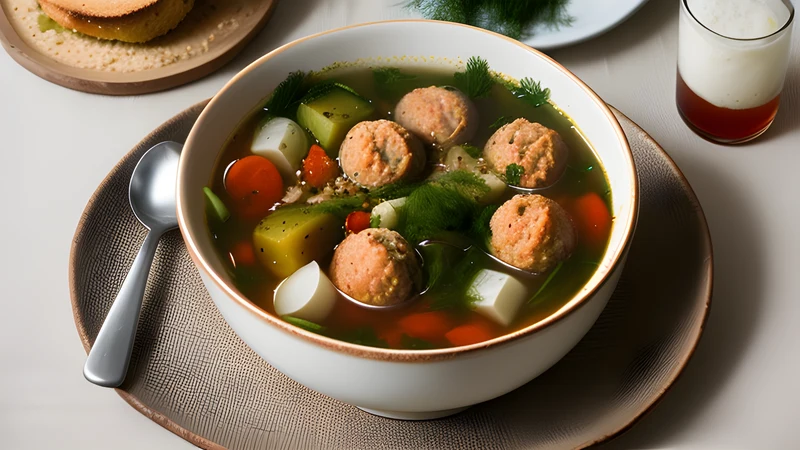
Perișoare are the little meatballs that give this particular ciorbă its name, small spheres of minced pork bound with rice and egg, poached gently in the broth so they stay tender. They are a beloved everyday soup found in home kitchens and old-school canteens alike, the kind of thing a Romanian grandmother makes a huge pot of and reheats through the week. It is a complete meal in a bowl: protein, grain, vegetables and a bracing sour broth, all in one. Served with a wedge of mămăligă alongside brânză and smântână or a slice of good bread, it needs nothing else.
Ciorbă de Perișoare: The Sour Romanian Meatball Soup
Ingredients
- 500g minced pork (or half pork, half beef), about 15% fat
- 60g long-grain rice, rinsed
- 1 egg
- 1 large onion, half grated into the meat, half diced for the soup
- 2 carrots, diced
- 1 small parsnip, diced
- 150g celeriac, diced
- 1 red pepper, diced
- 2 tbsp sunflower oil
- 1 tbsp tomato paste
- 2 ripe tomatoes, chopped, or 200g tinned
- 2 litres water or light stock
- 250-400ml borș (fermented bran liquid), or juice of 2 lemons, to taste
- 1 large bunch fresh lovage (leuștean), chopped
- Small bunch parsley, chopped
- Salt and black pepper
- Smântână or soured cream, to serve
Method
- Make the meatballs: mix the minced pork with the rinsed rice, egg, half the onion grated in, some chopped parsley, salt and pepper. Wet your hands and roll into small walnut-sized balls.
- Soften the remaining diced onion in the oil, then add the carrot, parsnip, celeriac and pepper and sweat 5 minutes. Stir in the tomato paste and cook 1 minute, then add the chopped tomatoes.
- Pour in the water or stock, bring to a gentle simmer and cook 15 minutes until the root vegetables begin to soften.
- Lower the meatballs into the gently simmering broth and poach 15-20 minutes until cooked through and floating, keeping the heat well below a rolling boil.
- Take off the boil. Stir in the borș or lemon juice gradually to taste, then the chopped lovage and parsley off the heat. Adjust salt and sourness.
- Serve hot with a spoon of cold smântână stirred in, bread or mămăligă alongside, and a hot chilli for those who want one.
The soul of the dish is the souring
You cannot make a proper ciorbă without an acid, and the traditional, defining one is borș. This is not the beetroot soup that the word means in Polish and Ukrainian; in Romanian, borș is a fermented liquid made by souring wheat or maize bran in water for several days until it turns sharp and faintly yeasty, a live, tangy soured liquid that is stirred into soups at the end. It gives a rounded, almost effervescent sourness quite unlike the flat sharpness of vinegar. Bottled borș magic is sold in Romanian shops, and if you can find it, use it, adding it near the end and tasting as you go, because its strength varies.
If borș is out of reach, the everyday substitutes are lemon juice, the brine from sauerkraut, or the juice of very sour green plums or unripe grapes in season, called agurida. Each gives a slightly different character: sauerkraut brine leans savoury and funky, lemon is clean and bright, plum juice is fruity and tart. Whatever you use, add it off the boil and adjust to taste, because too little makes the soup dull and too much makes it harsh. The target is a soup that tastes distinctly, confidently sour without crossing into unpleasant.
The second half of the soul is lovage, leuștean in Romanian, and it is not optional if you want the real thing. Lovage is a tall celery-scented herb with an intense, savoury, almost yeasty aroma, and it is to Romanian soup what dill is to Scandinavian cooking: the defining green note. A generous handful stirred in at the end transforms the broth. Fresh lovage can be hard to find outside Romanian shops and gardens, and while celery leaf plus a little parsley is a passable stand-in, it is worth growing a lovage plant if you make these soups often; it is a hardy perennial that comes back every year with almost no effort.
The perișoare, and why they hold together
The meatballs are minced pork, or a mix of pork and beef, bound with raw rice and a beaten egg. The rice matters twice over: it lightens the texture so the meatballs are tender rather than dense, and as it cooks it releases a little starch that helps them hold their shape in the simmering broth. Grate half an onion straight into the meat mixture rather than dicing it; the onion juice keeps the meatballs moist and the fine texture disappears into the meat instead of leaving crunchy pieces. Season the mixture well with salt, pepper and a little chopped parsley, and, if you want, a spoonful of the raw soup vegetables finely grated in.
Wet your hands and roll the mixture into small balls, roughly the size of a walnut or smaller; Romanian perișoare are dainty, and small ones cook through evenly and feel more elegant in the bowl. Some cooks roll the meatballs in a little flour before poaching for extra insurance against falling apart, though well-bound meatballs with enough egg and rice hold together fine without it. Lower them into the gently simmering broth, kept well below a rolling boil, which would batter them apart, and let them poach quietly. They will firm up and float as they cook, about 15 to 20 minutes.
Building the broth
Start the soup as you would any good vegetable-based broth. Soften the diced onion in a little oil, then add the diced carrot, parsnip, celeriac and red pepper and let them sweat for a few minutes to build a sweet base. Stir in the tomato paste and cook it out for a minute so it loses its raw edge, then add the chopped tomatoes. Pour in the water or light stock and bring it to a gentle simmer. The root vegetables need time to soften and give their sweetness to the broth, so let them cook for fifteen minutes or so before the meatballs go in.
Then poach the perișoare directly in this broth. This is deliberate: the meatballs flavour the soup as they cook, and the rice starch gives it a little body. Keep the heat gentle throughout. Once the meatballs are cooked through and the vegetables are tender, take the pot off the boil, stir in the borș or lemon to your taste, then the chopped lovage and parsley off the heat so their aroma stays fresh and green. Taste and correct the salt and the sourness one last time; this final balancing is where a good cook earns the bowl.
Serving, and the soured-cream question
Ciorbă de perișoare is served hot, with a spoon of cold smântână or soured cream stirred in at the table by those who want it, which softens the sourness into something creamy and rounded. A fresh green or pickled hot chilli on the side is traditional, bitten between spoonfuls. Bread is essential for mopping, and a wedge of mămăligă turns it into a heartier meal. The soup keeps beautifully in the fridge for three or four days and, like most soured soups, tastes even better on the second day once the flavours have settled, though you may need to freshen it with a little more lovage on reheating.
One word of care on reheating: warm it gently rather than boiling it hard, or the meatballs toughen and the fresh herb flavour cooks away. If the rice in the meatballs has drunk up broth and thickened the soup overnight, loosen it with a splash of water and re-check the seasoning and the sourness, since both fade slightly in the fridge.
Making your own borș
If you cannot buy borș and want the real, rounded sourness rather than a lemon shortcut, you can make it, and it is an old, satisfying piece of kitchen alchemy. The classic method takes wheat bran, a little cornmeal, a crust of stale bread and sometimes a few cherry twigs or a handful of maize, all steeped in warm water in a large jar and left in a warm spot for three or four days. Wild yeasts and lactic bacteria take hold and sour the liquid until it smells sharp and faintly bready, at which point you strain off the cloudy liquid, the borș proper. A spoonful of an existing batch speeds the next one along, the way a sourdough starter does, and many rural households kept a borș jar going more or less permanently.
Homemade borș is milder and more complex than lemon, with a gentle fizz of fermentation behind the acidity, and it keeps in the fridge for a week or two, deepening as it goes. It is the ingredient that makes Romanian sour soups taste unmistakably Romanian, and if you get into cooking ciorbe regularly it is worth the small effort of keeping a jar on the go.
When it goes wrong
A few things commonly trip people up. Meatballs that fall apart usually mean too little egg or rice to bind them, or a broth boiling too hard; keep it at a bare simmer and check your binding. A soup that tastes flat is almost always undersoured or underseasoned, so add borș or lemon a little at a time and a good pinch of salt until it comes alive, because sourness and salt together are what make a ciorbă sing. A muddy, bitter edge comes from boiling the fresh herbs, so always add the lovage and parsley off the heat at the very end. And if the broth is thin and watery, it likely needed longer sweating the root vegetables at the start, or a touch more tomato paste for body; next time, build the base more patiently before the liquid goes in.
Regional versions and variations
Ciorba de perișoare is the base template for a whole family of Romanian sour soups. Swap the meatballs for pieces of beef and you have ciorbă de văcuță; use tripe and garlic and it becomes the famous ciorbă de burtă; a summer version, ciorbă țărănească, loads in green beans, courgette and a whole garden of vegetables. In Moldova the souring often leans harder on borș, while in southern Muntenia lemon or sauerkraut juice is more common. Some households enrich the finished soup with a liaison of beaten egg yolk and soured cream tempered into the hot broth, giving a silkier, creamier body; add it slowly off the boil so the egg does not scramble.
For a fasting or vegetarian version, drop the meatballs and instead thicken the soup with more rice or with small dumplings of semolina and egg, called găluște, poached the same way. The sour, lovage-scented broth carries these variations effortlessly. This soup also sits naturally at the front of a Romanian feast; ladle it out before a plate of sarmale cabbage rolls, with the smoky zacuscă spread on bread to nibble alongside, and you have the shape of a proper Sunday table.
Make a big pot. Ciorbă de perișoare is the sort of soup that improves a whole week, sour and warming and quietly restorative, and once you have the borș-and-lovage balance in your hands you will find yourself reaching for it whenever the weather or the mood turns grey.
Related Content