Smoked Paprika and Chorizo White Bean Stew
A smoky one-pot supper in under an hour
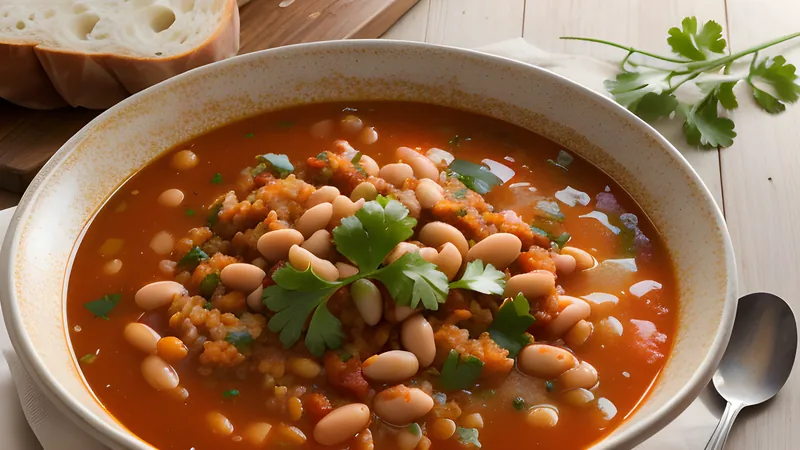
Contents
↓ Jump to recipeSome dishes earn their place in the weeknight rotation not through any single brilliant element but through sheer reliability, and this smoky chorizo and white bean stew is exactly that for me. It comes together in under an hour, it leans almost entirely on the storecupboard, and it delivers a depth of smoky, savoury flavour that feels wildly out of proportion to the small effort involved. It is the pot I reach for when I want something genuinely satisfying without spending the evening at the stove.
Smoked Paprika and Chorizo White Bean Stew
Ingredients
- 2 tbsp olive oil
- 250g cooking chorizo, cut into thick coins
- 1 large onion, chopped
- 1 red pepper, diced
- 4 garlic cloves, sliced
- 2 tsp smoked paprika (pimentón), sweet or a mix of sweet and hot
- 1 tbsp tomato purée
- 1 x 400g tin chopped tomatoes
- 2 x 400g tins butter beans or cannellini beans, drained
- 400ml chicken stock
- 1 bay leaf
- 1 tsp sherry vinegar
- Salt and black pepper, to taste
- Large handful of flat-leaf parsley, chopped
- Crusty bread, to serve
Method
- Heat the oil in a wide casserole and fry the chorizo coins over a medium heat until crisp at the edges and the oil runs deep orange. Lift out with a slotted spoon and set aside.
- Add the onion and red pepper to the chorizo oil and cook for 8 to 10 minutes until soft and beginning to colour.
- Stir in the garlic and smoked paprika and cook for 1 minute, taking care not to let the paprika burn, then add the tomato purée for a further minute.
- Pour in the chopped tomatoes and let them cook down for 5 minutes until jammy.
- Add the beans, stock and bay leaf, and return the chorizo to the pot. Bring to a simmer.
- Simmer gently, uncovered, for 20 to 25 minutes until the stew has thickened and the flavours have melded. Crush a few beans against the side of the pot to thicken it further.
- Stir in the sherry vinegar, taste and season well.
- Scatter generously with parsley and serve with plenty of crusty bread to mop the bowl.
The dish behind the dish
This is not a traditional Spanish recipe with a fixed name, but it sits squarely in a real tradition. Beans and pork are the backbone of Spanish country cooking, from the fabada of Asturias — fat white fabes beans simmered slowly with chorizo, morcilla and pork shoulder — to the humbler potajes eaten across the peninsula through the winter. What ties them together is the pairing of a starchy pulse with a smoky, fatty sausage, and the understanding that the sausage is there as much for its rendered fat as for its meat.
The smokiness that makes both this stew and the sausage itself so distinctive comes from pimentón, Spanish smoked paprika. It is made by drying ripe red peppers over slow-burning oak fires, most famously in the La Vera valley of Extremadura, where the technique earned a protected designation of origin. That oak smoke is what separates Spanish paprika from the bright, sweet Hungarian kind, and it is the flavour this whole pot is built around. My version is a weeknight compression of that country tradition: tinned beans instead of dried, forty minutes instead of an afternoon, but the same essential idea.
The magic of chorizo oil
The whole dish hinges on one early step, and it is worth doing properly. When you fry cooking chorizo over a medium heat, the heat coaxes the fat out of the sausage, and that fat is stained a deep, glowing orange by the paprika and garlic packed inside. This is liquid gold. You then cook everything else in it, so that the smoky, garlicky, faintly spicy essence of the chorizo seeps into the onions, the peppers and ultimately the whole stew. Lift the chorizo coins out once they are crisp at the edges and set them aside, but never, ever pour away that oil.
A word on chorizo itself, because it matters. You want cooking chorizo, the soft, raw, horseshoe-shaped kind sold for frying and stewing, not the cured slicing chorizo you would put on a board. The cooking sort releases its fat and stays tender and juicy in the pot, whereas the cured kind turns rubbery. If you can find a good Spanish brand, all the better, but a decent supermarket cooking chorizo does the job admirably.
Fry the chorizo over a genuinely medium heat rather than a fierce one, and give it time. If the pan is too hot the outside seizes and chars before the fat inside has had a chance to render out, and rendering that fat is the entire purpose of the step. You are looking for the coins to shrink slightly, crisp at their edges and release a pool of orange oil into the pan; that usually takes four or five minutes of unhurried cooking. Resist the urge to rush it, and never crowd the pan, because a heaped layer of chorizo steams in its own moisture instead of frying and browning.
The clever twist: doubling down on smoke
Chorizo is already smoky, thanks to the pimentón packed into it, so my one deliberate move here is to lean into that rather than fight it. I add a couple of teaspoons of smoked paprika of my own, blooming it in the hot chorizo oil for a minute so it deepens and rounds out before any liquid arrives. This is the trick that makes the stew taste like it has been simmering all day rather than forty minutes: a second layer of smoke that amplifies the sausage and gives the whole pot a warm, woody backbone.
Be careful here, because paprika scorches in a heartbeat and burnt paprika turns acrid and bitter, ruining a dish in seconds. Keep the heat moderate, stir constantly, and have your tomatoes ready to add the instant it smells fragrant. A mix of sweet and hot smoked paprika is my preference, sweet for the body and a little hot for a gentle background warmth, but use whatever you have and adjust the heat to your taste.
Putting the pot together
Heat 2 tablespoons of olive oil in a wide casserole and fry 250g cooking chorizo, cut into thick coins, over a medium heat until crisp at the edges and the oil runs deep orange. Lift the coins out with a slotted spoon and set them aside, leaving that stained oil behind. Add 1 chopped onion and 1 diced red pepper and cook for 8 to 10 minutes until soft and beginning to colour. Stir in 4 sliced garlic cloves and 2 teaspoons smoked paprika and cook for just 1 minute, then add 1 tablespoon tomato purée for a further minute.
Pour in a 400g tin of chopped tomatoes and let them cook down for 5 minutes until jammy. Add two 400g tins of drained butter or cannellini beans, 400ml chicken stock and 1 bay leaf, return the chorizo to the pot and bring to a simmer. Cook gently, uncovered, for 20 to 25 minutes until thickened, crushing a few beans against the side of the pot to thicken it further. Stir in 1 teaspoon sherry vinegar, taste and season well, then scatter generously with chopped flat-leaf parsley and serve with crusty bread.
Beans, body and a splash of acid
Butter beans are my favourite here for their plump, creamy texture, but cannellini work just as well, and tinned is entirely the right call on a weeknight; nobody is soaking dried beans on a Tuesday. To thicken the stew without flour or fuss, crush a handful of the beans against the side of the pot near the end. They break down into a starchy, silky liquor that binds everything together and gives the broth a luxurious cling.
The finishing splash of sherry vinegar is the detail that lifts the dish out of one-note richness. Smoked paprika, chorizo and beans are all deep, savoury, rounded flavours, and without a hit of acid the stew can feel heavy and flat. A teaspoon of sherry vinegar stirred in at the end, with its faintly oaky sharpness, cuts through the fat and makes everything taste brighter and more alive. Real sherry vinegar comes from the same triangle of Andalucía around Jerez that gives us the wine, aged in the same solera system, which is where that mellow, oaky edge comes from; red wine vinegar will do in a pinch, but the sherry sort is the authentically Spanish choice and worth keeping in the cupboard. Add it off the heat and at the very end, because prolonged boiling drives off the volatile acids that do the brightening.
One more note on the beans. Do rinse the tinned beans in a sieve before they go in, since the thick, salty liquor they sit in can taste faintly metallic and will muddy the finished broth. If you would rather cook dried beans from scratch on a slower day, soak 250g of dried butter beans overnight and simmer them until tender before adding, and use their cooking water in place of some of the stock — it carries real flavour and body. Dried beans, cooked well, hold their shape and creamy texture far better than tinned, and they are worth the effort when you have the time; add a little salt only once they are already soft, since salting from cold can toughen the skins.
Serving and making it your own
This is bread-mopping food, plain and simple. A torn hunk of crusty sourdough or a baguette is all the accompaniment it needs, though a sharp green salad on the side cuts through the richness nicely. For a heartier version, wilt a few big handfuls of spinach or kale into the pot at the end, or crack eggs into little wells in the surface and cover the pan until they set, turning the stew into a sort of rustic Spanish brunch — the same trick that carries shakshuka from a tomato sauce to a full meal.
If you want a bean stew with a gentler, greener personality, my Tuscan white bean and cavolo nero soup leans on olive oil and rosemary rather than smoke, but shares the same trick of crushing beans to thicken the broth. Like most stews of this kind it is even better the next day, the smoke and garlic settling into the beans overnight, so I always make a generous panful. Finish it with a truly enthusiastic amount of chopped parsley, far more than feels sensible, because its fresh, grassy bite is the green counterpoint that stops the bowl feeling muddy. Smoky, generous, cheap and fast, this is the kind of honest cooking that makes a weeknight feel looked after.
Related Content