Choripán: The Sandwich Before the Meat
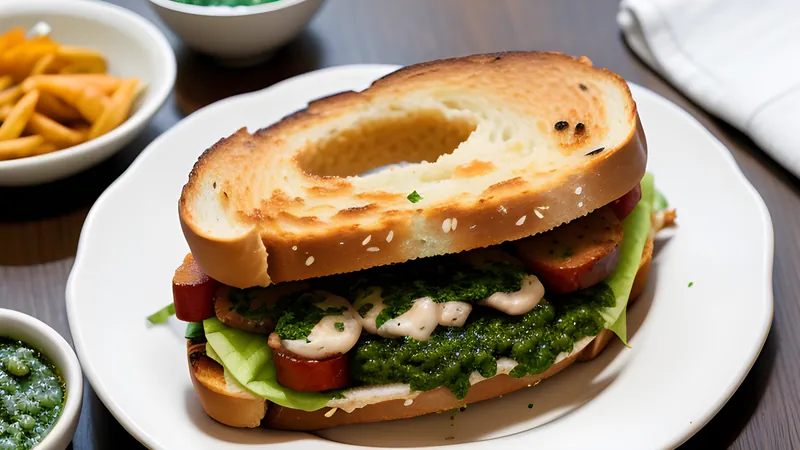
Split chorizo, grilled hard, tucked into bread with chimichurri
Contents
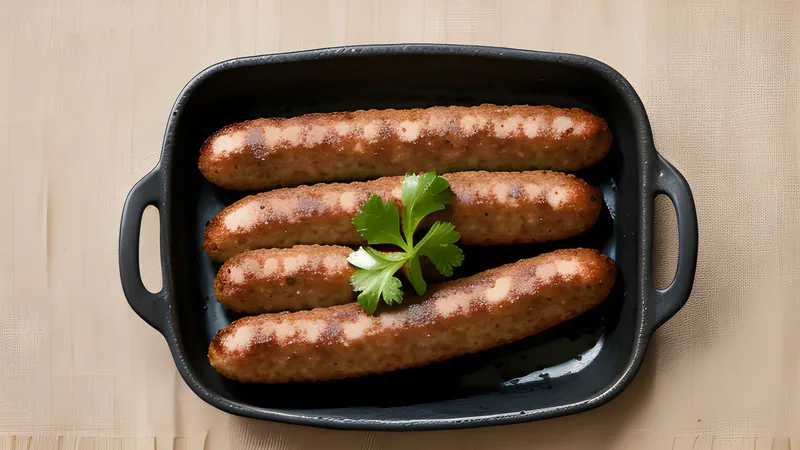
↓ Jump to recipeChoripán turns up at an asado before the sausages are meant to be eaten as sausages. It’s what the asador hands round while the main cuts of beef are still hours from ready, built from whatever’s already cooked and available — usually chorizo, because chorizo cooks fast and holds up on a grill better than most things, and because it’s traditionally one of the first things laid down on the fire.
The name is exactly what it looks like on the page: chorizo plus pan, bread. There’s no hidden complexity in the concept, which is precisely why it rewards attention to the details that are easy to skip past — how the sausage is split, how hot the bread gets, how much chimichurri actually makes it into the sandwich rather than just sitting decoratively on top.
Choripán: The Sandwich Before the Meat
Ingredients
- 4 fresh (uncured) chorizo criollo sausages, about 150g each
- 4 crusty baguette-style rolls, split lengthways
- 4 tablespoons chimichurri (fresh parsley, oregano, garlic, red wine vinegar, olive oil, chilli flakes)
- 2 tablespoons olive oil, for the grill
- Salsa criolla (finely diced tomato, onion, red pepper, red wine vinegar, olive oil), to serve
- Flaky salt
Method
- Bring the sausages to room temperature for 20 minutes before grilling.
- Heat a grill or heavy griddle pan to medium-high and brush lightly with oil.
- Grill the sausages whole for 12-15 minutes, turning every 2-3 minutes, until the internal temperature reaches 71°C and the skin is deeply browned.
- Rest the sausages for 3 minutes off the heat.
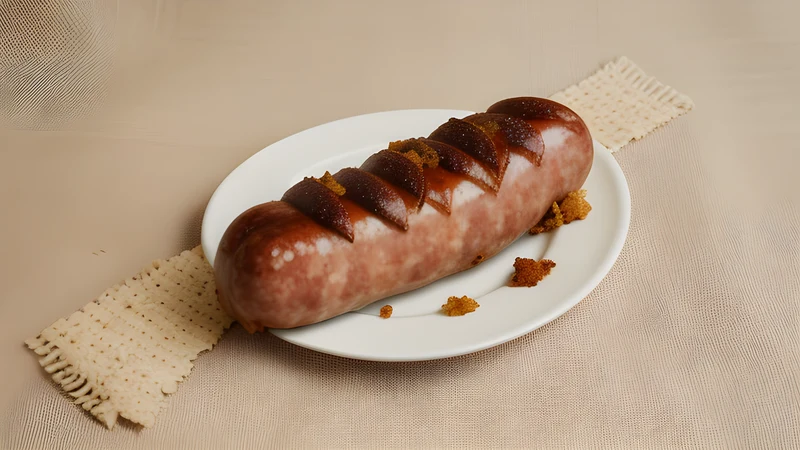
- Split each sausage lengthways almost all the way through, leaving a hinge, then press flat onto the hot grill cut-side down for 1-2 minutes to add extra crust.
- Lightly toast the cut side of each roll on the grill for 30 seconds.
- Spoon a thin layer of chimichurri onto the base of each roll.
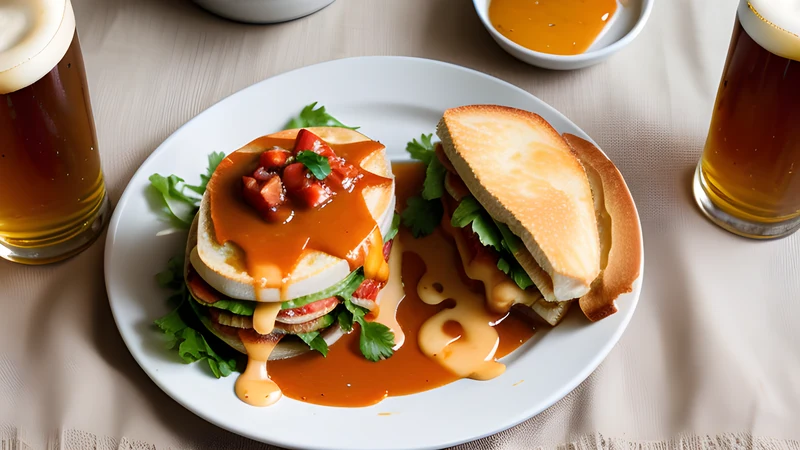
- Lay the flattened sausage into the roll, spoon over more chimichurri and a generous scoop of salsa criolla, and finish with a pinch of flaky salt.
- Serve immediately, while the sausage is still hot enough to soften the bread slightly.
Street food and grill-side ritual
Choripán exists in two overlapping contexts in Argentina. At an asado, it’s grill-side food, eaten standing up with a drink in the other hand while the real event is still cooking. On the street, particularly around football stadiums and outside markets, it’s proper fast food, sold from carts with a line of regulars who know exactly which vendor gets the char right and which one skimps on chimichurri. Both versions are the same sandwich; the context just changes who’s making it and how long you’re likely to wait.
Regional variation exists even within Argentina — some provinces favour a spicier chorizo with more chilli in the mix, while others keep the seasoning gentler and let the chimichurri carry more of the heat. Uruguay, just across the río de la Plata, has its own near-identical version of the sandwich, a reminder that the culinary border between the two countries is porous in exactly the places you’d expect: grilled meat, bread, and a sharp green sauce, argued over by both sides as to whose version came first. The rivalry is affectionate rather than serious, the sort of thing brought up over the second round of drinks rather than argued with any real heat, but ask a vendor on either bank of the river and they’ll insist their version is the original, seasoned differently enough that a regular can tell the difference blind.
Chorizo criollo — the Argentine fresh sausage used here — is different from Spanish chorizo in almost every respect that matters to how you cook it. It’s uncured and unsmoked, seasoned with garlic, paprika and white wine rather than the smoked paprika that defines Spanish chorizo’s flavour and deep red colour, and it must be cooked through like any other fresh sausage rather than eaten as the ready-to-slice cured meat that Spanish chorizo is. If your grocer only stocks the cured Spanish style, look instead for a fresh pork sausage seasoned with garlic and paprika — a fresh Italian-style sausage with the sweet fennel left out and paprika added is closer to the right idea than reaching for cured chorizo, which will simply behave wrong on the grill.
The split-and-flatten technique
Grilling a whole sausage gets you cooked meat with decent skin, but splitting it open partway through — after the initial grilling, once it’s cooked through — and pressing the cut side flat against the hot grill for another minute or two is what gets you the extra surface area of char that makes choripán distinct from just putting a whole sausage in a bun. This step isn’t universal even in Argentina, but it’s the version I prefer, because that extra minute of direct contact with the hot metal builds a crust on the interior surface of the sausage that a whole, unsplit sausage never develops.
The hinge matters here — cut almost all the way through but leave enough intact that the sausage opens like a book rather than falling into two separate halves. This lets you press it flat as one piece, maximising the surface area touching the grill while keeping the sausage in a shape that still fits neatly into a split roll afterward.
Timing the split matters too. Cut the sausage open too early, before it’s properly cooked through, and you lose juices onto the grill that should have stayed inside the meat. Wait until the sausage has reached a safe internal temperature and rested briefly, then split and flatten — you’re adding char at this stage, not finishing the cooking.
Chimichurri, properly made
Chimichurri is not a garnish here in the sense of an optional extra — it’s structural to what makes a choripán a choripán rather than just a sausage sandwich. Fresh parsley forms the bulk of it, chopped fine but not pulverised to a paste, mixed with oregano (dried works better than fresh for the same concentrated-flavour reason it works in provoleta), a good amount of garlic, red wine vinegar for acidity, and enough olive oil to bind everything into a loose, spoonable sauce rather than a thick paste.
The balance between vinegar and oil is where most home versions go wrong, usually erring too far toward oil and ending up bland. Argentine chimichurri should have real acidic bite — enough that a spoonful on its own makes your mouth pucker slightly — because that sharpness is what cuts through the richness of grilled pork fat. If your chimichurri tastes purely herby and mellow with no edge, add more vinegar before you add more oil.
Salsa criolla
Salsa criolla — the finely diced tomato, onion, and pepper mixture also dressed with vinegar and oil — plays a different role from the chimichurri, adding freshness, crunch and a mild sweetness from the tomato and onion that offsets both the fattiness of the sausage and the sharp acidity of the chimichurri. Some choripán versions use one or the other; the best versions, in my experience, use both, layered so you get the herby punch of chimichurri first and the fresher crunch of salsa criolla as you chew through.
Dice the vegetables for salsa criolla small and uniform — this isn’t a chunky salsa but a fine, almost confetti-like mixture that distributes through the sandwich rather than falling out in big pieces every time you take a bite.
Bread
The roll matters more than people assume going in. It needs a crust sturdy enough to hold up against a hot, juicy sausage and a wet sauce without collapsing into mush within the first two bites, but not so dense or chewy that it fights you. A baguette-style roll, split lengthways and lightly toasted cut-side down on the same grill the sausage just came off, picks up a little smoke and char of its own and firms the interior crumb just enough to resist the sauce.
Toasting is brief — thirty seconds is plenty. You’re looking for the surface to dry out and take a little colour, not for a hard, cracker-like toast that will scrape the roof of your mouth.
What can go wrong
A choripán where the sausage tastes underseasoned usually traces back to using the wrong sausage entirely — a mild breakfast-style pork sausage doesn’t carry enough garlic and paprika to stand up to the sharp chimichurri and acidic salsa criolla piled on top. If chorizo criollo genuinely isn’t available, look for the most heavily seasoned fresh pork sausage your butcher carries, and consider adding extra crushed garlic and a pinch of smoked paprika to your chimichurri to compensate for what the sausage itself is missing.
A soggy sandwich, falling apart by the third bite, is almost always a bread problem rather than a sauce problem — a soft supermarket roll simply can’t hold up to hot sausage and two wet sauces. Seek out something with real crust, and don’t skip the brief toast on the grill, which dries and firms the interior crumb exactly where the sauces will sit.
If your sausages split and lose their filling on the grill before you’ve had the chance to flatten them deliberately, the grill was likely too hot too fast — bring them up to temperature more gradually rather than starting on the highest setting, and prick the skin lightly in one or two spots before grilling to let steam escape in a controlled way rather than through an uncontrolled burst.
Make-ahead
Chimichurri and salsa criolla both improve slightly with an hour or two resting in the fridge before serving, as the flavours meld and the vinegar softens slightly into the other ingredients — make both well ahead of grill time rather than rushing them together at the last minute. Neither keeps particularly well beyond a day or two, since fresh herbs and diced raw vegetables both lose their vibrancy quickly; make only as much as you’ll use within that window.
The sausages themselves are best grilled to order rather than ahead of time and reheated — chorizo criollo loses much of its appeal once it’s been cooked, cooled, and warmed back up, since the crisp skin that’s central to the dish softens on standing and doesn’t fully recover with reheating.
A note on the name
Argentines will tell you, with real conviction, that choripán isn’t really a recipe so much as an assembly — chorizo, bread, done — and there’s something to that framing. The dish rewards attention to sourcing (a genuinely well-made chorizo criollo, a roll with real crust) and to two small techniques (the split-and-flatten, a chimichurri with real acidic bite) far more than it rewards any elaborate method. That simplicity is exactly why it works as grill-side food — nobody wants to fuss over a complicated recipe while the actual asado is still going, and choripán was never meant to compete with what comes after it.
Serving
Choripán is grill-side food, meant to be eaten standing, hot, within a minute or two of assembly. It doesn’t wait well — the bread softens quickly once the hot sausage and wet sauces are inside it, and a choripán that’s sat for ten minutes is a soggier, lesser version of the one eaten immediately off the board.
It pairs naturally with the rest of an asado spread — alongside provoleta as the two essential grill-side starters, or with a chimichurri with toasted cumin made in a larger batch so you’ve got extra for both the sandwich and whatever meat follows it off the grill.
Related Content