Chongqing Xiaomian: The Everyday Chilli Noodle
A breakfast bowl of numbing, garlicky chilli oil noodles
Contents
↓ Jump to recipeChongqing xiaomian isn’t a dish you order for a special occasion. It’s what you eat at a plastic stool outside a shopfront at seven in the morning, in under ten minutes, standing room only, the vendor’s ladle moving between a dozen bowls without pausing. There’s no protein, no vegetables beyond a token handful of greens, no broth simmered for hours. It’s noodles, a spoonful of seasoning paste, and a splash of the water they were cooked in. That simplicity is the entire point, and it’s also why it’s one of the hardest “simple” dishes to get right at home — there’s nowhere for a bad batch of chilli oil to hide.
Chongqing Xiaomian: The Everyday Chilli Noodle
Ingredients
- 250g thin fresh wheat noodles (or dried, if fresh unavailable)
- 4 tbsp chilli oil, with sediment (see method)
- 2 tbsp light soy sauce
- 1 tbsp dark soy sauce
- 1 tbsp Chinkiang black vinegar
- 1 tsp sugar
- 1 tsp ground roasted Sichuan peppercorns
- 4 garlic cloves, finely grated
- 2 tbsp ya cai (Sichuan preserved mustard stem), chopped
- 4 tbsp light stock or noodle cooking water, per bowl
- 2 tbsp toasted peanuts, roughly chopped
- 2 spring onions, finely sliced
- 80g choy sum or other leafy green, blanched
- 1 tsp toasted white sesame seeds
Method
- Divide the chilli oil, both soy sauces, black vinegar, sugar, ground Sichuan pepper, garlic and ya cai evenly between two serving bowls.
- Bring a large pot of water to a rolling boil. Blanch the choy sum for 30 seconds, then lift out and set aside.
- Cook the noodles in the same water according to packet instructions until just tender, usually 2-3 minutes for fresh noodles.
- Ladle 4 tbsp of the hot noodle cooking water into each bowl, on top of the seasonings, and stir to loosen the paste into a sauce.
- Drain the noodles well and pile into the bowls, on top of the sauce.
- Toss each bowl thoroughly from the bottom up so every strand is coated red.
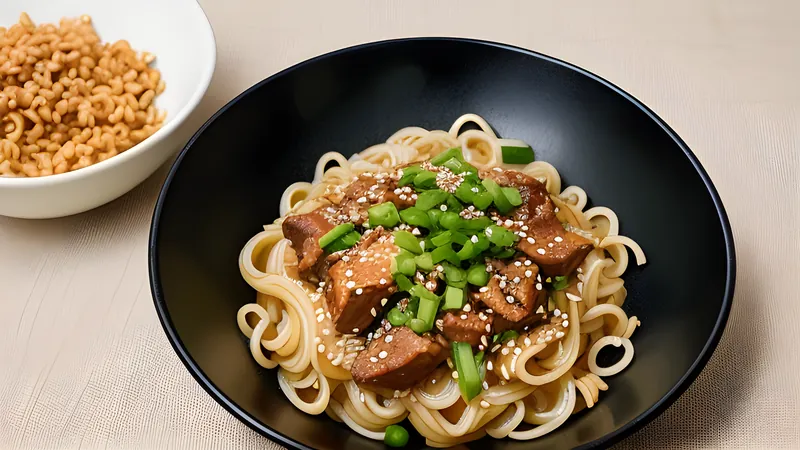
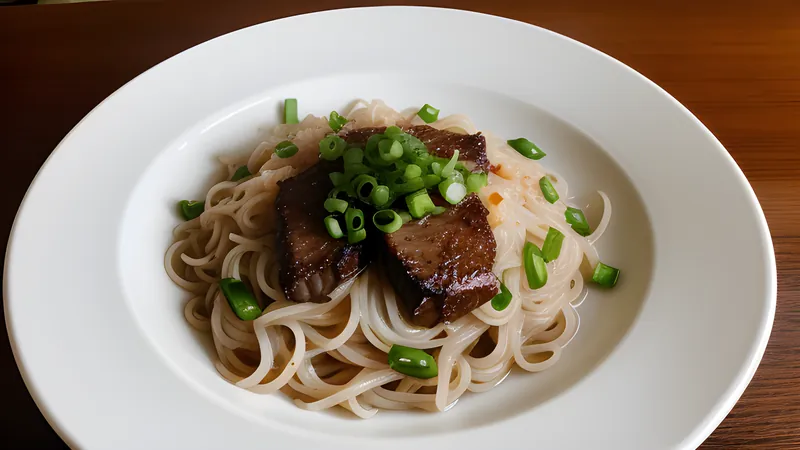
- Top with the blanched greens, chopped peanuts, spring onion and sesame seeds, and serve immediately.
Xiaomian means “small noodle,” not small effort
The name translates plainly as “little noodle,” a reference to how modest and inexpensive the dish has always been rather than any literal smallness of the noodle strand itself, which is thin but unremarkable — standard fresh wheat noodles, alkaline enough to have a slight springy bite, nothing exotic. What separates a great bowl from a forgettable one is never the noodle. It’s the base: the paste of chilli oil, aromatics, preserved vegetable and seasoning sauces sitting in the bottom of the bowl before the noodles ever arrive.
Chongqing, a mountainous, humid city on the Yangtze in southwestern China, built its street food culture around exactly this kind of dish: fast, cheap, intensely flavoured, sold from small storefronts and carts to a population of dock workers, boatmen and labourers who needed calories and heat rather than refinement. The city’s damp climate is often cited as the reason chilli and Sichuan pepper are used so aggressively across its cuisine — both are believed locally to help drive out dampness from the body, whether or not that folk physiology holds up, and the sheer volume of chilli oil consumed daily in Chongqing kitchens is real regardless of the reasoning behind it.
Chilli oil is not a condiment here, it’s the base
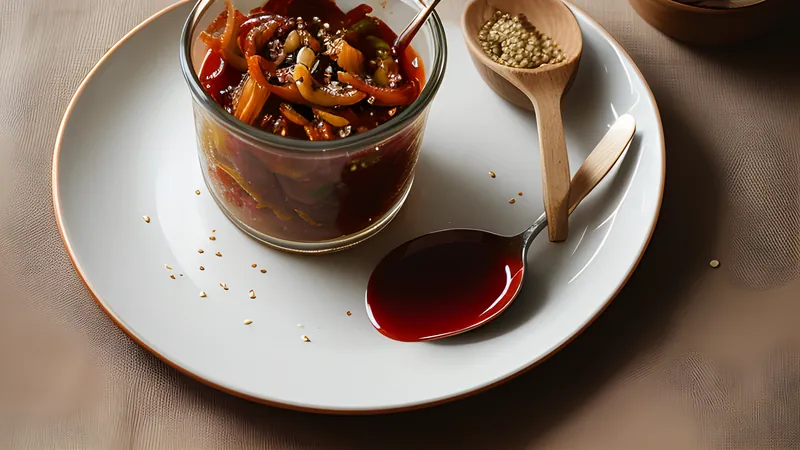
Most non-Sichuan cooks treat chilli oil as a finishing drizzle. In xiaomian it’s a foundational ingredient, used in a quantity that would look alarming in almost any other noodle dish — four tablespoons per bowl, including the toasted spice sediment that settles at the bottom of a well-made jar. That sediment matters enormously: it’s where much of the depth lives, built from toasted chilli flakes, Sichuan pepper, star anise and other whole spices infused into hot oil and left to steep for at least a day. Skimming only the clear oil off the top and leaving the sediment behind gives you colour and heat without the layered, almost smoky complexity a good xiaomian needs.
If you’re making your own chilli oil rather than buying a jar, the version worth aiming for uses two grades of chilli flake added in stages — a coarser flake added to hot oil early for colour and body, a finer flake added once the oil has cooled slightly to preserve more of its aromatic top notes, since fine flake scorches easily at high heat and turns bitter. Whole spices — star anise, cassia bark, a bay leaf or two — go into the oil while it’s still hot, and the whole jar rests, sediment included, for at least 24 hours before it’s used. A shop-bought jar of good Sichuan chilli oil, sediment stirred through rather than left settled, is a perfectly respectable substitute and what most Chongqing households use day to day anyway rather than making their own from scratch each time.
The paste, built cold, activated hot
The genius of xiaomian’s assembly is that almost nothing gets cooked separately. The seasoning base — chilli oil, soy sauces, vinegar, sugar, ground Sichuan pepper, raw grated garlic and chopped ya cai — sits raw in the bottom of the bowl, and it’s the scalding hot noodle cooking water, ladled straight in before the noodles themselves arrive, that “cooks” the garlic just enough to soften its rawest edge while keeping everything else vivid and distinct. This is why the noodle water matters more here than in almost any other noodle dish: it’s lightly starchy from the cooking noodles, which helps the sauce cling rather than pool thinly at the bottom of the bowl, and it’s genuinely hot enough to bloom the aromatics on contact.
Ya cai, the preserved and slightly fermented mustard stem that’s a signature ingredient of Sichuan and specifically Chongqing cooking, contributes a savoury, faintly sweet, umami depth that’s hard to substitute convincingly. It’s sold in small vacuum packs in most East Asian grocers and, once opened, keeps in the fridge for weeks — worth seeking out rather than skipping, since it’s one of the few ingredients here doing a job nothing else quite replicates. In a genuine pinch, finely chopped preserved mustard greens (suan cai) with a pinch of extra sugar gets you into the same neighbourhood, though the flavour will read as sharper and less rounded.
Ground Sichuan pepper versus whole
Buy whole Sichuan peppercorns and toast and grind them yourself rather than reaching for a pre-ground jar, if you can manage it. Ground Sichuan pepper loses its numbing, citrusy punch within weeks of grinding as the volatile oils that carry that sensation evaporate, so a jar that’s been sitting on a supermarket shelf for months delivers a fraction of the effect a freshly toasted batch does. Toast whole peppercorns in a dry pan over low heat for a minute or two until fragrant and just starting to darken, then grind in a spice grinder or with a mortar and pestle. The numbing sensation this pepper produces, called ma in Chinese, is the defining sensory note of xiaomian alongside the chilli’s straightforward heat, or la — together the pair is what Sichuan cooking calls mala, and a bowl that’s all heat with no numbing has missed half the point.
Building your own bowl at home
The two soy sauces and the black vinegar do specific, separate jobs: light soy carries the primary saltiness, dark soy contributes colour and a slightly deeper, almost molasses-like note without excessive salt, and Chinkiang black vinegar cuts through the fat of the chilli oil with a bright, faintly sweet acidity that keeps the whole bowl from tasting one-dimensionally rich. Balance them by taste rather than rigid ratio once you’ve made the dish a couple of times — a Chongqing vendor’s exact ratio is a matter of house style, not fixed formula, and every stall’s bowl tastes at least slightly different from its neighbour’s.
Toss thoroughly and toss from underneath, lifting the noodles up from the base of the bowl where the concentrated sauce sits rather than stirring across the surface. An unmixed bowl of xiaomian looks deceptively plain — pale noodles sitting on top of a red paste — and the first proper toss, when the whole bowl turns uniformly glossy and red, is genuinely part of the appeal of eating it.
Noodle choice and why it’s not negotiable
Fresh, thin, alkaline wheat noodles — the kind sold chilled in East Asian grocers, sometimes labelled simply “fresh noodles” or by a regional name like shui mian — give the closest texture to a genuine Chongqing bowl: a slight yellow tint from the alkaline salts (kansui or a similar lye), a springy, slightly chewy bite, and enough surface starch to help the sauce cling once tossed. Dried wheat noodles are a workable substitute and far better than reaching for something rounder or thicker like udon, which carries too much of its own bland bulk and doesn’t take on the sauce the same way. Avoid egg noodles too; the extra richness competes with the chilli oil rather than supporting it. Whatever you use, undercook very slightly relative to the packet instructions — the noodles will continue softening in the hot bowl for the seconds it takes to toss and serve, and noodles cooked to full tenderness in the pot arrive at the table a touch overdone.
Why the dish never made it onto a proper menu until recently
For most of its history xiaomian was strictly street food, sold at unnamed stalls without menus, prices scrawled on a board, no seating beyond a few plastic stools. It’s only in the last couple of decades, as Chongqing’s own food culture gained recognition beyond Sichuan and southwestern China, that xiaomian started appearing on sit-down restaurant menus and eventually in cookbooks translated for a Western audience. That late arrival to formal recognition is part of why so many “authentic” recipes online disagree wildly on ratios and ingredients — there was never a single codified version to begin with, just thousands of individual vendors each making their own bowl slightly differently, the way a British high street has a dozen different “best” fish and chip shops with no single reference recipe among them.
Toppings are optional, the base is not
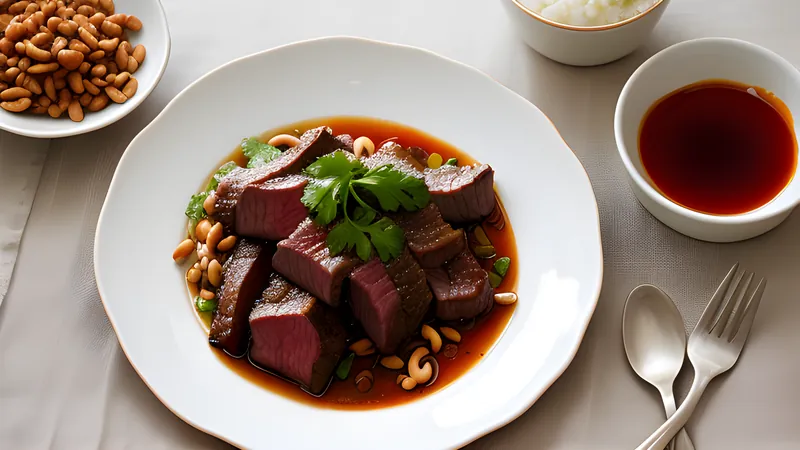
A handful of blanched greens and a scatter of chopped peanuts are the most common additions, but they’re genuinely secondary — plenty of Chongqing vendors sell xiaomian with nothing on top at all beyond a scattering of spring onion, and the dish loses nothing essential without them. Where xiaomian does get built up is with add-on proteins: zhaocai (a pickled vegetable topping), minced pork sautéed with a little more chilli bean paste, or a couple of stewed beef chunks ladled in as an upgrade called niurou xiaomian. None of these are necessary to make a satisfying bowl, and adding too much on top of an already intensely seasoned base risks muddying the clean, sharp hit that makes plain xiaomian so addictive in the first place.
Serve it as it’s eaten in Chongqing: immediately, standing up if you have to, before the noodles have any chance to sit in the sauce and go soft. It doesn’t reheat and it doesn’t wait, and there’s no version of leftover xiaomian worth keeping — the noodles bloat in the residual sauce within the hour and turn the whole bowl gluey. Make exactly as much as you’re about to eat and treat the seasoning paste, not the noodle, as the part of the recipe worth scaling up if you’re feeding more than two.
For more Sichuan chilli oil cooking, see dan dan noodles with toasted rice and sesame and mapo tofu with toasted Sichuan peppercorn oil. If you want the cold-plate cousin built on the same chilli oil, fuqi feipian sliced beef in Sichuan chilli oil is worth making next.
Related Content