Chin Chin: The Fried Nigerian Snack
The crunchy fried cubes that live in every Nigerian handbag
Contents
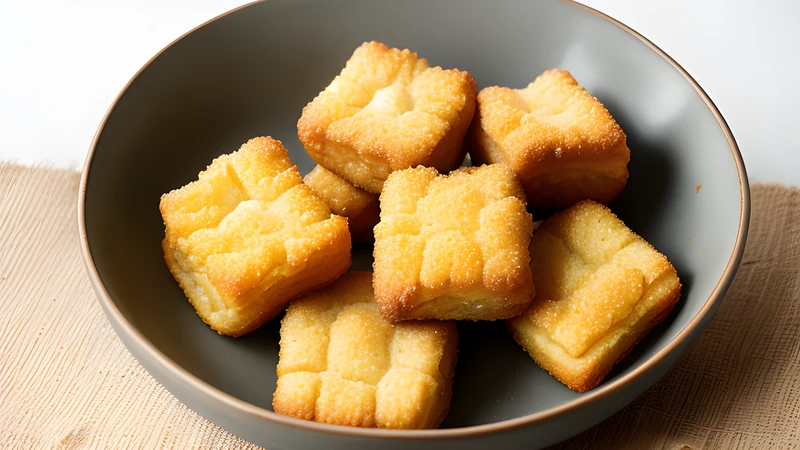
↓ Jump to recipeThere is a jar of chin chin in a great many Nigerian kitchens, and often a bag of it in the handbag of anyone leaving one. It is the snack you eat on a long drive, the thing offered with a cold drink when someone drops by, the treat kept back for the children and then eaten by the adults after they are asleep. It looks like the simplest thing in the world — fried squares of sweet dough — and it is, but the difference between chin chin that shatters with a proper hard crunch and chin chin that goes soft and biscuity comes down to a few decisions in the mixing bowl.
Chin Chin: The Fried Nigerian Snack
Ingredients
- 500 g plain flour, plus extra for rolling
- 100 g caster sugar
- half tsp salt
- 1 tsp baking powder
- 1.5 tsp freshly grated nutmeg
- 100 g cold unsalted butter, cubed
- 1 large egg
- 120 ml whole milk, plus a little more if needed
- 1 tsp vanilla extract
- 1 litre neutral oil, for deep-frying
Method
- In a large bowl, whisk the flour, sugar, salt, baking powder and nutmeg.
- Rub the cold butter into the dry mix with your fingertips until it looks like coarse breadcrumbs.
- Beat the egg with the milk and vanilla. Pour into the bowl and mix to a firm, tight dough. Add milk a teaspoon at a time only if it will not come together; the dough should stay stiff rather than soft.
- Knead on a floured surface for 3 minutes until smooth, then rest 15 minutes covered.
- Roll out to 5 mm thick. Cut into long strips, then across into small cubes about 1 cm.
- Heat the oil to 170C. Fry the cubes in batches for 4 to 5 minutes, stirring so they colour evenly, until deep gold and hard.
- Lift out with a slotted spoon and drain on kitchen paper. Cool completely before storing; they crisp fully as they cool.
A snack with West African roots
Chin chin belongs to Nigeria and neighbouring West African countries — you will meet close relatives in Ghana, Cameroon, Sierra Leone and beyond, under various names. It is a fried-dough snack in the broad family that stretches across many cultures wherever flour, fat and hot oil meet, but the Nigerian version has its own signature: the warm, insistent perfume of nutmeg, a restrained level of sweetness, and above all that dense, brittle crunch.
It is festival food and everyday food at once. At Christmas and for weddings and naming ceremonies it is made in enormous batches, but it is also just there, in the cupboard, all year round, because it keeps for weeks and travels without complaint. That keeping quality is the whole point of the texture. A soft, cakey snack goes stale; a hard, low-moisture one lasts, and so chin chin evolved to be genuinely hard-crunchy, the kind that gives your jaw something to do.
The snack travels under a shelf of different names, which tells you how far the idea has spread. Nigerians say chin chin; Cameroonians and Ghanaians make their own close versions, and related fried-dough treats turn up right across West Africa. It shares a table, too, with the wider world of fried festive dough, from the Italian chiacchiere to the Scandinavian klenät, all of them proof that flour, sugar and hot fat are a near-universal way to celebrate. What keeps the Nigerian version distinct is the discipline of it: modest sugar so it never tips into a biscuit, the firm dough that fries dense, and the nutmeg carried well past the level most cuisines would dare. Get those three right and you have chin chin rather than a generic fried sweet, whatever shape you cut it into.
The texture decision: hard or soft
People fall into two camps and both are legitimate, so decide before you start. Hard chin chin — my preference and the one that keeps best — uses less fat and a stiff, tightly-mixed dough, and it fries up dense and brittle. Soft chin chin uses more butter and a little more raising agent, and eats lighter and more like a biscuit. The recipe above is tuned to the hard side, because that is the version that lasts in a jar and the one I grew up wanting.
The levers are simple. More butter equals softer and shorter. More baking powder equals puffier and lighter. A wetter dough spreads and softens; a stiff dough stays dense. If you want a softer batch, push the butter to 150 g and the baking powder to 2 tsp. If you want it hard as it should travel, keep it as written and resist the urge to add milk — a dough that feels almost too stiff is exactly right.
The one twist: freshly grated nutmeg, and plenty of it
The spice most recipes treat as an afterthought is the soul of the thing. I grate whole nutmeg fresh rather than reaching for the pre-ground tin, and I use a good teaspoon and a half. Pre-ground nutmeg loses its volatile oils within weeks of grinding and tastes dusty and flat; a nutmeg grated to order is fragrant, warm and almost citrusy, and it perfumes the whole batch. This single change is what makes people say your chin chin tastes like their grandmother’s. A whole nutmeg lasts years in the cupboard, so there is no excuse.
Some cooks add a whisper of ground cinnamon or a grating of orange zest alongside. Both are good. Keep the nutmeg dominant.
Rolling, cutting and frying
Roll the dough to an even 5 mm. Too thick and the centres stay pale and doughy while the outsides burn; too thin and they fry to shards. Cut into small cubes around a centimetre; a pizza wheel makes short work of it, strips one way then across. They do not need to be neat — the raggedy edges catch the oil and crisp beautifully — but keep them roughly the same size so they cook at the same rate.
Fry at 170C. This is the temperature that matters most. Too hot and the cubes brown before the inside dries out, leaving a soft, greasy centre under a dark shell; too cool and they drink oil and turn heavy. Use a thermometer if you have one, and keep the batches small so the temperature does not crash when you add the dough. Stir gently as they fry so they colour evenly, and take them to a proper deep gold — pale chin chin has not lost enough moisture and will be soft. Four to five minutes is usually right.
The crucial, counter-intuitive step: they finish crisping as they cool. Straight out of the oil they still have some give. Drain them, spread them out, and leave them completely cool before you judge the texture or seal the jar. Bag them warm and the trapped steam softens the whole lot.
Serving and storing
Chin chin needs nothing. Eat it by the handful with tea, coffee or a cold soft drink. It is a natural companion to the rest of the Nigerian party table — a bowl of it alongside skewers of suya and a big pot of jollof rice is exactly how it turns up at celebrations, the sweet crunch closing a savoury spread.
Stored properly — completely cool, in a truly airtight jar — it keeps for two to three weeks and often longer. The enemy is moisture and air, which turn it stale and chewy, so a good seal is everything. If a batch does soften, a few minutes in a low oven at 150C will crisp it back up. Do not refrigerate it; the fridge is humid and does more harm than good.
Variations and shapes
The cube is standard, but chin chin is forgiving of ambition. Some cooks roll the dough thinner and cut it into little diamonds or short ribbons that fry lacy and light. Others knead in desiccated coconut for a chewier, tropical batch, or replace a fifth of the flour with custard powder for a golden colour and a faint vanilla-egg note that children love. A savoury version exists too, sugar cut right back and the nutmeg swapped for cracked black pepper and a little cayenne, meant for eating with drinks rather than tea. If you want to make a party spread out of one dough, split the batch before frying and season half sweet, half savoury.
A few households finish their chin chin with a light sugar glaze, tossing the just-fried cubes in a thin syrup and letting them dry to a faint crackly shell, which gives a sweeter, shinier snack closer to a sugared biscuit. Others enrich the dough with an extra egg yolk or a spoon of custard powder for a richer, more golden crumb, or swap a little of the milk for evaporated milk, which deepens the colour and the flavour. You can also play with the fat: butter gives the best flavour, but a mix of butter and a neutral shortening makes an even shorter, crisper bite. None of these changes the method, and all of them reward a test batch, since the dough tells you quickly whether it has gone too rich to hold that signature hard crunch. Keep notes the first few times and you will land on the version your own household asks for again and again.
Whatever the shape, the frying rules do not change: 170C, small batches, deep gold, cool completely. Get those right and the flavourings are yours to play with.
Make ahead
The dough can be made a day ahead and kept wrapped in the fridge; let it come back to room temperature before rolling, or it cracks. You can also cut the cubes, freeze them raw on a tray, then bag them and fry from frozen straight into the oil, giving them an extra minute — handy when you want fresh, hot chin chin for guests without the mess. Fried and cooled, a big batch divides neatly into gift bags, which is exactly how it circulates at Christmas.
Faults and fixes
If it comes out soft and biscuity when you wanted hard, you used too much butter or too much raising agent, or your dough was too wet. Tighten the dough and cut the butter next time.
If the centres are doughy, either the oil was too hot so the outsides ran ahead, or you rolled too thick. Drop the temperature to 165C and roll thinner.
If it tastes bland, it wants more nutmeg and a proper pinch of salt — salt in a sweet dough sharpens the flavour and stops it tasting flat. Adjust the sugar to taste, but Nigerian chin chin is only lightly sweet by design; it is a snack, not a biscuit, and the restraint is deliberate.
If it is greasy, your oil was too cool or you overcrowded the pan. Fry hotter and in smaller batches, and drain well on paper.
Chin chin is proof that the humblest ingredients — flour, sugar, butter, an egg and a nutmeg — make some of the most addictive food there is. Make a big batch, cool it properly, and hide the jar, because it will not last as long as its keeping qualities suggest.
Related Content