Chimichurri That Isn't Just Parsley
The Argentine steak sauce, made the way the parrilla makes it
Contents
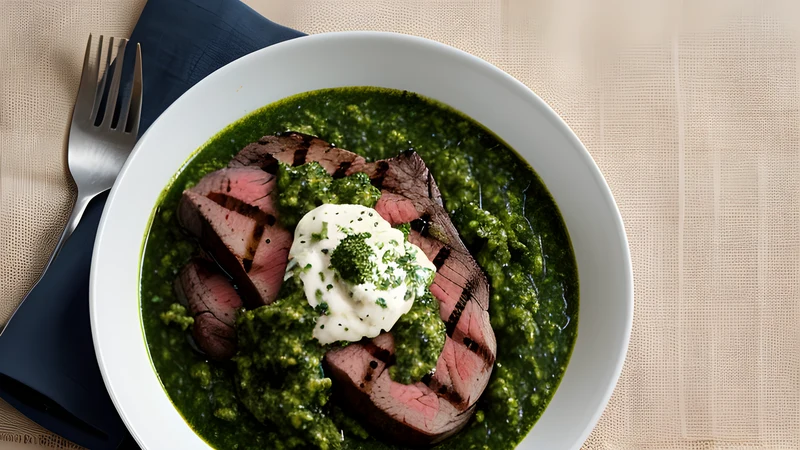
↓ Jump to recipeAsk ten Argentines how to make chimichurri and you will get eleven recipes, one shouted correction, and a story about a grandmother. What they will agree on is this: it is the sauce of the parrilla, the wood-fired grill that is less a cooking method than a national ritual, and it has to bite. A dull, oily, over-blended green slick is not chimichurri. The real thing is sharp with vinegar, loud with garlic, warm with chilli, and loose enough to pool around a piece of grilled beef and soak in.
Chimichurri That Isn't Just Parsley
Ingredients
- 1 large bunch flat-leaf parsley (about 40 g), leaves and fine stalks
- 1 tbsp dried oregano
- 6 cloves garlic, very finely chopped
- 1 to 2 tsp dried red chilli flakes (aji molido), to taste
- 125 ml extra virgin olive oil
- 60 ml red wine vinegar
- 60 ml warm water
- 1 tsp fine salt
- 1 small shallot or 1/4 red onion, very finely diced (optional)
- 1/2 tsp freshly ground black pepper
Method
- Dissolve the salt in the warm water in a bowl and let it cool. This is the salmuera, the salt brine that seasons evenly.
- Chop the parsley leaves and fine stalks by hand until fine but not a paste. Add to a bowl.
- Stir in the chopped garlic, dried oregano, chilli flakes, black pepper and optional shallot.
- Pour in the olive oil and vinegar, then the cooled salt water. Stir well; it should be loose and spoonable, not a thick pesto.
- Cover and rest at room temperature for at least 2 hours, ideally overnight, for the flavours to marry.
- Stir before serving. Spoon over grilled beef, or serve alongside as a dipping and basting sauce.
The name nobody can pin down
Nobody knows where the word comes from, and the theories are wonderful. One holds that it is a mangling of an English or Irish name — Jimmy McCurry, Jimmy Curry — supposedly a nineteenth-century soldier or trader whose sauce the locals could not pronounce. Another traces it to Basque tximitxurri, meaning something like a jumble or a mixture, which fits both the sauce and the immigrant history of the River Plate. A third points to Quechua roots. The honest answer is that the etymology is lost, and every confident story about it is folklore dressed as fact. What survives is the sauce, and the sauce has a clear identity even when its name does not.
Chimichurri belongs to the same table as the great Argentine grill dishes: the asado of ribs and sausages, the milanesa when someone wants a break from red meat, the empanadas handed round before the beef is ready. On any parrilla worth the name there is a jar of chimichurri within arm’s reach, and it does double duty: brushed on the meat as it grills, and spooned over once it is carved.
Chimichurri is bound up with the great wave of European immigration that shaped Argentina and Uruguay, and you can taste that history in it. The dried oregano and the generous olive oil point to the Italian and Spanish families who poured into Buenos Aires and Montevideo around the turn of the twentieth century and who turned the asado into a national institution. The sauce is peasant thrift made permanent: herbs, garlic, vinegar and oil, the things a kitchen always has, whisked into something that makes cheap grilled beef taste like a feast. It belongs to the whole ritual of the grill rather than to any single recipe card, which is why every family guards a slightly different version and why the argument about the correct one never ends. What everybody agrees on is its job: to cut the richness of fat and char with acid and garlic, and to smell of green herbs and wine vinegar the moment it hits hot meat.
The twist that isn’t a twist: chop, never blend
My clever move with chimichurri is to refuse the clever move. The single most common mistake is reaching for the food processor. Blend the herbs and you tear their cells, release bitter compounds, aerate the oil and end up with a bright green emulsion that looks like pesto and tastes muddy. Chimichurri is a chopped sauce. The parsley should be cut fine by hand, the garlic minced with a knife, and everything loosely suspended in oil and vinegar rather than bound into a paste. You want to see the pieces. You want the oil to stay clear and the vinegar to stay sharp. A little patience with a knife is the whole secret, and it is why the sauce reads as fresh rather than heavy.
The salmuera trick
Here is the technique that separates a parrillero’s chimichurri from a home cook’s first attempt: the salmuera. Rather than tipping salt straight into the oil, where it never fully dissolves and lands unevenly, dissolve it in a little warm water first, let it cool, then stir that brine into the sauce. The salt is now evenly distributed through the liquid, seasoning every spoonful the same. It also loosens the texture, which is the point — chimichurri should pour freely rather than sit in a stiff scoop. This brine step is old grill-cook wisdom and it genuinely changes the result.
Building the sauce
Start with a large bunch of flat-leaf parsley. Curly parsley works in a pinch but flat-leaf has more flavour and chops cleaner. Use the fine stalks as well as the leaves; they carry plenty of taste and a good texture. Chop until fine but stop well before paste — you should still see distinct green flecks.
Dried oregano, not fresh, is the traditional herb partner. Fresh oregano is too soft and grassy; the dried leaf has the concentrated, slightly medicinal punch the sauce needs. A full tablespoon is right for this quantity.
Garlic is where you commit. Six cloves for 300 ml sounds like a lot until you taste it after resting, when the raw heat has mellowed into something rounded and deep. Chop it by hand, fine but not crushed. Crushing releases more of the sulphurous heat; a clean fine chop keeps it civilised.
Chilli comes as aji molido, dried red pepper flakes, milder and fruitier than the crushed chillies you might scatter on a pizza. Ordinary chilli flakes work; start with a teaspoon and add more once the sauce has rested and you can judge the real heat. A finely diced shallot or a little red onion is optional and slightly heretical to purists, but it adds a gentle sweetness that I like.
Then the liquids: good olive oil, red wine vinegar, and the cooled salt brine. The ratio of oil to vinegar is personal. I use roughly two parts oil to one part vinegar plus the water, which lands sharp and lively. Some like it milder. Stir, taste after resting, adjust.
The oil is worth a thought. A grassy, peppery extra virgin olive oil gives the most character, but a very bitter or aggressive oil can dominate the herbs, so a milder everyday olive oil, or a cut of olive with a neutral oil, is a safe choice if your good bottle is fierce. The vinegar should be a decent red wine vinegar; harsh white spirit vinegar is too brutal, and cider vinegar pulls the flavour in a fruitier direction than the sauce wants. If you like a rounder edge, a squeeze of lemon alongside the vinegar softens the sharpness without dulling it. These are small choices, but chimichurri has so few ingredients that each one shows, and getting the oil and the acid right is most of the battle.
Why it has to rest
This is not a make-and-serve sauce. Freshly mixed, chimichurri tastes of raw garlic and harsh vinegar, with the components sitting apart from one another. Give it two hours at room temperature and it transforms; give it overnight and it is a different, deeper thing. The garlic loses its aggression, the oregano rehydrates and blooms, the chilli spreads its warmth through the oil, and the whole sauce settles into balance. Make it the day before you need it. It keeps in the fridge for a week or more, improving for the first few days, though the herbs will dull in colour — bring it back to room temperature before serving so the oil loosens.
How to actually use it
The obvious job is spooning it over grilled steak — a ribeye, a bavette, a skirt, anything with char and fat for the vinegar to cut through. But chimichurri is more versatile than that. Brush it onto meat during the last minutes on the grill so the herbs toast slightly. Toss roasted potatoes in it while they are hot. Spoon it over grilled fish or charred aubergine. Stir a spoonful into a bean stew at the end for a lift. Unlike a delicate herb oil, chimichurri is robust and forgiving, and a jar of it in the fridge makes weeknight cooking better across the board.
Chimichurri rojo, and other cousins
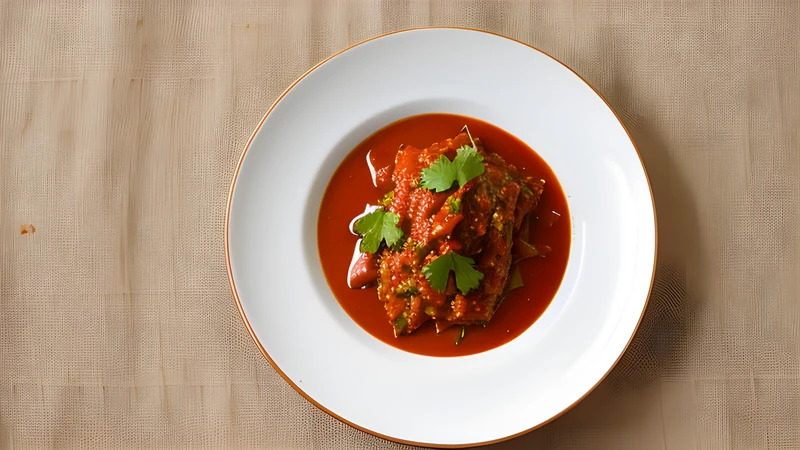
What I have described is the classic green chimichurri. There is also chimichurri rojo, a red version built on paprika and sometimes tomato, common in Uruguay and parts of Argentina, warmer and rounder and less sharp. And there is salsa criolla, the chunky raw relish of diced tomato, onion and pepper that often shares a table with chimichurri but is a separate thing entirely — fresher, sweeter, more of a salad than a sauce. Keep them straight and you will sound like you know what you are doing at an asado.
Uruguay, which takes its grill at least as seriously as Argentina, tends towards the red version and often keeps a jar of chimichurri loosened with a little more oil as a standing condiment for the chivito and the asado. In parts of Argentina you will meet a drier, coarser chimichurri sold as a spice mix to be hydrated at home with oil and vinegar, handy for a barbecue where nobody wants to chop herbs. And across the region cooks argue about whether water belongs in the sauce at all; the salmuera camp swears by it for the loose texture and even seasoning, while others use only oil and vinegar and accept a thicker result. None of these is wrong. Taste, adjust the sharpness and the salt, and settle on the balance your own table likes best.
A few honest pitfalls
Do not use old, dusty dried oregano; it is the backbone of the flavour and stale oregano tastes of nothing. Do not cut the resting short and then blame the sauce for tasting fierce; that fierceness is the recipe doing its job, and it settles with a few hours’ patience. Do not blend it, however tempting the shortcut. And do not fear the garlic quantity; it mellows dramatically as the sauce sits. Get those four things right and you will have a jar of the brightest, most useful sauce in your fridge, the one that makes a plain grilled steak taste like it came off a fire in Buenos Aires.
Related Content