Chilli Oil with Crispy Shallots and Sichuan Peppercorn
Crunchy, numbing and dangerously good
Contents
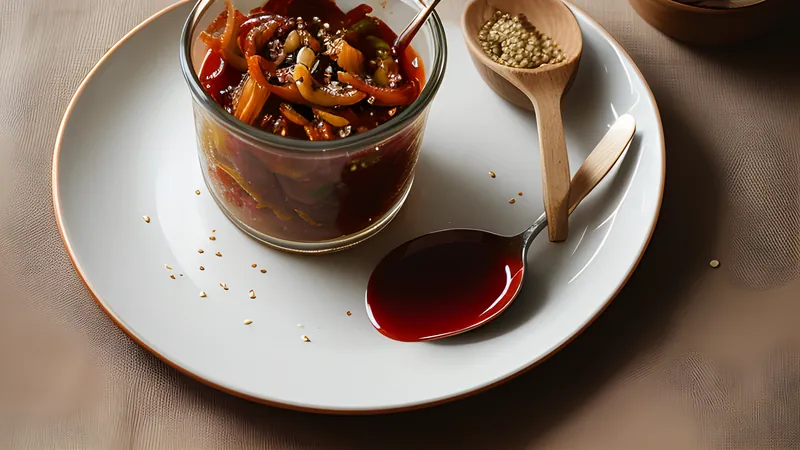
↓ Jump to recipeOnce you make your own chilli oil, the shop-bought jars start to look a bit sad. This one has everything: deep red heat from the chilli, the tingling, lip-buzzing numbness of Sichuan peppercorn, savoury depth from soy, and the thing that makes it truly addictive, a tangle of crispy fried shallots and garlic folded right through. Spoon it over noodles, dumplings, fried eggs, rice, roast vegetables, or honestly anything that needs waking up. The crispy shallots are my one small twist, and they turn a good chilli oil into one you will guard jealously. It costs a fraction of a good jarred version, keeps for weeks, and makes a genuinely lovely present.
Chilli Oil with Crispy Shallots and Sichuan Peppercorn
Ingredients
- 300ml neutral oil (groundnut or rapeseed)
- 4 banana shallots, very thinly sliced
- 6 garlic cloves, thinly sliced
- 40g dried red chilli flakes (Sichuan or Korean gochugaru)
- 1 tbsp Sichuan peppercorns
- 1 star anise
- 1 small cinnamon stick
- 2 bay leaves
- 1 tbsp toasted sesame seeds
- 1.5 tsp flaky sea salt
- 1 tsp caster sugar
- 1 tbsp light soy sauce
Method
- Put the chilli flakes, sesame seeds, salt and sugar in a heatproof bowl and set aside.
- Warm the oil with the sliced shallots and garlic over a medium-low heat, stirring, until golden and crisp, then lift them out with a slotted spoon and drain on kitchen paper.
- Add the Sichuan peppercorns, star anise, cinnamon and bay to the oil and heat gently for 8 to 10 minutes to infuse, then discard the whole spices.
- Bring the infused oil up to about 180C, then pour it carefully over the chilli flake mixture; it should sizzle vigorously.
- Stir in the soy sauce, then fold the crispy shallots and garlic back through once the oil has cooled a little.
- Cool completely, then transfer to a sterilised jar and store in the fridge.
Choosing your chilli flakes
The chilli you use decides both the colour and the heat, so it is worth a moment’s thought. Coarse Sichuan chilli flakes give the most authentic result and a moderate, fruity heat, with the dark specks of skin lending that characteristic deep red. If you can’t find them, Korean gochugaru is a brilliant and forgiving substitute: it is bright red, fruity and mild-to-medium rather than searing, and it gives a gorgeous colour without ever tipping into acrid. Steer clear of very fine, dusty European chilli powder, which burns far more easily under hot oil and can turn the whole batch bitter in seconds. A blend of a coarse flake for texture and colour with a little finer flake for heat is ideal if you like tinkering.
The oil matters too. Use a neutral, high-smoke-point oil such as groundnut or rapeseed, which can take the temperatures involved without breaking down or lending a flavour of its own. Olive oil is wrong here on both counts: it smokes too low and its flavour fights the spices. Whatever you choose, use fresh oil rather than something already used for frying, as the clean oil carries the aromatics better and keeps longer.
The Sichuan peppercorns matter just as much as the chilli. Buy them whole and, if you can, give them a quick dry-toast in a pan until fragrant before using; their tingling ma fades with age, so a fresh, aromatic batch makes all the difference between a lively oil and a flat one.
Method
- Put the chilli flakes, sesame seeds, salt and sugar in a large heatproof bowl and set it nearby; you will pour the hot oil straight over this.
- Warm the oil in a saucepan with the sliced shallots and garlic over a medium-low heat. Stir often and cook gently until they turn evenly golden and crisp. Watch them near the end, as they catch quickly. Lift them out with a slotted spoon onto kitchen paper.
- Add the Sichuan peppercorns, star anise, cinnamon and bay leaves to the oil. Heat gently for 8 to 10 minutes to infuse, keeping it well below frying temperature, then fish out and discard the whole spices.
- Bring the infused oil up to about 180C, when it shimmers and a chilli flake dropped in sizzles instantly. Pour it carefully over the chilli mixture in the bowl. It will foam and sizzle dramatically; stir as it settles.
- Stir in the soy sauce, then once the oil has cooled a little, fold the crispy shallots and garlic back through.
- Cool completely, then spoon into a sterilised jar and keep in the fridge.
Nailing the pour
Temperature is everything, and this is the single step that decides whether your oil is glorious or bitter. Too cool, around 150C or below, and the chilli will not bloom: the oil stays pale and the flavour tastes raw and flat. Too hot, much above 190C, and the flakes scorch in seconds and turn acrid, ruining the batch. The sweet spot is about 180C, when the oil shimmers and a single chilli flake dropped in sizzles instantly and steadily rather than blackening. If you don’t have a thermometer, heat the oil until it shimmers and you see the first faint wisp of smoke, then take it off the heat and count to thirty before pouring; that brief rest brings it down into the safe zone.
Pour in a slow, steady stream, not all at once, and keep the bowl large; the mixture will foam and sizzle up dramatically as the moisture in the chilli and sesame flashes off. Stir gently as it settles so every flake gets bathed in hot oil. That vigorous sizzle is the sound of a good chilli oil being born.
The crispy shallots and garlic have their own timing. Start them in cold oil and bring the heat up gently, which draws the moisture out slowly and crisps them evenly rather than burning the outside while the inside stays raw. Lift them out the moment they turn pale gold, because they carry on cooking and darkening from their own residual heat, and they crisp further as they cool. Left a shade too dark, they taste burnt; pulled a touch early, they finish perfectly on the kitchen paper.
Storage, uses and variations
Store the oil in a sterilised jar in the fridge and always use a clean, dry spoon; introducing water or food scraps is what shortens its life. It keeps for a month or more, the flavour deepening as it sits, and there is no harm in the shallots softening slightly over time. Stir before each use, as the heavier chilli and crunchy bits settle at the bottom while the clear, aromatic oil rises to the top.
Once you have a jar, it becomes a shortcut to flavour everywhere. It is the natural finish for a bowl of chicken congee with crispy shallots and ginger oil, where a spoonful of heat lifts the mild rice, and it does the same for the yoghurt-topped Turkish eggs, çılbır, with chilli butter if you want to swap in a crunchier, numbing heat. Beyond that: drizzle it over fried eggs, stir it into dumpling dipping sauce, toss it through plain noodles with a splash of soy and black vinegar, or spoon it over roast broccoli and cauliflower.
For variations, add a tablespoon of fermented black beans to the spice infusion for a deeper, funkier savour; stir in a little toasted sesame oil at the end for extra nuttiness; or up the numbing kick with an extra teaspoon of Sichuan peppercorns. A jar makes a brilliant gift, if you can bear to give it away.
Related Content