One-Pan Chicken Thighs with Preserved Lemon and Olives
A roasting tin, a glass of wine, and dinner sorts itself out
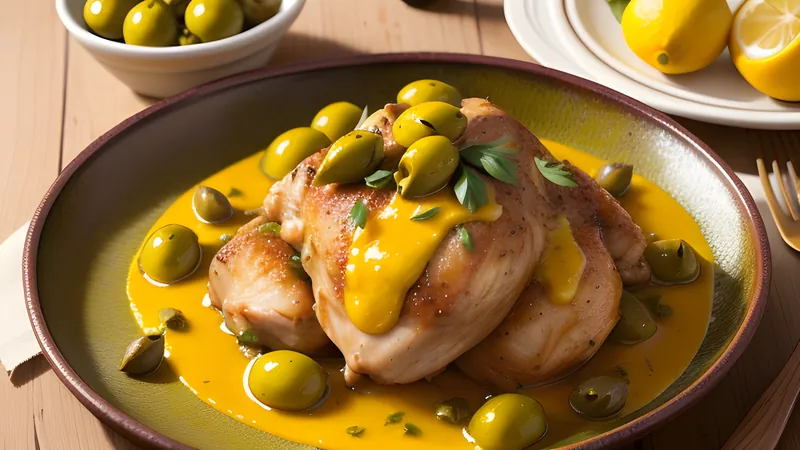
Contents
↓ Jump to recipeOne-Pan Chicken Thighs with Preserved Lemon and Olives
Ingredients
- 8 bone-in, skin-on chicken thighs
- 2 tbsp olive oil
- 1 large onion, sliced
- 4 garlic cloves, sliced
- 1 tsp ground cumin
- 1 tsp ground ginger
- ½ tsp ground turmeric
- ½ tsp sweet paprika
- Pinch of saffron threads (optional)
- 2 preserved lemons, flesh discarded, rind finely sliced
- 120g (about ¾ cup) green olives, such as Castelvetrano, pitted
- 250ml (1 cup) chicken stock
- Salt and black pepper
- Small handful coriander, chopped
- Small handful flat-leaf parsley, chopped
Method
- Pat the chicken thighs dry, season well, and brown them skin-side down in the oil for six or seven minutes until deeply golden, then set aside.
- Tip away most of the fat, then soften the sliced onion with a pinch of salt for about eight minutes until slumped and golden.
- Stir in the garlic, cumin, ginger, turmeric and paprika and cook for a minute until fragrant.
- Add the saffron in a little warm water if using, pour in the stock and scrape up any stuck bits.
- Nestle the thighs back in skin-side up and scatter over the preserved lemon rind and olives.
- Bring to a simmer, cover and cook in a 190°C (170°C fan, gas 5) oven for 35 minutes.
- Uncover and cook a further 10 minutes so the skin re-crisps and the sauce reduces.
- Taste and season the sauce, then shower with chopped coriander and parsley before serving.
The dinner that cooks itself
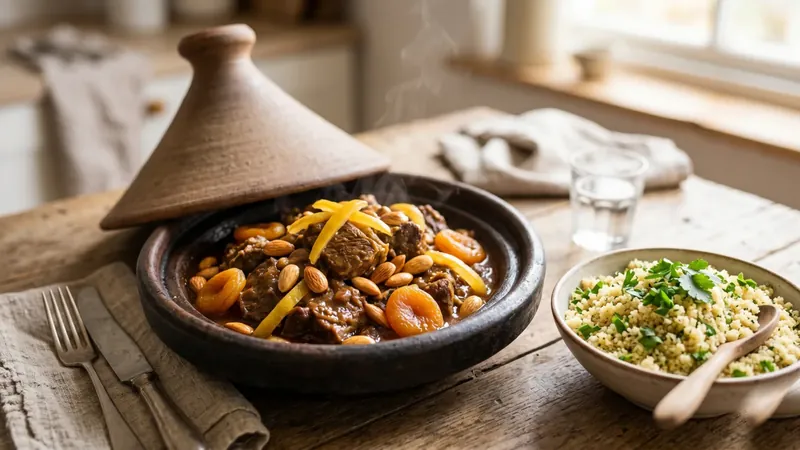
Some nights you want to feel like a competent adult without actually working very hard, and this is the dish for those nights. Everything happens in one pan. You brown some chicken thighs, soften an onion, throw in the good salty bits, pour over stock, and let the oven do the heavy lifting while you tidy the kitchen or, more honestly, sit down with a glass of wine. Forty-odd minutes later you lift the lid on something that smells like a proper Moroccan tagine but cost you almost no effort and only one pan to wash up.
The one clever twist here is preserved lemon, and if you’ve never cooked with it, this is your invitation. Fresh lemon is bright and sharp; preserved lemon is something else entirely, mellow and deeply savoury, almost funky, with a salty fragrance that perfumes the whole pan. You don’t use the pulpy flesh, only the soft rind, sliced thin. It turns ordinary chicken thighs into something you’d happily pay for in a restaurant. If you like this way of building a big, savoury braise from a jar of salted lemons, my slower chicken and preserved-lemon tagine takes the same idea and lets it simmer down over a longer, lazier afternoon.
Where this comes from
This is, in spirit, a deconstructed tagine, the slow-cooked stews named after the conical earthenware pot they’re traditionally cooked in across Morocco and the wider Maghreb. The classic djaj mqalli, chicken with preserved lemon and olives, is one of the pillars of Moroccan home cooking, and like most great home dishes it’s built on cheap, robust ingredients and patience rather than expensive cuts. The conical lid of a real tagine traps steam and drips it back onto the meat, which is why the traditional dish needs so little added liquid. A covered pan in the oven does much the same job.
Preserved lemons themselves are a North African staple: whole lemons packed tight with salt and their own juice and left for three or four weeks until the rind goes silky and the raw acidity turns round and savoury. The salt draws out water, the flesh softens, and a slow fermentation mellows the bitterness in the pith. That is why you rinse and discard the flesh and keep only the rind, which carries all the perfume without the sourness. The olives, the warm ground spices, the optional thread of saffron: it’s a flavour palette that has fed Moroccan families across generations, and you don’t need a special earthenware pot to get close to it. A heavy ovenproof casserole with a lid, or a roasting tin and a tight sheet of foil, does the job perfectly well.
If preserved lemon is new to you, it’s worth knowing it does the same trick in plenty of other dishes. A little chopped rind lifts roast vegetables, folds through a grain salad, or stirs into a yoghurt dressing. Once a jar is open it keeps for months in the fridge.
Choosing your chicken and olives
Bone-in, skin-on thighs are non-negotiable here. Boneless breast dries out and misses the point; the bone conducts heat gently and keeps the meat juicy, while the skin renders down to flavour the whole pan and crisps back up at the end. Eight thighs feeds four generously, with sauce to spare.
For the olives, reach for something green, fat and buttery. Castelvetrano, the bright, mild Sicilian olive, are my first choice because they stay meaty and sweet rather than turning sharp. Nocellara are similar and easy to find. Avoid the tinned, pitted “cocktail” olives, which taste of not much and go to mush. If green olives aren’t to hand, a handful of Kalamata brings a bolder, winier note, though the dish tips a shade darker in character.
Getting a proper golden skin
Don’t rush the browning. Pat the thighs bone-dry with kitchen paper and season them well with salt and pepper, because dry skin is crisp skin, and wet skin steams instead of searing. Heat the oil in your pan over a medium-high flame and lay the thighs in skin-side down. Now leave them. For six or seven minutes, do not touch them. Resist the urge to peek and prod; you want a deep golden, almost mahogany crust before you turn them. This browning is where most of the savoury flavour comes from, and it also renders out a useful slick of fat to cook the onions in. If a thigh sticks when you try to lift it, it isn’t ready; give it another minute and it will release itself.
Lift the browned thighs out and set them aside on a plate. Tip most of the rendered fat away, leaving a tablespoon or so in the pan, and drop the heat to medium-low.
Building the base
Soften the sliced onion in the reserved chicken fat with a pinch of salt until slumped and golden at the edges, around eight minutes. Keep the heat gentle so the onion sweats and sweetens rather than catching. Stir in the sliced garlic, cumin, ginger, turmeric and paprika and let them cook for a minute until fragrant. That quick toast in the warm fat blooms the spices and cooks off their raw, dusty edge; a minute is enough, as ground spices scorch and turn bitter fast if you leave them.
If you’re using saffron, crumble the threads into a splash of warm water now and add it, liquid and all. It gives a faint floral, honeyed note and a beautiful gold colour, though the dish is still very good without it. Pour in the stock, scrape up any stuck brown bits from the bottom of the pan with a wooden spoon, as that fond is pure flavour, and nestle the chicken thighs back in, skin-side up so the crisp crust stays proud of the liquid. Scatter over the sliced preserved lemon rind and the olives.
Into the oven
Bring it to a gentle simmer on the hob, then either clamp on a lid and slide the whole pan into a 190°C (170°C fan, gas 5) oven, or cover the roasting tin tightly with foil. Cook for 35 minutes. Then remove the cover and give it a final 10 minutes uncovered so the skin re-crisps and the sauce reduces and concentrates. The chicken is done when it’s falling-tender and the juices run clear at the thickest part of a thigh.
Taste the sauce before serving. It should be savoury, lemony and gently spiced. The olives and the preserved lemon both bring their own salt, so season at the very end, not before, or you risk overshooting. Shower the whole pan with chopped coriander and parsley just before it goes to the table; the fresh herbs cut through the richness and make the whole thing look alive.
What can go wrong
The two usual pitfalls are a pale, flabby skin and an over-salted sauce. The skin problem is almost always down to crowding the pan or rushing the sear, so brown in two batches if your pan is small, and give each thigh its full six or seven minutes undisturbed. The salt problem comes from seasoning the sauce early, before the olives and lemon have given up their own salt into the liquid. Season last, taste, and adjust. If you do overshoot, a squeeze of fresh lemon and a splash of water pulls it back.
If the sauce looks thin when the time is up, lift the thighs out to keep warm and simmer the liquid hard on the hob for a few minutes to reduce it. If it’s too thick, loosen with a little more stock or water.
Serving, storage and swaps
Couscous is the obvious partner, since it soaks up the sauce beautifully, but plain basmati rice, warm flatbread, or even buttery mash all work. A simple green salad or some quick-dressed leaves on the side and you’re done. This is a good dish to link into a wider North African and Levantine spread; it sits happily next to my chicken shawarma if you’re feeding a crowd and want two mains that share a spice cupboard.
It keeps and reheats brilliantly. Cool leftovers quickly, then store in the fridge for up to three days; the flavour deepens overnight as the spices settle into the sauce. Reheat gently on the hob or in a low oven until piping hot through. It also freezes well for up to three months, though the skin softens, so it’s best frozen as a stew and served with something crisp alongside.
A few variations I keep coming back to: add a tin of drained chickpeas with the stock for a heartier, more filling one-pot; throw in a handful of dried apricots for a sweet-savoury lean toward the tagine tradition; or stir through a spoon of harissa at the end if you like real heat. And if you can’t find preserved lemons anywhere, a quick cheat is to simmer strips of fresh lemon zest in well-salted water for ten minutes; it’s not the same silky, fermented depth, but it gets you most of the way to that gorgeous savoury tang.
Related Content