Chicken Shawarma: Spiced, Stacked, Better Than the Takeaway
Oven-roasted, charred at the edges, no rotisserie required
Contents
↓ Jump to recipeTakeaway shawarma is one of life’s great late-night pleasures, but you do not need a vertical rotisserie spit to make something genuinely brilliant at home. The secret is a bold spice marinade, thigh meat that stays juicy, and a hot oven that chars the edges while keeping the middle tender. My small twist is a pinch of ground cardamom in the spice mix — it’s a quiet, floral note that runs through the more famous spice routes of the Levant and lifts the whole thing out of the ordinary.
Chicken Shawarma: Spiced, Stacked, Better Than the Takeaway
Ingredients
- 800g boneless, skinless chicken thighs
- 3 tbsp olive oil
- Juice of 1 lemon
- 4 garlic cloves, crushed
- 2 tsp ground cumin
- 2 tsp ground coriander
- 2 tsp sweet paprika
- 1 tsp ground cinnamon
- 1 tsp ground turmeric
- 0.5 tsp ground cardamom
- 0.25 tsp cayenne pepper
- 1 tsp salt
- Warm flatbreads, to serve
- Sliced tomato, red onion and pickles, to serve
- Garlic yoghurt or tahini sauce, to serve
Method
- Whisk the olive oil, lemon juice, garlic, all the spices and the salt together in a large bowl.
- Add the chicken thighs and turn to coat thoroughly, then cover and marinate in the fridge for at least an hour, ideally overnight.
- Heat the oven to 220C (200C fan).
- Stack the marinated thighs into a tight pile on a small baking tray or in a loaf tin, pressing them together.
- Roast for 35 to 40 minutes until cooked through and well browned on top.
- Rest the stack for 5 minutes, then slice thinly across the grain with a sharp knife.
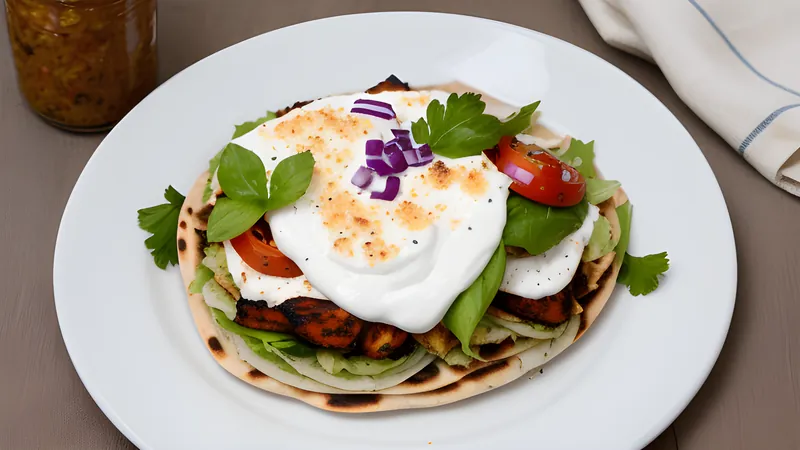
- Pile onto warm flatbreads with tomato, red onion, pickles and a slick of garlic yoghurt or tahini sauce.
A dish built around a spinning spit
Shawarma takes its name from the Turkish çevirme, meaning “turning”, and shares its DNA with the Turkish döner kebab and the Greek gyros — all of them descendants of stacked, vertically grilled meat that emerged in the Ottoman era. The vertical spit itself is generally credited to nineteenth-century Bursa, in what is now Turkey, where a cook is said to have turned the traditional horizontal kebab on its end so the meat cooked upright beside the fire and self-basted in its own dripping fat. Cooks would stack seasoned meat on that tall spit, then shave off the crisp outer layer as it caramelised, letting the rest keep turning and browning.
From there the idea travelled south and east. The dish spread across the Levant — Lebanon, Syria, Jordan, Palestine — where “shawarma”, from the same Turkish root, became the local name, and each region added its own spicing, sauces and pickles. Later migration carried it across the world, which is why you’ll find a version of the same stacked spit on street corners from Berlin, where it fused into the German döner, to São Paulo, where Levantine immigrants brought it as churrasco grego. What we’re doing at home isn’t a true spit-roast, but stacking the thighs into a dense block and blasting them with high heat recreates the crucial contrast: charred, caramelised edges over juicy meat within.
The spice blend, and the cardamom that lifts it
Levantine shawarma spicing is warm rather than hot. The backbone is cumin and coriander, earthy and citrusy; sweet paprika brings colour and a mild fruitiness, cinnamon and turmeric add depth and that unmistakable golden stain, and a small hit of cayenne provides just enough background heat to keep everything awake. There is no single canonical mix, which is part of the fun; some cooks add allspice, some a little clove or nutmeg, and the proportions shift from stall to stall and family to family.
My addition is the cardamom. It is not a wild departure, since cardamom runs through Levantine and Gulf cooking and travelled the same spice routes as everything else in the jar, but it is not standard in a British takeaway shawarma, and that is exactly why it works. Half a teaspoon of the ground green pods threads a quiet, floral, almost eucalyptus note through the whole blend that lifts it out of the ordinary without ever announcing itself. Nobody will point at the plate and say “cardamom”, but they will notice the shawarma tastes better than usual.
The lemon juice in the marinade is doing more than seasoning. Its acid gently tenderises the surface of the thigh and helps the spices penetrate, which is why an overnight sit rewards you so well; the salt does the same work from the other direction, drawing moisture out and then back in seasoned. Do not skip either.
Marinate and roast
Whisk together the olive oil, lemon juice, garlic, all the spices and the salt in a large bowl. Add the chicken thighs and turn them through the marinade until thoroughly coated. Cover and leave in the fridge for at least an hour, or overnight if you can — the longer the better, as the acid and spices work their way in.
When you’re ready, heat the oven to 220C (200C fan). The trick to faux-rotisserie texture is to stack the thighs back into a tight pile on a small baking tray or in a loaf tin, pressing them together so they roast as one dense block rather than separate pieces. Roast for thirty-five to forty minutes, until cooked through and well browned on top.
Rest the stack for five minutes, then slice it thinly across the grain with a sharp knife. As you cut, the outer edges should be charred and the inside steaming and juicy — exactly the contrast you want. Pile it onto warm flatbreads with tomato, red onion, pickles and a slick of garlic yoghurt or tahini sauce.
Slicing across the grain rather than along it is a small detail that changes the eating enormously. Thigh muscle runs in visible strands, and cutting along those strands leaves long, chewy ropes of meat; slicing across them at an angle cuts each fibre short, so the shreds are tender and easy to bite through. A genuinely sharp knife matters here, because a blunt one will tear a rested stack apart rather than shave it. If you have an electric carving knife gathering dust in a drawer, this is its moment; it cuts the stack into thin, even slices with none of the effort.
Tips and shortcuts
Thighs are non-negotiable here. Breast meat dries out and turns stringy under high heat; thighs stay succulent and forgiving even if you overshoot the timing slightly. If you can only find breast, reduce the roasting time and watch it closely.
The stacking is the trick that does the most work, and it is worth understanding why it succeeds. On a real rotisserie, the outer surface chars while the packed interior stays gently cooked and moist, and you shave the crisp exterior away in thin slices. Pressing the thighs into a tight block in a loaf tin mimics that: the exposed top and edges catch the fierce oven heat and caramelise, while the meat below is effectively braising in its own rendered fat and juices, staying tender. Loose thighs spread across a wide tray simply roast dry and even, which is pleasant enough but misses the whole point. The tighter and taller you can build the stack, the more of that spit-roast contrast you get, so choose a small, deep tin rather than a large flat one.
Give the sliced meat a moment under the grill if you want to push the char further; a couple of minutes with the shreds spread on a tray will crisp the edges the way the shaver’s blade would on a spit.
For the sauce, the simplest garlic yoghurt — natural yoghurt, a crushed garlic clove, lemon and salt — is hard to beat, but a loosened tahini sauce with lemon and water is the more traditional choice and pairs beautifully with the warm spices. Make a quick pickle by steeping sliced red onion or cucumber in vinegar and a little sugar for twenty minutes while the chicken roasts.
A word on the spice mix. Toasting the whole spices and grinding them fresh will take this from very good to genuinely exceptional — the cumin and coriander in particular wake up enormously after thirty seconds in a dry pan. But the pre-ground jars from the cupboard still make a fine version, so don’t let perfectionism stop you cooking it on a Tuesday. The cardamom is the quiet hero of the blend; resist the urge to leave it out.
If you have a barbecue going, this marinade is fantastic over coals — thread the thighs onto skewers and grill until charred. And the leftovers are gold: cold shawarma chopped into a salad with chickpeas, parsley and a squeeze of lemon makes a lunch far better than it has any right to be. It freezes well in the marinade too, so it’s worth doubling the batch and stashing half raw for a future dinner that’s already most of the way done.
What to serve it in and on
The bread matters as much as the chicken. A proper warm flatbread with some chew holds the pile of meat and juices without collapsing, and if you want to go all the way, my puffy charred pita bread is the ideal vehicle, splitting into a pocket that catches every scrap. For the sauce, the simplest garlic yoghurt — natural yoghurt, a crushed garlic clove, lemon and salt — is hard to beat, but a loosened tahini sauce with lemon and water is the more traditional choice and pairs beautifully with the warm spices. Make a quick pickle by steeping sliced red onion or cucumber in vinegar and a little sugar for twenty minutes while the chicken roasts; the sharp crunch is what cuts the richness and stops each bite from cloying.
A cool, savoury starter rounds it into a proper Levantine spread: the creamy, cumin-scented ful medames sits happily alongside, scooped up with the same bread and the same pickles.
Once you’ve made this a couple of times you’ll find yourself reaching for the spice jars instead of the takeaway menu, which is rather the point.
Related Content