Chettinad Pepper Chicken: Black Pepper and Roasted Spice
Dark, dry-fried chicken built on freshly cracked pepper and toasted whole spice
Contents
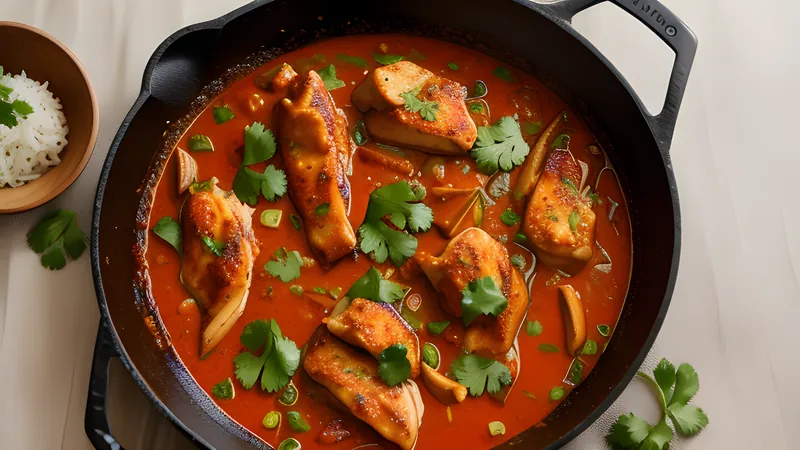
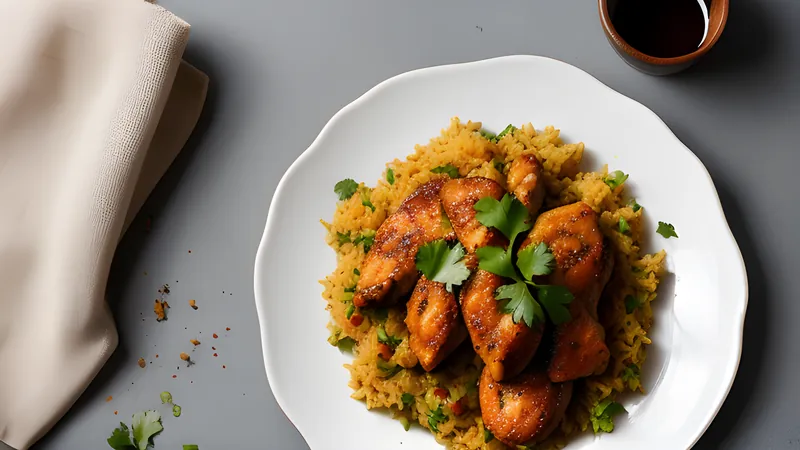
↓ Jump to recipeChettinad pepper chicken is built to look almost black in the pan, dark with roasted whole spice and coated so tightly it barely runs when you tip the dish. It comes from the Chettinad region of Tamil Nadu, an area renowned even within India for cooking that leans on freshly roasted and ground spice rather than long-cooked pastes or cream, and this dish is one of its clearest expressions: chicken, pepper, curry leaves, and very little else standing between them.
Chettinad Pepper Chicken: Black Pepper and Roasted Spice
Ingredients
- 800g boneless chicken thigh, cut into 3cm pieces
- 1 tbsp lemon juice, for the marinade
- 0.5 tsp ground turmeric
- Salt, to taste
- 3 tbsp black peppercorns
- 1 tbsp coriander seeds
- 1 tsp cumin seeds
- 1 tsp fennel seeds
- 1 tsp whole black mustard seeds
- 4 dried red chillies
- 4 tbsp oil, divided
- 20 curry leaves, divided
- 2 onions, finely sliced
- 1 tbsp ginger-garlic paste
- 2 tomatoes, finely chopped
- 0.5 tsp ground turmeric, for the gravy
- 1 tsp red chilli powder
- 100ml water, plus more to loosen
- 1 tsp garam masala
Method
- Toss the chicken with the lemon juice, turmeric and a pinch of salt. Marinate for at least 20 minutes at room temperature.
- Dry-roast the peppercorns, coriander seeds, cumin seeds, fennel seeds, mustard seeds and dried red chillies in a pan for 2-3 minutes until fragrant and a shade darker, then cool and grind coarsely, not to a fine powder.
- Heat 2 tbsp oil in a wide pan or wok over a high heat. Add half the curry leaves and half the marinated chicken, and fry in a single layer for 6-8 minutes, turning occasionally, until browned and mostly cooked through; remove and set aside. Repeat with the remaining chicken.
- Add the remaining oil to the same pan, add the rest of the curry leaves and let them crackle, then add the onions and fry for 8-10 minutes until deep golden.
- Stir in the ginger-garlic paste and cook for 1 minute, then add the tomatoes and cook for 6-8 minutes until they break down into a thick paste.
- Add the turmeric and chilli powder, and cook for 1 minute, then stir in three-quarters of the ground pepper masala.
- Return the browned chicken to the pan along with the water, and cook uncovered on a medium-high heat for 8-10 minutes, stirring often, until the liquid has almost completely evaporated and the chicken is coated in a dark, dry-ish masala.
- Stir in the garam masala and the remaining pepper masala for a final sharp hit, cook for 1 minute more, and check the seasoning.
- Rest for 2 minutes off the heat, so the spices settle into the chicken, before serving.
The Story
Chettinad cuisine comes from the Chettiar merchant community of southern Tamil Nadu, a trading caste whose historic links to Southeast Asia and Sri Lanka brought spices like star anise and dried chillies into a cooking style that was already fiercely proud of its use of black pepper, long before the chilli pepper arrived from the Americas and took over most of the subcontinent’s heat. Pepper was, for centuries, one of the most valuable exports moving through the ports of the Tamil coast, and Chettinad cooking still treats it as a genuine star spice rather than a background seasoning, used in quantities most other regional Indian cuisines reserve for chilli alone.
Freshly roasting and grinding the spice mix to order, rather than reaching for a pre-made masala tin, is close to a defining feature of Chettinad cooking generally, and this dish is a good demonstration of why. Coriander, cumin, fennel, mustard and dried chilli, roasted together and ground coarsely rather than to a fine powder, produce a completely different flavour to the same spices used straight from a jar: rounder, less bitter, and considerably more fragrant, since roasting drives off some of the raw, slightly astringent notes ground spices develop once they have sat on a shelf for months.
Pepper chicken like this turns up at Chettiar wedding feasts and everyday lunches alike, usually as one of several dishes on a banana leaf rather than eaten alone, where its dry intensity is balanced by wetter, milder curries and plenty of plain rice. The dish travelled well beyond Tamil Nadu with Chettiar merchant families themselves, who set up trading posts across Southeast Asia and Sri Lanka, and versions of a dark, pepper-heavy fried chicken can be found today as far afield as Malaysia and Singapore, carried by exactly that community.
Getting a properly dry masala
The defining texture of a good pepper chicken is dry rather than saucy, closer to a spiced stir-fry than a curry with a pool of gravy underneath. That comes from cooking the tomato base down hard before the chicken goes back in, and then reducing the small amount of added water almost entirely on a high, uncovered heat rather than simmering gently with the lid on. Resist the urge to add more liquid partway through if the pan looks dry; a dry pepper chicken is meant to look tight and glossy with spice clinging to the meat, not swimming, and adding more water at that stage only dilutes the flavour you have already built.
Browning the chicken in batches, rather than tipping the whole marinated batch into the pan at once, is what gives the meat real colour and a slightly caramelised edge before it goes back in to finish cooking in the masala. A crowded pan releases moisture that steams the chicken instead, leaving it pale and lacking the deeper savoury notes that browning develops. It is a small extra step, but it is the difference between a dish that tastes fried and one that merely tastes boiled in spice.
Two-stage pepper, for two kinds of heat
Adding the ground pepper masala in two stages, most of it early with the tomato base and a final quarter stirred in right at the end, is a deliberate way of layering two different kinds of heat. The pepper cooked into the base mellows and rounds out over the 8-10 minutes it spends in the pan, losing some of its sharpness and blending into the overall savouriness of the dish. The small amount added at the very end stays sharp and immediate, giving the finished chicken a fresh, peppery bite on top of the deeper, cooked-in warmth underneath. Skipping this second addition leaves the dish tasting rounder but noticeably less like pepper chicken.
Curry leaves in two doses
Adding curry leaves twice, once at the start of each batch of frying and again when the onions go in, is a small detail but a genuinely load-bearing one. The first batch, fried alongside the chicken, infuses the frying oil directly and gets slightly crisp at the edges, adding a scattered, almost garnish-like crunch through the finished dish. The second batch, crackled in fresh oil before the onions, builds the aromatic base the same way mustard seeds or cumin would in a different regional style. Curry leaves lose most of their fragrance within a day or two of being picked, so buy them fresh rather than dried wherever possible; dried curry leaves keep for a long time but taste like a faint memory of the real thing.
What can go wrong
The most common failure is using pre-ground black pepper straight from a jar instead of freshly cracking whole peppercorns. Pre-ground pepper loses its volatile oils within weeks of grinding, and a dish built almost entirely around pepper’s aroma falls flat without that freshness; buy whole peppercorns and crack them just before roasting, ideally in a mortar and pestle rather than a spice grinder, which tends to reduce them to a fine dust rather than the coarse, textured grind this dish wants.
The second common mistake is rushing the tomato base. Undercooked tomato leaves the gravy tasting sharp and unresolved, and since so little liquid remains once the dish is finished, that rawness has nowhere to hide; cook the tomatoes down properly until they genuinely collapse and darken, not merely soften. The third is walking away during the final reduction. Because the dish finishes on a high, uncovered heat with barely any liquid left, it can catch and burn in the last minute or two if left unattended; stir it more often than feels necessary once the water has mostly gone.
Chettinad pepper chicken beyond this recipe
Some Chettinad households make a wetter version of this same dish, closer to a gravy than a dry fry, simply by reducing the tomato and water mixture less aggressively at the end; it is a gentler introduction to the region’s pepper-forward cooking for anyone new to it. Restaurants outside Tamil Nadu often push the coconut and cashew content up to soften the pepper’s edge for a broader audience, which is a legitimate variation but a different dish from the drier, more austere home-style version here. A version made with quail or boiled eggs in place of chicken, kada milagu varuval, uses exactly the same masala and is worth trying if you want the same flavour profile in a different, smaller-format dish for a starter or side.
Substitutions, storage and serving
Boneless chicken thigh holds up far better than breast meat through the dry, fairly high-heat cooking this dish needs, staying juicy where breast would turn stringy; if breast is all you have, reduce the final uncovered cooking time by a few minutes and watch it closely. The dish keeps for up to three days in the fridge and reheats well in a hot pan, though it does not freeze especially well, since the dry texture turns slightly rubbery on thawing. The roasted pepper masala can be made up to a week ahead and kept in an airtight jar, which is worth doing since freshly grinding a large batch at once saves time on a night you actually want the dish on the table quickly. The chicken itself is best cooked and eaten within a couple of hours of finishing, since the dry masala coating that makes it good does not hold its texture as well after a long stint in the fridge and a reheat.
Serve it with plain rice or dosa, and pair it with the sharp, peppery rasam for a Tamil meal built entirely around the region’s love of black pepper. For a different South Indian chicken dish that shows a wetter, coconut-based style by contrast, the ginger-forward chicken karahi makes a useful comparison of two very different regional approaches to a fried chicken curry.
Related Content