Champurrado: The Chocolate Atole
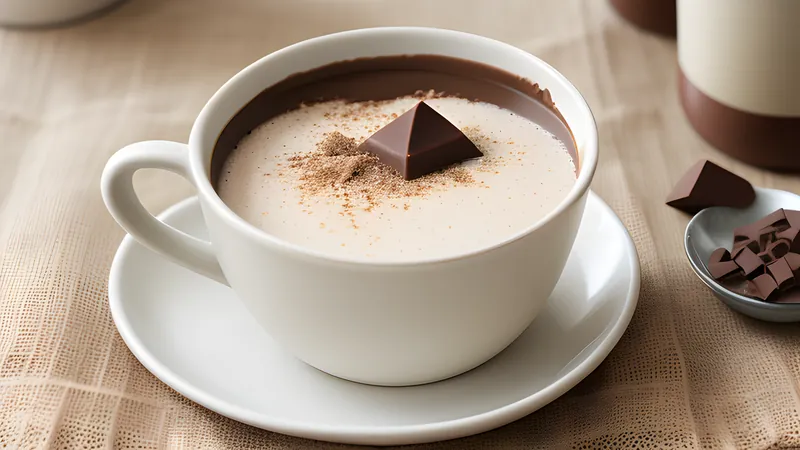
Corn-thickened hot chocolate, whisked to a froth with a wooden molinillo
Contents
↓ Jump to recipeChampurrado is what happens when you take atole — Mexico’s centuries-old thickened corn drink — and decide it should also be a chocolate drink, without giving up any of the corn’s body along the way. It’s thicker than hot chocolate made with milk and cocoa alone, with a faint graininess from the masa that’s entirely the point rather than a flaw, and it’s the drink you’ll find alongside tamale stands on cold mornings across central Mexico, or on the family table during Día de Muertos next to a round of pan de muerto.
Champurrado: The Chocolate Atole
Ingredients
- 60g masa harina
- 1.2 litres whole milk (or half milk, half water)
- 150g piloncillo, chopped (or dark brown sugar)
- 1 cinnamon stick
- 2 tablets Mexican chocolate (about 180g), such as Abuelita or Ibarra, chopped
- 1/4 tsp salt
- 1/2 tsp vanilla extract
Method
- Whisk the masa harina into 250ml of the milk until completely smooth with no lumps, using a hand whisk or blender if needed.
- Heat the remaining milk in a heavy pot with the piloncillo and cinnamon stick over medium heat, stirring until the piloncillo dissolves, about 5 minutes.
- Whisk in the masa mixture in a steady stream, whisking constantly to prevent lumps forming.
- Reduce heat to low and simmer gently for 15 minutes, whisking every minute or two, until the mixture thickens enough to coat the back of a spoon.
- Remove the cinnamon stick, add the chopped chocolate and salt, and whisk until fully melted and smooth.
- Whisk vigorously with a molinillo (rolling the handle between your palms) or a hand whisk for a minute to build a froth, stir in the vanilla, and serve hot in mugs.
Atole’s much older lineage
Atole predates champurrado by a wide margin and predates the arrival of chocolate as a drink in its current sweetened form by even more. Corn-based thickened drinks, made by cooking ground masa or corn flour into water or milk until it reaches a smooth, drinkable thickness, go back to pre-Hispanic Mesoamerica, where atole in its many flavoured versions — with fruit, with vanilla, plain — served as an everyday hot drink and, in some versions, a way to get calories and nutrition into small children and the elderly without needing to chew. The word itself comes from the Nahuatl “atolli.”
Chocolate arrived at atole’s party once cacao, already established in Mesoamerican culture as a prized, often ceremonial ingredient usually drunk unsweetened and sometimes spiced with chile, met European sugar and dairy habits after contact. Champurrado specifically — atole with chocolate, sugar and warm spice folded in — represents that meeting point directly: the corn-thickening technique is entirely indigenous, the sweetened, milk-based chocolate preparation leans colonial, and the cinnamon is a Spanish-imported spice that arrived via the same trans-Pacific trade routes that brought it into Mexican cooking generally.
Why Mexican chocolate tablets, specifically
The chocolate used in champurrado isn’t the same thing as a bar of eating chocolate, and reaching for dark chocolate alone won’t get you the right result. Mexican drinking chocolate — sold in tablets, Abuelita and Ibarra being the two most widely available brands — is coarser-textured and already blended with sugar, cinnamon and sometimes ground almond, formulated specifically to melt into a hot liquid rather than to be eaten out of hand. It dissolves into champurrado in a way that plain dark chocolate, with its higher cocoa butter content and no added spice, doesn’t quite replicate. If you genuinely can’t find Mexican chocolate tablets, a mix of dark chocolate with an extra pinch of cinnamon and a touch more sugar gets closer than dark chocolate alone, but the tablets are worth seeking out at any Latin American grocer if you’re making this more than once.
The masa step, and why lumps happen
The single most common failure in champurrado is a lumpy final drink, and it always traces back to how the masa harina was introduced. Masa harina, like any starch, clumps instantly and stubbornly if it hits hot liquid directly — the outside of each granule gelatinises on contact, sealing in dry powder that never fully hydrates. The fix is whisking the masa harina into cold or room-temperature milk first, completely smooth, before that mixture goes anywhere near the hot pot. Once it’s a lump-free slurry, adding it to the hot milk in a steady stream while whisking constantly keeps it from clumping a second time as it hits the heat.
If you do end up with lumps despite the careful method, a pass through a fine sieve before the chocolate goes in will rescue the drink, though it’s a step better avoided than relied on.
Milk, water, or both
Traditional champurrado recipes vary on whether the base liquid is milk, water, or a mix, and the choice genuinely changes the drink. An all-water version, closer to how atole would have been made before dairy became widely available in the region, produces a lighter, more corn-forward drink where the chocolate and piloncillo carry most of the richness on their own. An all-milk version, the more common approach in home kitchens today, gives a rounder, creamier result closer to hot chocolate with body. Half and half splits the difference and is a reasonable default if you’re unsure which you’ll prefer — it keeps enough dairy richness without masking the corn character the masa is there to provide.
Sweetness is easier to adjust than to fix afterward
Piloncillo varies noticeably in sweetness and intensity between brands and even between cones from the same batch, since it’s a minimally processed sugar rather than a standardised industrial product, and the chocolate tablets already carry their own sugar on top. Taste the drink after the piloncillo has dissolved and before the chocolate goes in, since this is the point where you can most easily adjust — add more piloncillo now if it tastes flat, rather than waiting until the chocolate’s melted in and trying to correct sweetness in a drink that’s already thickened and coating a spoon. Once the chocolate’s in, adjustments still work but take longer to fully dissolve and integrate.
What tends to go wrong beyond the lumps
Champurrado that never thickens properly is usually a case of insufficient masa harina relative to liquid, or not enough simmering time. The mixture needs a genuine 15 minutes of gentle simmering, whisked regularly, to fully cook the raw masa taste out and to reach a thickness that coats a spoon — pulling it too early leaves both an under-thickened drink and a faint uncooked-corn flavour that reads as unfinished rather than intentional.
The opposite problem, a champurrado that’s gone too thick and gluey, usually comes from letting it sit off the heat for too long before serving, since it continues to thicken as it cools even after you’ve taken it off the stove. If it’s over-thickened by the time you’re ready to serve, whisk in a splash of warm milk to loosen it back to a pourable, spoon-coating consistency rather than serving it as a solid.
Piloncillo that hasn’t fully dissolved is a third, quieter issue — it’s a dense, unrefined sugar cone that takes genuine heat and time to melt into liquid, and if you rush this stage you can end up with gritty undissolved sugar sitting at the bottom of the pot. Give it the full five minutes in the hot milk before moving on, and break the piloncillo into small pieces before it goes in to speed the process.
The molinillo, and whether you actually need one
A molinillo is a carved wooden whisk, held between the palms and rolled back and forth rapidly to whip air into the hot chocolate drink and build a light foam on top — it’s the traditional tool for both champurrado and plain Mexican hot chocolate, and it’s genuinely satisfying to use once you’ve got the rolling motion down. It is not, however, essential: a standard balloon whisk worked vigorously for a minute achieves a similar, if slightly less dramatic, froth. If you’re making champurrado often enough to justify the purchase, a molinillo is inexpensive and widely available from Mexican grocers, and it does the job with less arm effort than a metal whisk once you’ve got the technique.
Cinnamon stick versus ground
Use a whole cinnamon stick simmered in the liquid rather than ground cinnamon stirred in directly, since a whole stick releases its flavour gradually over the full simmering time without leaving gritty specks throughout the finished drink. Ground cinnamon works in a pinch — a quarter teaspoon added with the chocolate — but the flavour comes across more abruptly and less rounded than a stick that’s had fifteen or twenty minutes of gentle heat to infuse. If you keep a jar of cinnamon sticks specifically for Mexican cooking, they’re worth it for champurrado, horchata and mole poblano alike, all of which lean on the same warm, slow-released spice note.
Serving, storage and variations
Champurrado is served hot, in mugs, usually alongside tamales for breakfast or pan de muerto and other sweet breads for an afternoon or evening drink. It doesn’t hold well once cooled — the masa continues to thicken and the texture turns gluey and unappetising in the fridge — so it’s best made close to when you’re serving it and reheated gently over low heat with a splash of milk whisked in if it’s thickened past comfortable drinking on standing.
Fruit-based atole variations exist without the chocolate — strawberry (atole de fresa) and guava versions are both common, made with the same masa-thickening technique but flavoured with fruit purée instead of chocolate and piloncillo. If you want a champurrado with more textural interest, some cooks add a small amount of ground almond or a spoon of peanut butter towards the end, which thickens the drink further and adds a nutty depth that pairs well with the cinnamon.
A note on quantity for a crowd
Champurrado thickens further the longer it sits even on a low simmer waiting to be served, which matters if you’re making a large batch for a gathering rather than the six servings here. Doubling or tripling the recipe works cleanly, but keep it on the gentlest possible heat once it’s reached the right thickness, whisking occasionally, rather than letting it simmer unattended for the length of a party — an unattended pot of champurrado left too long over heat will reduce further than intended and can catch on the bottom of the pan, giving the whole batch a scorched undertone that’s difficult to mask once it’s there. Serving from a slow cooker on its lowest warm setting, stirred every so often, is a reasonable way to keep a large batch at serving temperature without babysitting a stovetop pot for hours.
Champurrado is the traditional companion to pan de muerto at the Día de Muertos table, and if you’re building out a wider Mexican breakfast spread, our huevos rancheros piece covers the savoury side of the same morning table this drink usually sits on. Both dishes lean on the same everyday pantry — corn, chile, a little dairy — pulled in two entirely different directions, one sweet and one savoury, which is a fair summary of what Mexican breakfast tables generally do with a short list of staple ingredients.
Related Content