Chakapuli: Georgian Lamb With Tarragon and Green Plums
Spring lamb braised in white wine under a green drift of tarragon and sour unripe plums
Contents
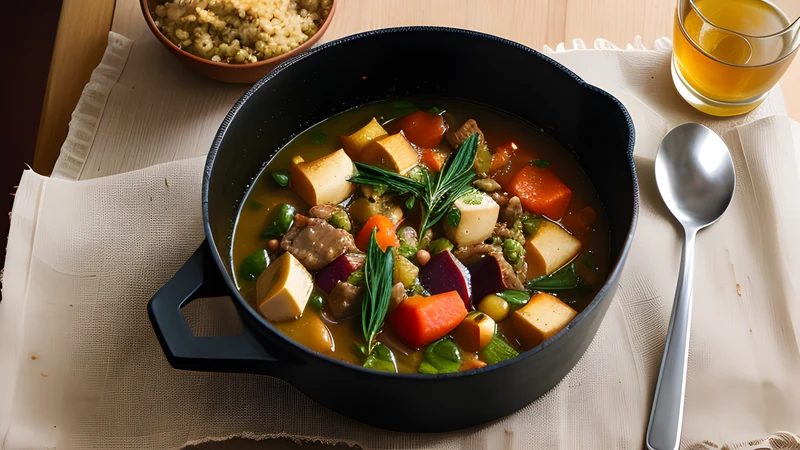
↓ Jump to recipeThere is a stew in Georgia that breaks the first rule every cook is taught. No browning. No searing, no fond, no Maillard, no colour of any kind. You put raw lamb in a cold pot, bury it in herbs and sour fruit, pour in a bottle of white wine and put the lid on. What comes out an hour later is pale green and tastes overwhelmingly of spring — aniseed, sourness, sweet young meat. Chakapuli is the argument that browning is a technique with a purpose rather than a commandment, and when the purpose is a bright, herbal, acidic broth, browning gets in the way.
Chakapuli: Georgian Lamb With Tarragon and Green Plums
Ingredients
- 1kg boneless lamb shoulder, cut into 4cm chunks
- 2 tsp fine salt
- 300g spring onions (about 3 bunches), trimmed and cut into 3cm lengths
- 1 medium onion (about 150g), finely sliced
- 120g fresh tarragon (about 4 large supermarket packs), thick stalks removed
- 40g fresh coriander, roughly chopped
- 20g flat-leaf parsley, roughly chopped
- 300g sour green plums (unripe cherry plums, greengages or gooseberries), halved and stoned
- 2 long green chillies, slit lengthways
- 6 garlic cloves, sliced
- 350ml dry white wine (Rkatsiteli if you can find it, otherwise a dry unoaked white)
- 1 tsp dried blue fenugreek (utskho suneli), optional
- 1/2 tsp coarsely ground black pepper
- 30g unsalted butter
Method
- Toss the lamb chunks with 2 tsp salt and leave at room temperature for 20 minutes. Do not brown the meat at any point.
- Set aside half the tarragon (60g) for finishing. Roughly chop the rest.
- In a heavy casserole with a tight lid, layer in this order: sliced onion, then lamb, then garlic, chopped tarragon, coriander, parsley, spring onions, chillies and plums.
- Scatter over the blue fenugreek and black pepper. Pour in the wine. Dot the butter over the top.
- Cover, bring to a gentle simmer over a medium heat, then turn the heat to low. Cook for 60 minutes without lifting the lid.
- Uncover and check the lamb: it should give completely to a fork. If it resists, cover and give it another 15 minutes.
- Taste the liquid. It should be sharp and aromatic. If the plums were mild, add 1-2 tsp lemon juice. If it tastes flat, add 1/2 tsp salt.
- Chop the reserved 60g of tarragon and stir it through off the heat. Put the lid back on for 3 minutes so it wilts without cooking.
- Serve in deep bowls with plenty of the green broth, and bread for mopping.
Easter, lambing season and a very short window
Chakapuli belongs to spring, and specifically to the few weeks when three things overlap: young lamb, the first tarragon, and the unripe fruit on the plum trees. In Georgia that is roughly April into May, and the dish is what goes on the table for Easter and for the 9 April remembrance day. It is a seasonal cook’s dish in the strictest sense, made when the ingredients exist and not otherwise.
The plums are the part that is hard to replicate outside the Caucasus. Georgian cooks use tkemali — the small sour cherry plums of Prunus cerasifera, picked hard, green and mouth-puckeringly acidic, weeks before anyone would consider eating them raw. The same fruit, cooked down with herbs and garlic, becomes the sauce also called tkemali, which sits on Georgian tables the way ketchup sits on British ones. In chakapuli the plums go in whole or halved and collapse into the broth, throwing out malic and citric acid that does the job a squeeze of lemon does elsewhere, but slower and rounder.
The tarragon is the other half of the identity. Georgians call it tarkhuna, and they use it in quantities that look like a mistake — a stew for four takes the best part of half a kilo of loose bunches, which comes to around 120g once the woody stalks are stripped. Tarragon is so embedded in the culture that it lends its name to the fluorescent green tarragon soda that has been made in the Caucasus since a Tbilisi pharmacist named Mitrofan Lagidze started bottling it in the 1880s. If you have only ever met tarragon in a béarnaise or under a roast chicken, a kilo of lamb under a hedge of it is a recalibration.
The wine is Georgian too, and it is not incidental. Georgia has been making wine in qvevri, buried clay vessels, for something like eight thousand years — the tradition went onto UNESCO’s intangible heritage list in 2013. The white grape of Kakheti in the east is Rkatsiteli, high in acid and, in its skin-contact form, tannic and faintly bitter in a way that suits a fatty braise. Any dry, unoaked, high-acid white gets you close. Oak gets you nowhere near.
Why nothing gets browned
Browning builds deep, roasted, meaty flavour, and it does that by driving off surface moisture and rearranging amino acids and sugars into hundreds of new aromatic compounds. Those compounds are wonderful and they are also loud. Drop them into a pot whose whole point is the volatile, delicate aniseed of fresh tarragon and the sharp fruit acid of green plums, and the roasted notes win. Chakapuli is built the other way round: keep the meat’s flavour clean and let the herbs and fruit carry the dish.
There is a practical benefit as well. The lid stays on, the liquid never gets above a bare simmer, and the volatile aromatics that would evaporate off an open, hard-boiling pan stay in the pot. Lift the lid halfway through out of curiosity and you can watch a cloud of tarragon leave the kitchen and never come back.
Layering the pot
Order matters more than it looks. Sliced onion goes on the base, where it will melt and stop the meat catching. Lamb next, so it sits in the wine. Herbs, spring onions, chillies and plums pile on top, where they steam rather than stew — the ones at the top of the pile stay greener and taste fresher, and when you stir at the end you get a mix of collapsed herb and barely-cooked herb, which is exactly right.
Salt the lamb twenty minutes ahead. That is enough time for the salt to dissolve into the surface moisture and start migrating in, so the meat seasons through rather than sitting in a salty broth.
The butter at the top is the one enriching element and it earns its place: 30g melting down through the herbs adds enough fat to carry the aromatics and to round off the wine’s acid.
The tarragon split
Half the tarragon goes in at the start and cooks for an hour, which drives its aniseed compounds into the broth and leaves the leaves themselves olive-drab and mild. The other half goes in off the heat, chopped, and gets three minutes under the lid to wilt. That second handful is what makes the dish taste alive at the table. Cooked tarragon is warm and rounded and slightly medicinal; raw tarragon is sharp, green and almost peppery. Both belong here, and adding them at the same time gets you neither.
This is the same logic behind the herb handling in chikhirtma, where the coriander is a finishing move.
The rest of the green
Tarragon dominates, and the other herbs are there to stop it becoming a single note. Coriander brings a citrus-soapy top end that reads as freshness. Parsley brings chlorophyll and a faint bitterness that keeps the plums from tasting like a dessert. The spring onions are structural: 300g of them, cut into lengths rather than sliced, collapse into soft green ropes that give the stew something to chew on besides lamb. Ordinary onions cannot do this, which is why there is a sliced one on the base of the pot doing the melting-into-the-background job separately.
The chillies are Georgian in intent rather than in heat. Slit lengthways and left whole, a long green chilli leaks a warm background prickle and a grassy capsicum note without turning the pot hot. If yours are fierce, deseed them. If you want actual heat, chop one.
Some Kakhetian versions add a handful of green garlic or wild garlic when it is about, and it is a good addition — 50g of chopped leaves, in with the finishing tarragon.
Choosing and cutting the lamb
Shoulder, boned, and cut larger than feels sensible. Four-centimetre chunks look enormous going into the pot and are correct: an hour of gentle wet cooking will shrink them by a third, and anything smaller ends up shredded into the broth. Shoulder has the connective tissue to survive the braise and turn to gelatine, which is what gives the finished liquid its slight, silky body despite there being no flour, no reduction and no browning anywhere in the method.
Leg works and gives a leaner, tidier stew that misses that body. Neck fillet is excellent and cheap. Diced “lamb stewing meat” from a supermarket is usually a mix of everything, and is fine, though you should pick out and discard the hard fat and any silverskin — with no browning stage, unrendered fat stays flabby and unpleasant rather than crisping away.
The one cut to avoid is anything from the loin or chump. Fast, lean meat has nothing to give an hour-long braise and comes out dry and grainy.
Plums: what to use when there are none
Sour green plums have a season of about three weeks in Britain, and you will find them at Turkish, Persian and Georgian grocers under names like erik or goje sabz. When they exist, buy a kilo and freeze what you do not use, whole and unstoned.
In descending order of success:
Gooseberries. The best available swap by some distance. Firm, green, sour from malic and citric acid, and they hold their shape for the first half of the braise before collapsing. Use 300g, topped and tailed.
Unripe greengages or damsons. Good if you can get them hard. Ripe ones bring sugar and turn the broth cloyingly sweet, so taste and hold back the lemon accordingly.
Tomatillos. Structurally and acidically very close, if geographically absurd. 300g, quartered.
Dried tkemali sheets (tklapi). Sour plum leather, sold in rolls. Tear 60g into strips and add with the wine. This is a real Georgian pantry ingredient used out of season, so it is authentic as well as convenient. It also thickens the broth slightly.
Nothing at all. 300g of quartered green apple plus 3 tbsp lemon juice, added in the last 20 minutes. It is a different stew, but a good one.
What can go wrong
Grey, medicinal tarragon. Everything went in at the start, or the pot boiled hard with the lid off. Keep it at a whisper and hold back the finishing half.
Tough lamb at 60 minutes. Shoulder varies. Cover and keep going in 15-minute increments; there is enough liquid to run for two hours if it needs to.
A flat, sweet broth. The plums were ripe. Lemon juice, 1 tsp at a time, until the sourness makes you sit up.
A greasy surface. Lamb shoulder can throw a lot of fat. Skim with a spoon before the final tarragon goes in, or make it a day ahead, chill, and lift the fat cap off.
Make ahead, storage and what to serve with it
Chakapuli improves overnight in the way most braises do, with the significant exception of the finishing tarragon — reheat gently, then chop fresh tarragon in at the end each time. It keeps four days covered in the fridge and freezes for three months.
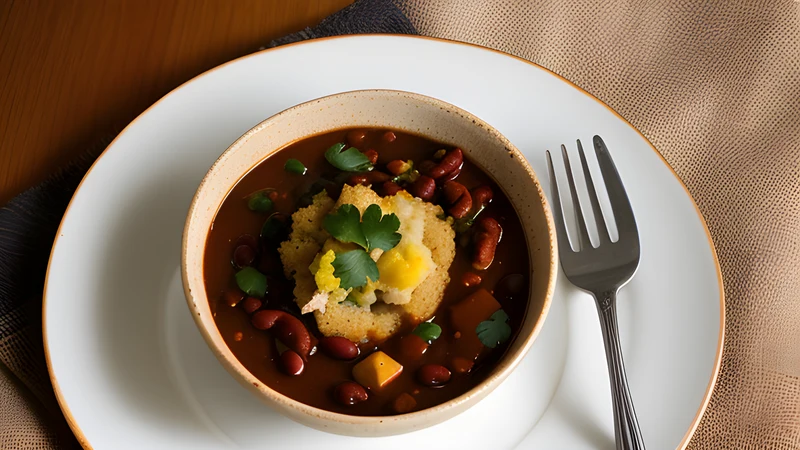
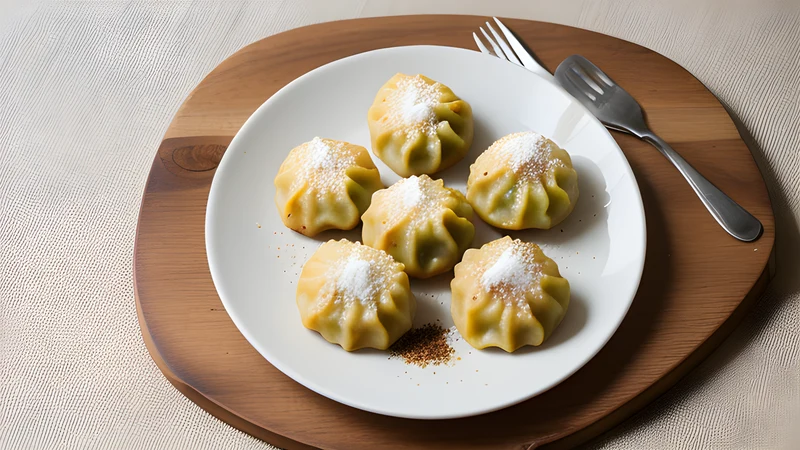
Serve it wet, in bowls, with the broth treated as the point rather than a by-product. Bread is compulsory. A Georgian table would offer shoti, the canoe-shaped bread pulled off the wall of a clay tone oven; failing that, anything with a chewy crumb. If you are building a spread, a bowl of lobio alongside covers the same table from the other direction — dark, earthy, walnut-heavy against all this greenness — and a plate of khinkali to start would be traditional and would also mean nobody eats again until Tuesday.
Related Content