Chakalaka and Pap
The spicy bean-and-pepper relish and the maize porridge it belongs with
Contents
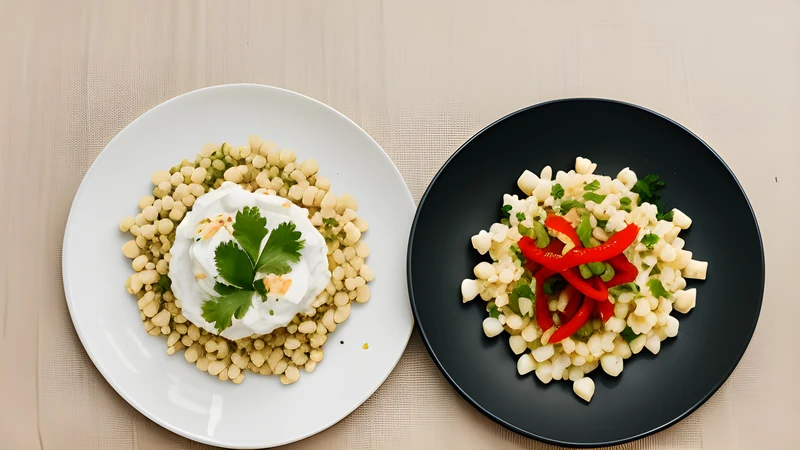
↓ Jump to recipeChakalaka and pap is the pairing that anchors a South African braai, the plate of food that sits at the edge of the fire while the meat cooks, gets spooned onto every plate, and holds the whole meal together. Chakalaka is a spicy, vivid relish of onion, peppers, grated carrot, curry spices and beans in a tomato base; pap is stiff white maize porridge, the country’s great staple starch. On their own each is simple; together they are one of the most comforting and characterful plates in Southern Africa, and both are cheap, quick and endlessly adaptable.
Chakalaka and Pap
Ingredients
- For the chakalaka:
- 3 tbsp neutral oil
- 1 large onion, finely chopped
- 3 garlic cloves, crushed
- 3cm fresh ginger, grated
- 1–2 green chillies, finely chopped
- 2 tbsp mild-to-medium curry powder
- 1 tsp smoked paprika
- 1 red pepper, finely diced
- 1 green pepper, finely diced
- 3 carrots, coarsely grated
- 400g tin chopped tomatoes
- 1 tbsp tomato purée
- 400g tin baked beans (in tomato sauce)
- 1 tsp salt, plus more to taste
- For the pap:
- 250g white maize meal (coarse or medium)
- 1 litre water
- 1 tsp salt
- 1 tbsp butter (optional)
Method
- For the chakalaka, heat the oil and fry the onion for 6 minutes until soft, then add garlic, ginger and chilli for 1 minute.
- Stir in the curry powder and smoked paprika and cook 1 minute until fragrant.
- Add the diced peppers and grated carrot and cook 5 minutes until softened.
- Stir in the chopped tomatoes and tomato purée, and simmer 12–15 minutes until thick and jammy.
- Fold in the baked beans, warm through for 3 minutes, season with salt, and set aside; chakalaka is good hot or at room temperature.
- For the pap, bring the water and salt to a boil in a heavy pot.
- Add the maize meal in a steady stream, whisking hard to prevent lumps, then reduce the heat to very low.
- Cover and cook, stirring every few minutes with a wooden spoon, for 25–30 minutes until thick, smooth and pulling from the sides of the pot; beat in the butter if using.
- Serve the stiff pap in mounds with the chakalaka alongside.
Township roots and a braai-table fixture
Chakalaka is a genuinely modern dish, born in the townships around Johannesburg and the gold mines of the Witwatersrand in the twentieth century, most likely invented by migrant mineworkers cooking on limited means. The story usually told is that Mozambican and Portuguese-influenced workers spiced up a simple tomato-and-bean relish with chilli and curry powder to liven up their pap, and the result spread across the region until it became a national favourite. Whatever its precise origin, chakalaka is a dish of resourcefulness: store-cupboard tins, a few fresh vegetables, and a bold hand with spice turning almost nothing into something everyone wants seconds of.
Pap, by contrast, is ancient. Maize arrived in Africa from the Americas in the sixteenth century and became the dominant staple across the southern half of the continent, cooked into stiff porridge under a dozen names, pap in South Africa, sadza in Zimbabwe, nsima in Malawi, ugali in East Africa. It is the daily bread of the region, and the same fundamental technique of cooking maize meal into porridge stretches right across the continent; it is a close relative of the maize-and-fish-stew tradition and shares a common ancestry with West African fufu and pounded starches. In South Africa, stiff pap is the default partner for chakalaka, for stews, and for grilled meat.
Chakalaka: the flavour and the beans
Every South African cook has their own chakalaka, and there is no single correct version, which is part of its charm. The constants are onion, curry powder, tomato, grated carrot and chilli; the variables are everything else. The most common version, and the one here, folds in a tin of baked beans in tomato sauce, which sounds humble and is genuinely traditional, the baked beans being a cheap, ready source of protein and sweetness that South Africans embraced wholeheartedly. Some cooks use plain cooked beans and season more, some leave beans out altogether for a plainer pepper relish, and some add cabbage. Use what you like; the spirit is generous and forgiving.
The grated carrot is a signature of chakalaka, and you should always include it: it adds sweetness, colour and a slightly crunchy texture that keeps the relish lively rather than letting it slump into a soft tomato stew. Grate it coarsely so it keeps some bite. The curry powder should be a warm South African blend, mild to medium; chakalaka is spiced and a little hot, but it is a relish, so it should have body and warmth rather than punishing heat.
Getting the pap right
Pap intimidates people who have never made a stiff maize porridge, but it is straightforward once you know the two rules. First, add the maize meal to boiling water in a steady stream while whisking hard, exactly as you would for polenta, which is essentially the same technique with the same grain. Tip it in all at once and you get lumps that never fully break down. Second, cook it low and slow, covered, stirring every few minutes with a wooden spoon, for a full twenty-five to thirty minutes. Maize meal tastes raw and gritty until it has cooked properly, and undercooked pap is chalky. Properly cooked stiff pap is smooth, thick enough to hold a shape, and pulls cleanly away from the sides of the pot.
There is a whole spectrum of pap consistency: slap pap (soft, loose, more like porridge for breakfast), phutu or krummelpap (dry and crumbly, made with less water), and stywe pap (stiff, the classic braai partner). This recipe makes stiff pap, the version that scoops into a firm mound and stands up to being eaten by hand alongside chakalaka and grilled meat. If you want it looser, add more water; for crumbly phutu, use less and fluff it with a fork.
If you have made shiro, the Ethiopian chickpea stew, you already know the essential move of whisking a flour into liquid without lumps; pap and shiro are cousins in technique, both flour-thickened staples cooked slowly until the raw taste is gone.
Serving it
At a braai, the pap is spooned into mounds and the chakalaka served alongside as a relish, and both go on the plate next to boerewors (the coiled farm sausage), lamb chops, or grilled chicken. The chakalaka’s job is to be the bright, spicy, saucy counterpoint to the plain starch and the smoky meat, and it does it perfectly. It is also excellent cold from the fridge the next day, spooned onto bread or eaten straight from the tub, and it plays the same relish role that pikliz, the fiery Haitian slaw plays in the Caribbean: the sharp, spicy thing on the side that makes everything else taste better.
The braai, the shisa nyama, and pap’s many cousins
To understand chakalaka and pap you have to picture where they are eaten. The braai, South Africa’s barbecue, is a genuine institution, so central that the country has a public holiday, National Braai Day, unofficially attached to Heritage Day in September. At a braai, or at a township shisa nyama (literally “burn the meat”, the open-air grill joints where you buy meat by weight and have it cooked over coals), chakalaka and pap are the constant supporting cast to the boerewors, chops and steak. The pap absorbs the meat juices, the chakalaka cuts the richness with spice and acid, and together they stretch the meal and feed the crowd cheaply. Pap itself belongs to a vast family that spans the continent: it is first cousin to Zimbabwean sadza, Kenyan and Tanzanian ugali, Zambian and Malawian nsima, and Ghanaian and Nigerian maize dishes, all stiff porridges made from the same New World grain that reshaped African eating after the sixteenth century. Learn the technique once and you can make any of them, adjusting only the water for a stiffer or softer result. Chakalaka, by contrast, is young and specifically South African, a township invention that climbed from mine-worker cooking to national treasure in a couple of generations. That pairing of an ancient staple with a modern relish is a neat portrait of South African food itself: deep roots, constant reinvention, and a genius for turning cheap ingredients and a hot fire into something everyone wants to gather around.
Frying leftover pap, and the many faces of chakalaka
Two practical joys are worth knowing. First, leftover pap is a gift, not a chore. Once cold, stiff pap sets firm enough to slice, and those slices fry beautifully in a little hot oil or butter until golden and crisp at the edges and creamy within, making a superb base for a fried egg or a bed for more chakalaka the next morning. In some homes this fried pap is quietly the favourite part. Second, chakalaka is genuinely endless in its variations, and every cook customises it. A grated apple or a spoon of chutney tips it sweeter; a splash of vinegar or a squeeze of lemon sharpens it; a tin of curried baked beans doubles down on the spice; finely shredded cabbage or grated courgette bulks it out cheaply. Some make it fiery with extra chilli and a heavy hand of curry powder, others keep it mild and family-friendly. It is served hot as a side, cold as a relish, spooned into a boerewors roll, piled onto a slice of buttered white bread, or even used as a topping for a gatsby, the giant Cape Town sandwich. That flexibility is exactly why it spread so fast and so far: it costs little, keeps well, wants no precision, and improves almost anything you put it next to. Treat the recipe here as a starting point and make it yours, which is what South African cooks have been doing since the dish first appeared.
Tips, storage and variations
Chakalaka heat and texture. For a smoother relish, cook it longer until the vegetables break down; for more texture, keep the cooking shorter and the dice larger. A tablespoon of chutney stirred in at the end adds a South African sweet-sour note; a splash of vinegar sharpens it. Add cabbage, finely shredded, with the peppers for a bulkier version.
Pap consistency. Watch the water. Stiff pap wants roughly a 1:4 ratio of maize meal to water by volume; more water gives softer pap, less gives crumbly. If it stiffens too far as it cooks, beat in a splash of hot water. Keep the heat genuinely low once it thickens, because pap catches and scorches easily on the bottom, so stir it into the corners of the pot.
Make-ahead and storage. Chakalaka keeps four days in the fridge and improves overnight as the spices settle; it freezes well too. It is one of the best make-ahead braai sides because it needs no last-minute attention. Pap is best fresh and stiffens considerably as it cools; leftover pap can be sliced and fried in a little oil the next day until crisp and golden, which is a treat in its own right.
Vegan version. Both dishes are naturally vegan if you leave the butter out of the pap and check that your baked beans and curry powder are animal-free; chakalaka is a great plant-based main over a bigger mound of pap, with the beans doing the work.
The two things that separate a good plate from a mediocre one are properly cooked pap, smooth and free of raw grittiness, and a chakalaka with real spice and the crunch of grated carrot running through it. Nail those, and you have the honest, cheap, deeply satisfying pairing that South Africans gather around a fire to eat, week in and week out.
Related Content