Calçots With Salvitxada: Catalonia's Charred Spring Onion Feast
Burn them black, peel them, eat with your hands
Contents
↓ Jump to recipeA calçotada is the least civilised meal in Spain and one of the best. You stand in a field in February, someone burns several hundred spring onions on a rack of blazing vine cuttings, they are wrapped in newspaper, and then you are handed a bib and a bowl of nut sauce and told to get on with it. You eat with your hands. You get charcoal to the elbows. By the third onion, everyone has given up on dignity, which is the design.
The clever twist in my version is a small theft from the fire itself. When I blitz the sauce, I drop in one of the charred outer layers of a calçot — a piece the size of a postage stamp, black and brittle. It contributes almost nothing you could call flavour on its own, and it gives the salvitxada the faint bitter smoke that the field version gets for free from vine-cutting embers and a domestic grill cannot supply. One layer. Two is ashtray.
Calçots With Salvitxada: Catalonia's Charred Spring Onion Feast
Ingredients
- 32 calçots, or 32 fat spring onions, or 8 small leeks halved lengthways
- 2 tbsp olive oil, for the onions
- 2 ripe plum tomatoes (about 200 g)
- 1 whole head of garlic
- 2 dried ñora peppers, or 1 tsp sweet smoked paprika plus 1 tsp tomato purée
- 60 g blanched almonds
- 30 g blanched hazelnuts
- 1 slice white bread (about 30 g), crusts removed
- 150 ml extra virgin olive oil
- 2 tbsp sherry vinegar
- 1 tsp flaky sea salt, plus more to taste
- A pinch of dried chilli flakes
Method
- If using ñora peppers, tear them open, discard the seeds and stalks, and soak the flesh in just-boiled water for 30 minutes. Drain and scrape the softened pulp from the skin with a teaspoon. Discard the skins.
- Heat the oven to 200C fan. Put the tomatoes and the whole garlic head on a tray, drizzle with 1 tbsp olive oil, and roast for 30 minutes until the tomato skins split and blister and the garlic is soft when squeezed. Leave until cool enough to handle.
- Toast the almonds and hazelnuts on a dry tray in the same oven for 6 to 8 minutes, until golden through the middle when you snap one. Tip onto a cold plate to stop the cooking.
- Fry the bread in 1 tbsp olive oil over medium heat for about 90 seconds a side, until crisp and deep gold. Set aside.
- Trim the calçots: cut off the roots and cut the green tops down so each onion is about 20 cm long. Leave the outer skins on. Toss with 2 tbsp olive oil and a good pinch of salt.
- Heat a grill to its highest setting with the shelf at the very top. Lay the calçots in a single layer on a foil-lined tray and grill for 8 to 10 minutes, until the upward-facing side is properly black. Turn each one and grill for 6 to 8 minutes more, until blackened all over and completely limp.
- Wrap the hot calçots tightly in newspaper or foil and leave for 20 minutes. They finish steaming inside their own burnt skins, which is what makes them sweet.
- Make the sauce: squeeze 4 cloves of the roasted garlic from their skins, peel the tomatoes and discard the skins. Put the garlic, tomato flesh, ñora pulp (or paprika and tomato purée), toasted nuts, fried bread, sherry vinegar, chilli flakes and 1 tsp flaky salt in a food processor. Blitz to a coarse paste, about 30 seconds.
- With the motor running, pour in the 150 ml olive oil in a slow stream. The sauce should end up thick, rust-red and slightly grainy. Loosen with 1 tbsp warm water if it is stiffer than double cream. Taste and add salt and vinegar until it is sharp and savoury.
- Unwrap one blackened calçot at a time. Grip the burnt outer layers near the root, pull downwards, and the sweet white core slides free. Hold it by the green end, dunk it in the sauce, tip your head back and lower it in.
An onion, a bonfire and a lie about a farmer
The calçot is a real botanical object with a real method behind it. You take a white onion, plant it, let it grow, then in autumn you replant the shoots and bank earth up around them as they rise — calçar in Catalan means to put shoes on something, and that is what earthing up looks like. The buried stem cannot green up, so it stays white, tender and mild, growing long and slim like a leek that has changed its mind.
The story that gets told at every calçotada credits a nineteenth-century farmer near Valls named Xat de Benaiges, who supposedly burned some onions by accident, peeled them anyway, and found them delicious. It is a good story and probably a tidy retrofit. What is documented is that Valls, in the Alt Camp, formalised the ritual — the town has held a Gran Festa de la Calçotada on the last Sunday of January since 1982, and the calçot de Valls has held a protected geographical indication since 1995. The season runs roughly from November to April, and Catalonia gets through something like forty million of them a year.
The onions are cooked over vine prunings, which burn hot and fast and are the one waste product a wine region has in unlimited supply. The newspaper wrap is the whole technique, and it does more work than the fire does.
Why the burning works
This is the part that alarms people. You are meant to burn the outside to genuine carbon. Black all over, soft to the squeeze, and unrecognisable as an onion. Two things are happening at once.
The outer skins char and become a disposable vessel. Inside that vessel, the white core is steaming in its own moisture at just above 100C, held there by the burnt layers, which is why the newspaper rest matters as much as the fire. Twenty minutes wrapped up and the core goes from firm to collapsing, and the onion’s stored fructans break down into fructose and glucose. A raw calçot is sharp. A properly burnt and rested one is sweet enough to be a vegetable dessert.
Stop the grilling too early and you get an onion that is scorched outside and squeaky inside, and the skins cling and shred when you try to peel them. If you are worried you have gone too far, you probably have not.
The substitution question
Calçots are hard to find outside Catalonia, and every year the same three substitutes get argued about.
Fat spring onions are the honest answer — the ones sold loose with bulbs about 2 cm across, rather than the pencil-thin bunches. They cook faster, about 6 minutes a side, and the sweetness is decent. Small leeks, halved lengthways, give you the right size and the right texture and a slightly grassier flavour; they need the full 10 minutes a side. Baby leeks are the closest match of all if your greengrocer has them.
What does not work is an ordinary onion cut into wedges. The whole point is the long buried stem, and a bulb onion does not have one.
Salvitxada, and its more famous cousin
Salvitxada is the sauce that belongs to calçots. It sits in the same family as romesco, and Catalans will cheerfully tell you they are different sauces while serving you either. The rough distinction: romesco leans on roasted red pepper and is smoother and rounder; salvitxada leans on ñora, tomato and garlic, carries more vinegar, and is deliberately coarse, because its job is to cling to a slippery onion.
The ñora is a small round dried pepper, sweet and mild, and it does the work. Soaking and scraping the pulp is fiddly and there is no shortcut that tastes the same, though smoked paprika plus tomato purée gets you to a respectable eighty per cent.
Do not over-blend. The nuts should still have grain to them — you want the sauce to have texture, so keep the processor to short pulses once the oil is in. A silky salvitxada slides off the onion and back into the bowl.
Practical matters for a domestic calçotada
Cook far more than you think. Four people will eat 32 calçots without noticing and ask for more. Half of each onion goes in the bin as burnt skin, so the yield per onion is small.
Line the tray with foil and expect the kitchen to fill with smoke. Open the windows before you start, and take the smoke alarm’s battery out if you value your relationship with your neighbours. If you own a barbecue, use it — a chimney of charcoal and a rack gives you a better result and moves the smoke outdoors.
Newspaper is traditional and works because it is porous enough to let a little steam escape while holding the heat. Foil works too and holds the temperature better. If you use newspaper, use the black-and-white pages.
Make the sauce a day ahead. It improves overnight as the garlic softens and the nuts absorb the vinegar, and it saves you doing two jobs while covered in charcoal. It keeps for five days in the fridge under a film of oil, and it is excellent on almost anything — grilled lamb, roast potatoes, a fried egg.
Timing a calçotada so it works
The order of operations is the difference between a good afternoon and a frantic one, because the onions have to be eaten hot and the sauce cannot be made while your hands are black.
Day before: roast the tomatoes and garlic, toast the nuts, fry the bread, make the salvitxada. Refrigerate it. Trim the calçots and keep them in a bag.
On the day: take the sauce out an hour before, because fridge-cold salvitxada is stiff and mutes its own vinegar. Get the grill screaming hot. Cook the onions in batches of about eight — crowding the tray drops the temperature and steams them grey instead of charring them. Wrap each batch as it comes off and pile the parcels up; they hold their heat for a good forty minutes, so the last batch and the first are eaten together.
Eating them without disgracing yourself
There is a technique, and everyone gets it wrong the first time.
Hold the parcel, take out one onion. Grip the black outer layers with your right hand at the root end and the green top with your left. Pull the root end down and away, firmly and in one movement. The burnt sheath comes off like a glove and the white core stays in your left hand, glossy and steaming. If it shreds and comes away in fragments, the onion was undercooked — grill the next batch harder.
Now dangle it. You hold the calçot by the green end above your head, dip the white end in the sauce to about half its length, and lower it into your mouth from above, biting off the tender part and discarding the fibrous top. The bib exists because the sauce drips and the calçot is hot enough that you will flinch. Aprons, old shirts, and a stack of napkins per person.
The other thing nobody warns you about: the discarded skins mount up terrifyingly. Put a bin bag or a second sheet of newspaper in the middle of the table before you start, or you will be eating off a compost heap by onion ten.
Storage, leftovers and the sauce’s second life
Cooked calçots keep for two days in the fridge, peeled, under a slick of olive oil. They are worth the fridge space. Chopped into a Spanish omelette they collapse into sweet threads through the potato. Laid on toast with an anchovy across the top they make the best five-minute lunch of the winter. Blitzed with stock and cream they turn into a soup that tastes faintly of a bonfire.
The salvitxada outlasts them. Five days in the fridge, or three months in the freezer in an ice-cube tray, though the emulsion loosens on thawing and needs a brisk whisk and a little more oil to come back together. Keep the surface covered with oil in the fridge; exposed to air the paprika oxidises and the rust-red fades to a sad brown within a day.
If the sauce splits, the fix is the same as for any nut emulsion. Take a tablespoon of the broken sauce, put it in a clean bowl with a fresh piece of fried bread, mash it to a paste, then whisk the rest in a spoonful at a time. The starch in the bread gives the oil something to hold onto.
What else goes on the table
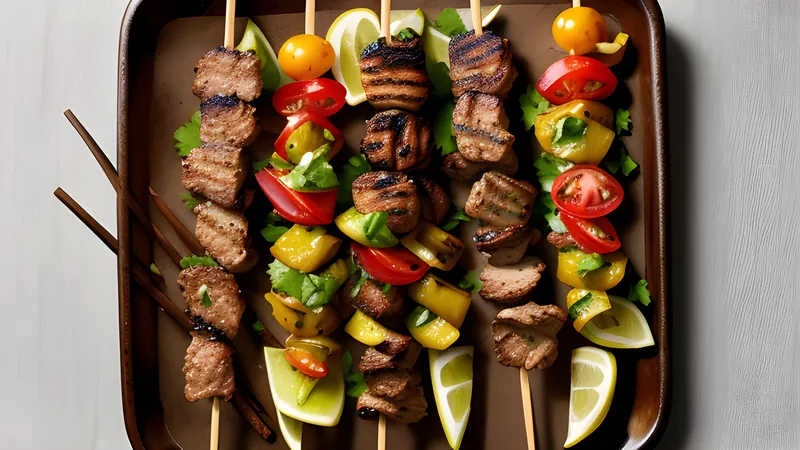
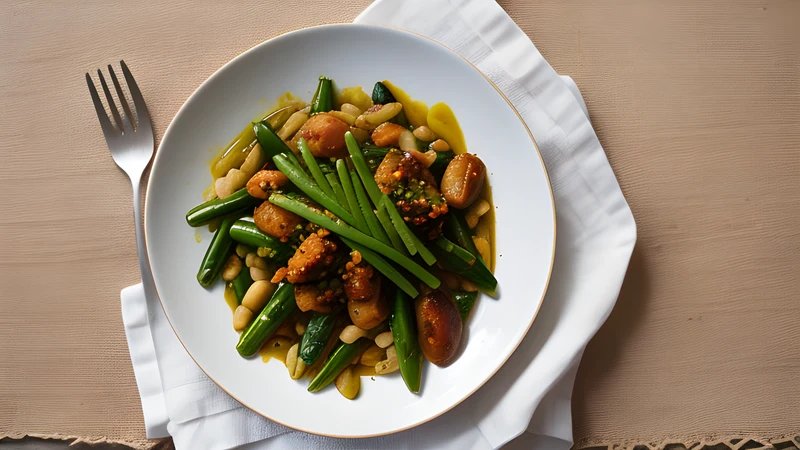
A calçotada is a two-act meal. The onions come first and are eaten standing up. Then everyone sits down to grilled meat — botifarra sausage, lamb chops, white beans — and a bottle of something red and unserious drunk from a porró, the glass jug with a spout that you hold at arm’s length and pour into your mouth, badly.
If you are building a Spanish table around this, patatas bravas hold their own next to the onions, and a Spanish omelette cut into wedges is the right thing to have waiting for the people who arrive late and hungry. Finish with crema catalana and you have stayed in Catalonia the whole way through, ending with the one other dish in the region that involves deliberately burning something.
Related Content