Carrot Cake with Browned-Butter Cream Cheese Frosting
Spiced sponge, nutty frosting
Contents
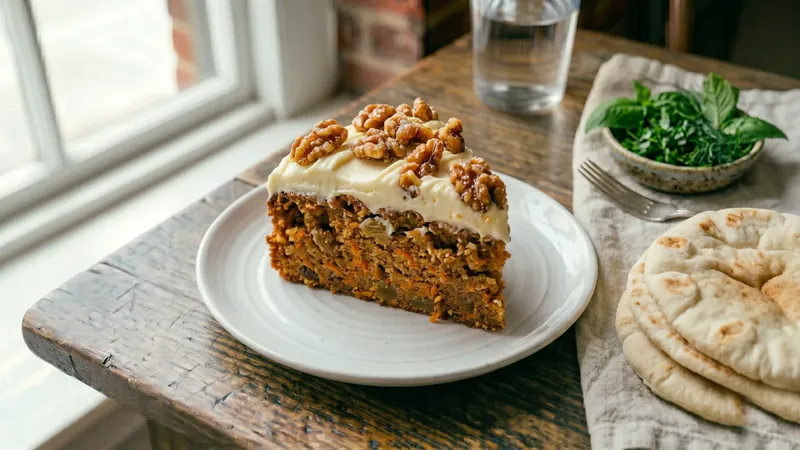
↓ Jump to recipeCarrot cake is damp, deeply spiced and gloriously forgiving, the sort of bake that improves overnight and asks very little of the person making it. The twist here is in the frosting. Instead of plain cream cheese, the butter is browned first, lending a toasty, almost butterscotch note that flatters the cinnamon in the sponge. A scatter of candied walnuts on top adds glassy crunch against the soft crumb, and the whole thing keeps for days.
Carrot Cake with Browned-Butter Cream Cheese Frosting
Ingredients
- 250g plain flour
- 2 tsp baking powder
- 1 tsp bicarbonate of soda
- 2 tsp ground cinnamon
- 1 tsp ground ginger
- 0.25 tsp ground nutmeg
- 0.5 tsp fine salt
- 300g soft light brown sugar
- 4 medium eggs
- 300ml sunflower oil
- 300g carrots, finely grated
- 100g walnuts, roughly chopped
- 100g caster sugar (for the candied walnuts)
- 60g walnut halves (for the candied walnuts)
- 100g unsalted butter (for the frosting)
- 300g full-fat cream cheese, cold
- 150g icing sugar
- 1 tsp vanilla extract
Method
- Heat the oven to 170C fan and line two 20cm sandwich tins.
- Whisk the flour, baking powder, bicarbonate of soda, spices and salt in a large bowl.
- In a second bowl, whisk the brown sugar, eggs and oil until smooth, then fold in the grated carrots and walnuts.
- Combine wet and dry ingredients, divide between the tins and bake for 30 to 35 minutes until a skewer comes out clean. Cool completely.
- For the candied walnuts, melt the caster sugar in a dry pan until amber, stir through 60g walnut halves, tip onto baking paper and leave to set.
- Brown the butter in a small pan over a medium heat until it smells nutty and turns golden, then chill until solid but soft.
- Beat the browned butter with the icing sugar and vanilla, then add the cold cream cheese and beat just until smooth.
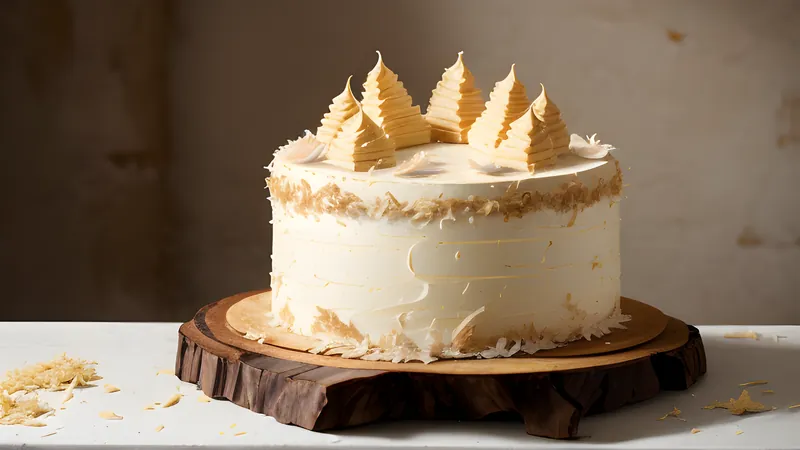
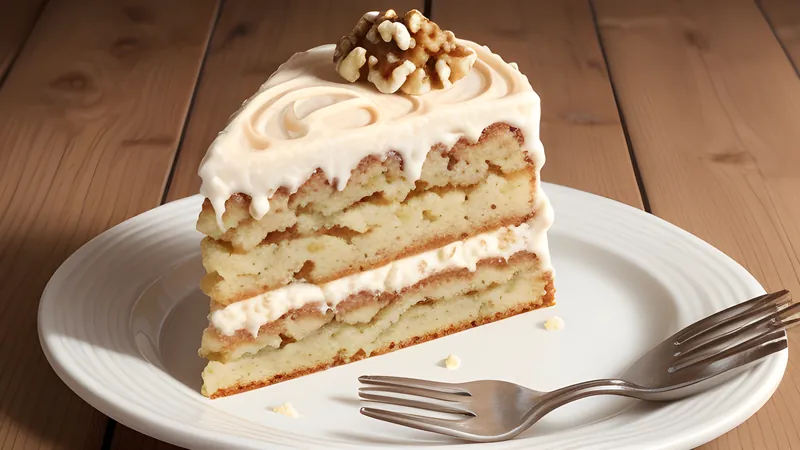
- Sandwich the cooled sponges with a third of the frosting, cover the top and sides with the rest, and crown with the candied walnuts.
The Story
Carrot cake belongs to a long tradition of using vegetables to sweeten and moisten baked goods, a practical habit that goes back to the medieval carrot puddings of Europe, when carrots were among the most reliably sweet things a cook could grow before cheap cane and beet sugar arrived. The vegetable earned a second lease of life in Britain during the Second World War, when the Ministry of Food, faced with sugar rationing, actively promoted carrots as a sweetener and pushed recipes like carrot cake and “carrolade” to a public short of the real thing. The plush, oil-rich, warmly spiced cake most of us picture today, though, is largely an American reinvention: it surged in popularity in the United States through the 1960s and 70s, riding a wave of interest in wholesome, “natural” baking, and travelled back across the Atlantic to sit happily beside the British love of a moist, spiced tray bake.
The grated carrot does real work here, and it is not just for show. As the cake bakes, the shreds soften and release moisture into the crumb, which is why carrot cakes keep so well and genuinely taste better a day after baking, once that moisture has redistributed evenly. Grate the carrots finely rather than coarsely so they melt into the sponge instead of leaving hard shreds. Oil rather than butter in the batter is the other key to the texture: oil stays liquid at fridge temperature, where butter sets firm, so an oil-based sponge stays soft and tender even when the cake is served cold, a useful trait for something so often paired with rich frosting.
Why brown the butter
That frosting is where this version earns its keep. Browning butter is one of the simplest transformations in cooking: gentle heat toasts the milk solids suspended in the fat until they turn golden and smell of nuts and caramel. The technique has long been a staple of French kitchens, where it is called beurre noisette, literally hazelnut butter, for the colour and aroma it develops. Folding that toasted butter into a classic cream cheese frosting deepens the flavour without making it heavier, and the gentle savoury edge stops the topping tipping into cloying sweetness. It is the same move that lifts a batch of spiced parsnip cake or a plate of warm cardamom cinnamon rolls.
The frosting’s one danger is splitting into a soupy, weeping mess, and it splits for a predictable reason: warmth and overbeating. Both the browned butter and the cream cheese must be cool, the cream cheese full-fat and used straight from the fridge, and the beating must stop the moment it turns smooth. The more you work cream cheese, the more its structure breaks down and releases water. Beat the butter, icing sugar and vanilla together first to build a stable base, then add the cold cream cheese and beat only until it just comes together.
The candied walnuts
The candied walnuts are a nod to the nuts traditionally folded through the sponge, lifted out and given a glossy caramel coat. Cooking sugar to an amber caramel is quick but demands attention, as it moves from pale to burnt in moments and scorched caramel is bitter and beyond saving. Keep the heat moderate and swirl the pan rather than stirring, which can cause the sugar to crystallise into grit. The moment it turns a clear amber, tip in the nuts, coat them fast and pour them straight out to set.
The spicing
The spice mix is what turns grated carrot and oil into something worth eating, and it rewards a slightly heavier hand than you might expect, because a large amount of the aroma bakes off in a long, hot oven. Cinnamon leads, warm and woody; ginger adds a low, dry heat; nutmeg brings a faint muskiness that keeps the whole thing from tasting one-note. If you like a deeper, more gingerbread character, add a quarter-teaspoon of ground cloves or allspice, but go carefully, as both are assertive and quickly take over. Soft light brown sugar rather than white does its own quiet work here: the molasses in it adds a caramel undertone and a little extra moisture, reinforcing the damp, keeping crumb that defines a good carrot cake. Toasting the walnuts for the sponge for a few minutes in the oven before chopping deepens their flavour and stops them turning soft and pale in the batter.
Do not skip cooling the sponges completely, and mean it: even a slightly warm cake will melt the cream cheese frosting on contact, and it will slide rather than set. If you are short of time, cool the tins on a rack, then chill the sponges in the fridge for 20 minutes before frosting to firm them up. Assemble on a stand or plate you can serve from, because a fully frosted carrot cake is heavy and soft and does not enjoy being moved.
Substitutions and make-ahead
Walnuts are traditional, but pecans give a softer, sweeter crunch, and toasted hazelnuts lean nicely into the browned-butter theme. For an extra-moist cake, fold 100g of drained crushed pineapple or a grated apple into the batter, reducing the oil by 2 tablespoons to compensate. A handful of sultanas or the finely grated zest of an orange folded in with the carrot both belong here too, adding little bursts of sweetness or a bright citrus lift against the warm spice. If you prefer a taller layer cake, bake the batter in three 18cm tins rather than two 20cm ones, dropping the bake time to 25 to 28 minutes and checking early, since the thinner sponges set faster. For a traybake, pour the lot into a lined 23cm square tin and bake for 40 to 45 minutes, then frost it in the tin and cut into squares, which is the easiest way to feed a crowd without wrestling a soft, heavy sandwich cake off a stand and onto plates. The sponges can be baked, cooled, wrapped tightly and frozen for up to a month; defrost fully before frosting. Unfrosted, the sponges keep well wrapped at room temperature for two days. Once frosted, store the cake in the fridge because of the cream cheese, but bring slices back to room temperature for 20 minutes before serving so the crumb softens and the spice comes forward. The only real patience required is letting the sponges cool completely before frosting, so the topping holds rather than sliding off a warm cake. If you like a spiced vegetable bake, the same warm-spice logic runs through a bowl of spiced carrot and ginger soup.
Related Content