Brown Stew Chicken: Jamaica's Everyday Braise
The Tuesday-night braise built on burnt sugar, scotch bonnet and a proper citrus wash
Contents
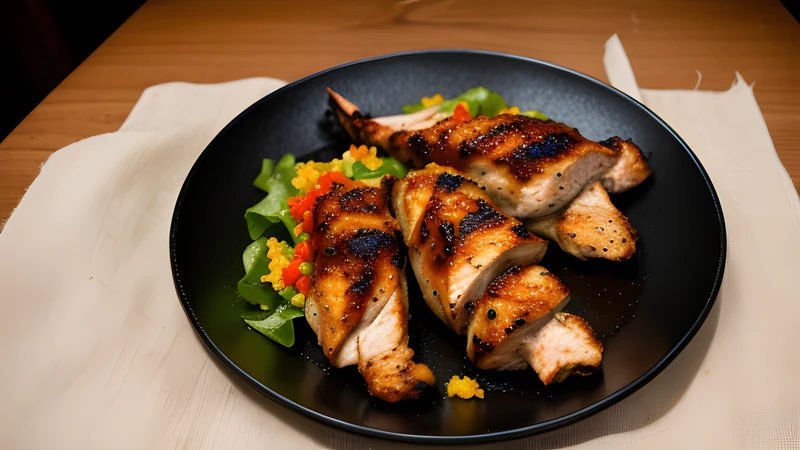
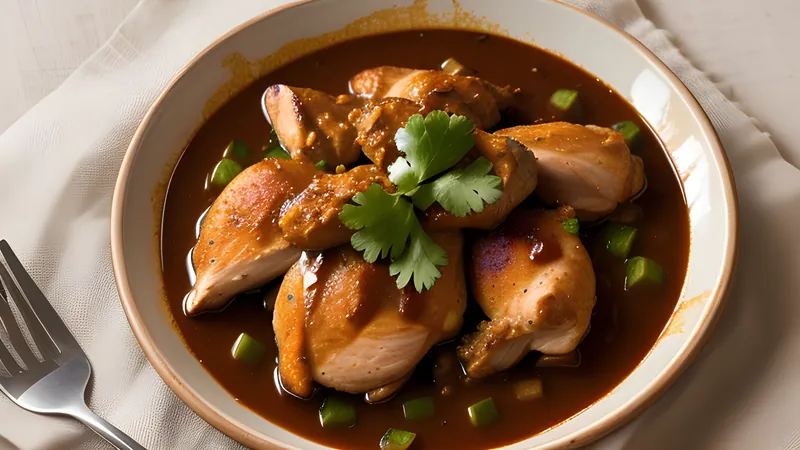
↓ Jump to recipeBrown stew chicken is the dish that runs a Jamaican kitchen on any ordinary weeknight, the one nobody photographs for a special occasion because it doesn’t need the excuse — a pot of chicken braised down into a dark, glossy, deeply savoury gravy, built almost entirely from technique rather than a long ingredient list. Where jerk chicken is smoke and fire and usually a weekend or a roadside stall, brown stew is the version cooked in a covered pot on the back of the stove while somebody’s getting the rice and peas going alongside, and it rewards patience with the two techniques rather than heat: the wash, and the burnt sugar.
Brown Stew Chicken: Jamaica's Everyday Braise
Ingredients
- 1.6kg bone-in, skin-on chicken pieces (thighs and drumsticks), cut small if whole
- 2 limes, juiced, plus the spent halves
- 2 tbsp white vinegar
- 1 tsp fine salt, plus more to season
- 2 tbsp vegetable oil
- 2 tbsp brown sugar
- 1 large onion, sliced
- 4 spring onions, chopped, white and green kept separate
- 4 garlic cloves, minced
- 1 red bell pepper, sliced
- 1 carrot, sliced into rounds
- 1 whole scotch bonnet chilli, left intact and unpierced
- 6 sprigs fresh thyme (or 1 tbsp dried)
- 1 tsp ground allspice (pimento)
- 2 tbsp tomato ketchup
- 1 tbsp low-sodium soy sauce
- 350ml chicken stock
- 1 tsp browning sauce (optional, if the gravy needs more colour)
- Black pepper, to taste
Method
- Put the chicken pieces in a large bowl with the spent lime halves, lime juice, vinegar and 1 tsp salt, cover with cold water, and swirl for a minute. Drain, rinse under the tap, and pat the chicken dry thoroughly with kitchen paper.
- Season the dried chicken with salt, black pepper and half the minced garlic. Set aside for 10-15 minutes while you prepare the vegetables.
- Heat the oil in a heavy pot or Dutch oven over medium heat. Add the brown sugar and let it melt, then darken, watching closely as it moves from amber to a deep mahogany over 1-2 minutes; do not let it go beyond dark brown to black, or it will taste burnt rather than caramelised.
- Immediately add the chicken pieces skin-side down, working quickly so the sugar doesn't scorch. Brown for 3-4 minutes a side until the chicken is a deep, even mahogany all over, then remove to a plate.
- Add the onion, spring onion whites, remaining garlic, bell pepper and carrot to the same pot. Cook for 4-5 minutes, scraping up the browned bits from the base of the pot, until softened.
- Return the chicken to the pot along with the thyme, allspice, whole scotch bonnet, ketchup and soy sauce. Pour in the stock, bring to a simmer, then cover and cook on low heat for 30-35 minutes, until the chicken is cooked through and tender.
- Uncover and simmer a further 10 minutes to reduce and thicken the gravy, turning the chicken once or twice. Taste and add browning sauce only if the colour needs deepening, and adjust salt and pepper.
- Remove the whole scotch bonnet before serving unless diners want to eyeball it and know the risk. Stir through the spring onion greens and serve over rice, rice and peas, or with boiled spinners.
The wash, and why it isn’t optional
Before any seasoning goes near the chicken, it gets washed — soaked briefly in cold water with lime juice, the spent lime halves themselves, and a splash of vinegar, then rinsed and dried. This is standard practice across Jamaican and much of wider Caribbean home cooking: the acid in the lime and vinegar lifts surface residue and any lingering gamey smell from the poultry, leaving cleaner-tasting meat that takes seasoning far better afterwards. Skipping the wash doesn’t ruin the dish, but it does leave a slightly duller, muddier flavour underneath everything else, the kind of thing you only notice by comparison once you’ve cooked it both ways.
Drying the chicken thoroughly afterwards matters just as much as the wash itself. Wet chicken skin won’t brown; it steams instead, and the whole point of the next stage — coating each piece in that deep mahogany burnt-sugar colour — depends on a dry surface meeting hot oil and hotter sugar without a layer of water getting in the way first.
Burnt sugar: the technique that makes the gravy
The signature colour of a proper brown stew, and much of its underlying flavour, comes from a technique borrowed from Chinese red-braising via generations of Jamaican-Chinese cooking exchange on the island: melting sugar in hot oil until it darkens well past caramel into something close to bitter, then browning the chicken directly in it. Done correctly, the sugar goes from clear to pale gold to amber to a deep reddish-brown in under two minutes, and the window between “properly dark” and “acrid and burnt” is narrow, ten or fifteen seconds at the edge, which is why the chicken needs to be ready and waiting at the stove rather than still being seasoned when the sugar starts to turn.
This step is doing two jobs simultaneously. First, it’s a genuine Maillard-adjacent caramelisation that gives the gravy its colour without needing bottled browning sauce, though a few drops of that at the end is a legitimate and widely used backup if the colour still needs deepening — plenty of Jamaican cooks keep a bottle of Grace browning in the cupboard specifically for this. Second, the slightly bitter edge that comes from sugar pushed almost to its limit balances what would otherwise be a very sweet, very savoury gravy once the ketchup, soy and stock go in; without that bitter note underneath, the finished stew tastes flat and one-dimensional in a way that’s hard to place until you taste a version made with the burnt sugar step done properly.
Why the scotch bonnet stays whole
Unlike a jerk marinade, where scotch bonnet is blitzed straight into the paste, brown stew chicken almost always calls for the chilli left completely whole and unpierced, dropped into the pot to simmer alongside everything else and pulled out — or carefully avoided — before serving. This gives the gravy scotch bonnet’s distinctive fruity aroma and a gentle background warmth without the fierce, unpredictable heat that comes from a burst or blended pepper, which matters in a family dish meant to be eaten by people with wildly different heat tolerances around the same table. Piercing it, even by accident with a spoon while stirring, releases enough capsaicin to turn the whole pot properly fiery, so it’s worth reminding whoever’s stirring the pot to treat that pepper as strictly hands-off cargo rather than an ingredient to prod.
Where the burnt-sugar technique actually came from
The braising method owes a direct debt to Chinese-Jamaican cooking, and it’s worth tracing why a Caribbean Sunday dinner uses a technique that looks so much like Cantonese red-braising. Chinese indentured labourers began arriving in Jamaica from the 1850s onward, mostly from Guangdong via Hong Kong and Panama, brought in initially to work the same sugar estates that had run on enslaved African labour until abolition in 1834. Many of the men who finished their indenture contracts moved into small grocery shops and restaurants rather than staying on the estates, and Cantonese cooks browning meat in caramelised sugar and soy met a Jamaican pantry already built around scotch bonnet, thyme, allspice and citrus, merging into something that belongs fully to neither cuisine on its own. The soy sauce and ketchup still in the ingredient list are the clearest fingerprints of that exchange; oddly enough, ketchup itself descends from Hokkien fermented fish sauce (kê-tsiap) carried west by traders centuries before Heinz got hold of it, so its presence in a Jamaican stew pot closes a longer culinary loop than it first appears to.
That Chinese-Jamaican technique has since been folded so completely into home cooking that most cooks making brown stew now have never heard the term red-braising and don’t need to; it’s simply how the chicken is done. The dish sits alongside curry goat and ackee and saltfish as one of the handful of everyday dishes that define a Jamaican table, but unlike those others it carries almost no ceremony. Nobody serves brown stew chicken at a wedding or a Nine Night; it’s the pot that goes on because there’s chicken in the fridge and rice needs something to sit under it.
The recipe
Serves 4-5.
Ingredients
- 1.6kg bone-in, skin-on chicken pieces
- 2 limes, juiced, spent halves reserved
- 2 tbsp white vinegar
- 1 tsp salt, plus more to season
- 2 tbsp vegetable oil
- 2 tbsp brown sugar
- 1 large onion, sliced
- 4 spring onions, whites and greens separated
- 4 garlic cloves, minced
- 1 red bell pepper, sliced
- 1 carrot, sliced
- 1 whole scotch bonnet chilli
- 6 sprigs fresh thyme
- 1 tsp ground allspice
- 2 tbsp ketchup
- 1 tbsp soy sauce
- 350ml chicken stock
- Browning sauce, optional
- Black pepper
Method
- Wash the chicken in cold water with lime juice, spent lime halves, vinegar and salt. Drain, rinse and dry thoroughly.
- Season the dried chicken with salt, pepper and half the garlic; rest 10-15 minutes.
- Melt the sugar in hot oil until deep mahogany, then brown the chicken skin-side down immediately, 3-4 minutes a side. Remove.
- Soften the onion, spring onion whites, remaining garlic, pepper and carrot in the same pot.
- Return the chicken with thyme, allspice, whole scotch bonnet, ketchup, soy and stock. Cover and simmer 30-35 minutes.
- Uncover and reduce 10 minutes further. Adjust colour with browning sauce if needed, and season.
- Remove the scotch bonnet, stir through spring onion greens, and serve.
What can go wrong
The sugar is the single point of failure in this recipe, and it fails in one of two directions. Too little heat or too much stirring and it never gets past a pale caramel, leaving the finished gravy an anaemic tan rather than the deep mahogany the dish is named for; too much heat or a few seconds too long and it jumps straight from dark to acrid, throwing off a bitter, ashy smell that no amount of stock will rescue afterwards. The safest fix if you’re not confident is to pull the pan off the heat the moment the sugar hits a colour you’re happy with and add the chicken immediately, since residual heat keeps darkening the sugar for a few seconds regardless. A second common failure is wet chicken skin refusing to brown: if the pieces weren’t thoroughly patted dry, they release moisture into the hot sugar, the temperature drops, and the chicken stews rather than browns. Pat the skin properly dry with kitchen paper, longer than feels necessary, and let the seasoned chicken sit uncovered at room temperature for the last five minutes of its rest so any remaining surface moisture evaporates before it meets the pan. A gravy that stays thin and watery even after the full simmering time usually just needs longer uncovered: a further five to ten minutes, with the chicken pieces turned occasionally, concentrates the sauce properly.
Tips, substitutions and storage
If the burnt sugar step feels risky the first time, have the stock measured and standing by so you can quench the pan the instant the chicken goes in and the sugar stops cooking against direct heat. Chicken thighs and drumsticks hold up to the braising time better than breast, which dries out; if using breast, add it later, around the 15-minute mark, rather than at the start. The finished stew keeps four days refrigerated and reheats gently on the stove with a splash of water, and it freezes well for up to three months, the gravy if anything improving once it’s had a day to sit. Serve it the way it’s eaten across Jamaica: over white rice or rice and peas cooked with scotch bonnet and thyme, or alongside boiled green bananas and dumplings. Short of browning sauce, a spoonful of dark muscovado melted the same way as the brown sugar gets close to the same colour. A habanero substitutes for scotch bonnet in both heat and fruitiness if none is available. Bone-in pieces are worth insisting on over boneless: the bones render collagen into the gravy over the simmering time, giving it a body that boneless thigh meat alone won’t produce. Leftovers reheat better than the stew tastes on the first night, since the sauce keeps seasoning the meat as it sits.
Variations
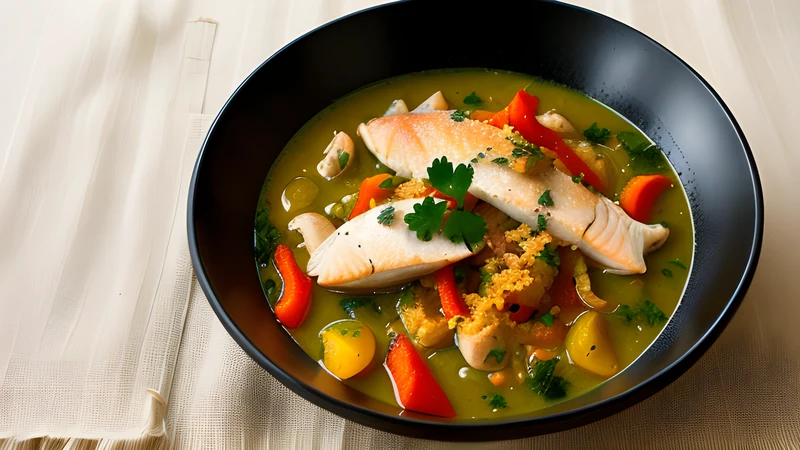
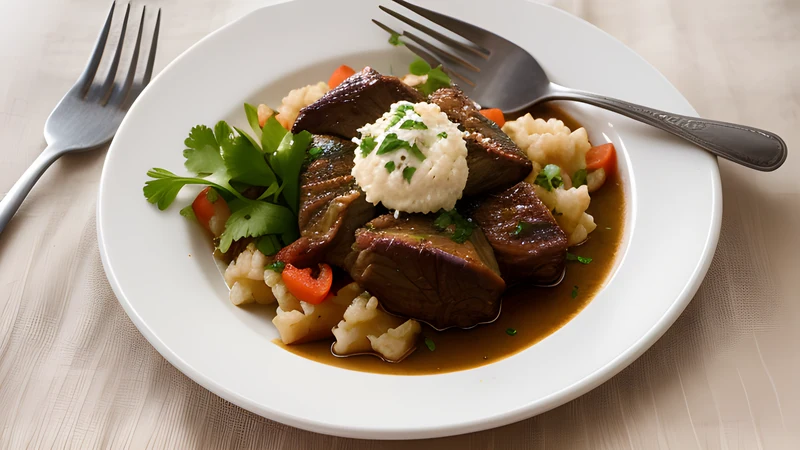
Some households add a diced chocho (chayote) or a few butter beans to stretch the pot further, both of which take on the gravy well without fighting the existing flavours. Oxtail and pork get the same burnt-sugar treatment under different names, though both need considerably longer braising times than chicken to break down properly, often ninety minutes or more before the meat yields. A fish version exists too, usually snapper, simmered far more briefly, ten minutes at most, since fish falls apart under the same treatment chicken can withstand for half an hour. For a sweeter, lighter finish that leans toward the fried-dough side of a Jamaican table, this stew sits particularly well next to festival, the fried cornmeal dumpling that’s built to mop up exactly this kind of gravy. Irish potatoes, peeled and quartered, go into some family versions during the last twenty minutes of simmering, giving the dish more bulk without another pot to wash. A version built on pork neck or shoulder takes the same wash-and-brown method but needs an extra thirty to forty minutes of low simmering, plus a splash more stock partway through so the pot doesn’t run dry before the meat is tender.
Whichever protein goes into the pot, the two steps worth never rushing are the wash beforehand and the burnt sugar at the start; skip either one and the result is still a decent chicken stew, just not the specific, deeply seasoned dish that earns the name brown stew in the first place.
Related Content