Bobó de Camarão: The Cassava and Prawn Braise
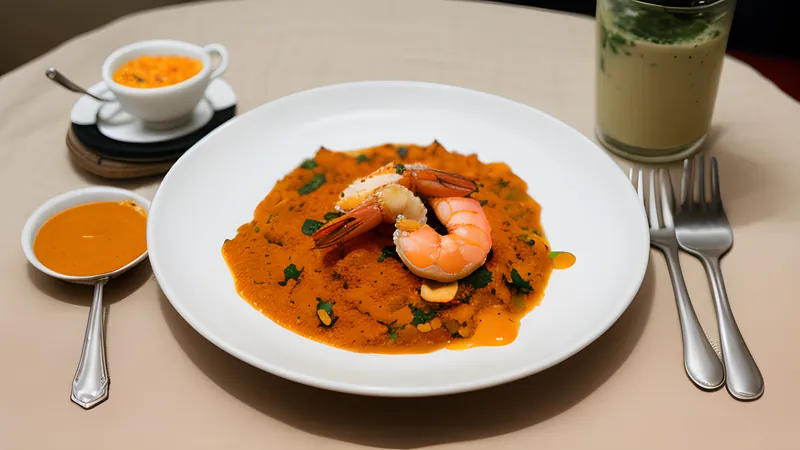
A cassava-thickened prawn stew finished with coconut milk and dendê oil, Bahia's answer to a chowder
Contents
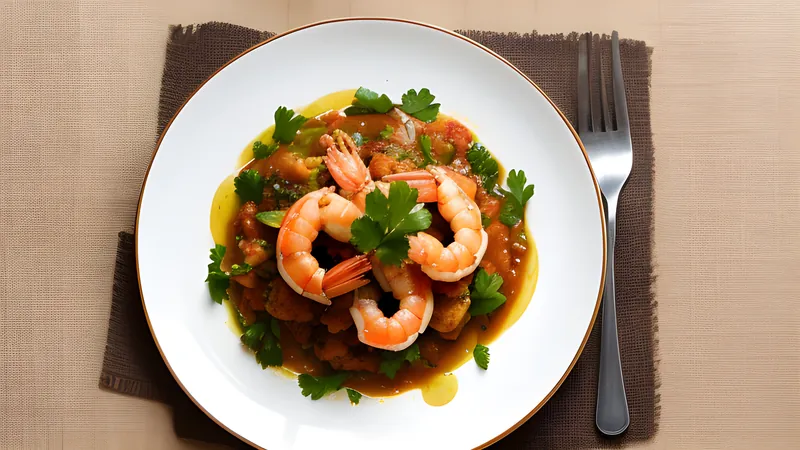
↓ Jump to recipeBobó de camarão is a prawn stew thickened with mashed cassava rather than bread, finished with coconut milk and a slick of dendê oil, and it’s the Bahian dish most likely to convert someone who finds vatapá’s dense, nutty richness a lot to take on. Bobó is silkier, lighter on the tongue despite carrying just as much coconut fat, and considerably faster to put together, because there’s no bread to soak, no nuts to grind, and no long toasting stage before the liquid goes in.
Bobó de Camarão: The Cassava and Prawn Braise
Ingredients
- 700g cassava (yuca), peeled and cut into chunks
- 1 litre light fish or vegetable stock
- 500g raw prawns, peeled and deveined, shells reserved
- 1 tbsp lime juice
- 60ml dendê (palm) oil
- 1 large onion, finely chopped
- 4 garlic cloves, finely chopped
- 1 red pepper, finely chopped
- 2 tomatoes, chopped
- 1-2 malagueta or bird's-eye chillies, finely chopped
- 400ml coconut milk
- 1 tsp fine salt, plus more to taste
- Small bunch coriander, chopped, to finish
Method
- Toss the prawns with the lime juice and a pinch of salt, and set aside to marinate while you prepare the base.
- If you have prawn shells, simmer them in the stock for 10 minutes to deepen the flavour, then strain and discard the shells.
- Simmer the cassava chunks in the stock for 20-25 minutes, until completely tender and starting to break apart at the edges.
- Drain the cassava, reserving the cooking stock, and mash it roughly with a fork or blend half of it with a little of the reserved stock until smooth, leaving the other half in rough chunks for texture.
- Heat the dendê oil in a heavy pot over medium heat and fry the onion for 5 minutes, until soft and translucent.
- Add the garlic, red pepper and half the chilli, and cook for a further 3 minutes.
- Stir in the tomatoes and cook for 5 minutes, until they collapse into the base.
- Add the mashed and chunked cassava, the coconut milk and 200ml of the reserved cassava stock, and season with the salt.
- Simmer for 10 minutes, stirring occasionally, until the mixture thickens into a loose, chowder-like consistency; loosen with more stock if it's too thick, or reduce further if too thin.
- Stir in the marinated prawns and cook for 4-5 minutes, until just opaque, then taste, adjust salt and remaining chilli, and finish with chopped coriander before serving.
Cassava, not bread, and what that changes
The defining difference between bobó de camarão and vatapá is the thickener. Where vatapá relies on soaked, blended bread for body, bobó uses cassava root itself, boiled until tender and then mashed, part of it smooth and part of it left in rough pieces so the finished stew has both a creamy base and a bit of textural bite running through it. Cassava (mandioca in Portuguese, yuca in much of the Spanish-speaking Americas, manioc in older English usage) is one of the most important staple crops across tropical Brazil, brought into Bahian cooking directly from Indigenous Tupi-Guarani agricultural knowledge that predates Portuguese colonisation and West African arrival alike, making bobó de camarão a genuinely three-way culinary inheritance: an Indigenous staple crop, cooked with West African oil and seasoning technique, adapted to a Portuguese-introduced shellfish stew format.
Fresh cassava root needs peeling past its thick brown skin to the white flesh beneath, and it’s worth knowing that raw cassava contains compounds that release small amounts of cyanide and must always be cooked thoroughly before eating; this isn’t a concern once it’s properly boiled for the 20-25 minutes this recipe calls for, but it does mean you should never taste it raw or undercooked as you might with a potato. Frozen, peeled cassava chunks are widely available in Latin American, African and Asian grocers and are a genuinely good substitute for fresh, since the freezing process doesn’t noticeably affect the texture once it’s cooked down into a mash.
Dendê oil’s job in a lighter dish
Bobó uses less dendê oil than vatapá relative to its overall volume, but the oil is doing the same essential job: without it, the dish reads as a fairly generic coconut-milk seafood stew, the kind found across much of coastal Brazil and beyond; with it, the specific fermented, faintly smoky depth that marks Bahian cooking apart from its neighbours becomes unmistakable. Add the dendê at the start, frying the onion and aromatics in it rather than stirring it in at the end, so its flavour infuses the whole base rather than sitting as a separate layer of oil on top of the finished stew.
If dendê genuinely isn’t available, a neutral oil with a small pinch of sweet paprika stirred in gets you closer to the right colour, though the flavour will read as a straightforward coconut prawn stew rather than specifically Bahian. It’s worth seeking out the real thing if you can, since it’s the single ingredient that separates this recipe from the broader Latin American and Caribbean tradition of coconut-milk seafood stews it otherwise resembles.
Getting the texture right without overcooking the prawns
The two things to watch closely are the cassava’s tenderness and the prawns’ cooking time, and they don’t happen at the same pace. Cassava needs a proper simmer, 20-25 minutes, to break down enough to mash cleanly; prawns need only 4-5 minutes over a gentle simmer to go from raw to just cooked, and pushing past that turns them tight and rubbery fast. Always finish the base, get the consistency and seasoning right, and only then add the prawns right at the end, off a boil, so they poach gently in the hot stew rather than cook hard in a rolling simmer.
Marinating the raw prawns briefly in lime juice and salt before they go anywhere near the pot firms up their texture slightly and seasons them from the inside, a habit worth carrying into other quick seafood cooking generally; ten minutes is enough, and longer than 20 minutes starts to properly “cook” the prawns through the acid, in the manner of a ceviche, which isn’t what you want here.
What can go wrong
A stew that separates, with an oily sheen pooling on top rather than a cohesive, glossy surface, has usually been boiled too hard once the coconut milk goes in; coconut milk’s fat splits under a rolling boil the same way a cream sauce does, so keep the heat at a gentle simmer from the point the coconut milk is added onward, and stir it back together off the heat with a whisk if it does split. A thin, watery bobó that never thickens properly points to under-mashed cassava; take a portion of the drained cassava and blend it more aggressively rather than adding a flour-based thickener, which dulls the dish’s proper starchy body. Rubbery, overcooked prawns are the most common single fault and come from adding them too early or leaving the pot at a rolling simmer once they’re in; pull the pot to the lowest possible heat the moment the prawns go in and set a timer rather than trusting your eye, since the window between just-cooked and overdone is genuinely only a minute or two.
Serving bobó de camarão alongside the rest of the Bahian table
Bobó de camarão is typically served over white rice, and it sits comfortably on the same table as vatapá and acarajé if you’re building a full Bahian spread, since all three share the dendê-coconut-shrimp backbone while landing at genuinely different textures: bobó smooth and chowder-like, vatapá dense and nutty, acarajé crisp-shelled and fried. A scattering of toasted farofa alongside gives the meal the crunch that none of the three dishes provide on their own, a combination that shows up constantly on Bahian plates precisely because the textures complement each other so directly.
Leftover bobó keeps for up to three days in the fridge and reheats gently on the stove with a splash of water or stock to loosen it back to its original consistency; it thickens considerably once cold, since the mashed cassava continues to absorb liquid as it sits. Avoid freezing it once the prawns are in, since cassava’s starch structure breaks down unpleasantly on thawing and turns the base grainy rather than smooth; if you want to make it ahead, freeze the base up to the point before the prawns go in, then thaw, reheat, and add fresh prawns to finish.
Building flavour into the stock
Don’t skip simmering the prawn shells in the stock before cooking the cassava in it, if you have raw, shell-on prawns to work from. It’s a small extra step, ten minutes at most, but it means the cassava itself cooks in a liquid that already carries real shellfish flavour rather than plain stock, and that base flavour carries through the whole dish in a way that’s hard to compensate for later just by seasoning the finished stew. If you’ve bought prawns already peeled, a small handful of dried shrimp simmered in the stock for the same ten minutes gets you most of the way there instead, adding a concentrated savoury note that a plain vegetable or fish stock alone won’t provide.
Fish stock is the better choice over vegetable stock if you have it, even a light one made from white fish bones and a few aromatics simmered for twenty minutes, since it reinforces the seafood character of the dish rather than leaving the cassava and coconut milk to carry all of the savoury weight themselves. A good-quality shop-bought fish stock works perfectly well here; there’s no need to make your own from scratch unless you happen to have prawn shells or fish trimmings on hand already.
Adjusting heat and richness to taste
The malagueta or bird’s-eye chilli quantity here is a starting point rather than a fixed rule, and Bahian home cooks vary it considerably depending on who’s eating. Add half at the aromatics stage so the heat cooks into the base itself, then hold the rest back to stir in at the very end alongside the coriander, tasting as you go; this two-stage approach means you can serve a milder version to some diners by simply holding back that final addition, without needing to cook a separate pot.
If you want a richer, more indulgent version closer to restaurant-style Bahian cooking, increase the coconut milk slightly and finish with a small extra spoonful of dendê oil stirred through right at the end, off the heat, so its flavour stays bright rather than cooking down further. This isn’t traditional in every household version of the dish, but it’s a common enough restaurant flourish in Salvador that it’s worth knowing as an option once you’ve made the base recipe a few times and have a feel for how much richness you actually want.
Substitutions worth knowing
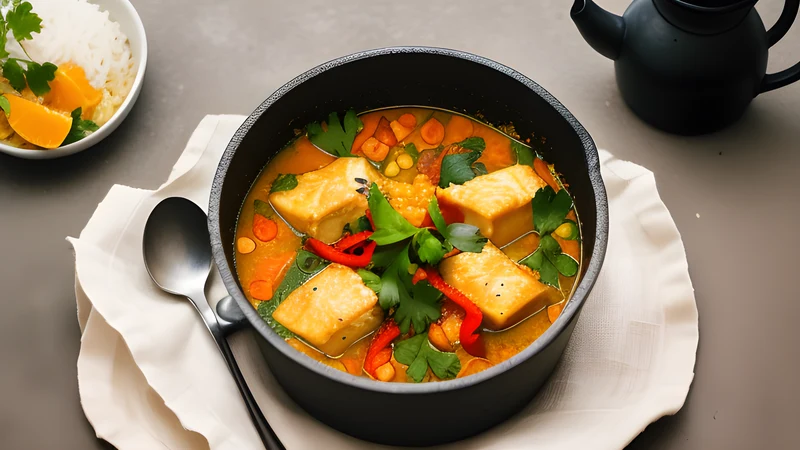
If prawns aren’t available or you’d rather cook with something else, firm white fish cut into chunks, or a mix of fish and squid, works within the same base and timing, though squid needs an even shorter cooking window, closer to two minutes, or it turns tough rather than tender. A vegetarian version, using chunks of cooked plantain or extra-firm tofu in place of the prawns and building the stock from vegetables rather than shellfish, keeps the cassava-and-dendê character intact even without any seafood at all, and is a reasonable weeknight option if you’re cooking for a mixed table. For the coconut milk, use a full-fat tinned version rather than a carton of thin coconut drink; the fat content genuinely matters for the finished texture, and a low-fat substitute produces a thinner, less satisfying stew no matter how well you’ve handled everything else.
Bobó de camarão is a good entry point into Bahian cooking if the longer commitment of a full feijoada or a from-scratch pão de queijo feels like too much for a weeknight; it shares the same coconut-and-dendê backbone as the rest of the Bahian table in under an hour.
Related Content