Birria de Res With Consomé for Dipping
Chilli-braised beef, crisp folded tacos, and a cup of red broth
Contents
↓ Jump to recipeBirria used to be a slow-cooked goat stew from Jalisco, eaten from a bowl at weddings and on Sunday mornings, hangover food with a spoon. Then, somewhere in the 2010s, cooks on both sides of the border started shredding the beef version into cheese-filled tacos, frying them in the rust-coloured fat, and serving a little cup of the braising broth alongside for dipping. The internet did the rest. Quesabirria became one of the most photographed foods on earth, and the image of a red-stained taco being dunked into a cup of consomé is now shorthand for a certain kind of joy. Underneath the trend sits a genuinely great braise, and that is what this recipe is really about.
Birria de Res With Consomé for Dipping
Ingredients
- 1.5kg beef chuck or short rib, in large chunks
- 500g beef shin or oxtail, for gelatine
- 6 guajillo chillies, stemmed and seeded
- 4 ancho chillies, stemmed and seeded
- 2 chiles de árbol (optional, for heat)
- 1 large onion, quartered, plus extra finely chopped to serve
- 6 garlic cloves
- 3 plum tomatoes
- 1 tbsp cider or white vinegar
- 1 tsp cumin seeds
- 1 tsp dried oregano (Mexican if possible)
- 4 cloves
- 1 stick cinnamon
- 2 bay leaves
- 1 tbsp fine sea salt, plus more to taste
- 2 litres water or beef stock
- Corn tortillas, to serve
- 250g mozzarella or Oaxaca cheese, grated (for quesabirria)
- 1 large bunch coriander, chopped
- 2 limes, cut into wedges
Method
- Toast the seeded chillies in a dry pan for 20–30 seconds a side until fragrant, then soak in hot water for 15 minutes.
- Blend the soaked chillies with the tomatoes, quartered onion, garlic, vinegar, cumin, oregano, cloves, cinnamon and a ladle of the soaking water to a smooth adobo. Pass through a sieve.
- Season the beef well with salt. Pack it into a heavy casserole, pour over the adobo, add the bay leaves and enough water or stock to almost cover.
- Bring to a simmer, cover, and cook in a 150°C oven (or on the lowest hob flame) for 3 to 3.5 hours until the beef shreds with a fork.
- Lift out the meat, discard bones, and shred it. Skim the bright orange fat from the surface of the broth into a small bowl and reserve it; this is what fries the tacos.
- Taste the broth (the consomé) and adjust salt; keep it hot.
- For quesabirria: dip a tortilla in the reserved fat, lay it on a hot griddle, scatter cheese and shredded beef over half, fold, and fry until crisp on both sides.
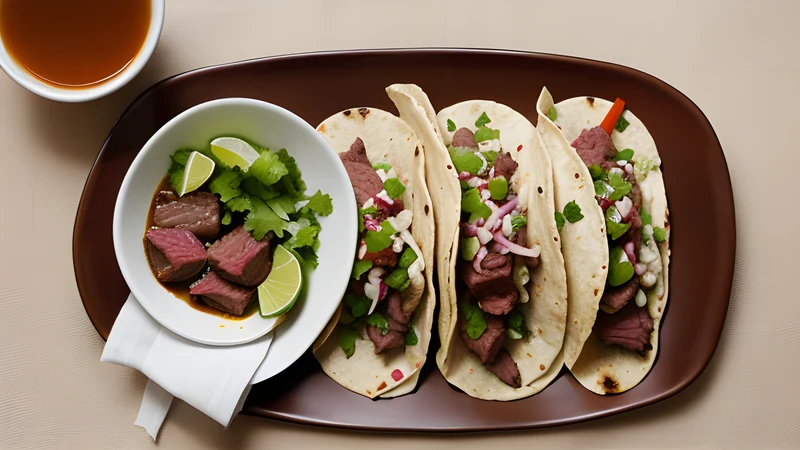
- Serve the tacos with a cup of consomé topped with chopped onion and coriander for dipping, plus lime wedges.
Goat, beef, and where birria comes from
The dish was born in Jalisco, in western Mexico, and the traditional animal is goat, birria de chivo. Goat was abundant, tough and strong-flavoured, and the long chilli braise was a way of taming it into something tender and aromatic. Over time beef, birria de res, became the common choice outside Jalisco, partly because good goat is hard to buy and partly because beef chuck delivers the same fall-apart texture with a flavour more people are used to. Purists in Jalisco will tell you beef birria is a different animal, and they are right, but beef birria is also delicious and is what most of us can actually cook, so that is where we are going.
The town most often credited as birria’s home is Cocula, in Jalisco, where it was cooked for weddings and fiestas, the seasoned goat wrapped and steamed in a pit oven or a sealed pot until it fell apart. From there it spread across Mexico as celebration food and hangover cure, ladled out as a brothy stew with the meat still on the bone. The taco version that conquered the internet has a more recent, more northern story: cooks in Tijuana, on the US border, began frying the stewed beef into crisp, cheese-filled tacos and serving the broth alongside for dipping, and from Tijuana the quesabirria travelled to Los Angeles and then, through phone screens, everywhere. So the dish you are making carries two eras at once: an old Jaliscan feast braise and a young border-town street snack. Both are legitimate, and knowing the difference helps you decide which one you actually want on the night, the quiet brothy bowl of the highlands or the loud, crackling, orange-stained tacos of the frontier.
The heart of birria is the adobo, a paste of dried chillies and spices that both flavours and colours the meat. Guajillo brings the deep red and a mild, tangy fruitiness; ancho adds sweetness and body; a couple of chiles de árbol lend heat if you want it. Toasted whole spices, cinnamon, cloves, cumin and oregano, and a hit of vinegar give the adobo its warm, slightly sour complexity. This is a close cousin of the adobo that builds a good mole negro, though far simpler and brighter.
Knowing your chillies
The adobo is only as good as the dried chillies you build it from, so buy them somewhere with turnover and check they are still supple rather than brittle and dusty. Guajillo is the workhorse: a dried mirasol chilli, glossy and deep red, tangy and mild, and it gives birria both its colour and its backbone. Ancho, the dried poblano, is wrinkled and near-black, sweeter and softer, and it rounds the sauce out with a raisiny depth. The two together are the classic base; a couple of fierce little chiles de árbol add heat for those who want it. Toast them only briefly and watch them like a hawk, because the line between fragrant and scorched is a few seconds, and a burnt chilli will make the whole pot taste of ash. Soak them until floppy, then blend and, crucially, pass the adobo through a sieve, because the skins never fully break down and a gritty sauce is the mark of a rushed cook. Season the blended adobo before it meets the meat; it should already taste balanced, warm and a little sour. A good adobo is worth making in a double batch and freezing, since it is the slow part of the job and it keeps for months, ready to turn a chunk of chuck into birria on a whim.
The braise
Everything good about birria comes from a long, gentle braise, so do not rush it. Toast your seeded chillies briefly in a dry pan, just until they smell fragrant, because a scorched chilli turns bitter and there is no coming back from it. Soak them in hot water to soften, then blend with tomatoes, onion, garlic, vinegar and the toasted spices into a smooth adobo, and pass it through a sieve so the sauce is silky rather than gritty.
For the meat, chuck or short rib gives you the flavour and the shred, but the single best upgrade is to add some beef shin or oxtail. Those cuts are full of connective tissue that melts into gelatine, and gelatine is what gives the consomé its lip-sticking body. A birria broth that sets to a wobble in the fridge is a birria broth that will coat every taco you dip. Pack the meat into a heavy casserole, pour over the adobo, add bay and enough water or stock to almost cover, and cook it low, around 150°C, for three hours or more until a fork twists the beef apart without resistance.
When it is done, lift out the meat and shred it, discarding any bones. Then look at the surface of the broth: there will be a slick of bright orange, chilli-stained fat floating on top. Skim that into a separate bowl. It is the single most useful thing in the whole recipe, because it is what you fry the tacos in, and it is what gives quesabirria their colour and their perfume. The broth left behind is your consomé; taste it, add salt until it sings, and keep it hot.
Building quesabirria
This is the part that made birria famous. Dip a corn tortilla in the reserved orange fat so it is lightly coated, lay it on a hot griddle, scatter over grated cheese and a good pile of shredded beef, fold it into a half-moon, and fry it until both sides are crisp and the cheese has melted into the meat. The tortilla turns a glorious red and picks up a shattering edge. Serve three or four to a person with a small cup of consomé, topped with finely chopped raw onion and coriander, and lime on the side.
The ritual is the point. You pick up a taco, dunk one end into the hot consomé, and eat it dripping, then take a sip of the broth between bites. The crisp taco, the soft cheesy beef, the rich chilli broth and the sharp raw onion make a loop that is genuinely hard to stop eating. It is messy, it stains, and it is worth every napkin.
The toppings earn their place. Finely chopped white onion and a heap of fresh coriander go on both the tacos and the consomé, and a hard squeeze of lime cuts through the richness of the fat. Some cooks add a spoon of fiery salsa or a scatter of dried oregano rubbed between the palms. To drink, the classic partner is a cold lager or a michelada, beer with lime, salt and a little chilli, whose sourness resets the palate between rich, dripping bites. Set everything out in bowls and let people build and dip at their own pace; birria is convivial, hands-on food that turns a kitchen table into an event, and the mess is part of the fun rather than something to apologise for.
Faults, make-ahead and variations
The most common failure is a thin, watery consomé, and it comes from two places: not enough gelatinous cut, and adding too much liquid. Use the shin or oxtail, keep the water just below the level of the meat, and reduce the broth at the end if it needs concentrating. The second failure is bland meat, which almost always means undersalting; season the beef properly before it goes in, and correct the broth at the end, because chilli and beef both swallow a lot of salt.
Birria is a wonderful make-ahead dish, arguably better on the second day. Braise the meat, shred it, and keep it in the strained broth in the fridge overnight; the fat sets on top in an orange cap you can lift off for frying, and the flavours deepen. Reheat gently and build your tacos to order. It also freezes well, meat and broth together, so a big batch banks several dinners.
If you want it soupier and closer to the Jalisco original, skip the frying entirely and serve the shredded beef in a deep bowl of consomé with chopped onion, coriander and lime, tortillas warmed alongside. That is birria in its older, quieter form, and on a cold day it may be the better dinner. For the same slow-braise satisfaction in a brighter, greener register, the pozole verde with chicken and pepitas is the natural next pot to make, and the shredded-chicken ease of tinga de pollo scratches the same taco itch on a weeknight.
Birria rewards patience and good chillies more than any special skill. Get the adobo smooth, choose a gelatinous cut, braise it until it surrenders, and skim that precious orange fat. Do those four things and you will have crisp red tacos and a cup of broth worth dipping them in, the kind of meal that makes a table go quiet for a minute and then loud with people asking for more.
Related Content