Bigos: The Polish Hunter's Stew
sauerkraut, three kinds of meat and mushrooms, cooked and re-cooked
Contents
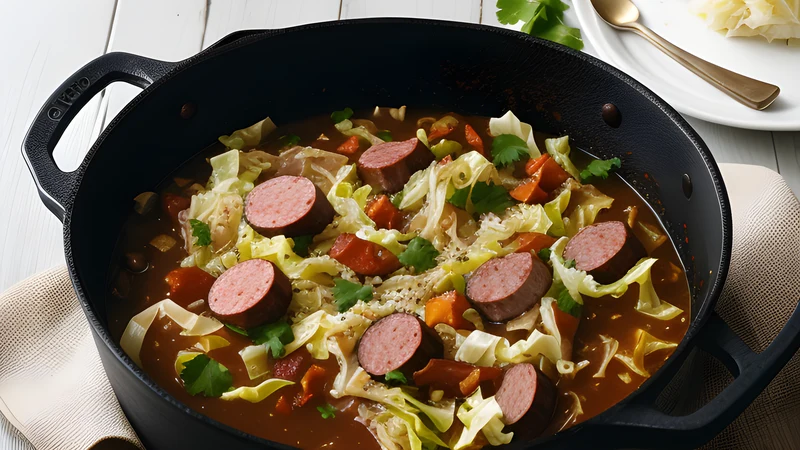
↓ Jump to recipeBigos is the great Polish reheating dish, and to understand it you have to abandon the idea that a stew is finished when it comes off the stove for the first time. Bigos is barely begun at that point. The genuinely traditional version is cooked, cooled, and reheated over three, four, even five days, and every cycle of heating and cooling deepens and mellows it, breaking down the cabbage, marrying the meats, and concentrating the whole thing into something dark, sour, smoky and profound. A first-day bigos is a decent cabbage stew. A fourth-day bigos is one of the great dishes of Central Europe. This is a recipe that asks for time rather than skill, and it repays the patience more honestly than almost anything I cook.
It is, by common consent, the national dish of Poland, and its roots are in the hunt. Bigos myśliwski, hunter’s bigos, was the hearty stew cooked up after a day’s shooting in the great forests of the old Polish-Lithuanian Commonwealth, when whatever game had been taken went into the pot with sauerkraut and whatever else was to hand. The dish is woven into Polish culture deeply enough that Adam Mickiewicz devoted a loving passage to it in Pan Tadeusz, the national epic poem, describing the steam rising from the pot and the way the flavour defies easy words. Even the language carries it: to say something is “bigos” in Polish is to say it is a jumble, a mix-up, a glorious mess, which is exactly what the stew is.
Bigos: The Polish Hunter's Stew
Ingredients
- 700g sauerkraut, drained (liquid reserved)
- 500g fresh white cabbage, finely shredded
- 500g pork shoulder, cut into 2cm cubes
- 300g smoked kielbasa, sliced
- 150g smoked streaky bacon, diced
- 30g dried wild mushrooms (porcini or Polish borowik)
- 100g pitted prunes, chopped
- 2 onions, diced
- 2 tbsp tomato paste
- 150ml dry red wine
- 2 bay leaves
- 6 allspice berries
- 8 juniper berries, lightly crushed
- 1 tsp caraway seeds
- 1 tsp black peppercorns
- 1 tbsp lard or oil
- Salt to taste
Method
- Soak the dried mushrooms in 300ml just-boiled water for 30 minutes. Lift out, chop, and reserve the strained soaking liquid.
- In a large heavy pot, render the diced bacon over medium heat until the fat runs and it begins to crisp. Lift out and set aside.
- Brown the pork cubes in the bacon fat (add lard if needed) on all sides, then set aside. Soften the onions in the same pot until golden.
- Stir in the tomato paste and cook 2 minutes, then deglaze with the red wine, scraping up the browned bits.
- Return the bacon and pork. Add the drained sauerkraut, shredded fresh cabbage, chopped mushrooms and their strained liquid, prunes, bay, allspice, juniper, caraway and peppercorns.
- Add just enough water or reserved sauerkraut liquid to keep it moist without drowning it. Cover and simmer very gently for 2 hours, stirring occasionally.
- Add the sliced kielbasa and cook uncovered for a further 45-60 minutes until the stew is dark, thick and glossy and the liquid has largely cooked away. Taste and season.
- Cool completely, then reheat gently the next day, and ideally again the day after; bigos improves each time it is cooked and cooled.
The two cabbages, and why you need both
The base of bigos is cabbage, and the balance of two kinds is what gives a good version its character. Sauerkraut, kiszona kapusta, brings the essential sourness and the fermented depth, while fresh white cabbage, shredded and added alongside, softens that tang and adds sweetness and body. An all-sauerkraut bigos is aggressively sour; an all-fresh-cabbage one is flat and dull. The classic ratio runs somewhere around half and half, or a little more sauerkraut than fresh, and you should taste and adjust to your own liking. Drain the sauerkraut but reserve its liquid, because a splash of it late in the cooking is the cleanest way to sharpen a stew that has gone too mellow.
Give the sauerkraut a taste before it goes in. Some brands are punishingly sour and salty, in which case a quick rinse and a squeeze tames them; others are mild and need no help. Chop very long strands of sauerkraut so it is easier to eat, and shred the fresh cabbage reasonably fine so it collapses into the stew rather than sitting in stubborn ribbons. The cabbage will cook down dramatically over the long braise, so a pot that looks alarmingly full at the start will settle to a fraction of its volume.
Meat, smoke, and the mushroom-and-prune secret
Bigos is a mixed-meat dish, and its richness comes from combining several. The reliable trio is pork shoulder for its collagen-rich chunks that go meltingly tender, smoked kielbasa for its garlicky, smoky punch, and smoked streaky bacon rendered down at the start to give a savoury fat base. Traditionally, and especially in a hunter’s version, you would add game, venison, wild boar, hare, or the leftovers of a roast, and bigos is in fact one of the best homes there is for odds and ends of cooked meat. Do not feel bound to my exact cuts; a good bigos is opportunistic, and last Sunday’s roast pork or a couple of leftover sausages belong in the pot.
The two ingredients that lift bigos from a good cabbage-and-meat stew into something memorable are dried wild mushrooms and prunes, and together they are my desert-island addition. Dried porcini, or the Polish borowik, soaked and chopped with their soaking liquor strained into the pot, bring a deep, woodland, umami savouriness that fresh mushrooms cannot match. Chopped prunes, meanwhile, melt almost entirely into the sauce over the long cook, adding a dark, fruity sweetness and a faint smokiness that balances the sour cabbage beautifully. A splash of dry red wine deglazes the browned meat and adds another layer of depth. These are the touches that make homemade bigos taste like somewhere real rather than like boiled cabbage.
Building and the long cook
Start by rendering the bacon, then browning the pork properly in that fat; the fond, the browned residue on the base of the pot, is flavour you will deglaze with wine and cannot get any other way, so give the meat time to colour rather than crowding and steaming it. Soften the onions, stir in tomato paste and cook it out, then pour in the wine and scrape up all the browned bits. Now everything goes into the pot together: the meats, both cabbages, the mushrooms and their liquid, the prunes, and the warm spices, bay, allspice, juniper, caraway and black pepper, which give bigos its distinctive resinous, forest-floor aroma.
Add liquid cautiously. Bigos should be moist and slowly braising, not swimming; the cabbage and meat release a lot of moisture, so a little water or reserved sauerkraut brine is usually enough to start. Cover and cook very gently for a couple of hours, stirring now and then to stop the base catching, then add the sliced kielbasa and cook uncovered for the final stretch to let the stew reduce and darken. It is ready for its first cooling when the cabbage is completely tender, the pork pulls apart, and the whole thing has turned a deep glossy brown with little loose liquid left.
The reheating, which is the point
Here is the step that separates a real bigos from an ordinary stew, and it cannot be skipped if you want the authentic thing: cool it completely, then reheat it gently the next day, and again the day after. Each cooling and reheating cycle deepens the flavour, softens the cabbage further, and melds the components into a dark, unified whole. Traditionally bigos was even carried outside in winter to freeze and thaw repeatedly, which does the same work. This is why bigos is made in enormous batches; it genuinely gets better for a week, and it freezes superbly, so a big pot is an investment in several excellent future dinners rather than a single meal.
When reheating, warm it slowly over low heat and stir often, adding a splash of water if it has tightened too much. Taste and rebalance each time: a little sauerkraut brine to sharpen, a pinch of salt or sugar, a grind of pepper. The stew you serve on day three, seasoned and adjusted over its reheatings, is the one worth waiting for.
Regional versions and variations
There is no single canonical bigos, and the recipe shifts across Poland and down the generations. In the old eastern borderlands and among hunting families, game dominates: venison, wild boar and hare give a darker, more mineral stew. Some regions add a spoonful of powidła, the thick Polish plum jam, or a square of dark chocolate near the end for a deeper, almost bittersweet finish, which sounds odd and tastes wonderful against the sour cabbage. Others stir in a little honey or a grated apple to round the sourness, or a handful of tomatoes for a redder, lighter version favoured in the south. Dried mushrooms are near-universal, but the type varies with whatever the local forests yield.
A vegetarian bigos is entirely possible and genuinely good, and it was common during Advent and Lent fasting. Build it on the two cabbages and a generous quantity of dried and fresh mushrooms for the meaty depth, add prunes and smoked paprika or a little smoked salt for the smokiness the sausage would otherwise bring, and cook and reheat it exactly as you would the meat version. The long braise and the reheating do the same alchemy regardless of what is in the pot.
When it needs rescuing
Bigos is forgiving, but a few things are worth watching. If it tastes flat, it is almost always short on sourness or salt; a splash of the reserved sauerkraut brine and a pinch of salt usually fix it. If it is aggressively, mouth-puckeringly sour, temper it with the fresh cabbage, a grated apple, or a spoon of honey or plum jam rather than water, which would only dilute the flavour. If the base catches and scorches, tip the stew into a clean pot without scraping the burnt layer, and add a little liquid; a low, gentle heat and regular stirring prevent it in the first place. And if the stew seems watery after its first cook, simply reduce it uncovered over low heat until it turns dark and glossy, because a good bigos should be thick enough to sit in a mound on the plate rather than spread like soup.
Serving, and the wider Polish table
Bigos is honest, hearty winter food, served hot in deep bowls with dark rye bread and a cold glass of something strong, and mashed or boiled potatoes on the side if you want to stretch it further. It is a fixture of Polish Christmas Eve and New Year tables and of hunting lodges and mountain huts, exactly the fuel you want after a cold day outdoors. It needs no starter and no ceremony, though a shot of cold vodka is the traditional companion.
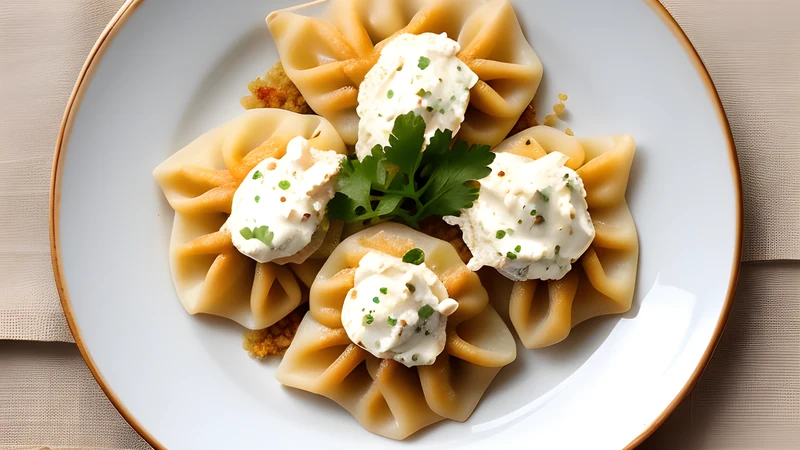
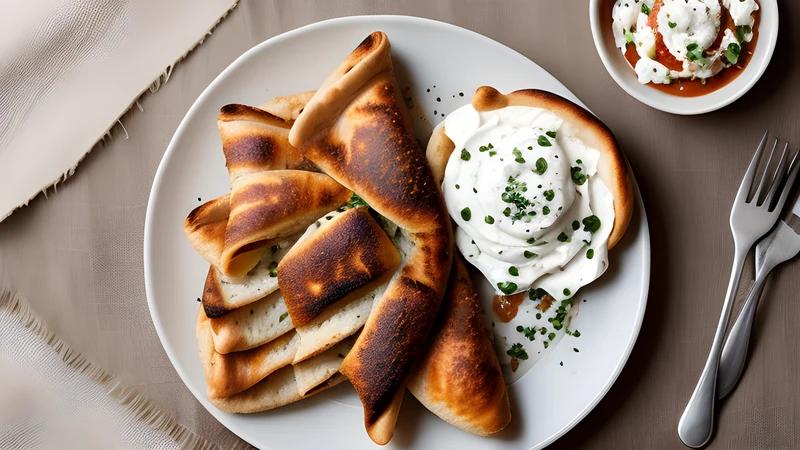
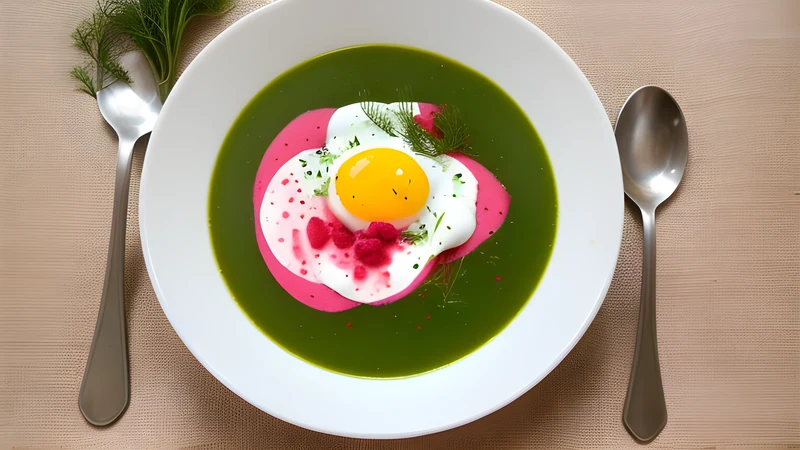
If you are cooking your way through Polish home food, bigos sits alongside a whole family of robust, sour, smoky dishes. The sour rye soup żurek, served in a bread bowl, shares its love of fermented tang; pierogi ruskie made from scratch are the dumplings you might serve before or after it; a proper kotlet schabowy is the Sunday centrepiece bigos is the everyday counterpoint to; and for a fast, cheap Polish supper at the other end of the spectrum, the toasted zapiekanka baguette is the street-food cousin. Bigos also has a clear relative one border south in the Romanian sarmale cabbage rolls, another dish of pork and sour cabbage cooked long and slow.
Start it on a Friday, eat it on Sunday, and you will understand why Poles guard their family bigos recipes and argue about them with such affection. Time is the main ingredient, and it costs you almost nothing but the willingness to wait.
Related Content