Bifana: Portugal's Garlic-and-Wine Pork Roll
Thin pork, a garlic marinade, and a roll dunked in the pan
Contents
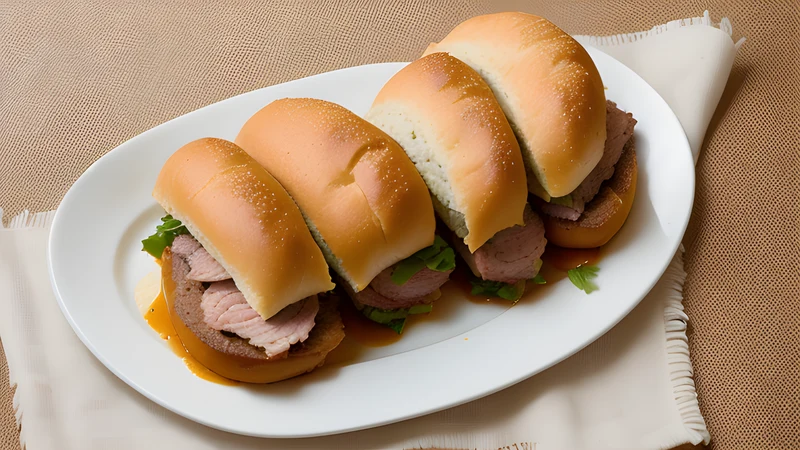
↓ Jump to recipeThe bifana is the sandwich Portugal actually eats, every day, standing up. It is sold from a hatch at a football ground, at a village fair, and at a motorway services outside Vendas Novas at seven in the morning. Thin pork in a garlicky, winey pan sauce, shovelled into a crusty roll that has been dipped in the juices first.
It costs about three euros. It takes twenty minutes to cook. And it is one of the great sandwiches on earth, on the strength of two ingredients: garlic and white wine.
Bifana: Portugal's Garlic-and-Wine Pork Roll
Ingredients
- 600 g pork loin, trimmed and sliced across the grain as thinly as you can manage, 3 mm or less
- 8 garlic cloves
- 1.5 tsp cumin seeds
- 2 tsp fine sea salt
- 2 dried bay leaves
- 1 tsp smoked sweet pimenton
- 0.5 tsp piri-piri sauce, or 1 small dried chilli, crumbled
- 250 ml dry white wine
- 3 tbsp lard, or 3 tbsp olive oil
- 40 g cold butter, diced
- 4 crusty white rolls (papo-secos, or small baguettes)
- Yellow mustard and piri-piri sauce, to serve
Method
- Toast the cumin seeds in a dry frying pan over a medium heat for 60 to 90 seconds, shaking constantly, until they darken a shade and smell strongly nutty. Tip them straight out of the pan onto a cold plate.
- Crush the toasted cumin, the garlic and 1.5 tsp of the salt to a rough wet paste in a mortar. A few seconds in a mini chopper works too.
- Put the pork in a bowl with the garlic paste, the bay leaves, the pimenton, the piri-piri and the wine. Mix so every slice is coated. Cover and refrigerate for at least 4 hours and up to 24.
- Take the pork out of the fridge 30 minutes before cooking. Lift the slices out of the marinade with tongs and lay them on kitchen paper. Pat them dry on both sides — reserve every drop of the marinade.
- Heat the lard in a wide frying pan over a high heat until it shimmers. Fry the pork in a single layer, in 3 batches, for 45 seconds a side, until lightly browned at the edges. Move each batch to a warm plate.
- With the pan still hot, pour in the reserved marinade. It will spit. Scrape the base hard with a wooden spoon to lift everything stuck to it.
- Boil hard for 4 to 5 minutes, until the raw alcohol smell has gone and the liquid has reduced by about half.
- Lower the heat. Return the pork and any juices from the plate to the pan and simmer very gently for 5 minutes, until the slices are tender.
- Take off the heat. Drop in the cold butter and swirl the pan continuously until it has melted into a glossy sauce. Taste and add the last of the salt if needed. Discard the bay leaves.
- Split the rolls almost through, leaving a hinge. Press the cut face of each roll into the pan sauce for 3 seconds, cut side down, so it drinks a little.
- Pile 4 or 5 slices of pork into each roll, spoon over a little more sauce, and serve immediately with mustard and piri-piri on the table.
Vendas Novas, and a town that runs on pork rolls
Vendas Novas is a small town in the Alentejo, on the old road between Lisbon and Évora, and it is famous in Portugal for precisely one thing. It is the bifana capital, and it takes the title seriously enough to have a monument.
The geography explains it. Vendas Novas sat on the main route east out of Lisbon, and roadside houses fed travellers who wanted something fast, hot and cheap. The Alentejo is also pig country — this is the region of the porco preto, the black Iberian pig that ranges under cork oaks eating acorns — so pork was the thing to hand. What developed was a house style: pork sliced very thin, cooked in a tacho with garlic and wine and lard, and served in a papo-seco, the crusty white roll that is Portugal’s default bread. The bars there keep the pan going all day and the sauce deepens as the hours pass, which is why the ones you eat at four in the afternoon are better than the ones at noon.
There is a regional argument, and it is worth knowing. The Alentejo version is the one described here: white wine, garlic, thin loin, a thin sharp sauce. The Porto version marinates the pork much longer, uses more pimentão and often a splash of the sausage fat, and comes out darker, redder and heavier. Lisbon sits somewhere between. The bifana at the Casa das Bifanas in Praça da Figueira has been arbitrating since the 1960s.
The word itself comes from bife, meaning a slice of meat rather than beef specifically — the same borrowing from English beef that gives Portugal bife de vaca and bife de porco. A bifana is, literally, a little slice.
Toasting the cumin
Cumin is the twist, and it is a smaller liberty than it sounds. The Alentejo is the one Portuguese region that genuinely uses cumin — cominhos turn up in Alentejan pork dishes, in carne de porco à alentejana, in the local sausages — and the Moorish inheritance in the south is why. What most bifana recipes do is leave it out, and what almost all of the ones that include it do is add it ground and raw.
Toast the seeds instead. Sixty to ninety seconds in a dry pan, shaken constantly, until they go a shade darker and the smell hits you from a foot away. Cumin’s flavour lives in an aldehyde called cuminaldehyde, and dry heat both volatilises it and triggers Maillard browning in the seed’s own sugars and amino acids, producing pyrazines that raw cumin has none of. Raw cumin is dusty and slightly soapy. Toasted cumin is nutty, warm and deep, and against garlic and pork it is exactly right.
The discipline is the pan. Tip them out the second they are ready, onto a cold plate. Cumin seeds are small and low in mass and they will carry on cooking in a hot pan for another thirty seconds after you kill the heat, and burnt cumin is bitter in a way that will define the sandwich.
Then crush them with the garlic and the salt in a mortar. The salt is the abrasive that lets the garlic break down, and crushing garlic to a paste rather than chopping it ruptures far more cells, which is what generates the allicin. A chopped garlic marinade tastes of garlic. A crushed one tastes of garlic all the way through the meat.
Thin, dry, and fast
Three things decide whether a bifana is tender or is leather, and none of them are the marinade.
The first is thickness. Pork loin is very lean, and lean muscle has almost no intramuscular fat and very little collagen to convert. There is no low-and-slow rescue available — it either cooks in seconds or it dries out. Three millimetres, sliced across the grain. Put the loin in the freezer for 30 minutes first and it firms up enough to slice properly with a sharp knife; a butcher will do it for you if you ask, and many Portuguese butchers sell loin pre-cut for exactly this.
The second is drying the slices before they hit the pan. This feels like sabotage after four hours of marinating and it is the single biggest difference between a good bifana and a grey one. Water boils at 100°C and browning does not really begin until about 140°C, so a wet slice of pork spends its time in the pan boiling off surface moisture and never browns at all. Pat them properly dry, and keep the marinade, because all of it is going back in ninety seconds later.
The third is the heat and the batches. High heat, three batches, 45 seconds a side. Crowd the pan and the temperature crashes below browning point and the pork stews.
The marinade then goes into the hot empty pan and does the deglazing, lifting the browned fond off the base — which is where nearly all the flavour has ended up. Boil it hard for four or five minutes to drive off the alcohol, which is harsh and solventy if you leave it, and to reduce it to something with body.
Which cut, and the case against loin
Loin is the standard and it is the hardest cut to get right, because it is about 3 per cent fat and unforgiving by a margin of roughly thirty seconds. If you want an easier ride, use pork shoulder instead.
Shoulder has three or four times the intramuscular fat and a good deal more collagen, which means it tolerates the simmer that loin resents. Slice it 3 mm as before, and extend the return-to-the-pan stage from five minutes to twelve. It will be softer, richer and more forgiving, and Porto’s bifanas are frequently made this way. Purists in the Alentejo would call it a different sandwich and they have a point about the texture, which is chewier in a good way.
What does not work is anything from the leg, which is leaner still than loin and goes to rope, or anything with a bone in it, which cannot be sliced thin enough to matter.
Whatever cut you use, slice across the grain. Muscle fibres run in visible parallel lines; cut along them and every slice is a bundle of long fibres you have to chew through lengthways. Cut across and each fibre is already 3 mm long before it reaches your teeth. On a lean cut cooked in ninety seconds, this single decision does more for tenderness than the marinade does.
The butter, the roll, and the dunk
The cold butter at the end is a monter au beurre, and it is doing physics rather than adding richness. Whisked into a sauce off the heat, cold butter’s emulsifiers hold the fat in suspension and the sauce goes glossy and slightly thickened, clinging to the pork instead of running to the bottom of the roll. Add it while the pan is still boiling and the emulsion breaks and you get an oil slick. Off the heat, swirling, always.
The roll is a genuine constraint. It needs a hard, crackly crust and a dry, open crumb — a papo-seco or a small baguette. It has to survive being dunked in a hot pan and then holding wet pork for five minutes, and a soft roll disintegrates before you reach the second bite. This is the same structural argument that makes a bacon, egg and cheese live or die on its bread.
The dunk is three seconds, cut side down, on the bottom half only. Longer and you have soup. The point is a thin wet layer at the interface that fuses the bread to the meat.
Faults, keeping, and where else it goes
Tough pork means slices that were too thick or a simmer that ran too long. The five-minute return to the pan is a gentle warm-through; at ten minutes the loin tightens and there is no recovering it.
A harsh, thin sauce means the wine was not reduced enough. Give it two more minutes before the pork goes back.
Use a wine you would drink — vinho verde is the Portuguese answer and its sharpness is ideal, but any dry white works. Avoid oaked Chardonnay, which turns woody and sweet when reduced.
The pork marinates happily for 24 hours and no longer; the wine’s acid will start denaturing the surface protein past that and the texture goes chalky. Four hours is the practical minimum for the garlic to reach the middle of a 3 mm slice, and overnight is the sweet spot.
Cooked, it keeps two days and reheats gently in its own sauce, which makes it a genuinely good thing to have in the fridge. Reheat it in a pan over a low heat with a splash of water, never in a microwave, which will take lean loin from tender to rubber in about forty seconds. The sauce alone freezes for three months and is a fine base for the next batch.
Lard is worth using over olive oil if you can get it. It has a higher smoke point than extra virgin olive oil, which matters at the heat this needs, and it is what every bar in Vendas Novas uses. Olive oil works and gives a slightly greener, sharper result.
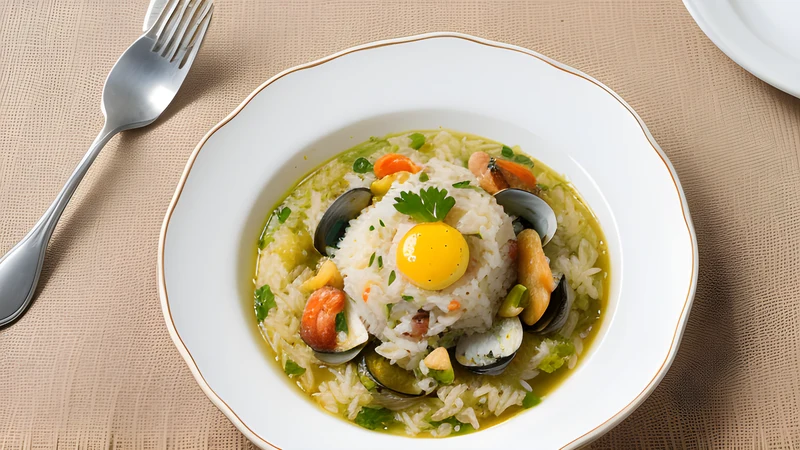
Beyond the roll, the same pork over chips with a fried egg is a prego no prato in all but name, and folded into rice it becomes a weeknight dinner in ten minutes. The Alentejo also throws clams into the pan with it — that dish is carne de porco à alentejana, it sounds mad, and it is one of the best things Portugal has ever done. Add 400 g of scrubbed clams to the pan for the last five minutes with the lid on, and discard any that stay shut. The same region’s habit of making a whole meal out of stale bread and garlic gives us açorda alentejana, which is the bifana’s thrift taken to its logical end.
Related Content