Bebinca: Goan Layered Coconut Cake
Sixteen thin layers of coconut batter, poured and grilled one at a time
Contents
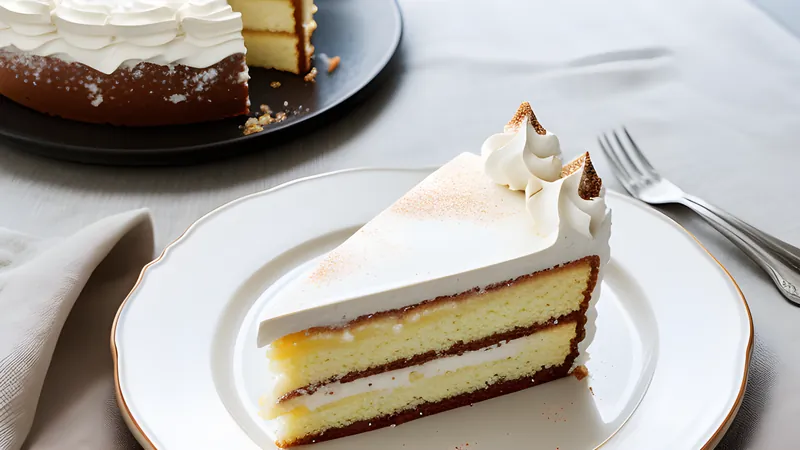
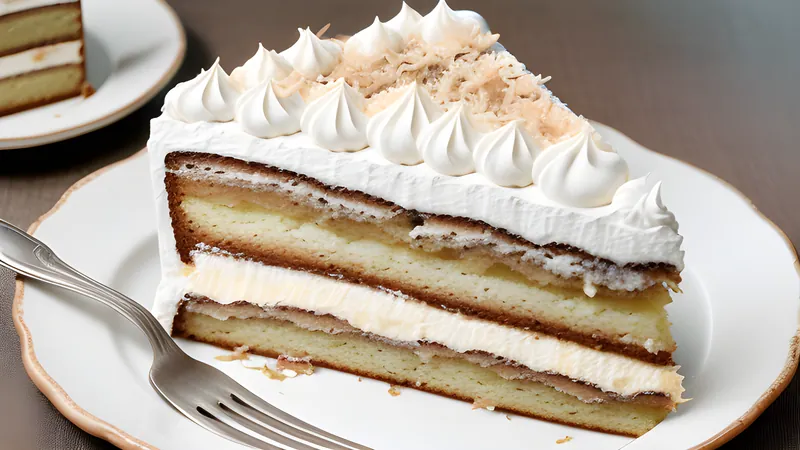
↓ Jump to recipeBebinca is built the slow way on purpose: one thin layer of coconut batter at a time, each one baked or grilled just until set before the next goes on top of it, so that the finished cake reveals eight, ten, or in the most ambitious versions sixteen distinct, visible strata when you cut into it. There is no shortcut version that produces the same result — pouring all the batter in at once bakes into a single dense coconut sponge, pleasant enough but a completely different dessert, missing the entire point of a cake whose defining pleasure is watching it come apart in layers under a knife.
The dish is Goan-Portuguese, one of the clearest surviving examples of the fusion cooking that developed in Goa during roughly four and a half centuries of Portuguese colonial presence, and it remains most strongly associated with Christmas across Goa’s Catholic community, where the cake is sometimes credited to convent kitchens experimenting with the region’s abundant coconut supply, where a bebinca appears on nearly every family’s dessert table alongside other Portuguese-influenced sweets. It has spread beyond that single occasion over time — bebinca is now made for weddings, and increasingly sold year-round in Goan bakeries and by home cooks — but its origins as festive, labour-intensive celebration food still shape how most Goan families think about it: a dessert that earns its place on the table through the sheer time it demands, reserved for occasions worth that investment.
Bebinca: Goan Layered Coconut Cake
Ingredients
- 400 ml thick coconut milk
- 300 g plain flour, sifted
- 300 g caster sugar
- 8 large egg yolks
- 2 whole large eggs
- 100 g ghee, melted, plus extra for greasing
- 1/4 tsp ground nutmeg
- 1/4 tsp salt
Method
- Heat the oven to 180C fan / 200C conventional with the grill element accessible, or prepare a stovetop grill setup. Grease a 22 cm round cake tin, ideally metal, with ghee.
- Whisk the egg yolks and whole eggs with the sugar until pale and slightly thickened, about 2 minutes.
- Whisk in the coconut milk, then fold in the sifted flour, salt and nutmeg until completely smooth with no lumps. Whisk in the melted ghee last.
- Pour a thin, even layer of batter into the tin, about 100 ml, just enough to coat the base 3-4 mm deep.
- Bake or grill for 6-8 minutes until the layer is just set and lightly golden at the edges.
- Brush the set layer lightly with melted ghee, then pour the next 100 ml of batter directly over it. Repeat the baking, brushing and pouring for a total of 8-10 layers, or as many as your batter allows.
- For the final layer, bake for 10-12 minutes until deeply golden on top.
- Cool completely in the tin, at least 2 hours, before turning out and slicing into wedges.
The layering, and why it cannot be rushed
Each layer of bebinca is poured thin — a matter of millimetres — and cooked only until just set, not until fully baked through, because the next layer needs to bond to a surface that is set but still slightly tacky rather than a fully dry, crusted one. Bake each layer too long and the next batter poured on top will not adhere properly, leaving the finished cake prone to separating along its layers rather than holding as one cohesive slice; bake it too briefly and the layer beneath tears or mixes into the one above rather than staying distinct.
Traditional Goan cooks bake bebinca under a live flame or hot coals held above the tin, rather than in a conventional oven, browning each layer from the top down while the layer below sets from residual heat rather than direct exposure — this is part of why old recipes specify a charcoal fire with embers held over the tin in a metal tray, a technique that produces a particular caramelised top note on each layer that a standard oven grill only approximates. A domestic oven’s grill setting, used carefully and watched closely, is the most practical modern substitute, though the batter can also simply be baked layer by layer in the main oven if your grill runs unevenly, accepting a slightly paler colour between layers in exchange for more even, predictable results.
Coconut milk and ghee, not butter and cream
Bebinca’s coconut-milk-and-ghee base is what marks it as distinctly Goan rather than simply a transplanted Portuguese custard cake; the Portuguese contributed the egg-rich batter technique and the layering concept, itself related to other Iberian and Portuguese layered egg sweets, but the defining flavour comes from ingredients native to Goa’s coastal, coconut-palm-dense landscape. Thick, freshly extracted coconut milk gives a noticeably richer, more rounded result than the thinner tinned variety sold for savoury cooking, so it is worth seeking out a genuinely thick tin or, better, extracting your own from fresh grated coconut if you have the patience for one more labour-intensive step in an already labour-intensive cake.
Ghee, rather than butter, both greases the tin between layers and goes into the batter itself, contributing a faint nuttiness that dairy butter does not, and its higher smoke point suits the direct, close heat of grilling each layer far better than butter would, which is prone to burning under the same conditions.
Egg yolks and the cake’s density
The heavy proportion of egg yolks to whole eggs — eight yolks against only two whole eggs in this recipe — is deliberate and gives bebinca its dense, almost custard-like texture rather than the airier crumb a standard sponge cake would have with a more typical whole-egg ratio. This yolk-heavy structure is common across Goan-Portuguese sweets generally, a legacy in part of convents that historically used vast quantities of egg whites for starching and clarifying, leaving the yolks to be used up in cakes and puddings — the same convent-kitchen economics that shaped much of Portugal’s own egg-rich pastry tradition, transplanted wholesale into Goa’s kitchens.
How many layers is traditional
Recipe collections disagree on the “correct” number of layers, and this is worth knowing before you commit to a number, because it changes both the time investment and the final texture considerably. Some Goan families insist on a full sixteen layers as the only proper bebinca, treating anything fewer as a shortcut; others consider seven layers — a number sometimes linked loosely to the seven days of the biblical creation story, a connection often mentioned in Goan Catholic households though not consistently documented as the dish’s original intent — the traditional minimum for a cake still worth calling bebinca. Restaurant and bakery versions frequently settle for six to eight layers as a practical compromise between authenticity and the hours a full sixteen-layer bake demands.
This recipe specifies eight to ten layers as a realistic target for a home kitchen without a dedicated grilling setup, producing a cake with clearly visible, countable layers without asking for the better part of a full afternoon standing over a grill. If you want to push toward the full sixteen, simply halve the amount of batter poured per layer and expect the whole process to take close to two and a half hours from first pour to last.
A cake that rewards patience more than skill
Nothing about bebinca’s individual steps is technically difficult — whisking eggs and sugar, straining and pouring a thin batter, watching a grill — but the cake asks for sustained attention across an hour or more with no real opportunity to walk away, which is precisely why it has stayed a special-occasion dessert rather than entering regular rotation even in households that make it well and make it often. Set aside a specific stretch of uninterrupted time before you start rather than fitting it around other kitchen tasks; a layer left under the grill a minute too long while your attention is elsewhere is the single most common way a bebinca goes wrong, and there is no fixing a scorched layer once it has set into the stack beneath the batter still to come.
What can go wrong
The most common failure is layers that stick to each other so completely that the cake reads as one solid block rather than distinct strata once sliced — this almost always means individual layers were under-baked before the next was poured, or the batter was spread too thickly to set properly within the short baking window each layer gets. Keep each pour genuinely thin and check for a set, slightly springy surface, not a wet one, before adding the next.
The opposite failure — a cake that falls apart into separate discs when sliced rather than holding together — usually means layers were baked too far before the next batter went on, leaving a fully dried surface with nothing for the next pour to bond to. Brushing each set layer lightly with ghee before pouring the next batter on top, as in the method here, helps bridge this gap and gives a better chance of a cohesive slice even if individual layers ran slightly longer than intended.
Serving, substitutions and storage
Straining the batter
One step worth adding even though it is not in the ingredient list above: straining the finished batter through a fine sieve before the first pour catches any small lumps of flour or strands of egg white that whisking alone can leave behind, and it matters more here than in an ordinary cake batter because bebinca’s thin layers have nowhere to hide an imperfection the way a thick sponge would. A lump that would go unnoticed inside a standard cake shows up as a visible bump or uneven patch on a layer only a few millimetres deep, and once it is baked into the stack it stays there for every layer poured on top.
Bebinca is traditionally served in thin wedges, at room temperature or very slightly warmed, alongside coffee rather than as a stand-alone dessert course. On a Goan Christmas table it typically appears alongside savoury Goan classics like pork vindaloo, Goan vinegar and garlic curry earlier in the meal, and other coconut-based sweets from further afield, such as watalappan, Sri Lankan jaggery and coconut custard, share the same coconut-and-egg-yolk instinct from a neighbouring island tradition.
If your kitchen setup makes the grill-layer method impractical, the same batter baked as one thicker sponge in a lined tin at 160C fan for 35-40 minutes produces a pleasant, if entirely different, coconut cake — worth knowing as a fallback rather than a substitute, since it loses the layered structure that defines the real thing. A shop-bought thick coconut cream, rather than standard coconut milk, can also stand in when fresh coconut milk is not available, though it should be thinned very slightly with water to match the consistency the recipe expects, since undiluted coconut cream is often too dense to pour into an even thin layer. Bebinca keeps well at room temperature, wrapped, for up to five days, and Goan households often consider it better on the second or third day once the layers have had time to settle and the ghee has redistributed through the cake; it also freezes successfully for up to two months, wrapped tightly and thawed slowly at room temperature before serving. Slice it cold from the fridge if you want the cleanest possible cross-section for serving, then let individual slices come back to room temperature for ten minutes or so before eating, since the ghee in the batter sets firm when chilled and the cake’s flavour opens up considerably once it has warmed through again.
Related Content