Bariis Iskukaris: Somali Spiced Rice with Xawaash
Basmati cooked in caramelised onion and warm spice
Contents
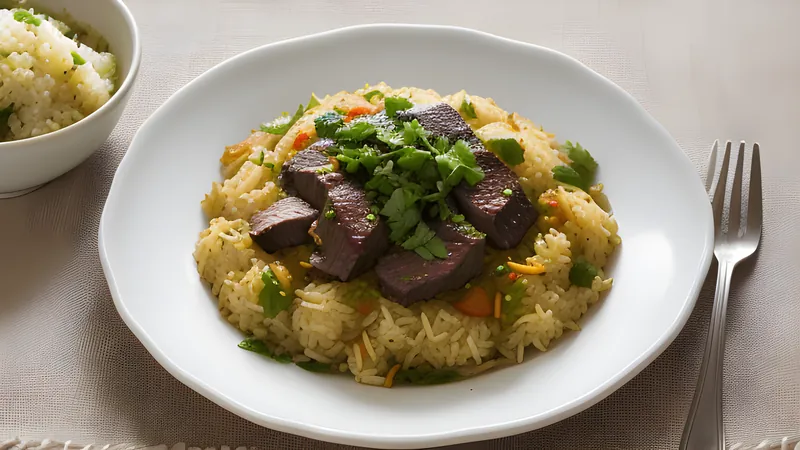
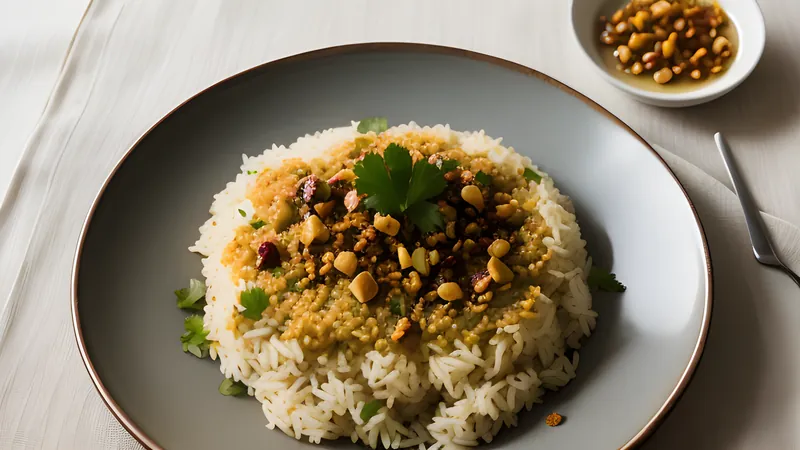
↓ Jump to recipeBariis iskukaris is the rice Somalis cook on the days that matter and, honestly, on plenty of ordinary ones too: basmati grains turned a deep amber-gold from onion, tomato and a spice blend called xawaash, studded through with sweet sultanas and finished with a fistful of fresh coriander. Iskukaris roughly translates as “mixed together,” describing the method rather than naming an ingredient, and the dish sits at the centre of Somali celebration food, served in vast platters at weddings and Eid gatherings and in smaller everyday portions the rest of the year. My one addition is a final drizzle of melted ghee over the fluffed rice, which adds a round, nutty richness that oil alone leaves out.
Bariis Iskukaris: Somali Spiced Rice with Xawaash
Ingredients
- 600g basmati rice, rinsed until the water runs clear
- 4 tbsp vegetable oil
- 2 large onions, thinly sliced
- 4 garlic cloves, crushed
- 2 tbsp xawaash (or 1 tsp ground cumin, 1 tsp ground coriander, 0.5 tsp ground cardamom, 0.5 tsp ground cinnamon, 0.25 tsp ground cloves, 0.25 tsp black pepper, mixed)
- 2 tbsp tomato puree
- 1 tsp ground turmeric
- 900ml chicken stock, hot
- 2 tsp fine salt, plus more to taste
- 2 bay leaves
- 1 cinnamon stick
- 3 tbsp sultanas
- 2 tbsp ghee, melted, to finish (the twist)
- Fresh coriander, chopped, to serve
Method
- Heat the oil in a heavy, lidded pot over medium heat and fry the onions for 15 minutes, stirring often, until deeply golden.
- Add the garlic and xawaash and fry for 1 minute until fragrant.
- Stir in the tomato puree and turmeric and cook for 2 minutes.
- Add the hot stock, salt, bay leaves and cinnamon stick, and bring to a simmer.
- Stir in the rinsed rice and sultanas, then return to a simmer.
- Cover tightly and cook over the lowest heat for 18 minutes without lifting the lid.
- Remove from the heat and rest, covered, for 10 minutes.
- Fluff the rice with a fork, drizzle over the melted ghee, scatter with coriander and serve.
Why the technique works
The colour and depth of bariis iskukaris come almost entirely from how hard you fry the onions before the rice goes anywhere near the pot. Fifteen minutes of steady, attentive frying turns raw onion’s sharp bite into a deep, sweet-savoury base that colours the whole dish gold-brown; onions pulled off the heat too soon leave the rice pale and one-dimensional, tasting of spice without the underlying sweetness that ties it together. This is the same principle behind a good curry base or a proper French onion soup: colour equals flavour, and there are no shortcuts to it beyond time and attention.
The second technical point is cooking the rice directly in the spiced stock rather than steaming it separately and stirring spices through afterward. Rice absorbs liquid as it cooks, so every grain drinks in the xawaash, tomato and onion flavour from the inside as it swells, which a post-cooking stir-through can never fully replicate. This is also why the stock needs to be properly seasoned before the rice goes in and hot rather than cold, since cold stock drops the pot’s temperature and extends the cooking time unpredictably, risking mushy or unevenly cooked grains.
Method
- Heat the oil in a heavy, lidded pot over medium heat. Add the sliced onions and fry for 15 minutes, stirring regularly, until deeply golden and starting to caramelise at the edges.
- Add the garlic and xawaash, and fry for 1 minute, stirring constantly, until fragrant.
- Stir in the tomato puree and turmeric, and cook for 2 minutes, letting the tomato darken slightly and lose its raw edge.
- Pour in the hot stock, add the salt, bay leaves and cinnamon stick, and bring to a simmer.
- Stir in the rinsed rice and sultanas. Return the pot to a simmer.
- Cover tightly with a lid and cook over the lowest heat for 18 minutes, without lifting the lid at any point.
- Remove from the heat and let the pot rest, still covered, for 10 minutes so the rice finishes steaming through evenly.
- Fluff the rice gently with a fork. Drizzle over the melted ghee, scatter with fresh coriander, and serve hot.
Tips and Substitutions
Xawaash is sold ready-mixed in Somali and East African grocers and increasingly online, but the homemade blend in the ingredients list is a close match if you cannot find it locally; toast the whole spices lightly before grinding for extra depth if you have the time. Basmati is standard for its long grains and clean separation once cooked, though a good quality long-grain rice will work in a pinch; avoid anything starchy, which turns the dish sticky rather than fluffy.
If sultanas are not to your taste, raisins work identically, and some cooks add a few whole cardamom pods or cloves directly to the stock alongside the ground xawaash for extra aromatic lift, fishing them out before serving or warning guests they are there. Chicken stock gives the richest result, but vegetable stock makes a very good vegetarian version, especially if you fry a little extra tomato puree to compensate for the flavour chicken stock would otherwise supply.
If your rice turns out unevenly cooked, with some grains soft and others still firm, the most likely cause is an uneven flame or a pot that is too thin at the base; a heavy-bottomed pot with a tight-fitting lid is worth using here over a thin one, since it distributes heat far more evenly through that crucial 18-minute simmer.
Variations
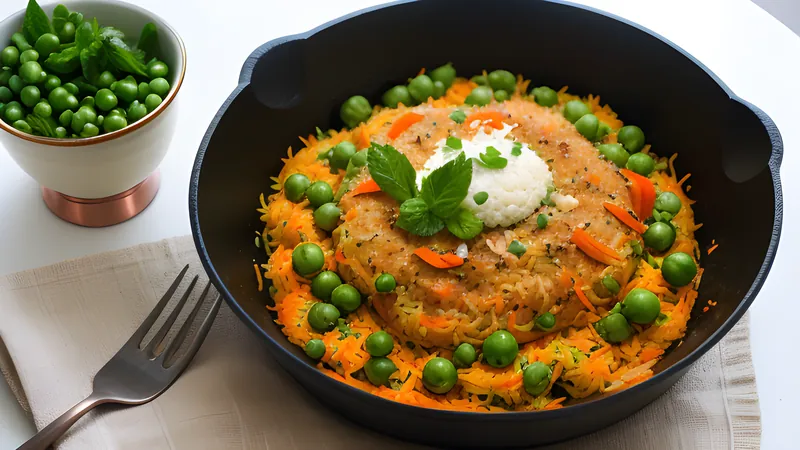
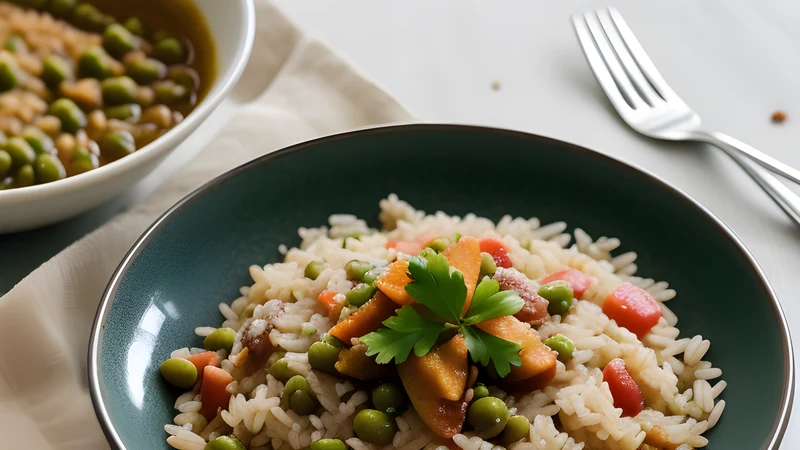
Some cooks fold a handful of green peas or diced carrot into the rice for the last few minutes of cooking, adding colour and a vegetable note without disrupting the method. A version cooked with lamb or goat stock instead of chicken, using the fat skimmed from a simmering pot of meat, produces a heavier, more savoury bariis suited to a cold-weather feast. For a vegetarian centrepiece rather than a side, some households stir in a tin of chickpeas along with the rice, which holds its shape well through the covered simmer and turns the dish into a fuller standalone meal.
At weddings and large Eid gatherings, bariis iskukaris is cooked in enormous quantities, often in pots holding ten kilograms of rice or more, and served on huge communal platters that several people eat from at once, hands or spoons reaching in from every side. That scale is worth remembering even for a home version: the recipe here easily doubles in a wide, heavy pot, and doubling it is genuinely easier than doubling most rice dishes, since the ratio of stock to rice and the 18-minute simmer barely need adjusting so long as the pot is wide enough for even heat.
Storage and Serving
Bariis iskukaris keeps well in an airtight container in the fridge for up to 3 days. Reheat gently in a covered pan with a splash of water or stock to loosen the grains, or in the microwave with a damp sheet of kitchen paper over the top to stop it drying out. It freezes well for up to 2 months in a sealed container; thaw fully in the fridge before reheating.
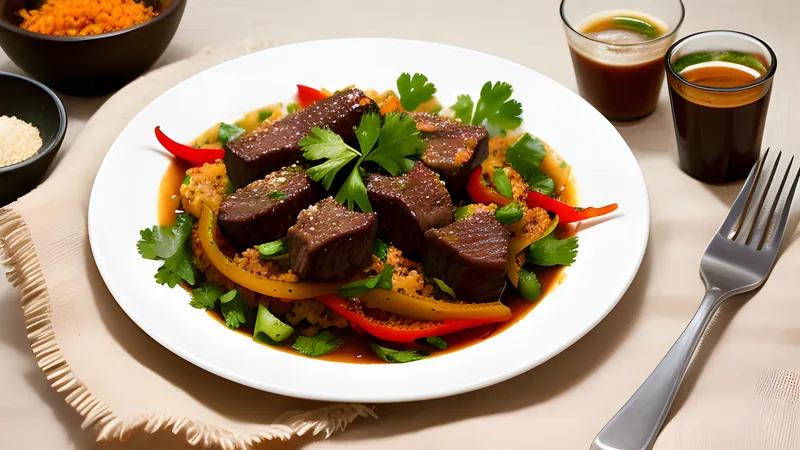
It is traditionally served alongside a meat stew, most often goat or beef, and a side salad of shredded cabbage, carrot and a squeeze of lime. For a spread that leans into the wider Horn and East African repertoire, serve it next to suqaar for a properly Somali table, or alongside Kenyan chapati if you want bread on the table as well as rice.
Related Content