Banku and Tilapia: Fermented Maize with Grilled Fish
A smooth, sour fermented dough eaten by hand, alongside a whole grilled fish and a fierce pepper sauce
Contents
↓ Jump to recipeBanku and Tilapia: Fermented Maize with Grilled Fish
Ingredients
- 500g fermented corn (maize) dough, or 300g fine cornmeal plus 200g cassava dough as substitute
- 300ml water, plus more as needed
- 1 tsp salt
- 2 whole tilapia (about 400g each), scaled and cleaned
- 2 tbsp vegetable oil, for grilling
- 1 tsp salt, for the fish
- 1 tsp ground ginger
- 1 tsp paprika
- For the pepper sauce: 4 fresh tomatoes
- 3 scotch bonnet chillies, or to taste
- 1 small onion
- 1 tbsp vegetable oil
- Salt, to taste
Method
- If starting from scratch, ferment fine cornmeal mixed with water into a loose paste, covered, at room temperature for 2-3 days until it smells distinctly sour. If using ready-made fermented corn dough (sold in African grocers), skip to the next step.
- Score the tilapia diagonally 3-4 times on each side. Rub with oil, salt, ginger and paprika, and let marinate for 20 minutes.
- Grill the tilapia over medium-high heat (charcoal if possible) for 6-8 minutes per side, until the skin is charred in patches and the flesh flakes easily at the thickest part.
- For the pepper sauce, grill or roast the tomatoes, chillies and onion until softened and lightly charred, about 10 minutes, then blend coarsely with the oil and salt to a deliberately chunky sauce.
- To cook the banku, combine the fermented corn dough (and cassava dough, if using) with the water in a heavy pot. Whisk to remove lumps, then place over medium heat.
- Stir constantly with a wooden banku spatula or sturdy wooden spoon as the mixture thickens, folding and turning it against the sides of the pot — this takes real arm strength and 15-20 minutes as it transforms from a loose batter into a smooth, stretchy, elastic dough.
- Once the banku pulls away cleanly from the sides of the pot and has a smooth, glossy, stretchy texture, it's done. Wet your hands with cold water and shape into smooth balls or ovals, wrapping each in clingfilm or a small square of plastic while still warm to hold its shape.
- Serve the banku warm alongside the grilled tilapia and pepper sauce, all eaten together by hand — a piece of banku is pinched off and dipped into the sauce.
A dough with days of work already in it
Banku’s defining characteristic, its distinctly sour flavour, comes from the same source as sourdough bread’s: genuine fermentation, not a shortcut ingredient added for tang. Fine cornmeal (and often cassava dough alongside it) is mixed with water and left at room temperature, loosely covered, for two to three days, during which naturally occurring lactic acid bacteria sour the mixture the same way they would a sourdough starter. This is real fermentation with a real timeline, and it’s the reason most Ghanaian households and diaspora cooks buy fermented corn dough ready-made from African grocers rather than starting from scratch each time — the dough itself, sold refrigerated or frozen, has already done the multi-day work, leaving only the cooking stage for the home cook.
A dish that anchors evening street food across southern Ghana
Banku and tilapia is less a home-cooked meal than an evening institution in cities like Accra and Tema — grill stalls specialising in it, often called “banku and tilapia joints,” set up charcoal grills at dusk and serve well into the night, the smell of charring fish and woodsmoke marking them out from a distance. Regulars often have a preferred seller specifically for how they balance the pepper sauce, some favouring a smokier char on the vegetables, others a hotter, more chilli-forward blend, and choosing where to eat banku and tilapia carries some of the same loyalty as a favourite barbecue joint elsewhere. It’s typically an evening or weekend dish rather than a quick lunch, partly because the banku itself takes real time and arm strength to prepare properly and partly because grilling a whole fish over charcoal isn’t a fast weekday process — it’s food that rewards sitting down for a proper meal rather than eating on the move.
The cooking is a workout, not a simmer
Turning fermented corn dough into finished banku is one of the more physically demanding techniques in everyday West African cooking. As the dough heats in the pot, it thickens rapidly and has to be turned and folded continuously with a sturdy wooden spatula — traditionally a flat-ended banku stick — to stop it catching and burning against the pot while developing the smooth, stretchy, almost taffy-like texture that distinguishes good banku from a lumpy, undercooked mess. Fifteen to twenty minutes of near-constant stirring against increasing resistance as the dough thickens is normal, and it’s genuinely tiring on the forearm — many Ghanaian households split the stirring between two people, swapping halfway through, or use a particularly sturdy long-handled spoon rather than anything flimsy that might bend or snap under the load.
Reading doneness by texture, not time
The clock is only a rough guide here; what actually tells you banku is ready is how the dough behaves against the spatula. Underdone banku still looks grainy and separates unevenly when you try to gather it, tasting distinctly of raw cornmeal. Properly cooked banku pulls together into a single smooth, glossy mass, pulls cleanly away from the sides and bottom of the pot rather than sticking, and has a stretchy, almost elastic quality when you lift a portion on the spatula — it should hold together in a slow-stretching ribbon rather than breaking or dripping. If your dough still looks patchy or grainy after twenty minutes of vigorous stirring, keep going rather than stopping on the clock; different batches of fermented dough, depending on their moisture content, can take a few minutes longer or shorter.
Shaping and serving
Wetting your hands with cold water before shaping the hot banku into balls prevents the dough sticking to your palms, and it’s worth working reasonably fast while the dough is still warm and pliable — it firms up and becomes harder to shape neatly as it cools. Wrapping each portion in clingfilm or a small square of plastic while still warm, a common practical trick, keeps the surface smooth and prevents a skin forming as it sits waiting to be served. Traditionally, banku is torn off by hand at the table, a small piece pinched off and used to scoop up pepper sauce and flakes of fish, rather than cut with cutlery.
The fish and sauce side of the plate
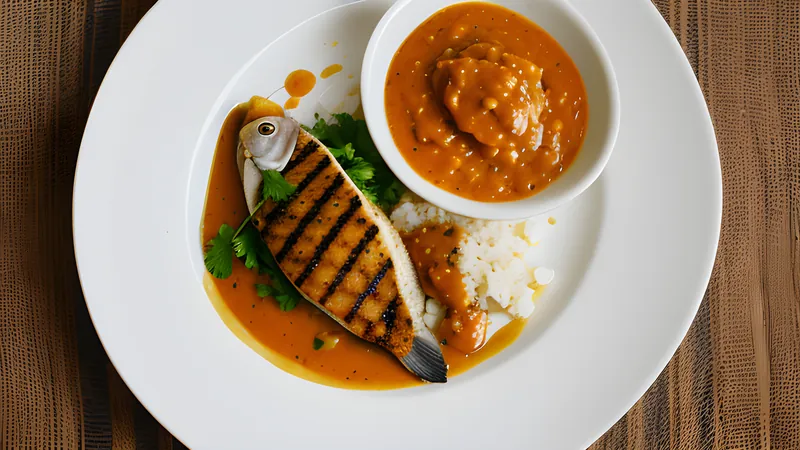
Tilapia is the classic pairing for banku, grilled whole over charcoal until the skin blisters and chars in patches while the flesh inside stays moist — scoring the fish diagonally before grilling helps the marinade penetrate and lets it cook through more evenly without the skin burning before the centre is done. The pepper sauce, called shito or pepper sauce depending on the exact preparation, is built from grilled or roasted tomatoes, onion and scotch bonnet blended coarsely rather than smooth, keeping visible texture and a fresh, slightly smoky char flavour from the direct heat. Together, the sour dough, smoky grilled fish and hot fresh sauce form a three-way balance that’s genuinely different from any single-note dish — sourness, char and heat, each doing distinct work on the plate.
How banku differs from kenkey and fufu
Ghana has several fermented and pounded starch staples that outsiders sometimes lump together, and it’s worth being precise about what separates banku from its closest relatives. Kenkey, also made from fermented corn dough, is wrapped in corn husks or plantain leaves and steamed rather than cooked stovetop in a pot, giving it a firmer, more compact texture and a slightly different sourness from the wrapping itself. Fufu, by contrast, isn’t fermented at all — it’s made from boiled and pounded cassava, yam or plantain, giving a smooth, stretchy dough with a mild, starchy flavour rather than banku’s distinct tang. Banku sits between the two: cooked in a pot like fufu’s pounding process might suggest, but built from genuinely fermented dough like kenkey. Recognising which staple you’re eating, and why, matters because each pairs differently with sauces and soups — banku’s sourness is specifically suited to cutting through rich, smoky grilled fish and a fresh pepper sauce in a way a milder fufu wouldn’t complement as well.
Tips for balance
If you’re fermenting cornmeal from scratch, taste it daily from day two onward — the sourness intensifies the longer it ferments, and it’s better to catch it at a pleasant tang than let it run past that point into something unpleasantly sharp, particularly in warm weather where fermentation moves faster. When grilling the tilapia, resist moving it too often; letting it sit undisturbed for the first several minutes on each side is what develops the charred, blistered skin that’s central to good grilled tilapia, and constant flipping just tears delicate fish skin without building any char at all.
Substitutions
Ready-made fermented corn dough, sold frozen or refrigerated in African grocers, is the practical substitute for anyone not fermenting cornmeal from scratch, and it’s genuinely what most people cook with day to day even in Ghana. If cassava dough isn’t available to mix in, banku made from corn dough alone is still authentic — the cassava addition affects the final texture slightly, making it a touch smoother and more elastic, but isn’t universal across all banku recipes. Any firm, whole white fish can stand in for tilapia if it isn’t available — red snapper and mackerel are both common substitutes with a similar grilling profile.
Storage and reheating
Banku is genuinely best eaten fresh, within an hour or two of cooking, while it’s still warm and at its most pliable — it firms up considerably and turns rubbery as it cools, losing the soft, stretchy quality that makes it pleasant to eat by hand. Leftover banku can be reheated by steaming the wrapped balls briefly, though texture never fully returns to fresh-made. Grilled fish and pepper sauce both keep and reheat well separately in the fridge for up to three days. For a fuller West African fermented-starch spread, banku sits naturally alongside kenkey, another fermented maize dish with a related but distinctly different technique, or with waakye if you want to serve two very different Ghanaian staples on the same table.
Choosing and preparing the fish
Tilapia is favoured for banku partly for flavour and partly for practicality — it’s widely farmed across West Africa, reasonably priced, and its firm flesh holds together well on a charcoal grill without falling apart the way a more delicate fish might. Buying whole rather than filleted matters here: the skin, left on and scored, is what develops the char and crackle that’s central to the dish, and cooking on the bone keeps the flesh considerably moister through the direct heat of grilling than boneless fillets would stay. Ask your fishmonger to scale and gut the fish but leave it otherwise whole; scoring it yourself just before marinating, three or four diagonal cuts per side down to the bone, is worth doing at home rather than in advance, since the exposed flesh dries out if scored too far ahead of cooking.
Managing the fire
Charcoal is the traditional and genuinely superior heat source for the tilapia — the specific smoky char it develops is difficult to replicate on a gas grill or under an indoor grill, though both work as a substitute if charcoal isn’t practical. Build a medium-hot fire and let it burn down until the coals are covered in white ash rather than still flaming, since flames licking directly at the fish skin burn it before the flesh has a chance to cook through. Oil the grill grates themselves, not just the fish, to reduce sticking, since tilapia skin is thin and tears easily if it bonds to a dry grate during the first few minutes of cooking.
A note on the pepper sauce’s texture
The pepper sauce that accompanies banku and tilapia is deliberately chunky rather than smooth, and it’s worth resisting the urge to blend it fully even if a food processor makes that tempting. Grilling or roasting the tomatoes, onion and chillies first, until they blister and soften, then pulsing them only briefly, keeps small flecks of charred skin and coarse vegetable texture throughout the sauce — that texture is part of what makes it work as a dip for both the smooth banku and the flaky grilled fish, giving your mouth something to bite into between two otherwise soft components. A fully smooth, pureed sauce eats more like a thin gravy and loses some of the fresh, roasted character that comes through in the coarser version.
Related Content