Banga Soup: Palm Fruit Concentrate and Beletientien
A Niger Delta stew built from boiled, pounded palm fruit and scented with beletientien bark
Contents
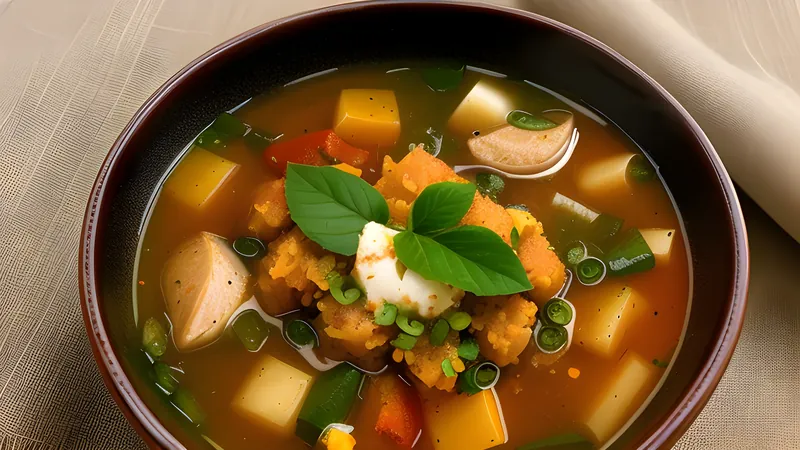
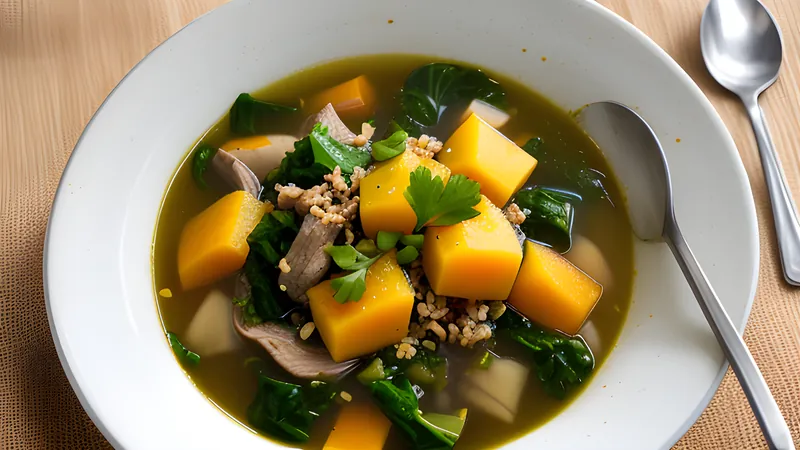
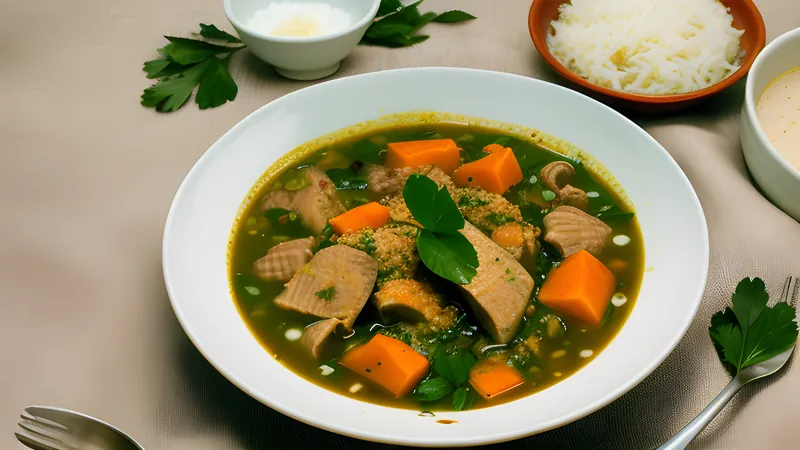
↓ Jump to recipeBanga soup is built from the fruit of the oil palm, not its more familiar refined oil. Where most Nigerian soups reach for a bottle of red palm oil as one ingredient among many, banga starts by extracting a thick, orange-red concentrate directly from boiled and pounded palm fruit, using the fruit’s own flesh, oil and natural thickeners to build the entire base of the soup before any meat or fish goes near the pot. It is the signature soup of the Niger Delta — most associated with the Urhobo, Itsekiri and Isoko peoples of the region — and it carries a scent no other Nigerian soup quite matches, built around aromatic barks and seeds unique to the area.
Banga Soup: Palm Fruit Concentrate and Beletientien
Ingredients
- 1kg fresh palm fruit, boiled and pounded (or 800g tinned palm fruit concentrate)
- 1.5 litres water, plus more for extraction
- 500g beef, cut into chunks
- 500g assorted fish (catfish or mackerel), cleaned and cut into steaks
- 1 onion, chopped
- 2 stock cubes
- 2 tbsp ground crayfish
- 1 tbsp fresh pepper (scotch bonnet and red pepper), blended
- 2 pieces beletientien bark (Sacoglottis gabonensis), or 1 tbsp dried oburunbebe stick, optional
- 1 tbsp ground ehuru (calabash nutmeg), optional
- 2 tsp ground uziza seed, optional
- 150g scent leaf or basil, torn
- 1 small onion, sliced, to finish
- Salt, to taste
Method
- If using fresh palm fruit, boil the fruit in water for 30 minutes until soft, then pound in a mortar (or blitz briefly in a food processor) to loosen the pulp from the nuts. Add warm water, mash by hand, and strain through a sieve to extract the thick orange-red palm fruit concentrate, discarding the fibre and nuts. If using tinned concentrate, dilute it with water to a thick soup consistency.
- Put the beef in a pot with the chopped onion, one stock cube and enough water to cover. Simmer 30 minutes until nearly tender.
- Add the palm fruit concentrate to the beef pot, along with the beletientien bark if using, and bring to a simmer.
- Cook uncovered for 20 minutes, stirring occasionally, until the oil separates and rises to the surface in an orange sheen and the soup has thickened.
- Add the fish steaks, crayfish, blended pepper, ehuru, uziza and remaining stock cube. Simmer gently 12-15 minutes until the fish is cooked through, taking care not to break it up by stirring too roughly.
- Remove the beletientien bark if used.
- Stir through the torn scent leaf and sliced onion in the final 2 minutes.
- Taste and adjust salt and pepper. Serve hot with starch (garri, pounded yam or rice).
Extracting the base: the real work of banga
The defining labour of banga soup happens before the recipe most people picture even begins. Fresh palm fruit — small, oily, orange-red drupes that grow in dense bunches on the oil palm — is boiled until soft, then pounded to loosen the fibrous pulp from the hard inner nuts. Warm water is worked through the pounded mass by hand, and the whole thing is strained to separate the thick, orange concentrate from the fibre and nuts, which are discarded. What comes through the sieve is banga’s true base: a rich, naturally thickened liquid carrying both the fruit’s oil and a portion of its pulp in suspension, entirely different from bottled red palm oil, which has already had the fibre and water removed in processing.
This is genuinely time-consuming work, and it is exactly why tinned palm fruit concentrate has become the standard shortcut for cooks outside the Delta region, and for plenty inside it too. Diluted with water to the right consistency, tinned concentrate gets most home cooks close enough to the real thing without the boiling, pounding and straining that fresh extraction demands. It is not quite identical — fresh extraction carries a slightly brighter, more vegetal flavour that the tinned version loses somewhat in processing — but the difference is a matter of degree rather than kind, and few people outside the region would notice the swap in a finished bowl.
The oil separating: your cue that it’s working
Once the palm fruit concentrate goes into the pot with the beef and its stock, the soup needs a genuine uncovered simmer, and the visual cue to watch for is the oil separating out and rising to the surface in a distinct orange sheen. This separation is the sign that the concentrate has cooked down properly and that the fat naturally present in the fruit has released and floated free of the water below it, which is both a flavour milestone and a texture one — a banga soup that has not been given this stage properly still tastes thin and underdeveloped, missing the round, fatty richness that defines the dish once it is done right.
Beletientien and the scent unique to the Delta
What separates banga from other palm-based Nigerian soups most distinctly is its aromatics, and beletientien bark is the clearest example. Also called oburunbebe stick in some communities, it comes from Sacoglottis gabonensis, a tree native to the coastal rainforest belt of the Niger Delta and the wider Gulf of Guinea region, and its bark releases a bitter, faintly medicinal, slightly sour aroma into the simmering soup that is close to impossible to replicate with anything else. It is added whole during the simmer and removed before serving, its job done once it has infused the pot, much like a bay leaf but with a far more assertive personality.
Ground calabash nutmeg (ehuru) and uziza seed round out banga’s aromatic signature, both contributing warm, peppery, slightly bitter notes that mark the soup as distinctly Delta in origin rather than belonging to the wider Nigerian soup family generally. These same aromatics turn up again in nigerian pepper soup, which shares banga’s love of uziza and ehuru even though the two soups otherwise look and taste quite different — one built on a thin, fiery pepper broth, the other on a thick palm-fruit base.
Fish, beef and the order they go in
Beef simmers first, since it needs the longest cook time to turn properly tender, and its stock becomes the liquid the palm fruit concentrate cooks into rather than plain water, building flavour into the base from the very start. Fish goes in much later, only once the palm oil base has fully developed and separated, and it needs a gentle hand from that point on — a rolling simmer and vigorous stirring will break delicate fish steaks apart, so the pot should be nudged rather than stirred hard once the fish is in, and the heat kept to a steady, unhurried simmer rather than a boil.
Catfish is the most traditional choice, its firm flesh holding up well to the simmer, though mackerel and other fish steaks work perfectly well too. Some households add periwinkle or other shellfish alongside the fish and beef, reflecting the Delta’s abundant access to both river and coastal seafood, though this is more common closer to the coast than inland.
Scent leaf, the final lift
Scent leaf (nchanwu in Igbo, efirin in Yoruba, closely related to basil) goes in only in the very last couple of minutes, torn rather than chopped so it bruises and releases its peppery, aniseed-adjacent aroma without cooking down to nothing. Added any earlier, it loses that bright, herbal top note that lifts the whole heavy, richly spiced pot at the very end. If scent leaf is genuinely unavailable, fresh basil is the closest widely available substitute, though the flavour profile shifts slightly sweeter and less peppery than the real thing.
Serving
Banga soup is thick enough to eat with a dense swallow — garri, pounded yam or fufu are all traditional choices — though it is served with plain rice often enough in the Delta region itself that neither pairing should be treated as more authentic than the other. Whatever the starch, the soup itself should arrive at the table with a visible sheen of orange oil across the surface, the clearest sign to anyone who grew up eating it that the extraction and simmer were both done properly.
The palm tree at the centre of Delta life
The oil palm is a foundational crop in the Niger Delta, having shaped the region’s economy, landscape and diet for centuries, long before palm oil became a global commodity traded through Lagos and Port Harcourt ports. Wild and cultivated palm groves cover huge stretches of the Delta, and communities there developed an intimate, practical knowledge of the tree’s every part — the fruit for oil and, in banga’s case, for the extracted concentrate itself; the sap for palm wine; the fronds for roofing and weaving; the kernel oil pressed separately for cooking and cosmetic use. Banga soup sits at the centre of that relationship, a dish that could only have developed in a place where palm fruit was abundant enough, and familiar enough, for someone to work out that boiling and pounding the whole fruit produced something worth building a soup around, rather than simply pressing it for oil and discarding the rest.
That regional specificity is part of why banga has historically been less widely known outside Nigeria, and even outside the south, than dishes like jollof rice or egusi soup, which travelled more easily along trade and migration routes. It has become considerably more visible in recent decades as Delta communities have moved to Lagos, Abuja and cities abroad, carrying the dish with them, and tinned palm fruit concentrate — manufactured specifically to shortcut the traditional extraction — is itself a product of that wider demand, allowing cooks far from the Delta’s palm groves to make a reasonably faithful pot without access to fresh fruit at all.
Family variation across Delta communities
Urhobo, Itsekiri, Isoko and Ijaw households each cook banga with their own inflections, and the differences show up mostly in the aromatics and the choice of protein rather than in the core extraction method, which stays remarkably consistent across the region. Some communities favour a heavier hand with uziza seed, giving their pot a more assertive peppery bite; others lean harder on ehuru for warmth and keep the chilli more restrained. Fresh fish versus dried or smoked fish is another point of real variation, with coastal households often using a mix of fresh catfish and dried stockfish for a layered, more complex flavour that a single fresh fish alone does not achieve.
Tips and common mistakes
The most common mistake with the tinned shortcut is diluting the concentrate too much, chasing a thinner, more soup-like consistency than banga actually wants; the base should be genuinely thick even before the beef and fish go in; add water gradually and stop well before it looks like an ordinary broth.
The second is boiling the pot hard once the fish is in. A rolling boil breaks fish steaks into shreds and clouds the soup, where a gentle simmer keeps the pieces intact and the finished bowl looking properly composed.
Substitutions and variations
Chicken can replace beef for a lighter version, though it is less traditional. If beletientien bark is genuinely unobtainable outside West African grocers, the soup still works without it, losing some of its most distinctive scent but keeping its core richness from the palm fruit itself and the uziza and ehuru if you have them. For a version closer to ogbono soup, some cooks stir a little ground ogbono through banga toward the end for extra body, though purists consider this a genuine departure from the dish rather than a minor variation.
Storage
Banga soup keeps for up to four days refrigerated and freezes well for up to three months, since the extracted palm fruit base holds up to freezing better than most fresh vegetable-based stews. Reheat gently, stirring carefully to avoid breaking up the fish further, and taste again for salt before serving, as the flavour mellows somewhat on standing.
It is a soup that announces the region it comes from in every spoonful — the extraction method, the bitter bark, the peppery scent leaf — and it rewards the extra effort of the base with a depth of flavour genuinely different from anything built on a bottle of refined palm oil alone.
Related Content