Ayam Betutu: Balinese Chicken Packed With Spice Paste
a whole bird stuffed with bumbu genep and slow-roasted in its own steam
Contents
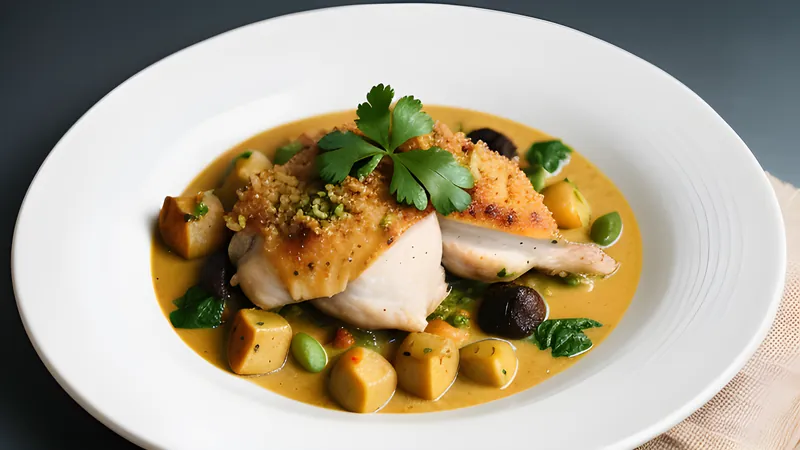
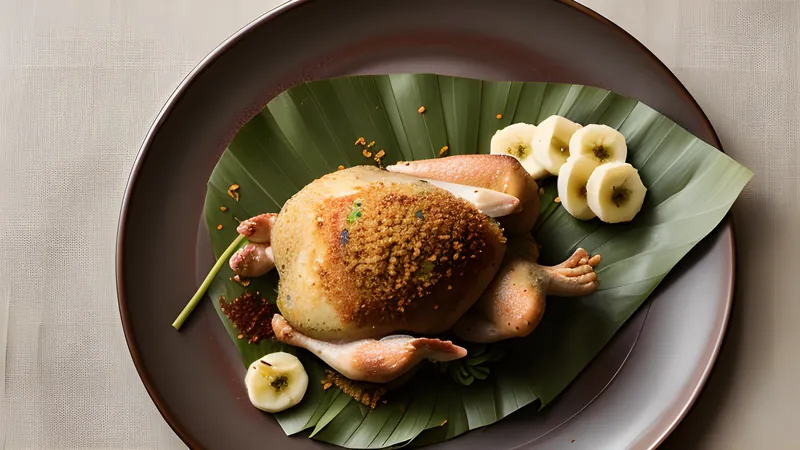
↓ Jump to recipeThere is a particular smell that means someone in Bali is celebrating something: raw shallot and turmeric turning sweet under banana leaf, smoke curling off a fire that has been dug into the ground since dawn. That smell belongs to betutu, and by the time it reaches a table the chicken inside has stopped resembling anything you’d get from a supermarket roast. The meat separates from the bone with a spoon. The skin, where it’s exposed at the very end, holds a dark lacquer of paste that has been cooking into it for the better part of three hours. Nothing about it is quick, and nothing about it apologises for that.
Ayam Betutu: Balinese Chicken Packed With Spice Paste
Ingredients
- 1 whole chicken, about 1.6kg, preferably a boiling fowl or free-range bird with some fat on it
- 12 shallots, peeled
- 8 cloves garlic, peeled
- 6 large red chillies, deseeded
- 6 bird's eye chillies (leave in more if you want real heat)
- 6 candlenuts (or 10 raw macadamias as a substitute), lightly toasted
- 40g fresh turmeric, peeled (or 2 tsp ground turmeric)
- 30g fresh ginger, peeled
- 30g fresh galangal, peeled
- 20g fresh kencur (lesser galangal), peeled, or skip if unavailable
- 2 tsp coriander seeds, toasted
- 1 tsp black peppercorns
- 1 tsp shrimp paste (terasi/belacan), toasted or dry-fried
- 2 tbsp palm sugar, grated
- 2 tsp salt, plus more to taste
- 3 stalks lemongrass, bruised, white part roughly chopped
- 6 kaffir lime leaves, torn
- 4 Indonesian bay leaves (daun salam) or ordinary bay leaves
- 4 tbsp vegetable oil
- 3 large banana leaves (or a double layer of foil if unavailable), softened over a flame
Method
- Blend shallots, garlic, both chillies, candlenuts, turmeric, ginger, galangal and kencur to a smooth paste in a food processor, adding a splash of water only if it stalls.
- Toast coriander seeds and peppercorns in a dry pan for a minute until fragrant, then grind and stir into the paste along with the shrimp paste, palm sugar and salt.
- Heat oil in a wok over medium heat and fry two-thirds of the paste for 10-12 minutes, stirring often, until it darkens, the oil separates at the edges and the raw shallot smell is gone. Leave the remaining third raw.
- Season the chicken cavity generously with salt, then pack it with the raw paste, the chopped lemongrass, half the kaffir lime leaves and the bay leaves.
- Rub the cooked paste all over the outside of the bird, working it under the skin at the breast and thighs where you can get a finger in.
- Truss the legs, then wrap the chicken tightly in two overlapping banana leaves, tucking the ends underneath, and secure with kitchen string or cocktail sticks.
- Wrap the parcel again in foil to hold in the steam and place in a roasting tin.
- Roast at 150C (130C fan) for 2.5 hours, then unwrap the foil and banana leaf for the final 15 minutes at 200C to firm up the skin.
- Rest for 10 minutes before carving, spooning any juices pooled in the banana leaf back over the meat.
What makes betutu different from every other stuffed bird
Most whole-chicken recipes treat the cavity as storage space — a lemon half, a few garlic cloves, herbs for aroma. Betutu treats the cavity as the engine room. The chicken is packed with a full measure of raw spice paste, lemongrass and lime leaves, then sealed so that everything inside essentially steams the bird from within while the exterior slow-roasts. The paste on the outside browns and dries slightly; the paste on the inside stays wetter, more pungent, and bastes the meat continuously as it renders down. You end up with two related but distinct flavour profiles in one bird, and the point where breast meets thigh — where both effects meet — is usually the best bite on the plate.
The paste itself is what Balinese cooks call bumbu genep, meaning roughly “the complete spice mix.” It’s not a single recipe so much as a category: a base of shallot, garlic and chilli, built out with turmeric, ginger, galangal and kencur for warmth and citrus lift, candlenut for body and a faint waxy richness, and shrimp paste and palm sugar to round the savoury and sweet ends against each other. Bumbu genep underpins an enormous amount of Balinese cooking — it’s the same family of paste that flavours ayam betutu’s coastal cousin sate lilit, where minced fish is packed onto lemongrass stalks instead of a chicken cavity. Once you’ve made a full batch for one dish, you understand why Balinese kitchens make it in bulk and keep it on hand.
Where this dish comes from and why it takes so long
Betutu is associated most strongly with two places: Gilimanuk in the west of Bali, where the version leans drier and considerably more chilli-forward, and Gianyar and Sanur further east and south, where the paste is milder and the chicken often comes with more of its own juices intact. Both trace back to the same ceremonial root. Betutu began as festival food — something made for temple ceremonies (odalan), weddings and other occasions where a family needed to feed a crowd from a single, unhurried cooking process. The traditional method buries the wrapped bird in a pit of hot coals and rice husk ash, sometimes for four to six hours, with the parcel checked only once or twice. Some village cooks still do it exactly that way, judging doneness by smell and by how the banana leaf has darkened rather than by a thermometer.
The long, indirect cooking isn’t decorative. A whole bird, especially an older or free-range one with real muscle in the legs, needs time at a gentle temperature to break down connective tissue without drying the breast into cardboard. The banana leaf and foil wrap does two jobs simultaneously: it holds moisture in so the breast doesn’t lose water to the oven’s dry air, and it lets the paste cook the chicken from the inside as much as the outside cooks it from the oven. That’s also why betutu is traditionally made with a slightly older, tougher bird rather than a young fryer — the cooking method exists to solve the problem of tough meat, and a naturally tender chicken doesn’t need three hours to get there. If you can find a boiling fowl or a free-range bird with proper flavour and some age on it, use it here. It rewards the long cook far more than a young supermarket chicken will.
Building the paste properly
Everything in bumbu genep gets pounded or blended raw first, then a portion of it is cooked in oil to develop depth before it goes anywhere near the chicken. This two-stage approach matters. Raw shallot, garlic and chilli have a sharp, slightly bitter edge that needs heat to round off; if you rub only raw paste onto the skin, the outside of the bird will taste harsh and unfinished by the time the meat is cooked through. Cooking two-thirds of the batch in oil until it darkens and the oil visibly separates at the pan’s edge does the same job frying does in any curry base — it converts raw pungency into something rounder and deeper, with genuine sweetness from the shallots and palm sugar coming through.
Keep the final third raw and pack it straight into the cavity along with the chopped lemongrass and bay leaves. This raw portion is what perfumes the meat from the inside; because it’s shielded from direct heat by the chicken itself, it cooks far more gently and keeps a brighter, greener edge that balances the deeper cooked paste on the outside. Skipping this split and cooking the whole batch flattens the dish into a single note. Keeping it raw entirely leaves the outside tasting unfinished. The split is the whole trick.
Kencur, the lesser galangal, is worth tracking down if you have an Asian grocer nearby — it has a camphor-and-citrus sharpness unlike anything else in the paste, closer to a cross between ginger and pine than to regular galangal. It’s genuinely optional; the dish works without it, just with slightly less of that distinctive Balinese top note. Candlenut is less optional. It’s what gives the finished paste a faint richness and a slight thickening quality, similar to what macadamia does in the same role — which is exactly why macadamia is the standard substitute where candlenut isn’t sold, since true candlenut is mildly toxic raw and needs proper cooking, and outside specialist shops it can be hard to source at all.
The wrap, the roast, and knowing when it’s ready
Banana leaf needs softening before you can wrap anything in it without splitting — pass each sheet quickly over a gas flame or a hot dry pan for a few seconds a side until it turns glossy and pliable. Skip this step and the leaf will crack along its ribs the moment you fold it around the bird. If banana leaf isn’t available, a double layer of foil does the job mechanically, though you lose the faint grassy aroma the leaf itself contributes during the long roast — a difference you will notice, but not one that ruins the dish.
Roast low. 150C for two and a half hours sounds slow for a single chicken, but the wrapped parcel is essentially steaming itself for most of that time, and the internal temperature climbs gradually rather than spiking the way it would in an open, high-heat roast. Unwrap for the final fifteen minutes at a higher heat only if you want some colour and texture on the exposed skin — this step is about appearance and a bit of textural contrast rather than doneness, since the meat is already fully cooked by that point. If you’d rather keep everything meltingly soft with no crisp element at all, you can skip the unwrapping entirely and simply rest the parcel as it is.
Check doneness by pulling a leg away from the body; it should give with almost no resistance and the juices should run clear with no pink at the joint. A meat thermometer in the thickest part of the thigh should read at least 74C, though a properly cooked betutu chicken will usually be well past that, closer to fall-off-the-bone by the time the wrap comes off.
Serving, leftovers and what to put alongside it
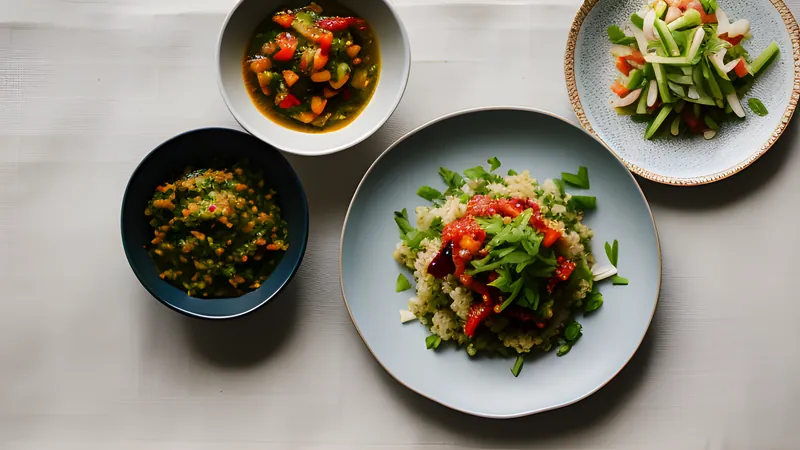
Betutu is traditionally eaten with plain steamed rice and a scattering of fried shallots, plus something acidic and crunchy to cut the richness — a simple cucumber and shallot pickle does the job well, or a spoon of sambal matah alongside for anyone who wants more raw shallot and chilli heat on top of what’s already in the bird. Pick the meat apart at the table rather than carving it in neat slices; it falls into shreds and chunks on its own, and that’s the texture you want people to see when the parcel is opened.
Leftovers keep well for up to three days refrigerated, and the flavour if anything improves on the second day as the paste settles further into the meat. Shred any remaining chicken and its juices into a quick fried rice, or fold it through warm rice with a squeeze of lime for a fast lunch. The paste itself, if you have any left over unused, freezes well in an ice cube tray for up to two months — useful given how much labour goes into making a full batch, and worth doubling the quantity specifically so you have some banked for a faster version of opor ayam or another spice-paste-based dish later in the month.
Related Content