Aubergine Parmigiana: Properly Layered, Properly Good
The vegetarian bake worth the patience
Contents
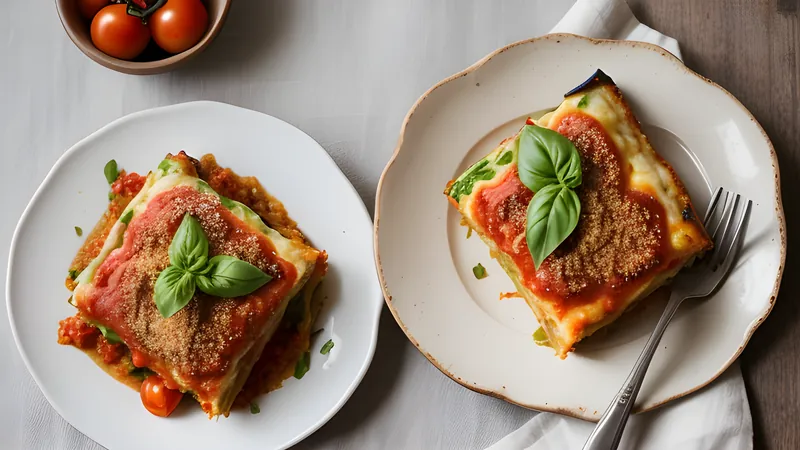
↓ Jump to recipeAubergine parmigiana is one of those dishes that rewards you for slowing down. It is not a weeknight throw-together; it asks for an unhurried afternoon, a bit of frying, and a willingness to build it layer by layer. But what you get back is a deep, savoury, almost meaty bake that converts even the most committed aubergine sceptic. My small twist is a crisp breadcrumb top — a nod to the Sicilian habit of finishing the dish gratinata — which gives a contrast in texture that lifts the whole thing.
Aubergine Parmigiana: Properly Layered, Properly Good
Ingredients
- 3 large aubergines, sliced lengthways 1cm thick
- Olive oil, for brushing and frying
- 2 x 400g tins good chopped tomatoes
- 4 garlic cloves, finely sliced
- 1 small onion, finely chopped
- 1 tsp caster sugar
- Large handful fresh basil, torn
- 150g Parmesan, finely grated
- 250g mozzarella, torn
- 50g dried breadcrumbs
- Salt and black pepper, to taste
Method
- Salt the aubergine slices lightly and leave in a colander for 20 minutes, then pat dry.
- Shallow-fry the slices in olive oil until golden, or brush and roast at 200C (180C fan) for 25 minutes.
- For the sauce, soften the onion in olive oil for 5 minutes, add the garlic for a minute, then add the tomatoes, sugar and salt.
- Simmer the sauce gently for 20 minutes until thick, then stir through half the basil and season well.
- Spread a little sauce in an oven dish, then layer aubergine, sauce, Parmesan, mozzarella and basil; repeat until used up.
- Finish with sauce, the remaining Parmesan and the breadcrumbs.
- Bake at 190C (170C fan) for 40 to 45 minutes until bubbling, golden and crisp on top.
- Rest for 15 to 20 minutes before cutting into squares to serve.
Where it really comes from
Despite the name, parmigiana almost certainly has nothing to do with Parma or its cheese. Most food historians trace the dish south, to Sicily and Campania, and the most persuasive etymology comes from the Sicilian parmiciana, the overlapping wooden slats of a louvred shutter — a neat description of how the aubergine slices lie across one another in the dish. Others point to Parmigiano, the cheese, or to a corruption of the Turkish patlıcan by way of the Arabic route that first brought the aubergine to the western Mediterranean. Whatever the truth, it is a southern Italian dish through and through, born of hot regions where aubergines grow gloriously and meat was once a luxury reserved for feast days.
The aubergine itself only reached Italy in the late medieval period, carried west through the Arab world, and was long distrusted; its old Italian name melanzana was popularly read as mela insana, the “unhealthy apple”, and it took centuries to earn a place at the table. Tomatoes arrived even later, from the Americas after the sixteenth century, and were not widely cooked with in Italy until the seventeenth and eighteenth centuries. This means the earliest parmigiana was very likely a pale affair of fried aubergine, cheese and perhaps egg, with no tomato at all. The tomato-rich version we know today is the one that travelled the world, and the one worth making now. Naples, Sicily and Parma have squabbled over its parentage ever since, which tells you mostly that it is loved everywhere.
Building the bake
First, deal with the aubergines. Salting them lightly and leaving them in a colander for twenty minutes draws out moisture and any bitterness; pat them dry afterwards. You can shallow-fry the slices in olive oil for the most luxurious result, or brush them and roast at 200C (180C fan) for twenty-five minutes if you’d rather use less oil — both work, the fried version just tastes more decadent.
While that happens, make the sauce. Soften the onion in a little olive oil for five minutes, add the garlic for a minute, then tip in the tomatoes, sugar and a good pinch of salt. Simmer gently for twenty minutes until thick and glossy, then stir through half the basil. Taste and season hard; a flat sauce makes a flat parmigiana.
Now layer. Spread a little sauce in the base of an oven dish, then a layer of aubergine, more sauce, a scatter of Parmesan, some torn mozzarella and basil. Repeat until everything is used, finishing with sauce, the remaining Parmesan and the breadcrumbs. Bake at 190C (170C fan) for forty to forty-five minutes until bubbling, golden and crisp on top.
Tips and getting ahead
The single most important tip: let it rest. Give the parmigiana fifteen to twenty minutes out of the oven before you cut into it. Straight from the oven it slumps into a delicious but shapeless heap; rested, it holds together in neat, layered squares. This is a dish that genuinely tastes better the next day, so it’s an excellent make-ahead — assemble it the night before, keep it in the fridge and bake when you need it.
A few honest pointers. Don’t skip drying the aubergines properly, or the bake turns watery. Use a tomato you trust; cheap tinned tomatoes can be thin and sour, and twenty minutes of simmering won’t fully rescue them. San Marzano or another good plum tomato, whole and crushed by hand, gives a sweeter, meatier sauce than the bargain chopped tins, which are often padded out with core and skin. If you want to push it further, a few anchovies melted into the sauce add a savoury hum that nobody will identify but everyone will notice, and a scrape of the mozzarella liquid patted away first keeps the layers from going soupy.
Choosing the aubergines matters more than people think. Look for ones that feel heavy and firm for their size, with taut, glossy skin and a green, fresh-looking stalk; a light, spongy aubergine with dull, wrinkled skin is old, and old aubergines are more bitter and seedier. Slice them lengthways and evenly, around a centimetre thick, so every layer cooks at the same rate. If you fry rather than roast, get the oil properly hot before the first slice goes in, work in batches so the pan is never crowded, and drain the golden slices on kitchen paper; crowded, cool oil is exactly how aubergine ends up greasy. Roasting is the more forgiving route and uses a fraction of the oil, brushing the slices lightly and giving them a full twenty-five minutes until soft and lightly coloured — undercooked aubergine stays leathery in the finished bake and refuses to yield to a fork.
Layering is worth a little care too. Aim for even, generous layers rather than a few thick slabs; three or four thinner layers give a better ratio of aubergine to sauce to cheese, and a tidier slice. Keep a light hand with the mozzarella in the middle layers and save a more generous scatter, plus all the breadcrumbs, for the top, where it can catch and crisp. Season each layer of sauce as you build, tasting as you go, because a bake this size can swallow more salt than a single spoonful suggests.
If you want to lighten it, a few spoonfuls of ricotta dotted between the layers add a soft, milky note and a little air; it is well worth making your own, and a batch of homemade ricotta takes barely twenty minutes and tastes markedly fresher than the tub. A handful of toasted pine nuts scattered through brings crunch and a faint sweetness. And for those who genuinely can’t abide aubergine, the same method works with thickly sliced, griddled courgettes — not strictly authentic, but no less good on a late-summer evening when courgettes are cheap and plentiful.
Why does salting the aubergine matter so much? Aubergine flesh is spongy and full of air pockets, and left as it is, it soaks up frying oil greedily and can carry a faint bitterness. A light salting collapses some of those cells and draws out moisture through osmosis, so the slices fry to gold instead of steaming grey, and they absorb noticeably less oil. Modern cultivated aubergines are far less bitter than their forebears, so the step is more about texture than bitterness now, but it still earns its twenty minutes. Pat the slices thoroughly dry before they meet the pan, because any surface water will spit and cool the oil.
Storage and make-ahead
This is a dish that actively improves with a night in the fridge, which makes it an unusually stress-free thing to cook for guests. You can assemble the whole bake up to a day ahead, cover it and keep it chilled, then bring it back to room temperature for half an hour before baking so the centre heats through evenly. Once cooked, it keeps for three days in the fridge and reheats well in a moderate oven, covered with foil for the first ten minutes so the top does not scorch a second time. It freezes cleanly too, either whole or in portions: cool it completely, wrap well, and freeze for up to three months, defrosting overnight in the fridge before reheating in a moderate oven until piping hot in the centre. If you plan to freeze it, hold back the breadcrumb topping and add it fresh before the final reheat, since crumbs frozen into a wet bake go soft rather than crisp. The flavours settle and deepen with the rest, the layers firm up so they slice more neatly, and a square eaten cold from the fridge the next day is, frankly, one of the quiet pleasures of making a full dish.
Serve it with nothing more than a sharp green salad and some bread to mop the plate. It’s rich enough to stand alone, generous enough to feed a table, and the kind of dish people remember. If you have caught the aubergine habit, the vegetable takes just as well to bolder, savoury-sweet treatments: a tray of miso-glazed aubergine is a very different mood but relies on the same understanding of how the flesh cooks. This travels well too, holding its shape once cold, so a square wrapped up for the next day’s lunch is one of the better reasons to make a big dish in the first place. Worth every minute of the layering.
Related Content