Alheira de Mirandela: The Sausage That Hid a Faith
Bread, poultry and garlic in a sausage born of survival
Contents
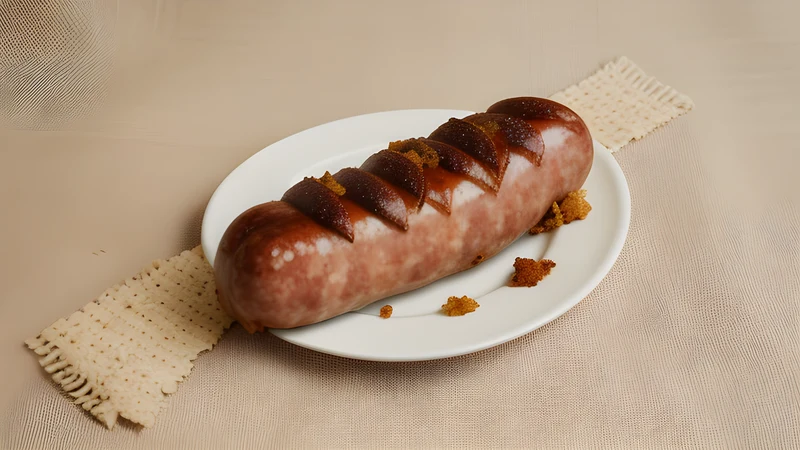
↓ Jump to recipeThere is a sausage in the north-east of Portugal that contains almost no pork, and the reason is a piece of history rather than a piece of dietary fashion. Alheira comes from Trás-os-Montes, the high cold country above the Douro, and Mirandela is the town that claims it hardest. The name comes from alho, garlic, which tells you where the flavour lives.
The story runs like this. After the Spanish expulsion of 1492 many Jewish families crossed into Portugal, and in 1496 King Manuel I forced conversion on those who stayed. The converted — cristãos-novos, New Christians — lived under the eye of neighbours and, from 1536, an Inquisition that read food as evidence. A house with no sausages hanging in the chimney in November was a house that had not killed a pig, and a house that had not killed a pig was a house worth investigating. So the families of Trás-os-Montes made sausages that looked exactly like everyone else’s: same casing, same smoke, same hooks over the hearth. Inside was chicken, game bird, veal and a great deal of bread.
Historians are careful here, and so am I. The documentary trail for the origin story is thin, and some food scholars point out that bread-bulked sausages existed across poor upland Europe for the plain reason that meat was expensive and bread was not. Both things can be true. What is certain is that the alheira is a sausage where bread is the structure rather than an apology, and that in Mirandela it is taken seriously enough to hold a Protected Geographical Indication, granted in 1998, that specifies poultry, bread, olive oil, garlic and paprika, and bans beef and lamb.
Alheira de Mirandela: The Sausage That Hid a Faith
Ingredients
- 600g free-range chicken thighs, bone in, skin on
- 300g turkey thigh meat, boneless
- 150g smoked streaky bacon, in one piece
- 1 whole head of garlic, halved across the middle, plus 6 cloves, finely grated
- 2 bay leaves
- 1 tbsp fine sea salt, plus more for the broth
- 1.5 litres water
- 350g stale country loaf, crusts on, torn into 3cm pieces
- 2 tbsp sweet smoked paprika (pimentão doce fumado)
- 1 tsp hot paprika or 1/2 tsp cayenne
- 40g quince paste (marmelada), finely chopped
- 3 tbsp extra virgin olive oil
- 1/2 tsp freshly ground black pepper
- 2.5 metres natural hog casing, 32-34mm, soaked and rinsed
- Olive oil, for frying
Method
- Put the chicken thighs, turkey, bacon, halved garlic head, bay leaves and 2 tsp salt in a pan with 1.5 litres cold water. Bring to a bare simmer and cook uncovered for 45 minutes, until the chicken pulls from the bone.
- Lift the meat out onto a tray. Strain the broth and keep it hot; you should have around 1 litre.
- Tear the stale bread into a wide bowl. Ladle over 500ml of the hot broth, stir once, and leave for 15 minutes until the bread collapses into a thick porridge with no dry centres.
- Skin and bone the chicken. Chop all the meat, including the bacon, by hand into 5mm pieces. Do not mince it.
- Warm 3 tbsp olive oil in a small pan over a low heat, add the grated garlic and cook for 90 seconds until fragrant and pale gold. Do not let it brown.
- Combine the chopped meat, soaked bread, garlic oil, both paprikas, chopped quince paste, 1 tbsp salt and the black pepper. Mix hard with your hands for 2 minutes. The mixture should hold a shape and feel like very thick mashed potato; loosen with broth 50ml at a time if it is stiff.
- Fry a teaspoon of the mixture in a little oil and taste. Adjust salt and paprika now.
- Chill the mixture for 30 minutes. Load it into a sausage stuffer or piping bag and fill the casings loosely, leaving slack. Twist into 18cm horseshoes and tie the ends with butcher's string.
- Prick each sausage 6-8 times with a fine needle. Poach in barely trembling water at 80C for 15 minutes, then lift out and cool completely on a rack. Refrigerate uncovered overnight.
- To serve, fry over a medium heat in a little olive oil for 8-10 minutes, turning, until the skin blisters and browns, or roast at 200C for 20 minutes.
Why the broth does the work
Every good alheira starts as a pot of poached bird. You are cooking the meat and, at the same time, building the liquid that will turn stale bread into the body of the sausage. This is the same logic as açorda, where broth and stale loaf become dinner, and it is why the sausage tastes of something bigger than its parts.
Poach at a bare simmer. A rolling boil emulsifies fat into the broth, clouds it, and dries the chicken into strings. You want the surface barely shivering, bubbles breaking one at a time at the edge. Forty-five minutes gets thigh meat to the point where it slides off the bone without turning to floss. Breast meat is a mistake here — it has no collagen and no fat, and it goes chalky.
The bacon is doing two jobs. It brings smoke, which the traditional sausage got from three weeks over a wood fire, and it brings the fat that keeps the bread from tasting like a school dinner. Get streaky in one piece and chop it by hand with the rest.
The bread question
Use a real country loaf, two or three days old, crusts left on. Bread with structure — a chewy open crumb from a slow ferment — soaks the broth and then holds. Supermarket sandwich bread dissolves into paste and gives you a sausage with the texture of wet flannel. If you have made rye caraway soda bread or any dense loaf recently, the stale heel of it is ideal.
Pour hot broth over, stir once, then leave it alone for a quarter of an hour. Stirring repeatedly develops the starch and makes it gluey. When you come back, squeeze a piece between your fingers: it should collapse with no hard core. Any dry centre will still be dry in the finished sausage, and it will read as a pebble.
The quince
Here is the small change I make, and it is a defensible one. Forty grams of marmelada — Portugal’s dense quince paste, the thing that gave English the word marmalade — chopped fine and worked through the mixture. Quince and garlic are old neighbours in Portuguese cooking, and the paste brings a low fruit acidity plus a trace of sugar that helps the sausage brown. You will not taste quince as quince. You will taste an alheira that has a floor under the paprika instead of dropping straight into salt. If you cannot find marmelada, 30g of the stiffest apple butter you can buy does a similar job.
The garlic is the point of the dish, so treat it properly. Six cloves grated on a microplane and warmed in olive oil for ninety seconds — long enough to lose the raw aggression, short enough to stay pale. Browned garlic turns bitter and that bitterness travels through the whole batch.
Filling the casings without a disaster
Natural hog casings, 32-34mm, soaked in cold water for an hour and flushed through with the tap. Slide the casing onto the nozzle like a concertina. Fill loosely — this is the opposite of the instinct you have with a pork sausage. The bread swells slightly during poaching and a tightly packed alheira splits along its length, which is unsightly and lets the filling escape into the water.
Twist into horseshoes of about 18cm and tie the ends. Then prick each one six to eight times with the finest needle you own. Those holes let steam out during the poach.
Poach at 80C, which is to say a pan of water with a thermometer in it and the smallest flame your hob will hold. Never boil. Fifteen minutes is enough to set the sausage and pasteurise the surface. Cool them on a rack and leave them uncovered in the fridge overnight — the skin dries, tightens and gives you the blistered gold crust that makes the whole exercise worthwhile.
Chop it by hand
The single biggest textural decision in this recipe is made with a knife. Every shortcut version tells you to run the poached meat through a mincer or pulse it in a processor, and both produce a smooth pink paste that bakes into something with the character of a chicken nugget.
Hand-chop everything to about 5mm. It takes fifteen minutes and a sharp knife and it is tedious, and what you get is a sausage where you can see and feel individual pieces of thigh meat sitting in the bread. That visible structure is written into the PGI specification, and the inspectors who certify Mirandela’s producers cut sausages open and look for it. A mincer also smears fat across the meat surfaces, which coats the proteins and stops them binding — the same mechanism that makes an over-worked sausage crumbly.
The bacon is the exception you might be tempted to make, since it is firm and awkward under a knife. Chill it for twenty minutes in the freezer first and it slices cleanly.
The paprika question
Two tablespoons of sweet smoked paprika plus a teaspoon of hot is a large dose, and it is doing more than colour. Portugal’s pimentão is generally milder and sweeter than Hungarian paprika and the smoked versions from the Spanish border are the closest easy substitute — Pimentón de la Vera is smoked over oak for two weeks and it is what gives a supermarket alheira its cured-over-a-fire character without the fire.
Add it off the direct heat, or at least below a simmer. Paprika is mostly sugar and carotenoid pigment and it scorches at around 160C, at which point it turns from sweet red to bitter brown in under a minute. This is the standard failure in Spanish and Portuguese cooking and it is irreversible. Stir it into the warm garlic oil after the pan comes off the flame.
Buy it fresh, too. Ground paprika oxidises and a tin that has been open eighteen months has lost most of its aroma and half its colour. If it smells of nothing when you open it, it will taste of nothing in your sausage.
Casings, and the alternative
Natural hog casing is what the PGI demands and it gives the best result: it is permeable, it dries properly overnight, and it blisters in the pan. Collagen casings are the easy alternative and they behave adequately, though they stay slightly rubbery and they do not take colour as well.
If you have no stuffer and no casings, you can still make this. Roll the chilled mixture into 18cm logs inside cling film, twist the ends tight like a Christmas cracker, and poach the parcels at 80C for 15 minutes. Chill them fully, unwrap, and fry. You lose the horseshoe shape and the blistered skin, and you keep everything that matters about the flavour. This is how I made them for years before I owned a stuffer.
What can go wrong
It fell apart in the pan. Under-mixed. The two minutes of hard hand-mixing is what makes the myosin in the chopped meat grip the bread. Mix until the mixture holds a thumbprint.
It tastes flat. Under-salted, almost always. Sausage needs more salt than you think because it is eaten cold-firm and in slices. Fry a test teaspoon before you fill anything.
The skin is leathery. Fried too hot for too long. Medium heat, 8-10 minutes, turning every couple of minutes.
Eating it
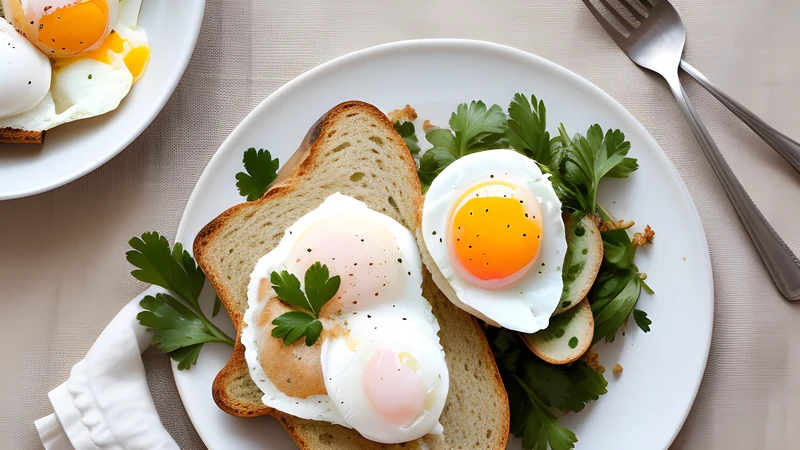
In Mirandela the standard plate is alheira com ovo a cavalo — the sausage fried, a fried egg on top, chips, and greens on the side. That combination is the reason the dish survived past its own history and into every café in the country. A sharp bitter leaf helps: dressed watercress, or the tenderstem with garlic, chilli and lemon if you want something warm.
The other route is the oven: 200C for 20 minutes with a tray of halved new potatoes underneath catching the fat. Serve with a glass of something rough and red from the Douro.
Keeping and changing it
Poached and dried, the sausages keep five days in the fridge and freeze well for three months — freeze them raw-poached, in pairs, and defrost overnight before frying. They do not take kindly to reheating once fried.
For variations: partridge or pheasant in place of half the chicken is the classic upland version and worth doing in season, though game is lean enough that you should push the bacon to 200g. Swapping the smoked paprika for a tablespoon of the piri-piri sauce makes something the Mirandela authorities would refuse to certify and I would eat happily. A vegetarian alheira exists in Portugal now, built on mushrooms and chestnuts; it is a decent thing on its own terms and a different dish entirely.
Do not attempt the traditional three-week wood smoke at home. That process needs a controlled cold chamber and a curing salt regime, and the version here — poach, dry, fry — gives you the flavour without the botulism risk.
Related Content