Ajoblanco: The White Gazpacho of Málaga
Almonds, garlic, bread and cold water
Contents
↓ Jump to recipeAjoblanco is what Andalusia drank before Columbus. Cold, pale, thick as single cream, tasting of almonds and raw garlic and good oil — this is the older gazpacho, the one that was already ancient when the tomato turned up in the sixteenth century and stole the name. Málaga still makes it every summer, and the version served in the tapas bars of the Axarquía hills is essentially unchanged: almonds, stale bread, garlic, water, oil, vinegar. Six things. The whole difficulty lies in balancing them.
My one departure from orthodoxy is small and, I think, defensible. I toast a quarter of the almonds and leave the rest raw. Purists in Málaga would raise an eyebrow — the classic soup is resolutely raw, and toasting the lot turns it into something closer to a nut butter, heavy and browned and wrong. But 40 g of toasted almonds in 150 g gives the finished bowl a low, roasted hum underneath the fresh milky sweetness, and it gives the pale bowl an actual flavour to lead with. It survives the chilling, too, which raw almond flavour struggles to do.
Ajoblanco: The White Gazpacho of Málaga
Ingredients
- 150 g blanched almonds
- 100 g stale white bread, crusts removed (about 3 thick slices)
- 2 medium garlic cloves, green germ removed
- 500 ml very cold water, plus up to 150 ml more to adjust
- 100 ml mild extra virgin olive oil, plus more to serve
- 2 tbsp sherry vinegar (Jerez), plus more to taste
- 1 tsp fine salt
- 150 g seedless green grapes, halved
Method
- Spread 40 g of the almonds on a dry frying pan over medium heat and toast for 4 to 5 minutes, shaking often, until they smell nutty and are patched with gold. Tip them onto a cold plate at once and leave to cool completely.
- Tear the bread into rough pieces, put it in a bowl and pour over just enough cold water to cover. Leave for 10 minutes, then squeeze out the excess water with your hands so the bread is damp rather than dripping.
- Put all 150 g of almonds (raw and toasted together), the garlic, the squeezed bread and 1 tsp fine salt into a blender with 250 ml of the cold water. Blend on high for a full 2 minutes, scraping down once, until the mixture is smooth and pale.
- With the motor running on medium, pour in the olive oil in a slow steady stream over about 30 seconds. The soup will thicken and turn opaque ivory.
- Add the remaining 250 ml cold water and the sherry vinegar and blend for 20 seconds more. Taste, then adjust with extra water for a pourable consistency and extra vinegar a teaspoon at a time until it tastes bright rather than sour.
- For a silky texture, pass the soup through a fine sieve, pressing the solids with a ladle. Discard the almond grit left behind.
- Chill for at least 2 hours, or until it is properly cold. It thickens as it sits, so loosen with a splash of cold water before serving.
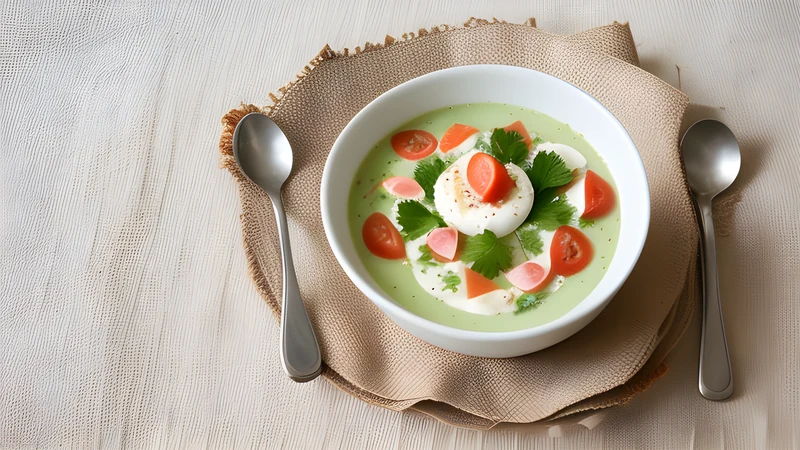
- Ladle into shallow bowls, scatter over the halved grapes and finish each bowl with a thread of olive oil and a few flakes of salt.
The soup that lost its name
Gazpacho, before tomatoes, meant a family of cold pounded soups built on bread, garlic, oil, vinegar and salt — the store-cupboard of a labourer in a hot country with no refrigeration. The Romans had posca, a vinegar-and-water drink; the Moors brought almonds and irrigated the almond terraces of the Sierra de Almijara. What emerged in Al-Andalus was a soup you could make in a mortar in the shade of a fig tree, using nothing that would spoil in the heat.
The dish is documented across southern Spain under different names and with different nuts. Extremadura pounds it with more bread and less almond. Córdoba’s salmorejo took the same bread-and-oil base and went thick and orange once tomatoes arrived. Málaga kept the almonds and added the grapes — the muscatel vines and the almond terraces grow on the same slopes above the coast, ripening within weeks of each other, and the pairing is agricultural before it is culinary. In Almáchar, a white village of about two thousand people east of Málaga, they hold a Fiesta del Ajoblanco every first Saturday of September and hand out the soup by the litre.
The name is literal: ajo garlic, blanco white. It tells you the two things that matter. Get the garlic wrong and the soup is either bland or a chemical weapon. Get the whiteness wrong — by over-toasting, by using an oil that is too green, by letting it oxidise — and it looks like wallpaper paste.
Almonds are the whole argument
Use blanched almonds, meaning skinned. The skins carry tannin and brown flecks, and both are unwelcome here. If you can only find whole skin-on almonds, cover them with boiling water for 60 seconds, drain, and squeeze each one — the skin shoots off. It is tedious and takes twenty minutes for 150 g, and it is worth doing once so you understand why blanched almonds cost more.
Freshness matters more than variety. Almonds go rancid quietly: the fat oxidises and the flavour turns to cardboard and old paint long before anything smells obviously off. Buy them from somewhere with turnover, taste one before you commit, and keep the bag in the freezer. A Spanish Marcona almond is rounder and sweeter and makes a lovely ajoblanco, but it is also fatter, so hold back 20 ml of the oil if you use them or the soup will split under the blender’s heat.
Do not substitute ground almonds. Pre-ground almond meal has been sitting in a warehouse with an enormous surface area exposed to air, and it makes a gritty, dull soup that no amount of sieving redeems.
Garlic, and the argument I will not have
Two cloves. Raw. Green germ removed with the tip of a knife — that pale shoot in the centre of an older clove is where the bitterness and the aggressive aftertaste live, and pulling it out is thirty seconds of work that changes the finish of the soup entirely. This is the same discipline that separates a good aioli from a punishing one.
If your garlic is fresh spring garlic, two cloves is right. If it is January garlic that has been in a bowl since autumn and is starting to sprout, use one and a half and expect to want more. Raw garlic in a cold liquid keeps developing for hours — the alliinase enzyme carries on producing allicin — so a soup that tastes gently garlicky at the blender will taste noticeably fiercer after two hours in the fridge. Season for where it is going.
The bread, the water and the emulsion
Stale white bread, crusts off, soaked and squeezed. The bread is structural: it gives the soup body and helps hold the oil in suspension so it drinks like a soup instead of separating into oily water with almond sludge at the bottom. A day-old open-crumbed loaf is ideal. Fresh sliced sandwich bread turns to glue.
The water must be genuinely cold — fridge cold, or with a couple of ice cubes blended in. A blender running at full speed for two minutes generates real heat, and warm almond emulsions break. If you are working in a hot kitchen, chill the blender jug first.
Add the oil the way you would to a mayonnaise: slowly, with the motor running, so the bread starch and the almond fat form a stable emulsion. Dumping it in at the start gives you a bitter soup, because high-speed blades shear the olive oil’s fat globules and release the polyphenols that make it taste acrid. This is why a peppery, aggressive picual oil is a poor choice here and a mild, buttery hojiblanca or arbequina is a good one. Save the fierce green oil for drizzling on top, where it belongs.
Grapes, and other things on top
Halved muscatel grapes are the Málaga finish, and they earn their place: cold, sweet, faintly floral, bursting against the density of the soup. Green seedless grapes are the honest supermarket substitute. Halve them — whole grapes roll off the spoon and refuse to be eaten with the soup.
Melon works. So does a spoonful of chopped apple, which the Extremeños do. Salted almonds, chopped, give a second texture. In Málaga I have been served it with a single sliver of ripe fig, which was better than it sounds. Something crisp and cold and slightly sweet is the brief; the soup is rich and monotone and needs interruption.
Getting the consistency right
It should coat a spoon and then slide off — thicker than a broth, thinner than a yoghurt. Blender power varies enormously, and so does how hard you squeezed the bread, so treat the 500 ml of water as a starting point and go up to 650 ml if you need to. Sieving is optional but transformative if your blender is a mid-range one: it removes the almond fragments that a domestic motor cannot break down and takes the texture from rustic to velvet.
If it splits — you will see beads of oil on the surface and a watery layer beneath — put 50 ml of the split soup in a clean blender with a torn piece of soaked bread, blend to a paste, and pour the rest in slowly with the motor running. It comes back.
What goes wrong, and why
The three failures I see are all fixable once you know the mechanism.
It tastes bitter. Almost always the oil, and almost always because it went in too fast. Olive oil’s bitterness lives in polyphenols locked inside intact fat globules; a blender blade spinning at 20,000 rpm ruptures those globules and dumps the polyphenols straight onto your tongue. The slow stream limits the shearing. If it has already happened, there is no rescue — the compounds are out. Start again with a gentler oil and more patience.
It tastes of nothing. Under-salted, under-vinegared, or made with tired almonds. Cold food needs more seasoning than warm food, because chilling suppresses our perception of both salt and aroma by a startling margin. A soup that tastes correctly seasoned at room temperature will taste flat straight from the fridge. Season it, chill it, then taste and season again.
It is gritty. Your blender did not get there. Blend for the full two minutes — most people stop at forty seconds because it looks smooth, and it is not. Then sieve. A jug blender with a 300 W motor will never fully break an almond; a sieve will forgive it.
Variations worth making
Some almond soups in the region swap in pine nuts for a third of the almonds, which gives a resinous, faintly sappy note. Hazelnuts make a soup that is browner and closer in spirit to a romesco, which is the other great Catalan-Spanish nut emulsion and worth understanding alongside this one.
In Cádiz they occasionally stir in a spoonful of soaked raisin and its liquid, which pushes the balance sweet and demands another teaspoon of vinegar to hold the line. Adding a single cooked prawn to each bowl, cold, is a modern restaurant move that works because the sweetness of the shellfish echoes the almonds.
The version I make most often in a hurry skips the bread and adds 30 g more almonds. It is thinner, cleaner and more obviously nutty, and it drinks like a chilled almond milk with attitude. It is also less stable and will separate within the hour, so pour it straight from the blender.
Storage and the day after
Ajoblanco keeps for three days in a sealed jar in the fridge and is arguably better on day two, once the garlic has stopped shouting and settled into the almonds. It will separate slightly and thicken; whisk or shake, and slacken with cold water. It does not freeze — the emulsion breaks irretrievably and the almonds turn grainy.
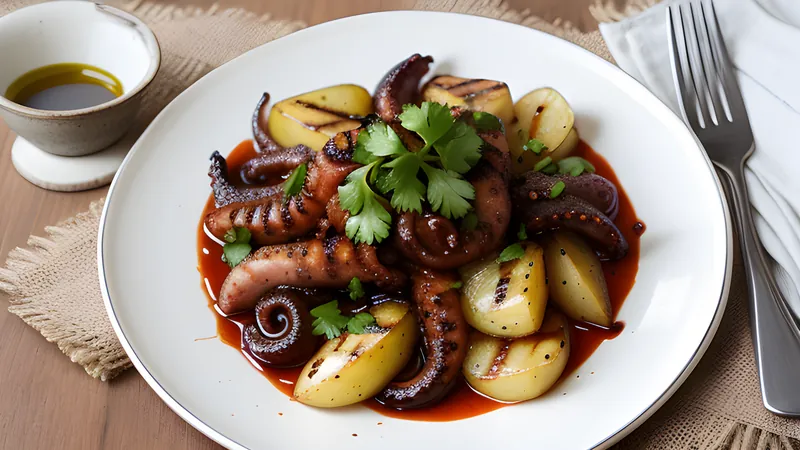
Serve it as a first course before something warm and smoky. It sits beautifully ahead of grilled octopus with smoked paprika and potato, and if you want to stay in the same Andalusian register the whole way through, a plate of patatas bravas afterwards makes the contrast the point. For a bread-and-garlic soup at the opposite temperature, sopa de ajo is the winter twin of this dish, built from the same peasant logic.
Related Content