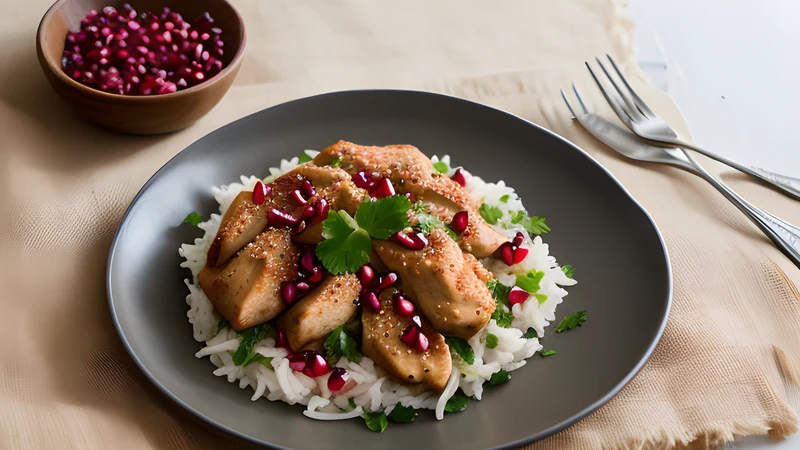
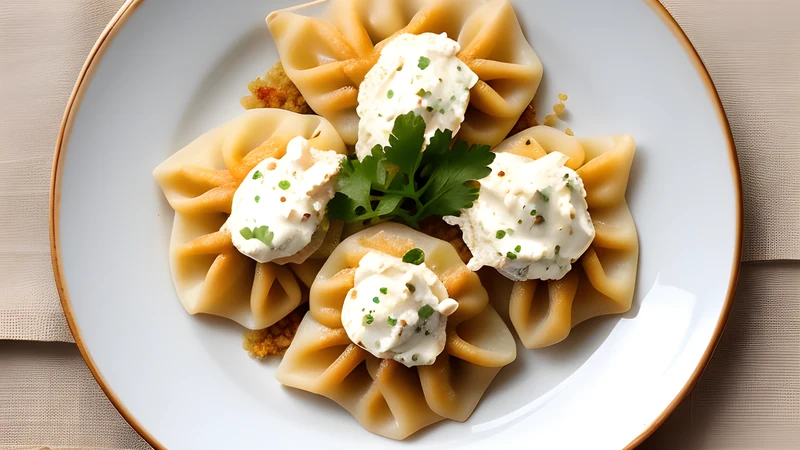
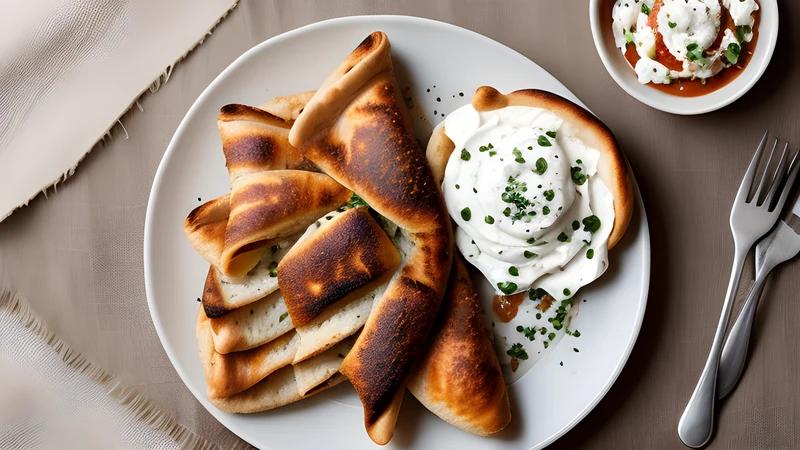
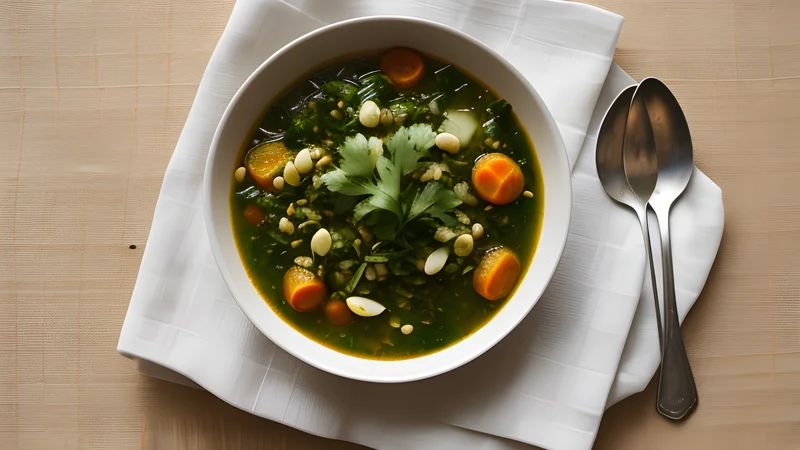
Afelia: Cyprus Pork Braised in Red Wine and Coriander
One coriander seed used two ways, and a bottle of dark wine
Contents
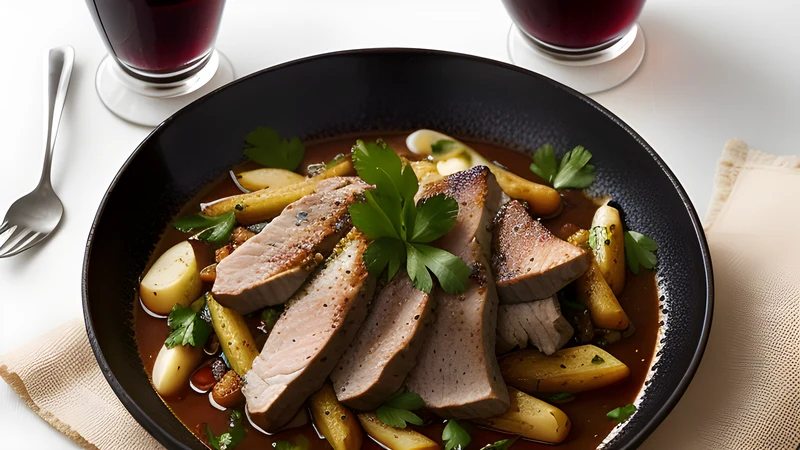
↓ Jump to recipeAfelia is the most single-minded braise I know. Pork, red wine, coriander seed. That is the entire flavour architecture, and Cypriot cooks have spent centuries refusing to add anything else to it. No tomato, no herbs, no onion in most households, no stock. Just three things, held for long enough that they stop being three things.
It works because coriander seed and pork have a genuine chemical affinity — the seed’s linalool and the fat of the shoulder do something to each other over a long, slow braise that neither does alone. And red wine, reduced far enough, stops tasting of wine and starts tasting of the fruit it came from. What comes out of the pan is dark, faintly sweet, and heavily perfumed.
The version below asks for two days of your patience before any heat is applied. That is the honest cost, and it is the only demanding thing about it.
Afelia: Cyprus Pork Braised in Red Wine and Coriander
Ingredients
- 900 g pork shoulder, cut into 3 cm cubes
- 3 tbsp coriander seeds
- 350 ml dry red wine, ideally Cypriot Mavro or Maratheftiko
- 1 tsp fine salt
- 1/2 tsp coarsely ground black pepper
- 3 tbsp olive oil
- 1 cinnamon stick
- 150 ml water
- 1 tsp caster sugar
- 1 tbsp red wine vinegar
Method
- Crack 2 tbsp of the coriander seeds coarsely in a mortar — aim for split seeds and a few whole ones, never powder. Reserve the remaining 1 tbsp.
- Combine the pork, cracked coriander, wine, salt and pepper in a bowl. Cover and refrigerate for 24 hours, ideally 48, turning twice.
- Drain the pork, keeping every drop of the marinade. Pat the cubes dry with kitchen paper — wet meat will not brown.
- Heat the olive oil in a heavy casserole over high heat. Brown the pork in three batches, 3-4 minutes per batch, until deeply coloured. Return all the meat to the pan.
- Pour in the reserved marinade and the water, add the cinnamon stick, and bring to a boil. Scrape the base clean with a wooden spoon.
- Cover, reduce to the lowest simmer, and cook for 70 minutes until the pork yields to a spoon.
- Toast the reserved 1 tbsp coriander seeds in a dry pan for 90 seconds until fragrant, then crack them coarsely.
- Uncover the pan, add the sugar and vinegar, and boil hard for 8-12 minutes until the liquid reduces to a glossy sauce that coats the meat.
- Remove the cinnamon stick, stir through the freshly toasted coriander, and rest for 10 minutes before serving.
The Cypriot argument for restraint
Afelia belongs to the same family as loukanika and hiromeri — the Cypriot preparations built around pork and around wine, both of which the island has in quantity and both of which are also preservatives. Cyprus has been making wine for something like five and a half thousand years; the archaeological evidence from Erimi puts commercial wine production on the island in the Chalcolithic. Coriander, meanwhile, arrived early and stayed: the island grows it, and Cypriot cooking uses the seed far more than the leaf, in a way that distinguishes it sharply from mainland Greek cooking.
The name comes from the Greek afelis, meaning plain or simple, and the dish earns it. What is interesting is that “plain” here means a deliberate act of subtraction. Cyprus was under Venetian, then Ottoman, then British rule; a great deal of complexity was available. Afelia stayed austere because the flavour is better that way.
There are two versions on the island. Afelia proper is pork. Patates afelia is potatoes given exactly the same treatment — cracked, fried, doused in wine and coriander — and it is often served alongside the meat, which means you get the flavour twice. Some households add a handful of chopped fresh coriander at the end. Most do not.
Choosing the pork and the wine
Shoulder is the cut. It carries roughly 20 per cent intramuscular fat and a heavy load of collagen, and both are essential: the collagen converts to gelatine over 70 minutes and gives the sauce its body, while the fat carries the coriander oil, which is fat-soluble and would otherwise stay in the pan. Leg is leaner and will go dry and fibrous. Belly has too much fat and the sauce turns greasy at the reduction stage. If your butcher offers you shoulder still on the bone, take it and cube the meat yourself — throw the bone in with the braise for a noticeably richer sauce and fish it out at the end.
Cut to 3 cm. Smaller cubes have too much surface area for their volume and shred as the collagen goes; larger ones will not be cooked through in the time the sauce takes to reduce, and the wine will not have penetrated to the centre during the marinade.
The wine matters less than the coriander but more than nothing. Cyprus grows two indigenous reds worth seeking: Mavro, which is the workhorse — light, slightly rustic, faintly earthy — and Maratheftiko, which is deeper and more structured and was nearly lost to extinction before a revival in the 1980s. Either is right. What you want is a dry red with real tannin and no oak. Anything heavily oaked will concentrate into something resinous and unpleasant over the reduction. A cheap Nero d’Avola or a rough Grenache does the job. Sweet reds are a disaster here — the sugar caramelises during the final boil and the sauce turns to jam.
Commandaria, the fortified Cypriot dessert wine that has a decent claim to being the oldest named wine still in production, appears in some modern afelia recipes as a splash at the end. I find it tips the balance. The teaspoon of sugar in the recipe below does the same job with more control.
The twist: coriander at both ends
Here is where I depart from the standard method, and it is worth the extra ninety seconds.
The recipe as written everywhere puts all the coriander seed in the marinade. Over 24 hours in wine and then 70 minutes of braising, coriander loses its volatile aromatics almost entirely — the linalool and pinene that give it that citrus-and-pine lift boil off. What remains is the base note: warm, slightly bitter, faintly soapy. That base note is essential and it is what makes afelia taste like afelia. But the top note is gone.
So I hold back a third of the seed, toast it dry at the very end, crack it, and stir it in after the sauce has reduced. Ninety seconds in a dry pan wakes the aromatics up rather than driving them off; stirred in off the heat, they survive to the plate. The result has both the deep braised coriander and a bright, resinous edge that hits you on the nose before the fork does.
Crack, do not grind. This matters more than the timing. Ground coriander gives you a dusty, muddy sauce. Split seeds release their oil gradually and leave texture in the sauce — you find them between your teeth, which is the point. A mortar and eight firm strokes is right. A spice grinder is wrong.
What the technique is doing
The 48-hour marinade. Wine acid at around pH 3.4 breaks down the connective tissue in shoulder before any heat is applied, and it carries coriander oil into the meat, which water cannot do. Twenty-four hours works. Forty-eight is noticeably better, and the pork goes an unappetising grey-purple in the fridge, which is normal and disappears when you brown it.
Drying the pork before browning. Non-negotiable. Wet meat in hot oil steams at 100C and never reaches the 140C where the Maillard reaction gets going. Pat every cube dry. Brown in three batches — crowding the pan drops the temperature and you end up boiling.
The final hard reduction. This is where afelia is won or lost. You want the liquid to go from thin and winey to a syrup that clings. That takes real heat and 8-12 minutes of watching. The teaspoon of sugar is there to help it lacquer; the vinegar is there to stop the whole thing tipping into cloying.
The cinnamon stick. One, whole, removed at the end. It is a background presence. Two sticks and the dish tastes of Christmas. Cassia and true Ceylon cinnamon behave differently — cassia is the aggressive one, and if that is what your supermarket sells you, break off two thirds of a stick rather than the whole thing.
The absence of onion. Most braises begin with a softened onion. Afelia does not, and I have tested it with and without. Onion adds sweetness and a background savouriness that pulls the dish toward a generic wine stew and blunts the coriander. The dish is more interesting without it. This is the piece of Cypriot orthodoxy I have tried hardest to overturn and failed.
Fixes and variations
Sauce still thin after 12 minutes? Lift the meat out with a slotted spoon and reduce the liquid on its own — the meat will only overcook while you wait.
Pork tough at 70 minutes? Give it more time at the same low heat. Shoulder passes through a tough stage before collagen converts. Give it another 20 minutes covered.
Sauce bitter? You browned the coriander in the initial fry rather than adding it with the liquid, or you reduced past the point of syrup into caramel. Start the reduction over with a splash more wine.
Sauce broken and oily? The fat has separated during a too-violent reduction. Take it off the heat, add 2 tbsp of cold water, and stir hard — it will usually come back together.
For patates afelia, take 700 g of small waxy potatoes, crack each one with the flat of a knife until it splits, fry them in olive oil until golden, then add 150 ml red wine and 2 tbsp cracked coriander and cover for 20 minutes. The split surfaces drink the wine.
Make-ahead and the table
Afelia is one of the braises that genuinely rewards being made in advance. Stop after the covered simmer, before the final reduction, and refrigerate the whole pan. The fat sets on top overnight and you can lift it off if you want a cleaner sauce, though I would leave most of it. Reheat gently, then do the hard reduction fresh — the sauce lacquers better on the day and reheated reduced sauce goes tacky.
Portioning: 900 g of shoulder feeds four generously with a starch alongside, six if you are serving it as one dish among several. Cypriot tables run to meze, which means eight or ten small plates and afelia as one of them, in which case the same quantity stretches to eight.
Serve afelia with plain bulgur pilaf, thick yoghurt, and something sharp. A Shirazi salad comes from further east, and it does the job of cutting the richness precisely. If you want to stay closer to the island, halloumi fries with hot honey make an unserious but very good starter. And for a pork braise that goes the opposite direction — spice-forward, sweet, Caribbean — griot is the useful contrast.
Leftovers hold four days in the fridge and reheat better than they cooked. Freeze for three months. The one thing that does not survive is the final toasted coriander — it fades within a day. If you are eating the rest on Wednesday, toast and crack another teaspoon then. It takes ninety seconds and it restores the dish almost exactly to where it was on Sunday.
One last note on the wine you drink with it. The reducing sauce concentrates the tannin of whatever went in the pot, so a big tannic red alongside will read as harsh. A lighter red served slightly cool works. So, oddly, does a dry rosé, which is what a fair number of Cypriot households actually pour.
Related Content