Acarajé: The Black-Eyed Pea Fritter of Salvador
A split, deep-fried black-eyed pea fritter filled with vatapá and prawns, sold from street stalls run almost exclusively by Bahian women
Contents
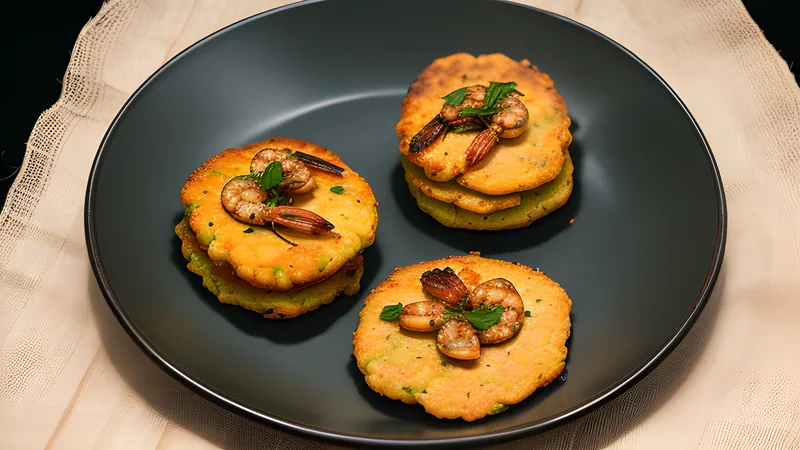
↓ Jump to recipeAcarajé is a deep-fried black-eyed pea fritter, split open while hot and stuffed with vatapá, prawns, a chilli-and-tomato relish and, depending on the stall, a spoonful of caruru, a drier okra-and-shrimp mixture. It’s sold almost exclusively from street stalls in Salvador, Bahia, staffed by Baianas, women dressed in traditional white Bahian dress, and it’s one of the clearest examples anywhere of a street food that is also, simultaneously, a religious object.
Acarajé: The Black-Eyed Pea Fritter of Salvador
Ingredients
- 500g dried black-eyed peas, soaked overnight in plenty of cold water
- 1 medium onion, roughly chopped
- 3 garlic cloves
- 1 tsp fine salt
- 500ml dendê (palm) oil, for deep-frying
- About 300g vatapá (see the linked vatapá recipe), warmed, to fill
- 150g caruru or a simple sautéed okra and prawn relish, warmed, to fill
- 150g cooked, peeled small prawns, to fill
- 1-2 malagueta or bird's-eye chillies, finely chopped, to serve
- Vinagrete (diced tomato, onion and pepper in vinegar), to serve
Method
- Drain the soaked black-eyed peas and rub them vigorously between your hands under running water in a large bowl, until most of the loose skins float free; skim off and discard the skins (this takes patience but affects the final texture significantly).
- Drain the skinned peas well and tip into a food processor with the onion, garlic and salt.
- Blitz to a thick, only slightly grainy paste, scraping down the sides as needed; add no water, the peas should provide enough moisture on their own.
- Transfer the paste to a bowl and whip vigorously with a wooden spoon or hand mixer for 5 minutes to incorporate air; the paste should lighten in colour and texture, becoming visibly fluffier.
- Cover and rest the whipped paste for 15 minutes at room temperature.
- Heat the dendê oil in a deep, heavy pot to 180C.
- Using two spoons dipped in cold water, shape the paste into oval quenelles about the size of a small egg and lower carefully into the hot oil, frying in batches of 3-4.
- Fry for 4-5 minutes per batch, turning once, until deep golden-orange and firm to the touch.
- Drain on kitchen paper, then slice each fritter open along one long side without cutting all the way through, like a pocket.
- Fill each opened fritter generously with warm vatapá, a spoonful of caruru, a few prawns, chopped chilli and vinagrete, and serve immediately while the shell is still hot and crisp.
A fritter with a trade and a faith built into it
Acarajé’s roots run directly to West Africa, specifically to the akara fritters of Yoruba and Fon cooking in what is now Nigeria and Benin, carried across the Atlantic by enslaved people brought to Bahia during Brazil’s centuries as the largest destination for the transatlantic slave trade. The name itself is Yoruba in origin, and the dish arrived alongside the broader culinary and religious system that West African communities rebuilt in Bahia under conditions of extraordinary violence and displacement, a system that survives today as Candomblé.
Within Candomblé, acarajé is a food offered to Iansã, the orixá of storms and the marketplace, and the right to sell it on the street has historically belonged to Baianas de acarajé, women initiated into Candomblé who trained under an established seller before setting up their own stall, in a lineage that in some families runs back multiple generations. This is not an incidental detail or historical footnote: selling acarajé in Salvador carries formal recognition, the Baianas’ association has fought for and won legal protection of the trade against outside commercial interests, and UNESCO listed the actual practice of acarajé-making as intangible cultural heritage in Brazil in recognition of exactly this lineage. Making acarajé at home doesn’t require any of that formal status, but knowing it changes how you understand a dish that might otherwise look like simply a fried bean fritter with toppings.
Getting the black-eyed peas right
The single technique that separates good acarajé from mediocre is the skinning of the black-eyed peas before blending. Soaked peas have a thin, slightly tough outer skin that, left in, gives the finished fritter a gritty, uneven texture and a duller colour; removed, the paste blends into something genuinely smooth and pale, closer to a stiff hummus than a bean mash. Traditional Bahian cooks skin peas by hand, rubbing them between their palms under running water in large batches, a process that takes real time and patience, and there’s no reliable shortcut that gets you the same result; a food processor pulsed too hard just breaks the peas up unevenly rather than separating skin from flesh. Set aside 15-20 minutes for this stage alone if you’re making a full batch, and don’t rush it.
The second technique that matters is whipping air into the paste before frying. This is the step that gives acarajé its characteristic light, almost soufflé-like interior rather than a dense, greasy one, and it’s done by hand or with a hand mixer for a full five minutes, well past the point where the paste looks combined. Bahian street vendors, working through hundreds of fritters a day, whip the paste in large batches with practised speed; at home, just keep going past the point where you think you’re done, and you’ll see the colour visibly pale and the texture loosen as air works through it.
Frying temperature is the third variable worth being careful about. Dendê oil at 180C fries the fritters through in the same time it takes the outside to turn a deep golden-orange rather than burning before the centre sets; too cool and the fritters absorb oil and turn heavy and greasy rather than light. A cooking thermometer is worth the small investment here, since dendê oil’s dark red colour makes visual judgement of oil temperature much less reliable than with a clear vegetable oil.
What goes wrong, and how to read it
A fritter that collapses flat rather than holding its oval shape as it hits the oil usually means the whipped paste rested too long before frying and lost the air worked into it; whip a fresh batch briefly again just before shaping if more than 30 minutes has passed since you finished whipping. A pale, soft-shelled fritter that never develops a proper golden crust points to oil that’s crept below 180C, most often because too many fritters went in at once and dragged the temperature down; pull the batch, let the oil recover fully, and fry smaller batches from then on. A fritter that’s dark and crisp outside but still raw and pasty in the centre has been fried too hot or too briefly, in which case, drop the oil by 10 degrees and give the next batch an extra minute, since a truly cooked centre should feel firm rather than soft when you press it gently. And a heavy, oil-logged fritter that never crisps at all almost always traces back to skipping or rushing the skin-removal stage, since residual skins trap oil against the surface in a way a smooth, fully skinned paste doesn’t.
What goes inside, and why the fillings aren’t interchangeable
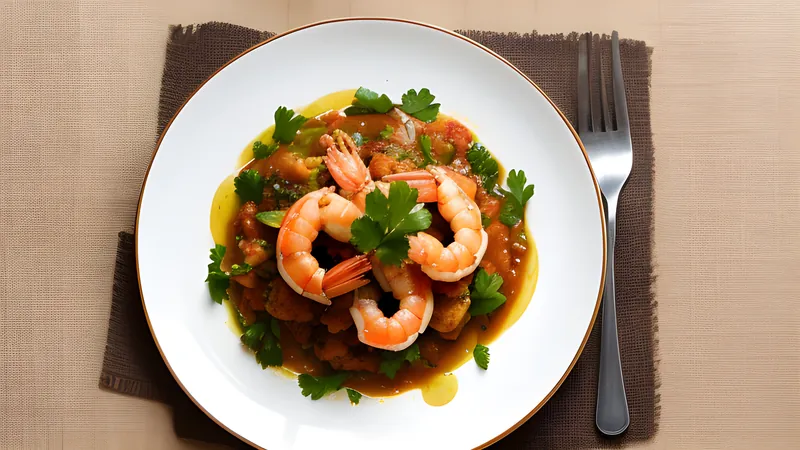
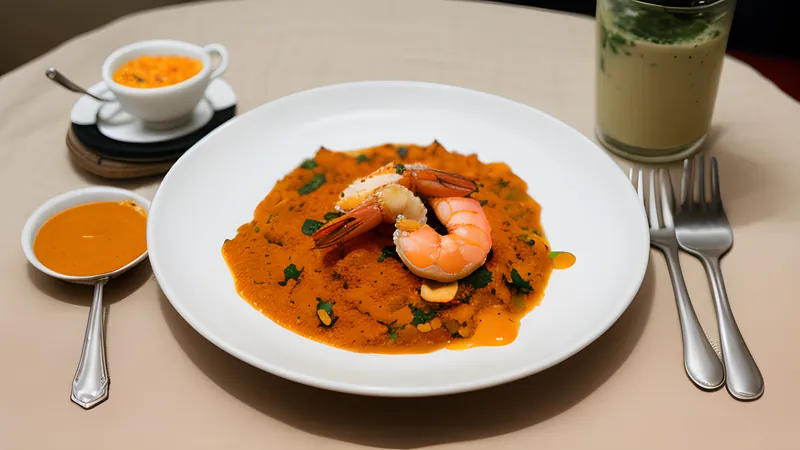
The classic filling is a combination of vatapá, the thick bread-and-peanut purée, and caruru, a drier relish of okra cooked down with dried shrimp, onion and dendê oil until it loses most of okra’s characteristic sliminess and becomes something closer to a coarse, savoury paste. Together they give acarajé two contrasting textures inside a single crisp shell: vatapá’s smooth, almost custardy richness against caruru’s coarser bite, both built on the same dendê-and-dried-shrimp backbone that runs through most Bahian cooking. Fresh prawns, a scattering of chopped malagueta chilli and a vinegary tomato-onion vinagrete finish it, cutting through the richness of both fillings with acidity and heat.
Vegetarian versions, sold without the prawns and sometimes without any animal product at all, are increasingly common on Bahian streets and travel well if you’re cooking for a mixed table; the vatapá can be made with vegetable stock instead of relying on dried shrimp for its savoury depth, though you lose some of the specific flavour that makes the combination distinctive. If you’re assembling both components from scratch for the first time, make the vatapá the day before; it keeps well in the fridge and reheats easily, leaving you to focus entirely on the trickier bean-fritter technique on the day you actually want to eat.
Serve acarajé immediately after filling, while the fried shell is still hot enough to stay crisp against the warm fillings; left to sit, the shell softens from the moisture of the vatapá and loses the contrast that makes the dish work. It doesn’t reheat or hold well once assembled, which is exactly why it’s a street food eaten standing at the stall rather than a dish carried home in a container, and why the Baianas fry to order rather than in advance.
Sourcing dendê oil and black-eyed peas
Dried black-eyed peas are widely available in most supermarkets and specifically in Caribbean, African and South Asian grocers, sold either loose or bagged; buy a fresh-looking batch rather than one that’s been sitting on a shelf for a long time, since older dried peas take longer to soften and skin cleanly no matter how long you soak them. Give them a full overnight soak, ideally 10-12 hours, in plenty of cold water, since a rushed shorter soak leaves the skins stubbornly attached and makes the hand-rubbing stage take considerably longer than it needs to. If you’re short on time, a quick-soak method, covering the peas with boiling water and leaving them off the heat for an hour, gets you a workable soften, though the skins come away less readily than with a proper overnight soak, so budget extra time for the rubbing stage if you go this route.
Dendê oil is the one ingredient in this recipe with no honest substitute; a neutral oil coloured with paprika will fry the fritters just as well but won’t give you the specific, faintly fermented, faintly smoky flavour that dendê contributes to the outside of the shell as it fries. It’s sold in Brazilian, Portuguese and West African grocers, usually in glass bottles labelled azeite de dendê, and keeps for months unopened; once opened, store it away from heat and light and use it up within a couple of months, since it turns rancid faster than a refined vegetable oil.
A note on frying in batches
Resist the temptation to crowd the pot when frying. Acarajé fritters expand slightly as they cook and need room to turn without touching each other or the sides of the pot, and dropping too many in at once cools the oil below frying temperature, which is exactly the greasy, heavy result you’re trying to avoid by whipping air into the paste in the first place. Fry in small batches of three or four, letting the oil come back up to temperature between batches, and keep the finished fritters on kitchen paper in a low oven if you need to hold them briefly before filling and serving the whole batch together.
Make-ahead and what actually keeps
The black-eyed pea paste can be blended and rested up to a day ahead, covered tightly in the fridge, but whip it again for a minute just before frying to restore the air that settles out overnight; don’t skip this re-whip, since a paste that’s sat unwhipped fries heavier and denser than one whipped fresh. Fried, unfilled fritters keep in the fridge for a day and reheat reasonably in a hot oven for five minutes, regaining some crispness, though they’re never quite as good as fried fresh to order; they don’t freeze well once fried, since the interior turns spongy and slightly gluey on thawing. The better make-ahead strategy, if you’re planning to serve a crowd, is to prepare and rest the raw paste, plus the vatapá and caruru fillings, entirely in advance, then fry the fritters in the final half hour before serving, which is close to how Bahian stalls actually operate: everything prepped, nothing fried until an order comes in.
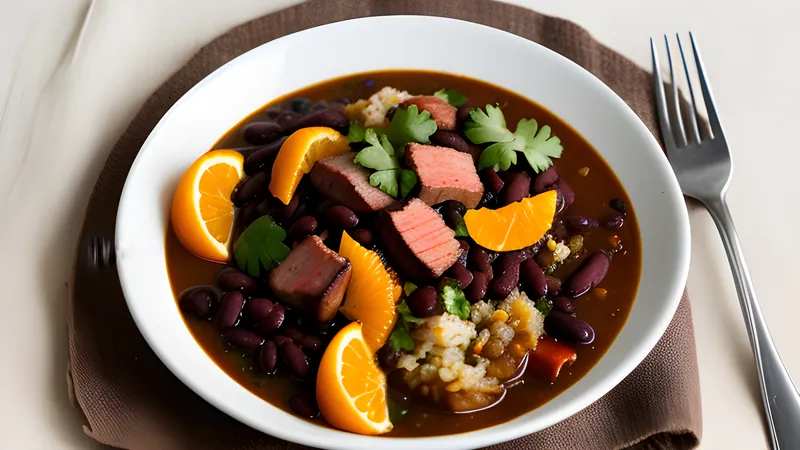
Acarajé is Bahian street food through and through, but it belongs to the same wider Brazilian repertoire as feijoada and pão de queijo, dishes built, like this one, on turning a small set of humble ingredients into something recognisable at a glance and defended fiercely by the people who make them properly.
Related Content