The Best Cheap Fitness Band for Step-and-Sleep Basics
For steps, sleep timing and notifications, a £30–50 band already does the job a £300 smartwatch is selling
Contents
Most people who buy a fitness wearable never touch the features that justify a £300 price tag. They want to know roughly how many steps they took, roughly how well they slept, and to see a text message without pulling out their phone. Every one of those jobs is fully covered by a fitness band costing a tenth of the price, and has been for several product generations now. The category gets overlooked because it isn’t exciting to write about, which is exactly why it’s worth a proper look: for the actual use case most buyers have, the expensive tier is selling refinement that mostly goes unused.
What the basics actually require
Step counting needs an accelerometer and a reasonably tuned algorithm to filter out non-walking motion — nothing more, and this technology has been essentially solved and cheap to implement for the better part of a decade. Sleep timing (when you fell asleep, when you woke, how restless the night was) needs the same accelerometer plus a basic heart-rate sensor for additional signal, again mature and inexpensive technology. Notifications need a Bluetooth radio and a small display, both commodity components at this point. None of the core “basics” this guide is about require the dual-band GPS, advanced SpO2 validation, or deep third-party app ecosystem that justify a smartwatch’s higher price — which is exactly why a £35–50 band can deliver the daily-use experience most people actually want almost as well as something costing six times more.
The picks
Best all-rounder: Xiaomi Smart Band 9 (around £35–40). Xiaomi’s band line has iterated for nearly a decade at this point, and the current generation reflects it: a bright AMOLED strip display, genuinely long battery life (Xiaomi rates it around 21 days in typical use, among the longest in the category), and a companion app, Xiaomi Wear or Mi Fitness depending on region, that reliably exports to Apple Health and Google Fit. It has no ambitions beyond the basics, and that focus is exactly the point.
Best display for the price: Amazfit Band 7 (around £35–45). A larger, more legible display than most rivals in this price bracket, plus Zepp OS’s mature sleep-stage graphing inherited from Amazfit’s pricier watches — a case of software refinement trickling down from the flagship tier rather than being built separately for the budget line, which is the right way for a company to run a product range.
Best if a proper screen doesn’t matter at all: Whoop-style screenless bands aren’t in this bracket — see Whoop vs a £40 band for that specific, subscription-based trade-off — but within the screened budget tier, Honor’s budget Band line is worth a look specifically for its unusually accurate step-counting algorithm in independent step-count comparisons against a manual reference count, a detail that matters more than it sounds given how loosely calibrated some cheap bands’ pedometer algorithms still are.
Best build quality: Amazfit Band 7, again, specifically for its case construction — a metal-backed sensor housing rather than the all-plastic backs some rivals use at this price, which matters over years of daily contact with skin, sweat and skincare products.
Materials: what £35 actually buys inside the case
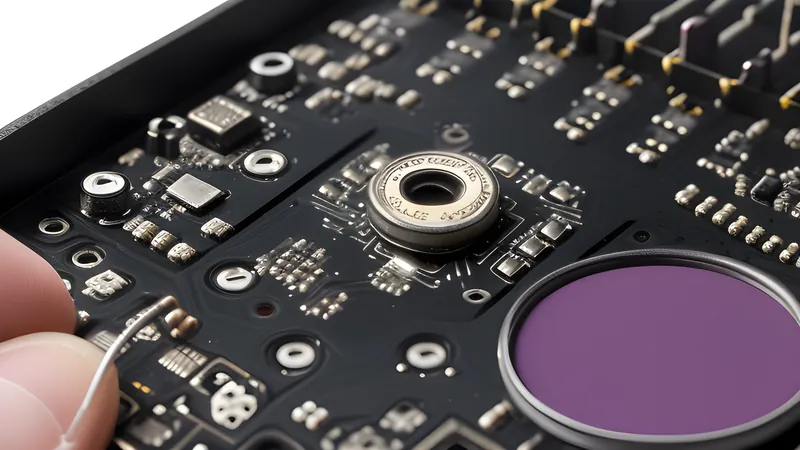
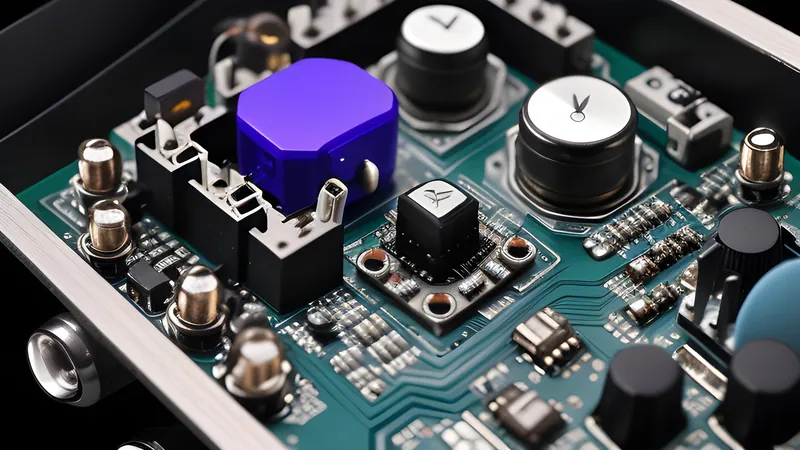
Opening a budget fitness band reveals a much simpler assembly than a smartwatch: a single small flex PCB carrying the PPG sensor cluster, accelerometer and Bluetooth radio, a slim rectangular battery cell running the length of the band body (rather than a coin cell, which is why these bands can claim such long battery life despite their small size — a rectangular cell packs more capacity into the available volume than a coin cell of the same footprint), and a plastic or, in the better models, metal-backed housing sealed against sweat and light splashing rather than genuine swim-proofing, whatever the marketed water-resistance rating claims. The strap itself is usually the weakest physical component — cheap silicone perishes and cracks after a year or two of daily wear and sweat exposure, though replacement straps for the major brands’ band lines are inexpensive and widely available, unlike some smartwatches’ proprietary strap systems.
Display technology is the main place where corners genuinely get cut at the bottom of this tier. The better bands use AMOLED strips with real black levels and decent outdoor visibility; the cheapest bands use lower-contrast, dimmer panels that are hard to read in direct sunlight — a difference worth checking in a review with actual outdoor photos rather than assuming any “AMOLED” label on a spec sheet performs identically.
Where these bands genuinely fall short
Multi-day trend accuracy is honest and reasonably reliable at this price; anything requiring precision — structured training zones, accurate GPS-tracked routes (most of this tier relies on the phone’s GPS via a connected-GPS mode rather than an onboard chip, meaning the phone has to be carried for outdoor route accuracy at all), or clinically meaningful SpO2 — is where the budget tier’s limitations show up fastest. None of the bands in this guide should be trusted for medical-adjacent readings any more than the pricier wearables covered in blood-oxygen and stress metrics: which wearable numbers mean anything, and the case for that caution is, if anything, slightly stronger here given the shallower algorithm investment behind a £35 device’s health features compared with a flagship’s.
Software longevity is the other genuine risk. Budget band companion apps have historically had shorter support windows than premium smartwatch apps — Xiaomi and Amazfit have been reasonably good about multi-year app support for their band lines specifically, but it’s worth checking current app-store reviews for a given model before buying, since a companion app abandoned after eighteen months turns an otherwise fine piece of hardware into an expensive answer to “what time is it.”
Battery claims versus what actually happens
The three-week battery claim on the box assumes moderate notification volume, the display’s always-on mode switched off, and no connected-GPS use logging outdoor routes through the phone. Turn on always-on display and the figure drops meaningfully — often by half or more, since the display is the single largest power draw in a device this small, exactly as it is in smartwatches, just at a smaller absolute scale. Heavy notification volume (a busy group chat, frequent app alerts) also draws down the battery faster than the box figure assumes, because each notification wakes the display and the Bluetooth radio briefly. None of this is dishonest marketing exactly — the box figure is achievable under the stated conditions — but it is worth reading as a best-case number and expecting something closer to two-thirds of the claimed figure under typical daily use with notifications and occasional display checks left on.
Charging convenience is a genuine differentiator worth checking before buying. Some bands use a proprietary two-pin magnetic charging clip that’s easy to lose and awkward to replace; a smaller number now offer a charging capsule built into the band clasp itself, or in rare cases direct USB-C, which is a meaningfully better long-term ownership experience even though it rarely appears on the front of the spec sheet.
Notification handling and the Bluetooth reliability question
The single most common real-world complaint in the budget band category is Bluetooth notification reliability drifting over time, ahead of any worry about sensor accuracy, where a band that mirrored phone notifications perfectly in week one starts missing them intermittently by month three, usually traced to a phone-side battery optimisation setting throttling the companion app in the background rather than a fault in the band itself. This is worth knowing before assuming a band has developed a hardware fault; the fix is almost always in the phone’s battery-optimisation or background-app-permission settings rather than a warranty issue with the band. Xiaomi and Amazfit’s apps have both improved their guidance on this over recent generations, prompting users during setup to whitelist the app against battery optimisation specifically because the failure mode was common enough to warrant addressing directly in onboarding.
Water resistance: what the rating actually covers
Most bands in this tier carry a 5 ATM rating, sufficient for showering, swimming and general splash exposure, but it’s worth reading that rating correctly: 5 ATM is tested under controlled laboratory conditions at rest, not while actively swimming and pressing buttons, and manufacturers across the category generally advise against using touchscreen functions underwater regardless of the rating, since water on the display can register as false touches. This is a shared limitation across the entire wearable category regardless of price tier, worth knowing before assuming a 5 ATM band is a dedicated swim tracker in the way a genuine dive watch would be.
Replacement cycle and the second-band problem
Budget bands are cheap enough that many owners buy a second one as a spare or a gift rather than agonising over a single purchase decision, and that’s a reasonable way to use this tier — the total cost of two Xiaomi bands still undercuts a single mid-range smartwatch. Worth knowing before doing that: strap and sensor housing wear (perished silicone, a scratched display) is the most common reason these bands get replaced within two to three years, not battery degradation or a fault, so buying a spare strap alongside the band itself is often better value than buying a whole second unit purely as a backup.
The honest case against buying even this tier
If the actual want is simply to know the time and see notifications without checking a phone, a genuinely basic connected band with no health sensors at all costs even less and sidesteps the entire question of whether the sleep and step data is worth trusting. And if there’s a real, specific fitness goal behind the purchase — structured training, an event to train for, a genuine desire to understand recovery in depth — this entire budget tier is the wrong place to spend the money at all, and the step up to a proper GPS running watch or a mid-range smartwatch, covered in the best running watch under £200 and Amazfit vs Garmin, is worth the extra spend rather than settling for a band that was never built for that level of precision.
The picks, summarised
For the person who wants steps, sleep timing and notifications without spending more than a takeaway dinner costs, the Xiaomi Smart Band 9 remains the safest all-round buy in the category, with the Amazfit Band 7 the better choice specifically for anyone who’ll actually look at the display often enough for its extra size and metal-backed build to matter over a couple of years of daily wear.
Related Content