The Best Budget Smartwatch That Isn't a Fitness Afterthought
Where the sub-£100 smartwatch market actually delivers, and where the spec sheet is doing the lying
Contents
Open the listing for almost any smartwatch under £100 and the spec sheet reads like it escaped from a £300 device. Blood oxygen. Continuous heart rate. Stress tracking. Sleep stages. A battery that supposedly runs a fortnight. AMOLED screen. Bluetooth calling. It is an enormous amount of feature-checklist for the price, and the honest answer is that some of it is real and some of it is a sensor that exists purely to populate an app screen with a number nobody asked for.
The budget smartwatch category is one of the few in consumer electronics where the hardware has genuinely caught up faster than the software has. A £220 Garmin and a £45 Amazfit can, on paper, share an accelerometer, a PPG heart-rate sensor and a GPS chip from the same handful of Chinese component suppliers. What separates them is calibration, algorithm quality, and whether anyone bothered to validate the readings against a medical-grade reference. That is the gap this guide is trying to find: which cheap watches treat fitness tracking as a real feature, and which ones treat it as a marketing checkbox.
What “budget” actually buys you now
The current sub-£100 tier splits roughly into three tiers of honesty. At the bottom, sub-£40 devices from brands cycling through Amazon storefronts under different names each quarter typically share one of two or three reference designs from Shenzhen ODMs — same PCB, same firmware skeleton, different case. These are fine as a basic step-and-notification tracker and nothing more; treat any health metric from one as decorative.
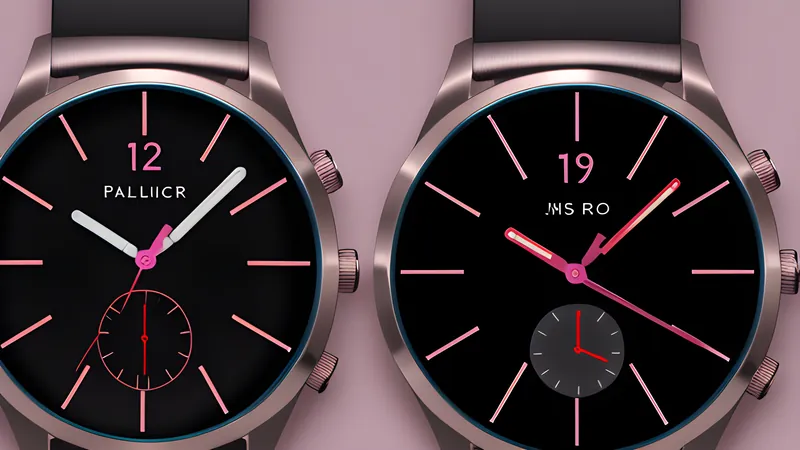
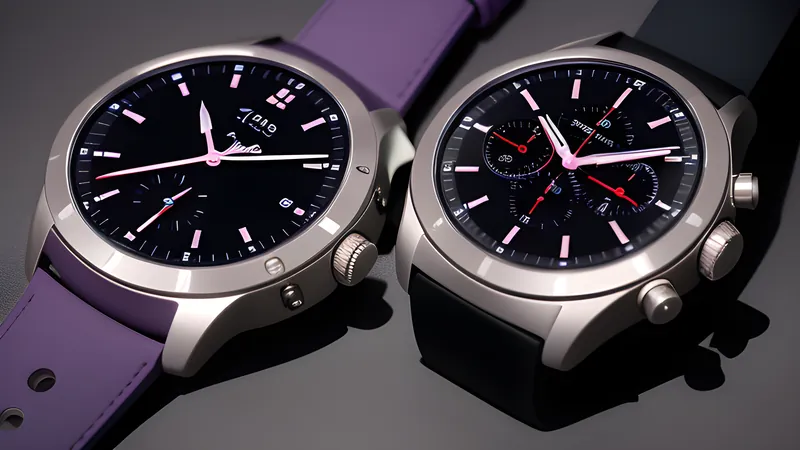
The next tier, roughly £40 to £80, is where Amazfit, Xiaomi and CMF (Nothing’s budget sub-brand) compete properly. This is where the category actually gets interesting, because these companies run their own firmware and have iterated on the same sensor stack for several watch generations. The Amazfit Bip 5 sits at the accessible end of this tier: a 1.91-inch rectangular display, GPS, a claimed battery life of roughly ten days in typical use, and Zepp OS software that has had years to mature its heart-rate algorithm. The CMF Watch Pro 2, at a similar price, brings a rotating crown and a cleaner Nothing-adjacent design language, with the same class of PPG sensor underneath.
Above that, £80 to £100 buys AMOLED displays that actually look premium, better GPS accuracy, and in some cases blood-oxygen and stress-tracking features that have had real validation work done against them, rather than just being present because the reference sensor supports it. The Amazfit Balance sits just above this band in practice but represents the ceiling of what the tier is reaching for: an AMOLED panel, dual-band GPS, and a battery Amazfit rates at around two weeks with the always-on display disabled.
The sensor stack: what’s actually inside
Nearly every watch in this price range uses a green-and-infrared PPG (photoplethysmography) array under the case back — the cluster of small LEDs and photodiodes that shines light into the wrist and measures the light scattered back to infer pulse. It is the same fundamental technology Apple, Garmin and Samsung use at ten times the price. The real difference lives in the signal-processing pipeline behind that sensor, and how much the vendor has tuned that pipeline against real physiological data rather than a lab bench simulation.
This matters most for two features that get advertised almost universally and delivered inconsistently: SpO2 (blood oxygen) and stress scoring. Both rely on the same PPG hardware doing double duty, run through an algorithm estimating a value the sensor was never built to measure with clinical confidence at this price point. A cheap watch that reports SpO2 to the decimal point genuinely has the hardware; what it glosses over is that the reading can drift several points from a real pulse oximeter, particularly on darker skin tones where green-light PPG is measurably less reliable, a limitation the entire industry has been slow to publicly acknowledge.
Battery figures deserve the same scrutiny. The “14-day battery life” claim nearly every budget watch prints on the box assumes the always-on display is switched off, GPS is rarely used, and notifications are light. Turn on an always-on AMOLED panel and run GPS for a weekly run and that number typically halves. The printed figure is a best-case spec rather than a fabricated one, and the gap between best-case and realistic-case is the single most common source of buyer disappointment in this category.
GPS: the feature most people never test
GPS accuracy is the quietest scam in the budget tier, because most owners never compare a route against a known-good reference. Single-band GPS chips — standard at this price — pick up satellite signals on one frequency, which makes them prone to drift near tall buildings, tree cover, or in a valley, sometimes adding a tenth of a mile of phantom distance to a run that never happened. Dual-band GPS, which cross-references two satellite frequencies to filter out reflected signal, only started trickling into this price tier with devices like the Amazfit Balance, and it is the single biggest accuracy upgrade the category has seen in years — more consequential than any headline sensor count. If route accuracy matters more to you than the smartwatch features, it is worth checking whether a given model actually lists dual-band support rather than assuming GPS is GPS.
Build quality: where the case-back tells the truth
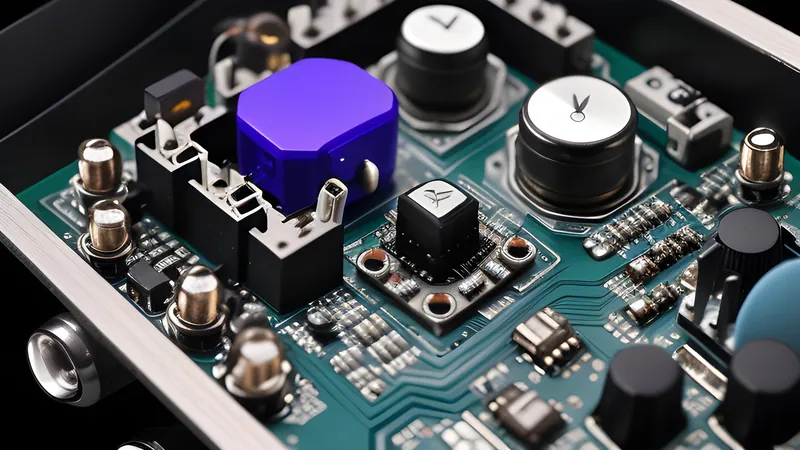
Pop the case back off almost any sub-£60 smartwatch and the story is consistent: a single flex PCB carrying the PPG cluster, a small vibration motor, and a battery cell glued rather than clipped in place — a repairability red flag, since a swollen battery a few years out means prising apart bonded plastic rather than lifting a connector. The step up in the £60–100 tier usually buys a proper gasket seal around the display glass (the difference between a genuine IP68 rating and an optimistic one) and, in Amazfit and Garmin’s cheaper lines, a metal rather than plastic mid-frame, which measurably improves how the watch survives a drop onto a hard floor.
Strap quality is the other tell. Budget silicone straps that use a proprietary quick-release pin rather than a standard 20mm or 22mm spring bar lock you into the vendor’s own strap ecosystem — a minor annoyance until the strap perishes in year two and the only replacement is from the original manufacturer at an inflated price.
Software longevity: the honest weak point
This is where the category’s promise-versus-reality gap is widest. A phone’s operating system gets years of security patches; a £50 smartwatch’s companion app frequently does not. Amazfit and Xiaomi have improved here — Zepp OS has had consistent multi-year support across several watch generations — but plenty of budget brands ship a watch, sell it for eighteen months, and quietly stop updating the app it depends on. Before buying, it is worth checking how long the manufacturer has kept its previous generation’s companion app alive on the Play Store or App Store; a one-star review flood citing an app that stopped connecting a year after launch is the most reliable signal in this entire category.
Bluetooth calling is the other feature worth reading past the marketing on. Many budget watches list it as a headline feature, but the tiny internal speaker and microphone are usable for a two-minute call in a quiet room and genuinely poor anywhere with background noise. Treat it as an emergency fallback, not a substitute for taking your phone out of your pocket.
Charging: the accessory drawer nobody plans for
Almost every budget smartwatch ships with its own proprietary two-pin or four-pin magnetic charging puck rather than a standard USB-C connector, and that decision quietly shapes the ownership experience more than any sensor spec. Lose the puck on a work trip and there is no borrowing a colleague’s charger; a replacement has to come from the manufacturer directly, often at a price disproportionate to the watch itself. Amazfit and Xiaomi have at least standardised their puck design across several generations within their own ranges, so a Bip 5 owner can usually reuse an older Amazfit charger, but cross-brand compatibility is essentially nonexistent. A small number of newer budget models are starting to ship genuine USB-C-direct charging built into the case edge, which is a meaningfully better long-term ownership decision than it sounds — no puck to lose, no proprietary part to source years later — and worth actively seeking out over an otherwise identical spec sheet.
The charging cradle is also where a lot of the case-back build quality shows up unexpectedly. Watches with a loose or poorly seated magnetic connection are the ones most likely to arrive on a support forum with complaints about intermittent charging or a watch reporting full battery and then dying overnight — usually a sign of a cut-rate pogo-pin contact rather than a battery fault, and one more reason the cheapest watch in a given spec bracket is rarely the one worth buying.
The case against buying budget at all
There is a real argument for skipping this tier entirely: if fitness accuracy is the actual reason for buying a smartwatch — training zones, real pace data, sleep staging you would trust a coach to read — a mid-range Garmin or Amazfit’s own higher tier gives you a materially better sensor and years more firmware support for roughly double the outlay. Buying twice, once for a disappointing £50 watch and again for the £150 one that should have been the first purchase, costs more than buying right the first time. Budget makes sense when the use case really is basic — steps, sleep timing, notifications, the occasional GPS run logged casually — and not when the buyer is quietly hoping the cheap sensor will behave like an expensive one.
The picks
Best all-rounder under £60: the Amazfit Bip 5. The rectangular AMOLED-adjacent display, real GPS, and Zepp OS’s several years of algorithm refinement make it the tier’s most trustworthy fitness data, not just its cheapest.
Best design for the money: the CMF Watch Pro 2. The rotating crown and metal mid-frame give it a build quality the price doesn’t really justify, at the cost of a slightly less mature software ecosystem than Amazfit’s.
Best if you’ll actually use the AMOLED display daily: the Amazfit Balance, once the price occasionally dips under £100 in a sale — dual-band GPS and a genuinely competitive stress and sleep-tracking suite for roughly a third of a Garmin Venu’s price.
Skip if: you need clinically reliable SpO2 for a real health condition, in which case no watch at any price in this guide is a substitute for a prescribed pulse oximeter — that is a hardware and regulatory gap money alone doesn’t close at the budget tier.
For readers weighing a step up from this category entirely, Amazfit vs Garmin: how much watch do you actually need? covers where the extra spend starts buying real accuracy rather than just a nicer screen, and blood-oxygen and stress metrics: which wearable numbers mean anything goes deeper on exactly how much to trust the health scores this entire tier is built around selling.
Related Content