Nothing Phone (2a) Teardown: Glyph Gimmick or Genuine Build?
What the transparent back is actually showing you, and what it's hiding
Contents
Nothing’s whole brand identity rests on a single visual trick: a semi-transparent back that lets you glimpse the componentry underneath, dressed up with the Glyph LED strips that light in patterns for notifications and calls. It’s a genuinely distinctive look in a market where almost every other phone hides its internals behind an opaque, interchangeable slab of glass or plastic. The question a teardown actually answers is whether that transparency is telling the truth about what’s inside, or whether it’s decorative glass over a largely conventional, cost-cut mid-range phone with some strategically placed metal trim visible through the window. The Phone (2a), Nothing’s cheaper A-series model rather than the numbered flagship line, is the more honest test of that question, because it’s exactly where a brand under real cost pressure would be tempted to cut corners the transparency is supposed to expose.
The promise
Nothing’s marketing leans directly into the idea that the transparent back represents a design philosophy, not just a party trick: the company frames its whole product line around “honest” industrial design, implying that what you see through the back is a genuine reflection of the phone’s internal engineering rather than a cosmetic layer bolted on top of a phone that looks like everything else underneath. The Glyph interface reinforces this framing by literally routing visible LED wiring across sections of the back panel, making the lighting pattern part of the same visual language as the “look inside” design rather than a separate feature layered over it.
What the teardown actually finds
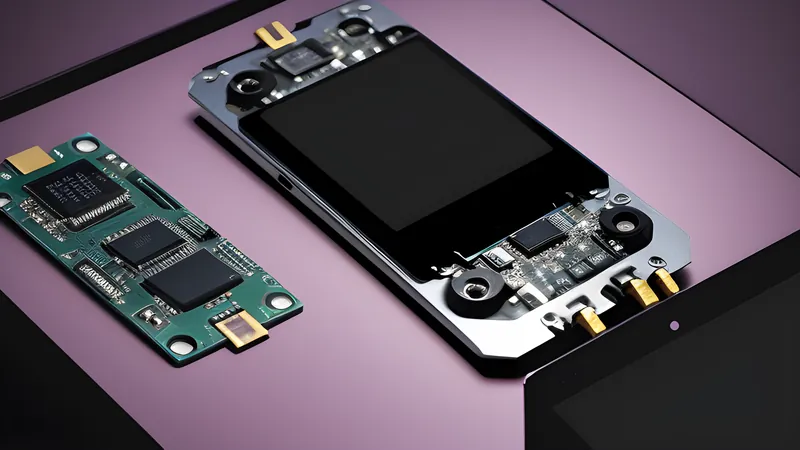
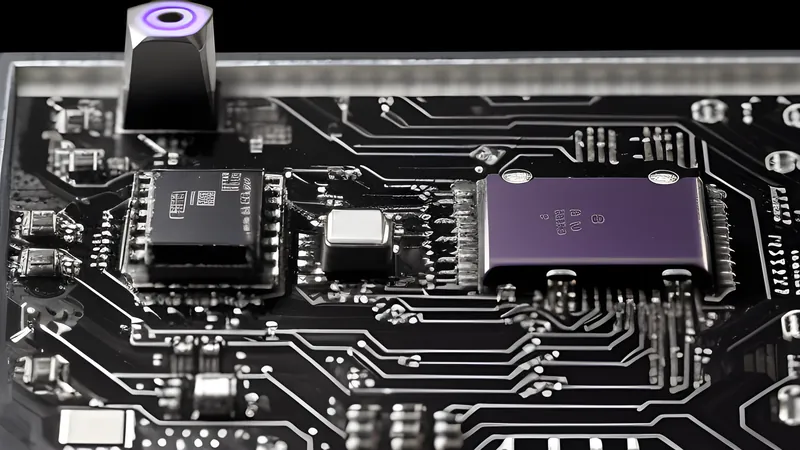
Independent teardown coverage of the Phone (2a) confirms the visible screws and internal-looking detailing under the back panel are real components, not printed decoration — a genuine point in the brand’s favour, since it would have been cheaper and easier to fake a “see-through” look with a printed pattern under tinted glass rather than actually exposing functional hardware. The specific components visible vary by exactly where you’re looking on the back panel: some of what’s visible is genuinely functional wiring and structural elements, while other visible detailing is decorative trim styled to look mechanically purposeful without being load-bearing or electrically active — worth knowing before assuming everything visible through the back is doing real work.
Where the cost-cutting against Nothing’s pricier numbered flagship line shows up most clearly is in frame material: the Phone (2a) uses a plastic mid-frame rather than the aluminium frame found on the step-up Phone (2), a straightforward and common way to hit a lower price point that most rivals at this tier also take, rather than a Nothing-specific corner cut. The back panel itself remains glass rather than dropping to a cheaper polymer, which is a more generous choice than several rivals make at a similar price, and it’s the component actually carrying the transparency effect the brand’s whole design language depends on — a sensible place to preserve spend even while cutting the frame material elsewhere.
The camera module — a 50-megapixel dual system built around Samsung sensors — sits in a housing that teardown coverage shows is adequately but not exceptionally sealed against dust ingress compared to the phone’s overall IP54 rating, which itself is a notable step down from the flagship Phone (2)’s higher-rated water resistance. That’s a real, measurable trade: the mid-range Phone (2a) sacrifices some of the flagship’s dust and water sealing specifically to hit its lower price and lighter overall weight, a legitimate design decision but one worth flagging clearly since IP54 is meaningfully less protective against submersion than the IP-rated flagship tier this desk covers elsewhere.
Battery, charging and the wireless omission
The 5,000mAh battery cell is a conventional lithium-polymer pouch of a size now standard across the mid-range Android field, connected via a pull-tab adhesive mount that teardown reports describe as more accessible than the aggressive multi-point adhesive some rivals use — a genuine, if modest, repairability point in Nothing’s favour, since a battery that can be removed without a heat gun and extensive prying is meaningfully easier and safer to replace than one bonded more aggressively.
The most notable omission, confirmed by both the spec sheet and the internal layout, is wireless charging: the Phone (2a) drops it entirely versus the numbered Phone (2), which retains it. That’s a straightforward cost and internal-space saving — a wireless charging coil takes up internal volume and adds bill-of-materials cost for a feature usage data across the industry shows a meaningful chunk of buyers rarely use — but it’s worth being explicit about as a real cut, not a minor one, for anyone who has come to rely on charging pads at a desk or bedside table.
The Glyph interface’s actual hardware cost
The Glyph LED system is more than a software notification gimmick sitting on top of existing hardware — it requires dedicated LED strips, wiring runs across the back panel, and driver circuitry to control the lighting patterns and, on higher-end Nothing models, glyph-synced audio cues. That’s genuine added bill-of-materials cost for a feature with no function beyond notification and aesthetic signalling, a deliberate trade-off Nothing has made repeatedly across its product line: spend real money on a distinctive, non-essential feature rather than pouring every spare pound into a marginally better chipset or camera sensor. Whether that’s the right trade depends entirely on whether a given buyer actually values the Glyph feature, but it’s worth being clear that the LEDs are consuming a real slice of the phone’s component budget, not appearing for free alongside the transparent design.
Assembly — screws vs adhesive, and why it matters
The balance between screws and adhesive inside a phone is one of the clearest tells a teardown can give about a manufacturer’s repair priorities, because adhesive is cheaper and faster on an assembly line but makes every subsequent repair harder, while screws cost more in assembly time but keep the phone serviceable afterwards. The Phone (2a) uses a mixed approach: the back glass panel is adhesive-mounted, standard practice across the entire glass-backed phone industry and not a Nothing-specific choice, while the internal chassis holding the motherboard, camera module and battery bracket relies more heavily on conventional screws than several rivals at a similar price, which use adhesive more aggressively throughout the internal assembly to save a few seconds per unit on the line. That’s a genuine, if modest, point in favour of Nothing’s approach to internal repairability, even where the external glass panel follows the same adhesive convention as everything else in the category.
Screw types are standard Torx and Phillips heads throughout rather than proprietary security fasteners some manufacturers use specifically to discourage independent repair — another small, concrete data point in favour of the phone being genuinely easier to open than several rivals, independent of how the marketing frames the transparent design.
How it compares to the numbered Phone (2)’s internals
Setting the (2a)’s internals directly against the pricier numbered Phone (2)’s published teardown detail clarifies exactly where the savings actually went. Beyond the frame material and dropped wireless charging already discussed, the (2a)’s camera module uses a simpler stabilisation mechanism than the flagship model’s, a sensible place to cut cost since optical image stabilisation hardware is one of the more expensive individual components in any phone’s bill of materials and one where the difference is measurable in test shots rather than merely theoretical. The display panel supplier and exact panel specification also differ between the two models, with the (2a)’s panel measuring behind the flagship’s in peak brightness and colour accuracy in independent display testing — consistent with Nothing positioning the (2a) explicitly as the value tier of the range rather than a lightly rebadged flagship.
What doesn’t change between the two models is the core design philosophy driving the visible- internals aesthetic and the Glyph interface itself, both of which persist essentially unmodified down into the cheaper phone rather than being trimmed as cost-saving measures — a signal that Nothing treats the brand identity itself as non-negotiable even while cutting frame material, stabilisation hardware and display panel quality elsewhere to hit the lower price.
Repairability, in practical terms
The plastic mid-frame and glass back, combined with a more accessible adhesive battery mount than several rivals use, add up to a phone that’s more approachable for independent repair than a sealed flagship, without matching the deliberate modularity of a phone built around repairability as its core premise. Screen replacement requires the usual heat-and-pry process common across the glass- backed phone category, and Nothing, like most manufacturers at this price, doesn’t publish an official self-repair parts programme in the way Google has begun doing for its Pixel A-series, or the way Fairphone builds its entire proposition around. Third-party repair parts availability has grown as the phone has been on sale longer, following the pattern most popular mid-range phones show once independent repair suppliers catch up to demand.
The verdict on the promise
The honest answer to whether the transparent design reflects genuine engineering honesty, or is decorative glass over an otherwise conventional cost-cut phone, is: both, in different places on the same device. The visible screws and structural elements are real and functional; some of the surrounding decorative trim is styled to look mechanically purposeful without carrying genuine function. The frame material cut to plastic, the dropped wireless charging, and the reduced IP rating versus the flagship Phone (2) are all real, defensible cost-cutting decisions rather than concealed corner-cutting — Nothing isn’t hiding these trade-offs, they’re published spec-sheet facts, which is arguably the more important honesty test than whether every visible internal detail is load-bearing.
For a buyer, the practical takeaway is that the Phone (2a)’s design language is doing real work alongside its aesthetic job: it carries genuine cosmetic intent and offers a partial, honest window into some of the phone’s real engineering. That’s a reasonable, if imperfect, version of the “honest design” promise Nothing sells, and it holds up better under scrutiny than a pure marketing exercise would. Anyone deciding whether the Phone (2a) is the right buy against its mid-range rivals should read the best mid-range phone under £400 guide for the fuller comparison, and anyone weighing repairability specifically as a purchase factor should read the Fairphone 5 repairability piece to see what a phone actually built around that priority looks like by contrast.
Related Content